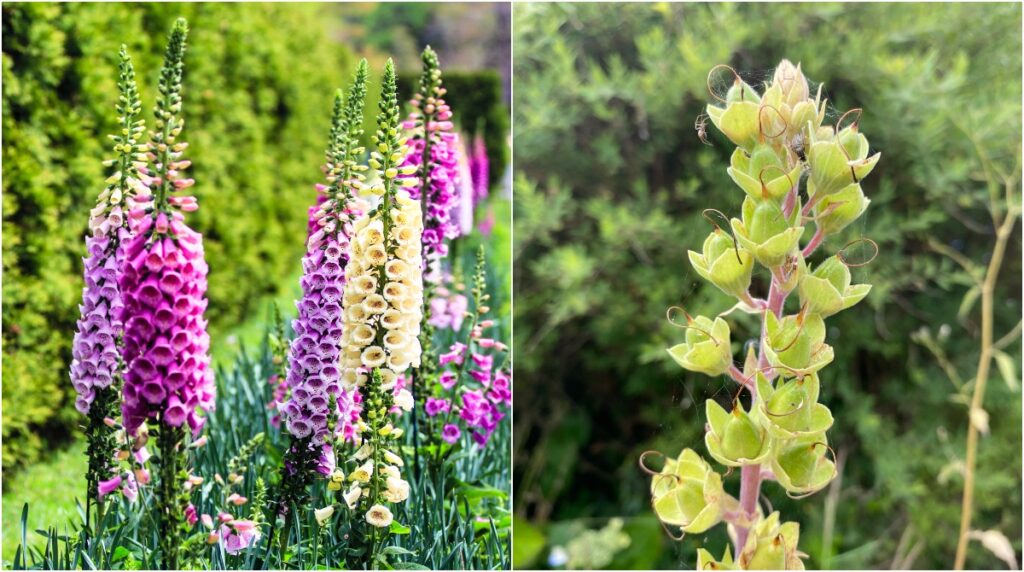
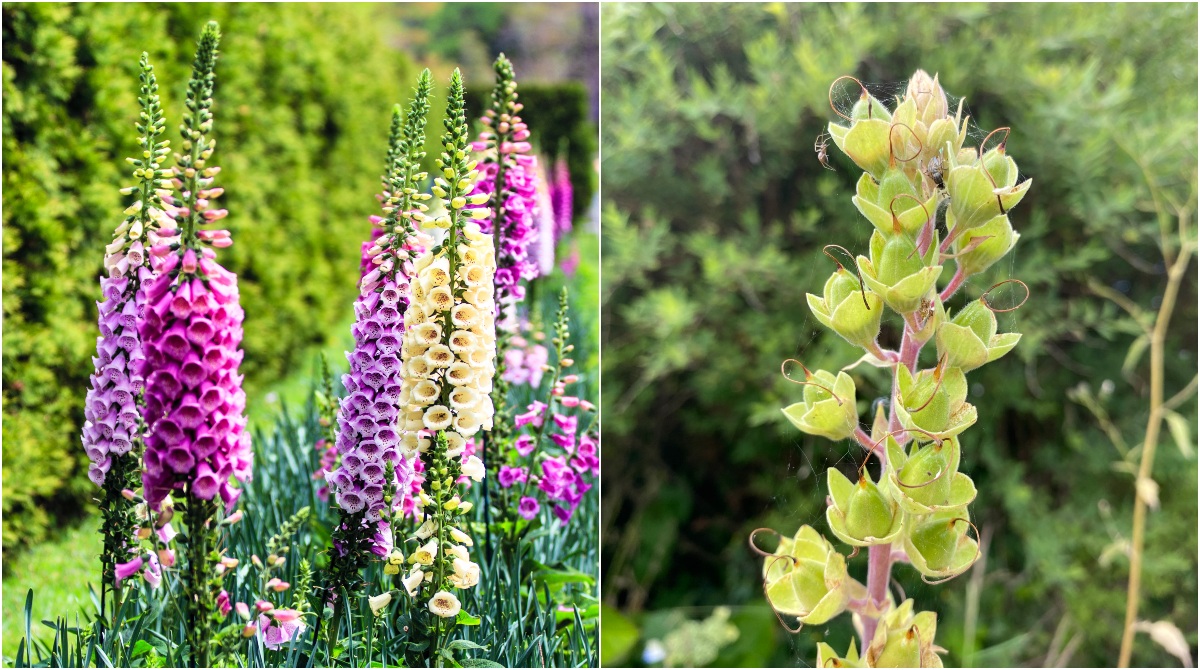
We love foxgloves for weeks for their towering blooms in late spring and early summer.
Spotted, speckled, and dazzling varieties of Foxgloves are biennial in nature.

Foxglove grows in a rosette of clumping leaves the first year, followed by tall spiers of tubular flowers in the second spring.

While some foxglove cultivars may flower in their first season, many species of foxglove (Digitalis purpurea) grow as reliable biennials.

Foxgloves are easy to reseed. When planted two years in a row, a naturalized colony of foxgloves can develop.
In fact, one foxglove plant can produce 1 to 2 million seeds. In the West Coast regions of the United States and New England in particular, foxglove is listed as an invasive plant.

Deadheading is a way to prevent flowers from setting seed. In the case of Foxgloves, this can sometimes be a good idea.
A favorite deer-resistant perennial, foxgloves are also a fantastic addition to your country garden ideas.

Like other tall, towering perennials, including Delphinium and Monkshood, foxgloves are also poisonous.
We love the wildflower look of Foxgloves with its speckled landing platform for bees and butterflies.

The variety of flowers is also spectacular, with bicolor, mottled, evergreen blooms in peach, cream, coral, purple, violet, red, yellow, and white.

Foxgloves are also on our list of favorite pink perennials, and they have flower options for any rose garden lover.

A shade-loving flower, Foxglove will brighten up any shady border and thrive in wildflower gardens in shady locations.

What to do with foxglove after flowering
Oh, the choices available to us gardeners! There are two different ways to figure out what to do with foxgloves once they have finished flowering.
Route #1: Spread the foxglove love!

Allow Foxglove to reseed and form colonies throughout the garden. In the right place, foxgloves are an excellent choice for a self-seeding garden.
Once your foxglove has finished flowering, leave the flower spike alone and allow the seed pods to mature naturally.
 It’s not quite ripe yet.
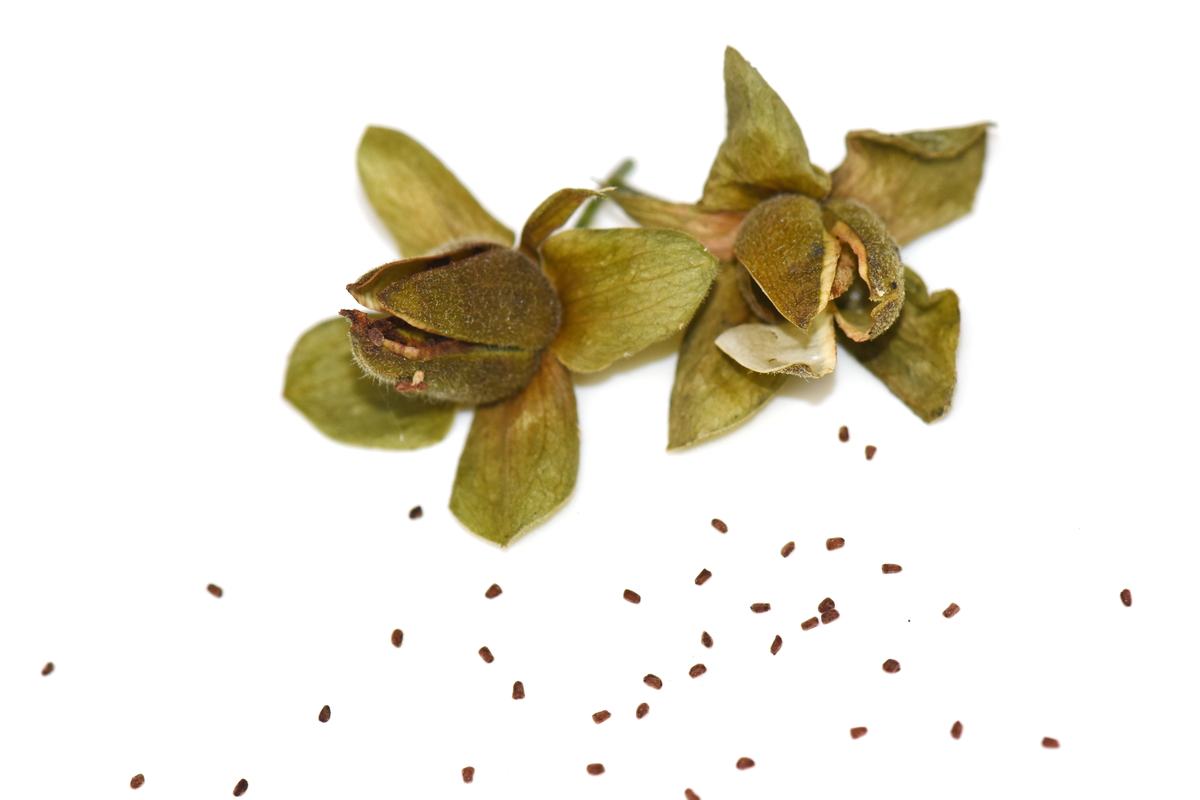
 In summer they dry up and split open, releasing thousands, sometimes millions, of tiny seeds that fall under the plant and are dispersed through the garden (and other nearby land) by the wind.

Some of these seeds find a perfect patch of bare soil and begin to germinate, appearing in late summer or early fall. The key is knowing what those little seedlings look like so they don’t get uprooted during routine weeding.
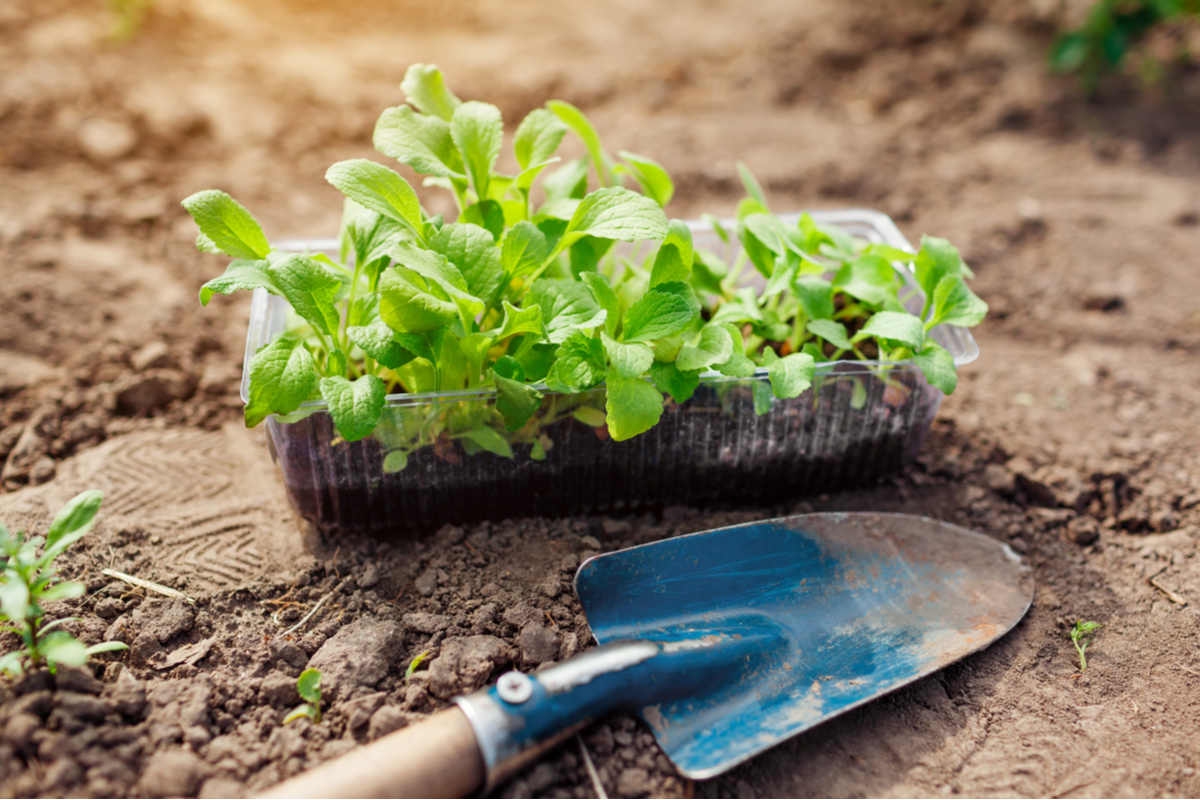
Planting foxgloves two years in a row and allowing them to scatter their seeds can result in a fantastic colony of foxgloves.

If you prefer more control over your foxglove planting, you can save your foxglove seeds to sow wherever you want, or even start indoors. Here’s a great guide to collecting foxglove seeds before they spread throughout your garden.
In general, foxglove seeds germinate at a temperature of 60° to 70°F with a germination time of 14 to 21 days. Sow the seeds indoors 8-10 weeks before the last frost.
Route #2: Diligently Deadhead Foxglove.
Move foxgloves diligently to prevent them from spreading across the landscape.
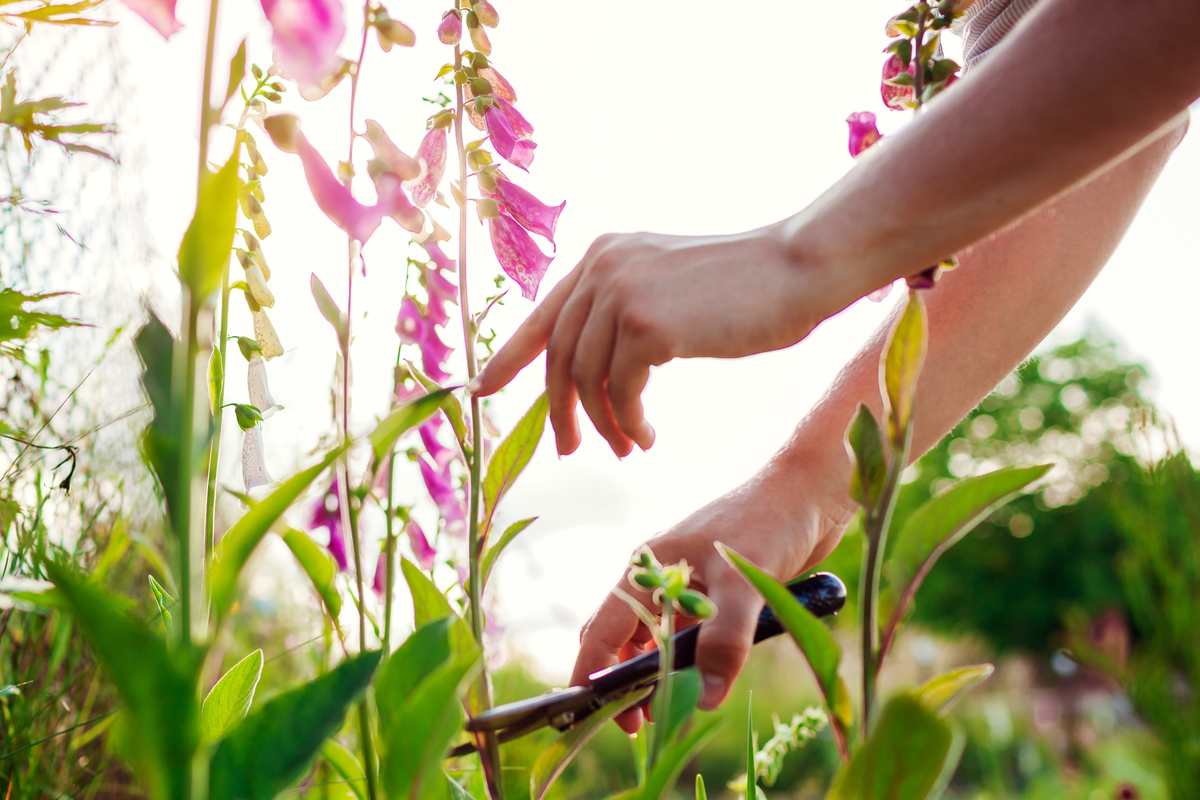
Wearing gloves (gloves are poisonous), remove the flower stalks from the basal rosette. If there are side shoots, cut the stem above for smaller flowers, if desired.

Deadhead Foxgloves will reduce the millions of seeds produced by your Foxglove plants and are also a great option for keeping your garden tidy.

Plus, this non-native wildflower can out-compete wildflowers if it escapes your garden. This endangers native plants and the wildlife that depends on them.

In areas where foxglove is invasive, decapitation is an important step to protect native plants and animals.

Sometimes deadheading is a good idea, even if you’re saving seeds. All you have to do is inferior flower stems. The result is a healthier, more productive seed supply, with plants that look great too!

It is better to throw away the foxglove stem than to compost it. The seeds will live in the compost (unless you make it hot) and spreading it around your garden will also spread the foxglove seeds.
With mottled, speckled, and stunning blooms in late spring and early summer, it’s good to know what to do with foxgloves after they bloom.