
How to keep tulip bulbs after flowering When the leaves start to wilt, it’s time to remove bulbs. We’ll cut the stem and keep the ampule for an entire year. We will keep it in a metal container and cover it with rather dry silica sand.
What to do with the bulbs after flowering? After to bloom there What let What completely dry leaves without stopping watering until then. As we said, we will help What underground organs accumulate reserves. Some bulbsPerennials can be left in the ground for several years and will continue to produce flowers every season.
How to store flower bulbs?
How to store THAT IS Save the bulbs In autumn and winter
- – Wait for the plant to dry. …
- – Let them dry before putting them away. …
- – Clean the well ampule. …
- – Store them individually by wrapping them in newspaper. …
- – Save all bulbs of the same plant in a cardboard or wooden box. …
- – Label the plants.
What to do with flower bulbs? If it’s about bulbs resistant we can leave them in the ground until the next season. This option has a specific name and is called “naturalize” the bulbs. Once you have dried the flowers, they cut; and once the plant is dry, we do exactly the same thing at ground level.
When to plant flower bulbs? Fall is the perfect time to plant bulbs which will bloom in the spring. Most bulbs can be planted until the ground I know freeze.
When to transplant bulbs?
doWhen they are planted bulbs?
- bulbs autumn: they are planted in September, October and November.
- bulbs winter: they are planted in December, January and February.
- bulbs spring: you can plant them during the months of March, April and May. …
- bulbs summer: you can plant them during the months of June, July and August.
How long do the blisters last? When properly stored at the correct temperature, their bulbs they can last up to a year without being planted. But this long shelf life doesn’t mean you have to wait a year before planting your bulbs. How much The earlier you can plant them, the better the chance they will produce healthy flowers.
How to enlarge the bulbs? The”fatten” of bulbsinvolves planting bulbils of tulips, which are cultivated for harvest at the end of the season, seeking to ensure that they grow and reach the right size to be exported as vegetative material and suitable for replanting for flower production.
How much should the bulbs be watered? Important points when water bulbs: Watering frequency: in the spring you can water 2 to 3 times a week, even 4 in full bloom. For the winter, it will be necessary to reduce to 1 time per week. Irrigation method: Drip or hose.
How to prune the bulbs?
How to plant flower bulbs in pots?
How do bulbs multiply? The multiplication of bulbs and corms is made by separating the bulbils or shoots formed around the ampule original and plant them. That yes, flowering loses quality from one year to the next, so the bulbs New ones are usually purchased every year.
Why don’t bulbs bloom?
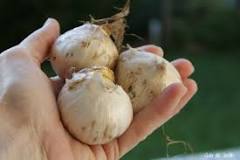
A ampule forced will no longer bloom because you will have exhausted your reserves. If you want, you can try planting it in the ground and fertilizing it to build up the nutrients, but I can’t guarantee it will bloom again.
What bulbs can you plant now?
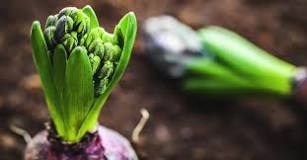
5 bulbs that Again you can plant
- TULIP.
- MUSCARIS.
- CROCUS.
- IRIS.
- SAFFRON.
What bulbs can you plant in winter?

Hyacinth, daffodil and amaryllis are the bulbs that are best suited to the months of Winter.
Which bulbs bloom in summer?
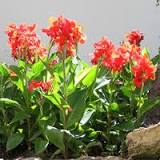
The list of flowering bulbs during summer It is infinite, like much of its beauty: Indian reeds, lilies, water lilies or calla lilies, amaryllis, gladioli, tuberose, morning glory, crocosmias, dahlias, tuberous begonias, agapanthus, lily of the valley…
What to do when the hyacinth flower dies? There’s no what to do any. It’s the most grateful bulb when I know has a balcony or terrace. You have to cut the flower Once I know has dried out and leaves the leaves to continue their photosynthesis. This nutrient recovery process normally lasts until almost summer.
How many times a year do tulips bloom? The tulips are blooming in the spring and for that, they must be planted in the fall. If sown before the ground becomes cold and hard, good growth and good flowering can be obtained.
What to do with tulip bulbs after they bloom? – Related issues
What are light bulbs used for?
The definition of ampule is any plant that stores its entire life cycle in an underground storage structure. The main function of these underground storage structures is to store nutrient reserves to sustain the plant.
How to enlarge the stem?
- Pay regularly. The subscriber is essential, especially for plants that are in pots (and more so if they use sandy substrates that lack nutrients). …
- Include sandy substrates. …
- Use large pots or pots. …
- Plant the tree in the ground. …
- Keep the trunk with a few branches. …
- Avoid placing stakes.
What do bulbs provide?
vegetables from ampule Provides vitamins C, B1 and B6, as well as selenium, a mineral involved in the functioning of the immune system.
How to root bulbs in water?
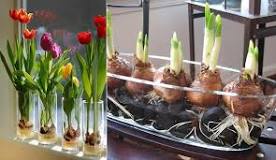
how to plant bulbs in water To do this, you will need a container that does not allow the ampule completely submerge. For it to grow well, there should be less than half of the ampule soaked in Waterand change it every ten days to prevent fungi from growing and rotting the plant.
How many times a year do hyacinths bloom?
The hyacinths bloom of them time. The first is the prettiest and usually lasts two weeks. When finished, you must remove all debris and leaves in poor condition to help the plant have the second flower.
How to prune the bulbs?
How to multiply the bulbs?
The multiplication of bulbs and corms is made by separating the bulbils or shoots formed around the ampule original and plant them. That yes, flowering loses quality from one year to the next, so the bulbs New ones are usually purchased every year.
How to enlarge the bulbs?
The”fatten” of bulbsinvolves planting bulbils of tulips, which are cultivated for harvest at the end of the season, seeking to ensure that they grow and reach the right size to be exported as vegetative material and suitable for replanting for flower production.