
Although lamb’s lettuce is not as well known as lettuce, it is an essential part of salads and is rich in nutrients and fiber. Many people want to have them in a vegetable garden but they taste good when to plant lamb’s lettuce. The characteristics and properties of these must be well known in order to know the best time to plant them.
For this reason, we are going to dedicate this article to telling you when to plant lamb’s lettuce, what are its characteristics and nutritional properties.
Properties of canons
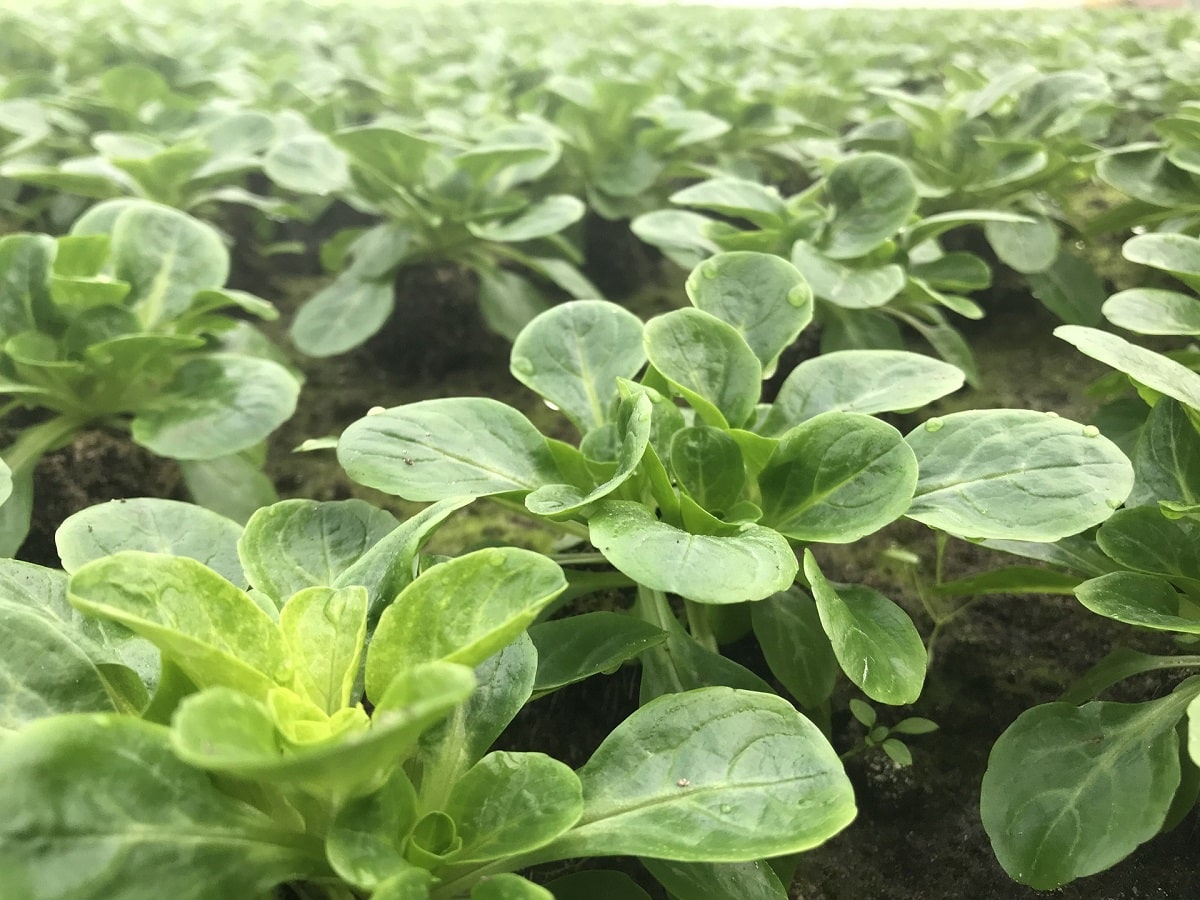
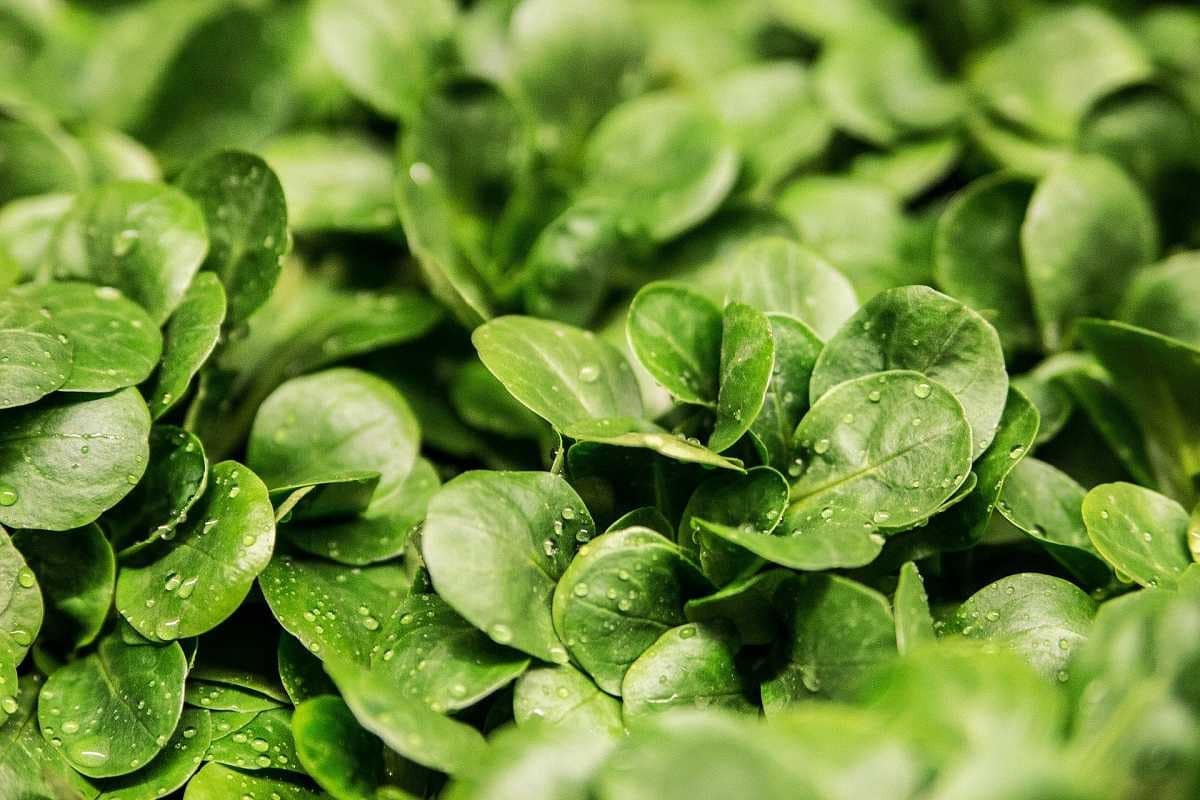
Canons, whose scientific name is Valerianella olitoria, are an herb in the valerian family. They are a leafy vegetable. These chews have high nutritional properties, so we are interested in learning how to grow them in order to use them in our garden. In addition, in the kitchen, they can be used in salads (for example to make lettuce paper) or steamed like spinach.
Among other things, the canons include the following:
- Fiber
- Iron
- Zinc and magnesium.
- Sodium, Potassium, Phosphorus and Selenium.
- Vitamins A, C and E.
- Tamine and Riboflavin.
In addition, the guns have diuretic, laxative and activating properties. So it is convenient for us to have it in our garden. Considering all the above, it should be known that if you plant corn salad and let it flourish, you can harvest almost all year round. Concretely, the culture of lamb’s lettuce can last up to 10 months.
When to plant lamb’s lettuce
You should know that lamb likes coolness and cold and winter. So start sowing in August and September so that they gain strength in autumn and winter. We will grow lamb’s lettuce in a cool, moist, shady place. Overheating is usually one of your worst enemies, as is dryness.
Unlike most crops, lamb’s lettuce can be grown in the shade. In fact, they will thank us. It generally prefers shady places. The most important thing is that the land is well cultivated and free of weeds. Weeds are an obvious competitor to lamb’s lettuce, so we need to keep the soil very clean. They prefer firm soil to loose, airy soil. In addition to this, they also like cool soil.
Cannons don’t require a lot of fertilizer. They are not very demanding in this regard. Therefore, the own remains that remain on the ground are sufficient. These residues can come from dead leaves, previous crops, homemade compost, etc. Anyway, a good helper can be well-fermented compost or worm humus. If the soil contains manure or organic matter, it must be completely decomposed.
As a herbaceous plant sown in autumn and winter, it does not require much water. The soil will remain sufficiently moist due to the rain and overnight humidity. However, in the dry season (not because of the cold, but because of the lack of rain), it is advisable to use lamb’s lettuce. Again drip water is ideal, if it rains we will have to water it more often. With drip irrigation we can program a daily irrigation of about 30-45 minutes.
lamb’s lettuce culture
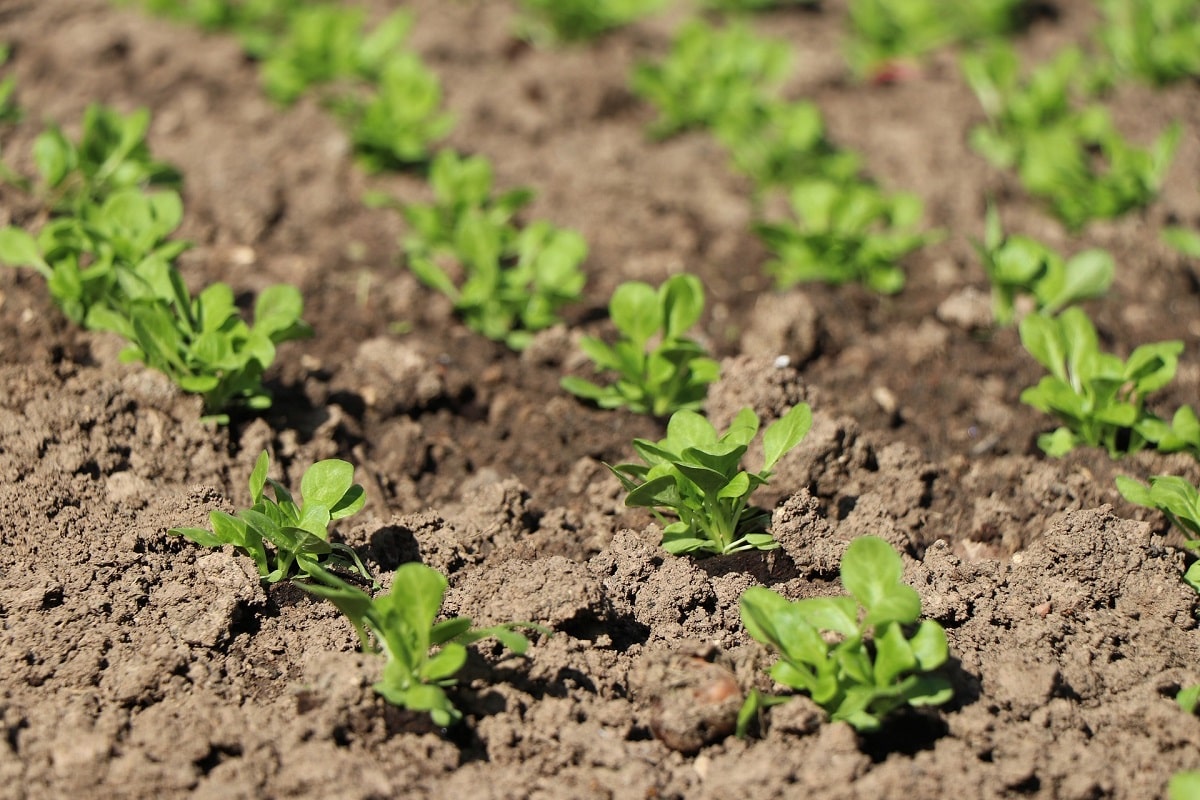
Sowing cannons is not an easy task. This is because new seeds tend to germinate poorly, so, if possible, look for ones that are at least two years old. You can take the corn salad seeds and place them in a row about 20 cm apart. As we mentioned, the sowing of lamb’s lettuce will begin in July to allow harvesting in autumn and at the beginning of winter.
One trick is to put straw on the land where we grow the lamb’s lettuce to help prevent weed growth and, more importantly, to keep the soil moist enough. Something our classics will really appreciate.
We can too harvest lamb’s lettuce all winter or even early spring if planted and well cared for. To harvest them, simply cut off the larger leaves.
Since it is a winter plant, it usually does not have many pests or diseases. Its worst enemy is rot, excess humidity or drought. To avoid rot, we will remove those yellow or rotten leaves that we see.
Another problem that can arise due to the moisture required by lamb’s lettuce is fungus. We must be especially careful that yellow spots do not appear on the leaves, in which case we will prune them immediately.
They tend to get along with almost all cultures, but especially with:
- turnips
- leeks
- cabbage
- carrots
- Onions
Properties
To preserve all their taste properties, it is important to consume them as soon as possible after harvest. They can be stored in the refrigerator for a few days, after which they will almost completely lose their delicate, slightly sour, nutty flavor. Remember, all vegetables eaten fresh must be washed very well under the tap, even those that we produce directly, we irrigate with clean water, and we cultivate without paying. They should always be washed. Lamb’s lettuce is rich in vitamins (several of groups A, C and B), and they provide us with more potassium, iodine and phosphorus than other vegetables, and no sodium.
Soil preparation for sowing
Soil condition is perhaps most critical for post-season crops. They need fairly fertile, well-cultivated soil.
If you are planting in an area with good soil fertility from the previous crop, replanting may not be necessary. Otherwise, apply one or more mature organic fertilizers at least a few weeks before.
planting distance
This aspect is not important. but it facilitates subsequent care and makes the lamb’s lettuce of better quality. They grow in less time. They can be sown or planted in rows. If you have enough space and you are going to grow a lot of plants, it is best to place them in rows, leaving about 20 cm between them.
The day before sowing, the seeds can be soaked in clean, chlorine-free water. This can be skipped, but if it is, germination will be faster and better.
Once the soil is prepared, there is a good temperature (some humidity) and favorable days, the following measures can be taken:
- Lay the seeds: This vegetable can be sown directly in the field, known as seat planting, or in a nursery for later transplanting, although the former option is much better. If done in rows, they make a path through the ground. You can also use a stick or your finger to make small grooves and place them. On the other hand, for planting, they are evenly distributed.
- cover the seeds: these are small seeds that should not be buried deeply, at most 1 cm deep. There are two ways to replace them. The first is to pass a cultivator through the area they are planting so that when the soil is removed, the seeds fall down and are covered with it. The second method is to put a small layer of soil on top of the seed, if you do this bring soil to the other side or crumble the edge of the furrow where you are planting.
- Walk lightly: Although not strictly necessary, the truth is that it can promote seed germination. This involves lightly tamping the soil in the planting area so that the seeds come into closer contact with the soil.
- Water: Finally, do the first watering with a drizzle to prevent the water from starting the seeds.
I hope that with this information you can learn more about when to plant lamb’s lettuce and its characteristics.