The grocery store has become a bit of a minefield. Is it better to buy grass-fed beef, or can I just buy a big chunk of grain-fed beef? What’s the difference, anyway?
Maybe you’ve been buying grass-fed beef for years, but rising prices are making you reconsider. Or maybe you’ve heard that grass-fed beef is healthier than grain-fed beef and you’re trying to improve your diet? Thinking of raising cattle yourself and not sure where to start?
It can be hard to tell what a marketing gimmick is and what makes a real and noticeable difference in how your food was nurtured and raised.
What does it mean to be “done with grass?”
Food can be a tricky subject. With prices rising and supplies dwindling, many of us are wondering what to compromise on. What about meat – can I afford it? Or is it okay to compromise on quality? What are the facts ?
Cattle spend most of their lives eating grass and hay. They are often fed grass and hay mixed with additional grain (usually in the form of pellets or corn or soybeans). Supplementary grain helps cattle gain weight quickly. Grain-fed cattle reach market weight sooner, producing fatter and more tender cuts of meat in general.
“Grass-fed” beef refers to cattle fed a diet consisting almost exclusively of pasture, hay, and silage. But grass-fed beef can also be grain-finished.
This means that even though the animal ate grass for most of its life, it received additional grains towards the end of its life to increase weight gain and add some fat. Cereals in those last 4-6 months can change the flavor, texture, and even health benefits of meat a lot.
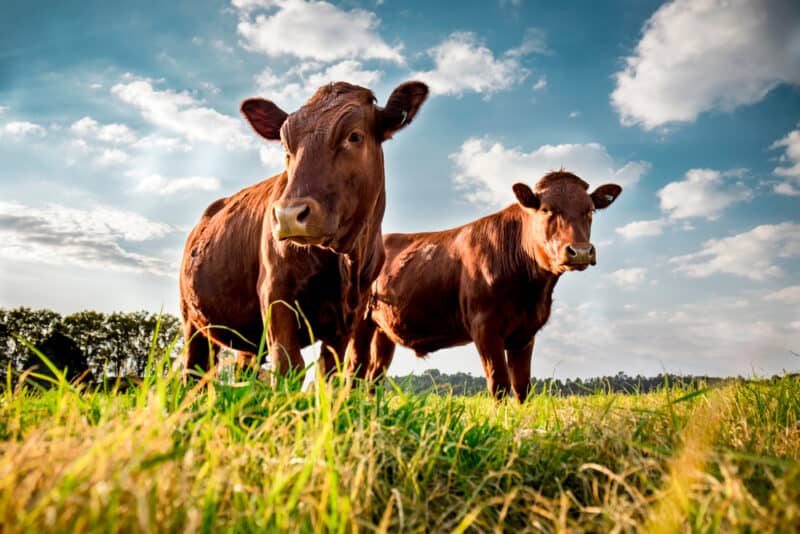
Grass-finished beef refers to beef that has been grass-fed throughout its life without being fed any additional grains.
Grass-fed beef tends to be leaner than grain-fed beef, with less marbled fat in each cut. Grass-finished beef also tends to have a more complex flavor – some people say it’s slightly gamey, although I’d say it tastes beefier.
The difference in flavor may be in the type of grass the animal has been eating for most of its life. Large-scale grass-fed beef tends to eat mostly commercial hay and silage, while small-scale beef eats more forage on pastures with a greater variety of plants.
Is grass fattening organic?
Many people consider grass-finished beef to be comparable to organic beef, but the two differ. Since we often imagine grass-fed cattle roaming freely through green pastures and consuming only fresh, green grass, we assume they’re not getting anything that isn’t organic.
In reality, grass-fed beef can receive as many antibiotics and “growth hormones” as grain- and grass-fed cattle.
Unless your store-bought, grass-finished beef specifically says “USDA organic,” assume the cattle were given antibiotics or hormones.
Of course, if you’re buying beef direct from the farm or raising your own, labels are less important. You can ask your local farmer how he feeds his animals, how often he uses antibiotics, and whether or not he uses growth hormones.
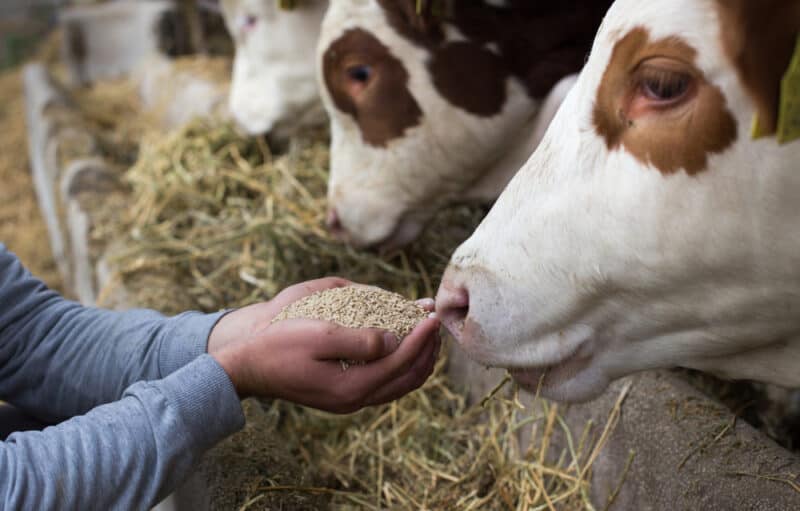
I buy my beef from a local farmer who has raised cattle for beef and milk all his life. He is not certified organic and his cattle receive grain. But the grain they get is farm grown – some oats and corn.
Their days are spent grazing in the sun during the warm seasons and munching on home-grown hay in the winter. I’m happy with the balance it strikes between mostly grass-fed and slightly grain-finished.
The terms “grass fed” and “grass finished” are not USDA regulated terms. This means that there are no consistent standards as to what constitutes finished grass. When buying beef at the grocery store, far from the farmers who raised the animals, it can be difficult to know if the label is worth the price.
The differences between grass-fed and grain-fed beef
Cattle are designed to graze on pasture. Naturally, they feed on grasses, wildflowers and other field plants that grow in grassy areas.
A steer in a pasture may eat almost continuously throughout the day – wandering from one part of the pasture to another. If there is a variety of grasses and grains in the field, livestock will naturally consume a wide range of feeds.
But most pastures are not as variable as our animals might like. And if an animal is grazing on less than ideal pasture, it sometimes needs supplements. Even farmers who finish the grass will set up salt licks for their animals to ensure that all the trace minerals are available.
But even with all the nuances surrounding grass-finished beef, there are some noticeable differences between grass-finished and grain-finished meat. It all depends on what you want from your meat.
fat content
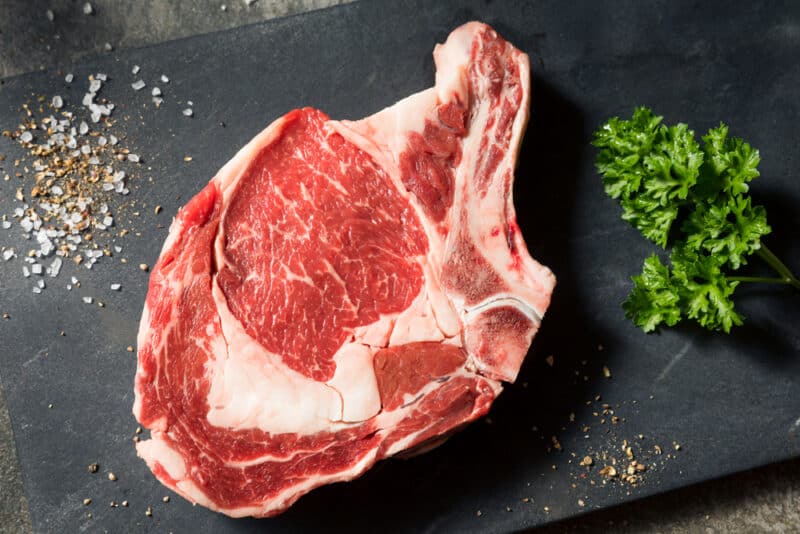
Despite this supplementation, grass-fed animals will grow more slowly, and their meat shows it. Animals that grow very quickly tend to have more fat than animals that grow more slowly. Grain-finished beef is marbled with fat. This marbling leads to increased tenderness and a sweet, buttery flavor.
The fat from grass-finished beef is generally richer in flavor. It makes fantastic suet. Grain-finished beef fat has a milder flavor, and depending on the quality of the grains, it can sometimes feel like your meat is too fatty.
But the marbling of grain-finished beef also allows you to cook it longer, at higher temperatures, without drying out the meat. This extra fat melts into the meat, tenderizing it as it cooks. It is much easier to overcook grass-finished beef than grain-finished beef because grass-finished beef is lower in fat.
If you’re going to cook grass-finished beef for long periods of time, slow cooking, with added fats, is best.
Omega 3 and 6
More important than just the fat content is the difference between omega 3 and 6 in grass-finished beef versus grain-finished beef. Our modern diet is uncomfortably high in omega 6s. The ubiquitous presence of seed oils in almost all processed foods contributes to this imbalance.
Due to the abundance of soy and corn in livestock feed, grain-finished beef is also high in omega-6 fatty acids. The ratio of omega 6 to omega 3 in grain finished beef is generally around 9:1. In grass-finished beef, the ratio is closer to 2:1 – a much healthier balance.
Since healthy levels of omega-3 fatty acids help reduce inflammation in the body, if you’re struggling with one of the many inflammatory diseases prevalent today, switching to grass-fed beef can be extremely useful.
Many people choose small farm grass-finished beef for this reason. I specifically chose my local farmer’s mostly grass-finished beef to make bone broth for my mom during her cancer treatments.
His farm has many repeat customers with Crohn’s disease, cancer and fibromyalgia who have seen improvement on a diet rich in grass-fed beef.
Environmental impact
If you’re worried about the impact of your beef consumption on the environment, grain-finished beef is a bit better than grass-finished beef. The difference is minimal, but because grain-finished beef reaches its slaughter weight faster, it produces fewer greenhouse gas emissions than grass-fed animals.
Some people would say that cutting beef out of your diet would be the best choice for the earth, and anything else just cuts hair. But the truth is a bit more complex than that.
Raising animals for meat has such a small impact on the environment, and projections of what might happen if everyone gave up meat rarely take into account the environmental impact of mass consumption of alternatives. herbal.
But if you’re looking for beef with less impact on the earth, grain-finished beef is your choice. And the grain-finished beef raised on your own property is the best.
Cooking time
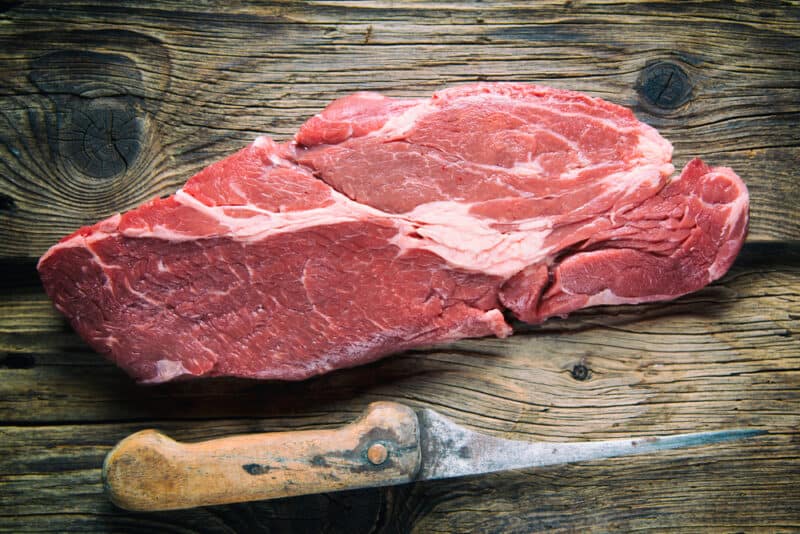
If you’re cooking grass-finished beef, expect about 30% less cooking time. Cookbooks from the 1950s rarely take this into account. Adjust your recipes accordingly. If you have older cookbooks — especially if, like me, you like collecting old cookbooks or collections of traditional recipes — most of these recipes will be written for grass-finished beef.
To retain the rich, natural flavor of grass-finished beef, thaw it slowly. Ideally, let it thaw in a cool place, like the refrigerator, for 24 hours. Heat a small amount of butter, lard, suet, or bacon grease in a skillet to sear the juices.
Well-done grass-finished beef is rarely as good as well-done grain-finished beef. There is not enough fat on the meat to withstand such long cooking.
But medium, medium rare, and rare grass-finished beef is usually better than grain-finished beef. Unique and complex flavors are locked inside and all nutrients are ready to be absorbed.
Was this article helpful?
Yes No ×
We appreciate your helpful feedback!
Your response will be used to improve our content. The more feedback you give us, the better our pages will be.
Facebook pinterest