
Image – Flickr/Charme Arts
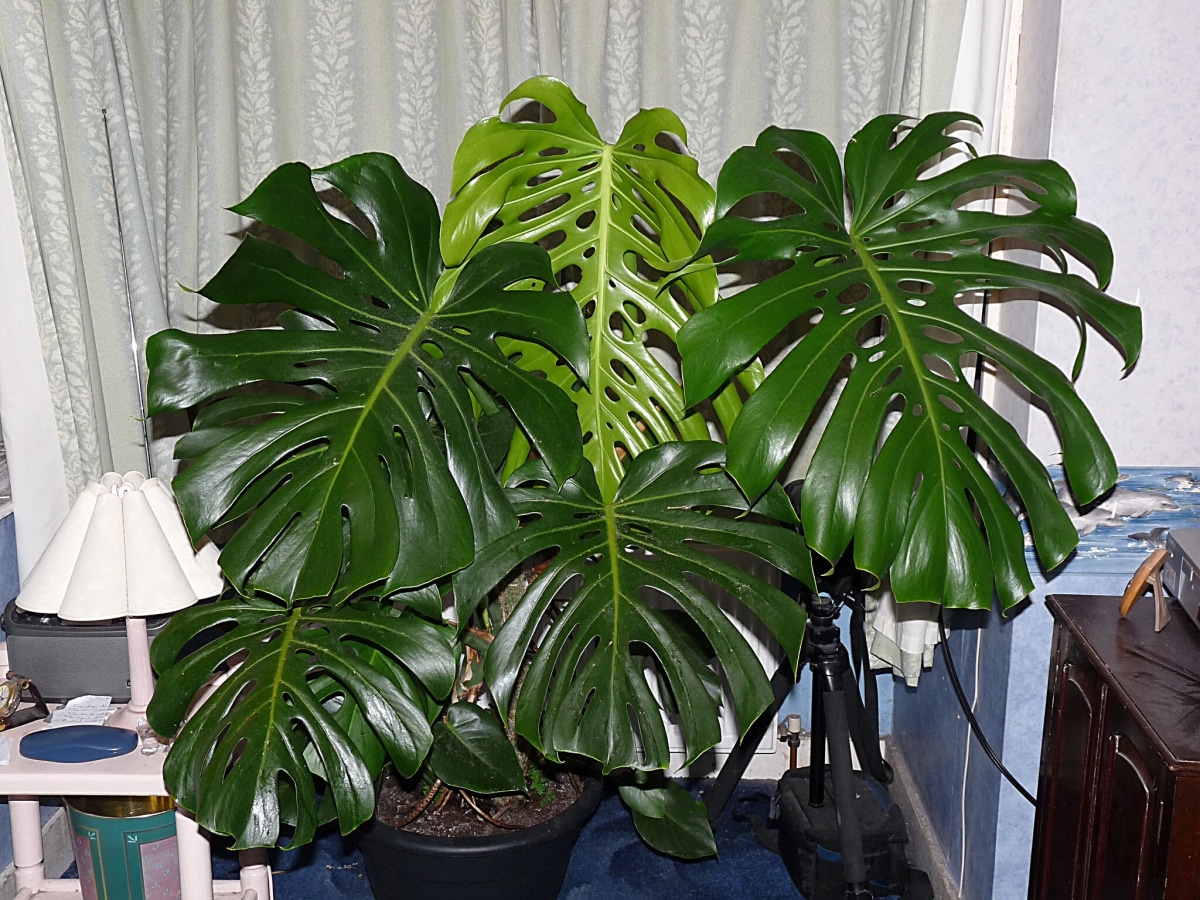
Monstera is a tropical plant that can grow very tall. It’s a feature that many of us love, as it’s a joy to be able to enjoy a plant like this, whether inside the house or outside when the temperatures allow it. allow. For that we are very worried when we see some leaves turn brownBecause it’s normal for us to think something is wrong, and we need to take action to prevent the problem from getting worse.
But while it’s true that when something happens, the leaves are usually the first to show visible symptoms, it’s also true that some problems have a simple fix. To give you an idea, below I will tell you what are the possible reasons why monstera can have brown leavesand what should you do so that it does not get worse.
The leaves have a limited life expectancy.
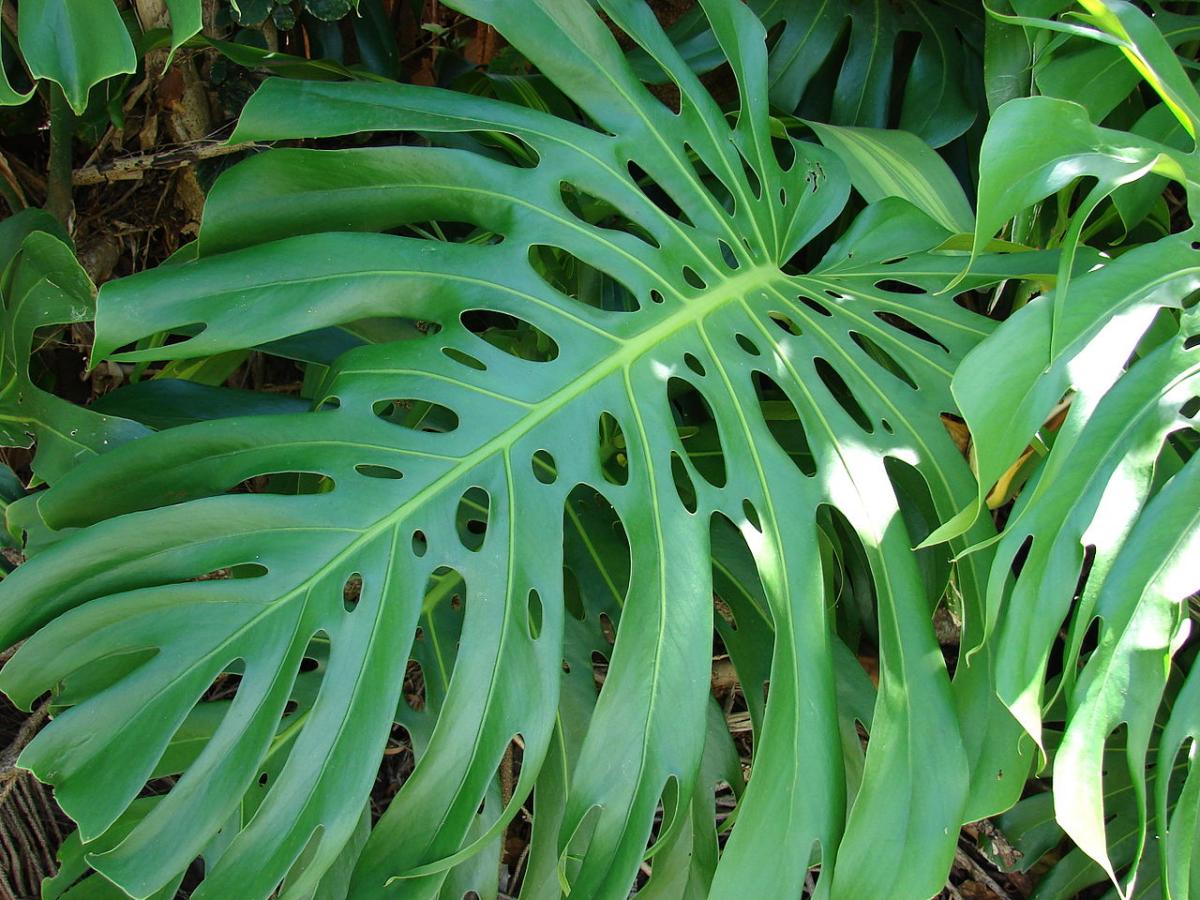
Image – Wikimedia/Forest & Kim Starr
In other words: browning leaves may simply have reached the end of their life. This is not a problem, but it is a completely natural phenomenon and does not imply that the plant is sick. All of them, whether trees, palms, grasses, etc., do the same.
But, how do you know it’s happening to the monstera? Well, it’s easy: the first leaves to die are always the lowest, because they are the “oldest”, and therefore those who have been in office for the longest time. The rest of the plant remains green and healthy; if not, there would be a problem.
it is starting to get cold
Your monstera is far from home? It’s a bad idea if the temperatures drop below 0 degrees and you’re not protected, because Although it resists cold, frost causes irreversible damage.. So if you see the leaves turning brown quickly and there are no other symptoms, especially if this happens during fall-winter, your plant is probably cold.
So take it home and cut off anything dry (i.e. brown).
It is exposed to drafts (indoor)
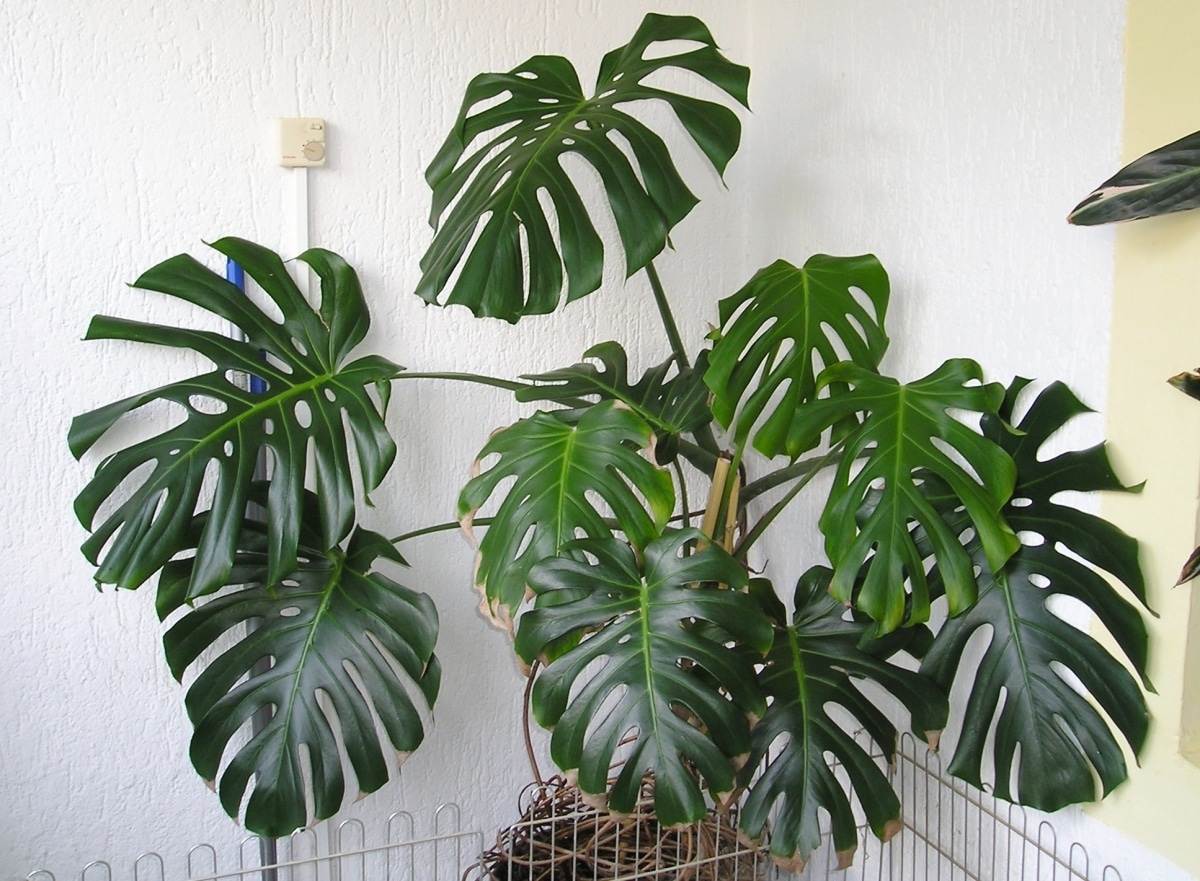
Image – Flickr/Maja Dumat
It’s a problem you don’t usually think about when you have houseplants, but it’s one of the most common. Drafts from fans, air conditioning (hot or cold), and other appliances cause the leaves to turn brown.. Because? Because they dry out the environment and plants, like monstera, have a hard time staying hydrated.
Fortunately, it is solved simply by changing parts.
Need more light or clarity

Related article:
Monster care
This is something that also happens a lot indoors: the monstera is a plant that cannot be placed in a dark room, because its leaves would eventually lose their color and turn brown. For him, It is very, very important to place it where there is plenty of light, but no direct light.
In its place of origin, it grows in the shade of other plants, so its foliage will not withstand the direct impact of the sun’s rays that may enter the house.
It has been watered too much or it is starting to be thirsty
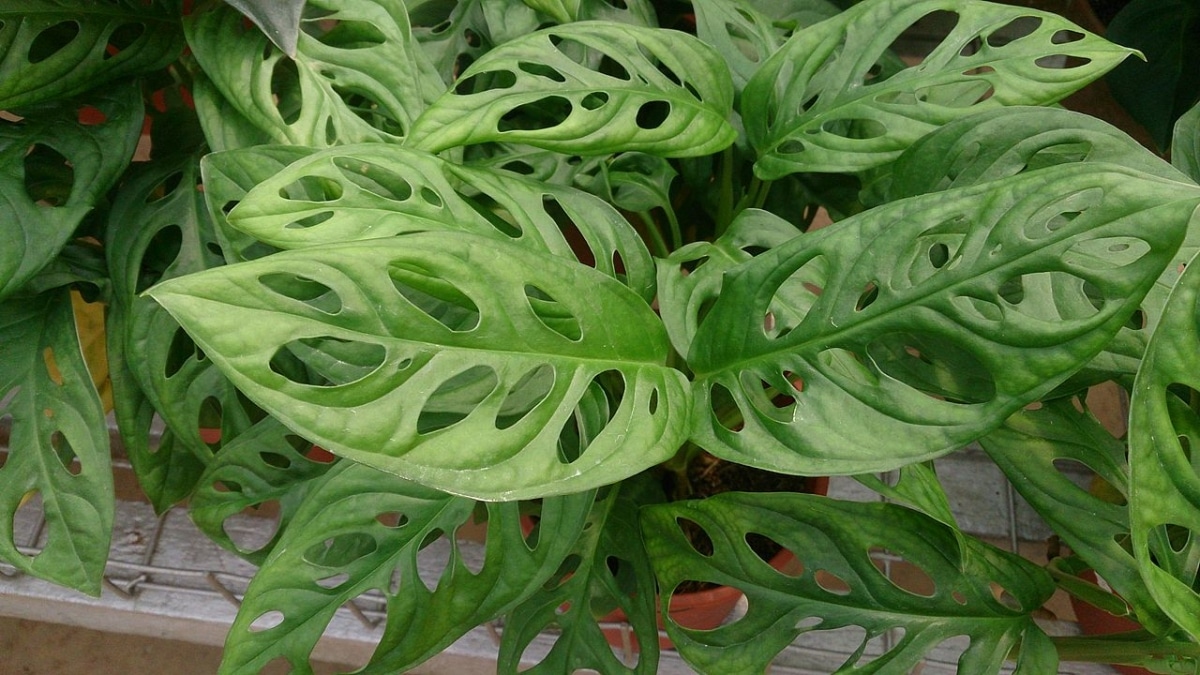
Image – Wikimedia/Mokkie
Irrigation. How is it controlled? Monstera is not a plant that requires a constant supply of water, but neither should we allow the soil to dry out for weeks to the point that the leaves curl up or turn brown. And it is that whenever we have doubts we must check the humidity of the earth, something you can do with a thin wooden stick for example. If we insert it at the bottom and then carefully remove it, we will see if it is wet or not. In the first case we wouldn’t water, but if it was dry then yes.
Now well, How to know if the problem comes from the irrigation? By the symptoms that the plant will show:
- lack of watering: the first leaves to have trouble will be the new ones, since the roots cannot find enough water to quench their thirst. In extreme cases, especially if it’s summer, you can also get scale insects.
- over watering: the first leaves to turn brown will be the “oldest”, since they are the first to receive this water because they are closer to the roots. In addition, the earth will look very humid, and fungus may appear.
To solve the lack of irrigationWhat we will do is water consciously. If the soil is very dry and you can see that it does not absorb water, you will immerse the pot in a basin of water and leave it like this for about half an hour.
On the contrary, if it has been more watered, we will suspend irrigation and we will apply a fungicide (on sale here). Also, if it is in a pot without holes, it will have to be planted in another that has one with a universal substrate like this.
has parasites
The monstera is very resistant to pests if it receives the necessary care, but even if he is perfectly cared for, you can sometimes see that he has a cochineal. The most common are the mealy bug and the San Jose louse. The first is easy to identify because it looks like cotton; the second, on the other hand, is more difficult, because it looks like a very small brown scale. Of course, both perch near the leaf veins, and can be removed with your fingers (the San Jose louse is easily removed with your fingernail).
In any event, I recommend applying an insecticide that eliminates scale insects, such as diatomaceous earth (on sale here), which, being a natural product and non-toxic to people or pets, can be used without problems both indoors and outdoors. Here is a video in which I talk about this product:
So hopefully your monstera will stop having brown leaves soon.