
If you are looking for a beautiful, easy-care houseplant, the ZZ plant or Zamioculcas zamiifolia as he is also known, he is a worthy contender. The most common problem you may encounter is yellowing of the leaves of your ZZ plant. This article explains how to fix this problem and prevent it in the future.
Why does my ZZ plant have yellow leaves? The most common reason for yellowing leaves on ZZ plants is overwatering, which leads to root rot. However, yellowing leaves can also be a sign of being underwater, and in rarer cases it can be due to temperature extremes, light problems or fertilizers.
If your ZZ plant has yellow leaves, the cause could be one of many possible reasons. It’s best to research the reasons to make sure you understand what’s making your houseplant unhappy and know what to do. Below, we’ll cover several reasons why your ZZ plant may be showing yellow leaves and some tips to ensure that once the plant is revived, the yellow leaves don’t return.
Top Reasons Why ZZ Plants Get Yellow Leaves
ZZ plants are fairly hardy houseplants, making them a popular choice for people who don’t have a lot of time to spend on plant care. ZZ plants are considered drought tolerant, which is just one of the reasons they are so hardy.
Many people mistakenly think this means the ZZ plant can handle a lot of heat and a lot of sun. The reality is that the ZZ plant can handle very dry conditions, but is less tolerant of high temperatures.
Because a ZZ plant can tolerate a little neglect, it’s often surprising when the foliage begins to turn yellow. It’s a cry for help…a sign that he needs some attention, but what’s causing it and what can you do?
When there are yellow leaves, it’s probably related to your watering schedule. Adjusting when and how much you water your ZZ plant can go a long way toward repairing the damage and reviving the plant.
Below are possible reasons why your ZZ plant’s leaves are turning yellow and what to do about it.
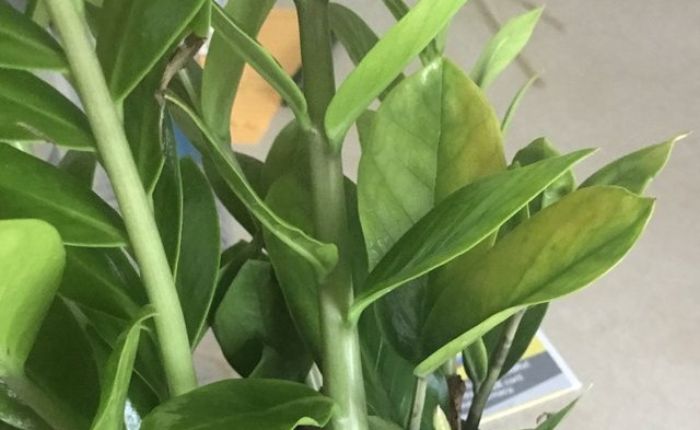
Overwatering a ZZ plant can cause the leaves to turn yellow.
Because ZZ plants are designed to thrive in arid conditions, they can have a negative reaction to overwatering. This is mainly due to fungal growth and root rot that occurs when the root system of the plant is exposed to a humid environment for an extended period of time.
Whether you water your plant too often or don’t drain the soil well, wet roots lead to root rot, which stops the constant supply of water and nutrients to the leaves and the rest of the plant.
When root rot occurs, the root system simply cannot function as it should. This leads to yellowing of the leaves due to a lack of water and nutrients reaching the essential parts of the plant. Sometimes even the yellowed leaves fall off.
What to do if root rot due to too much water is the cause of yellowing leaves:
- The first thing to do is a ground check. Is the soil very wet? If so, you will need to remove the plant from the pot to get a closer look at the actual roots. The roots should be completely white. If not and you see brown spots of rot, you have a root rot problem. Root rot prevents the root from functioning, but if noticed early it can be reversed.
- Use pruning shears to cleanly cut the root rot. Remove the most severely affected roots and incise healthy roots to stimulate new root growth. Be sure to wash the pruner after cutting the rot. This is because fungal growth contributes to root rot and can spread if it contaminates pruners and other equipment.
- Transplant the ZZ plant into a pot with adequate drainage holes. Discard contaminated soil and use fresh soil. Use a growing medium that drains well to prevent the problem from recurring. Water the soil, but only to slightly moisten it. You should let the soil dry out completely before watering again.
Flooding a ZZ plant can cause the leaves to turn yellow
A ZZ plant doesn’t need a lot of water, so it can be easy to water everything together. The drastic lack of water will cause the leaves to change color, wilt and drop. This can be quite disturbing for the houseplant lover!
If your plant’s soil is very dry, flooding may be the problem. The good news is that your ZZ plant can recover quite quickly by adjusting your watering schedule.
What to do if your ZZ plant turns yellow because it’s underwater:
- Water the houseplant slowly, but do not wet the soil. When a plant is low on water, it can be tempting to do the exact opposite and overwater it. Be careful with your water.
- Be sure to drain any excess water from the drain pan. Do not leave the plant in water.
- If you want to improve health and nutrition, you can add soluble fertilizers to your water mix. Just mix it up to half the dose recommended on the package.
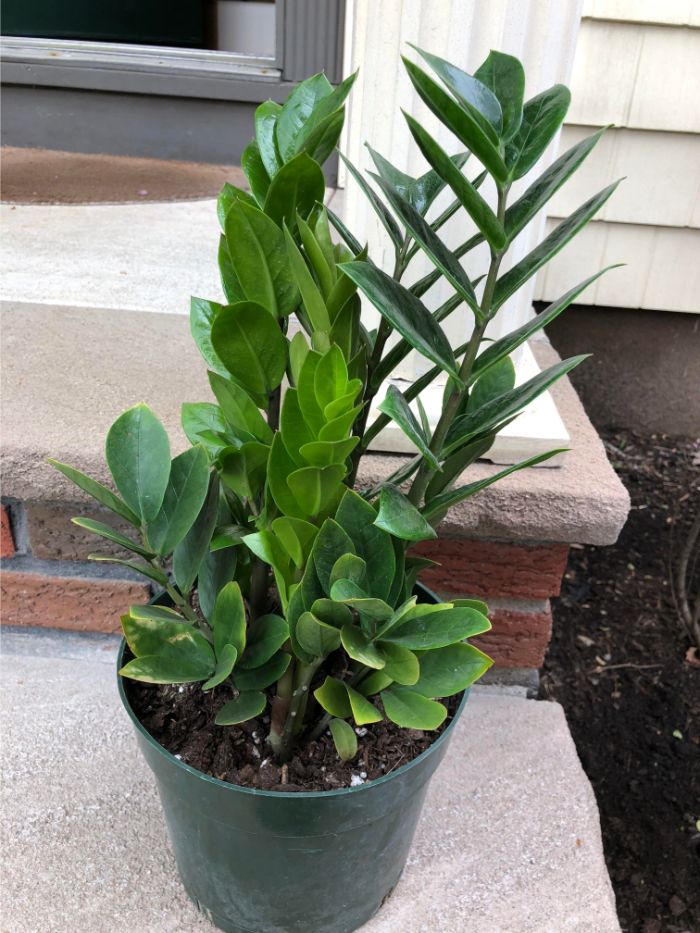
How much water does a ZZ plant need?
Since too much and too much water are major causes of yellowing leaves, it’s important to keep an eye on your ZZ plant’s water needs. How much water you irrigate your ZZ plant with depends on many factors, such as temperature, humidity, sunlight and ventilation of the growing environment, pot size, and your ZZ plant.
I wrote an article on how to tell when houseplants need water. Master this skill and you won’t have to worry about water problems in your houseplants anymore.
Most ZZ plant owners report that they can water once a week in the summer and once every two to three weeks in the winter. However, it is best to do a soil check before watering.
Let the soil dry out before watering the plant again. It is not healthy to keep the roots of ZZ plants continuously moist. When watering the plant, generously soak the soil. Empty the saucer no later than 30 minutes after watering, so that the plant does not get excess water.
Excessive light can cause yellow leaves
ZZ plants can generally tolerate a variety of light conditions. They tolerate low light fairly well, making them an excellent houseplant for dull corners. However, they are less tolerant of excessive direct sunlight.
If your ZZ plant receives more than 4 hours of direct sunlight per day, consider lighting as a cause of yellow foliage. If there is too much light, the plant has a higher risk of brown spots or brown spots on the leaves due to sunburn.
When in doubt, move your ZZ plant to a location with bright but indirect light. This rules out this potential problem and hopefully helps your plant recover.
Nutrient imbalance can cause yellow leaves on ZZ plants
Although it is quite tolerant of imperfect growing conditions, it is quite possible to get yellow leaves due to nutrient deficiency or excessive fertilizer application.
In general, you should only fertilize ZZ plants once a month with a balanced, water-soluble fertilizer. Do this with no more than half the strength recommended on the package to avoid the risk of burning nutrients.
If you fertilize your ZZ plant more than once or twice a year, it is highly unlikely that a nutrient deficiency is the cause of the yellow leaves. If you have fertilized your ZZ plant more than once a month or used too strong a solution, rinse the pot with plenty of water to remove excess nutrients. You can also transplant your ZZ plant into cool, well-drained potting soil.
How to treat ZZ plants with yellow leaves?
We have already seen what to do if root rot has occurred, but what to do with the rest of the plant. Yellowed leaves and discolored stems should also be treated. First, remove the ZZ plant from its pot to protect it from soil conditions if too much water has been the problem. Follow these tips to run your ZZ plant well:
- Get rid of the affected areas. You can start by pruning the yellow leaves. If every leaf is yellow, you may need to leave a few. The plant needs some leaves for photosynthesis.
- Check that the stems of the plants are not contaminated. If one of the stems is yellow, cut it where it grows to the tuber. The plant should resume healthy growth once recovery begins.
It’s important to act quickly when your ZZ plant begins to get sick. At the first sign of yellow leaves, spend time researching possible underlying causes. When you understand why leaves change color, you can come up with a treatment plan that works for your specific plant.
What a ZZ plant needs to be happy
There are 3 main variables your ZZ plant needs to be healthy and happy. These are the right amount of light, the right amount of water, and moderate temperatures.
A flowering ZZ plant has thick, waxy leaves that are firm and filled with water. Yellowed and dry leaves are a sign that something is wrong. Your ZZ plant needs:
light
ZZ plants need lots of bright, indirect light. They do not like direct sunlight. Leaving your ZZ plant in direct sunlight will scorch the leaves. The plant will do well in a room with lots of natural light.
Water
Too much or too little water can be detrimental to the ZZ plant. You need to get the amount and the right time. As mentioned above, you should water the plant after assessing the dryness of the soil and the condition of the plant, rather than following a strict schedule.
Temperature
ZZ plants thrive in temperatures between 70°F and 90°F. These plants can survive slightly cooler temperatures down to around 50°F. If it gets colder, the plant will suffer.
Last word
A ZZ plant is a great addition to any home looking for a beautiful, low maintenance houseplant. If your plant’s leaves are turning yellow, it’s probably due to improper watering. Be prepared to change your watering schedule and hopefully your beloved ZZ plant will regain its health.