

Image – Wikimedia/KENPEI
Why can the magnolia have brown leaves? Well, there are several reasons. Some are nothing to worry about, but others are because if we don’t fix them, they could be leafless in less time than we think.
So if you have someone who is starting to get a “bad face” and would like to know what is wrong with them, let’s take a look below at why it happened to them and what to do to get over it.
These leaves have reached the end of their life

Image – Wikimedia/KENPEI
I start the article by telling you about the reason that should worry you the least. The leaves of magnolia or magnolia (these are the same), although the species in question is evergreen, this does not mean that the same foliage lives on forever. In fact, the leaves have a limited life expectancy, which can range from a few weeks to a few months (rarely exceed the year).
For this reason, the Magnolia grandiflora, which is evergreen, drops older leaves throughout the year; while hardwoods lack it throughout the fall-winter. It’s something completely normal and, as I said, we don’t have to give it importance.
You receive more or less water than necessary
The magnolia is a tree, or a shrub depending on the species, which cannot stay long without receiving a drop of water. But its roots can’t stand excess water either, much less flooding. For him, if the leaves begin to turn brown, we will have to ask ourselves if we are watering it with the right frequency.
And that’s it, suppose we water it less than it touches. In this case, the leaves that turn brown first will be the oldest., that is to say the lower ones, since they are the first to receive this water; but if, on the contrary, he is thirsty, it will be the most recent who will fall ill first. What to do in each case?
- Excess water: if the magnolia receives a lot of water, we will see that the earth is very humid, which we can check if we introduce a thin wooden stick, because when we immediately remove it, we will be able to observe that it is humid , with stuck earth. Well, to get our plant back, what we’re going to do is stop watering – temporarily – until the soil is dry. In addition, we will apply a systemic fungicide so that fungi do not spoil it. And if it is in a pot, it is highly recommended to make sure that said container has holes in its base, otherwise if we want to keep it, we should remove it from there and plant it in the one that does.
- Lack of water: in case of thirst, it will be much easier to recover it, since it will be enough to water. But be careful, you have to pour water on the ground, making sure that it is well soaked.
And from there, we will have to change the watering frequency (i.e. water less or more depending on the problem) so that this does not happen again.
Problems with water and/or soil pH
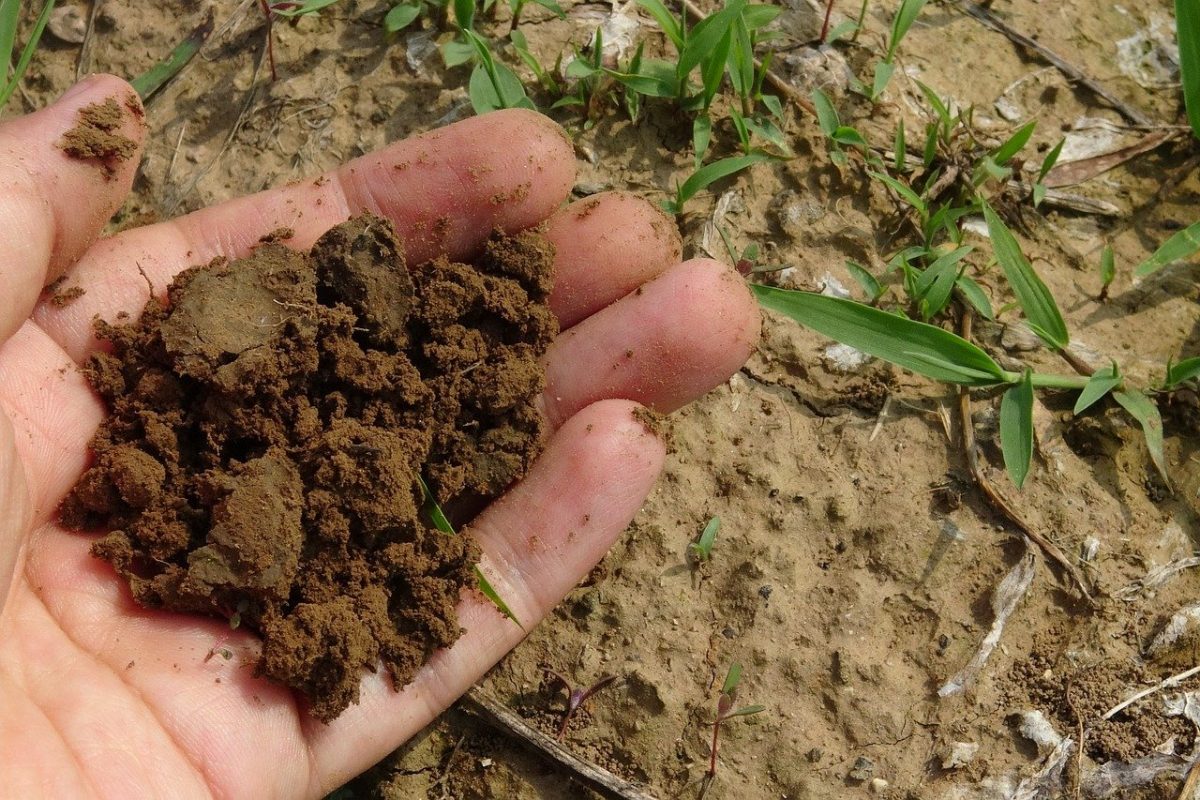
pH, or hydrogen potential, is a value that indicates how alkaline things are. (water, earth, soap, skin, etc.). On planet Earth, soil pH is different depending on where you are: for example, in East Asia acid soils are common, while in the Mediterranean region soils are mostly alkaline or clayey.
Plants that live in an acid environment, for example, cannot grow in an alkaline environment. because they would lack iron or manganese; and vice versa either: calcareous plants would have a lot of problems in acidic soil, because they would lack calcium.
Related article:
The importance of pH, in water and in the substrate
From there, you should know that magnolias are acid soil plants. This type of soil has a low pH, between 3 and 6.5. Also, it is important to keep in mind that this pH can go down or up depending on the pH of the water you receive. Thus, if the water has a pH of 7 for example, and the soil a pH of 5, the pH of the latter will rise over time; on the other hand, if both (soil and water) have more or less the same pH, there will be no changes or they will be so subtle that the plants will not notice them.
Our protagonists They need soil with a pH between 4 and 6. When it is higher, the leaves will first become chlorotic (yellowish veined with green) then brown.
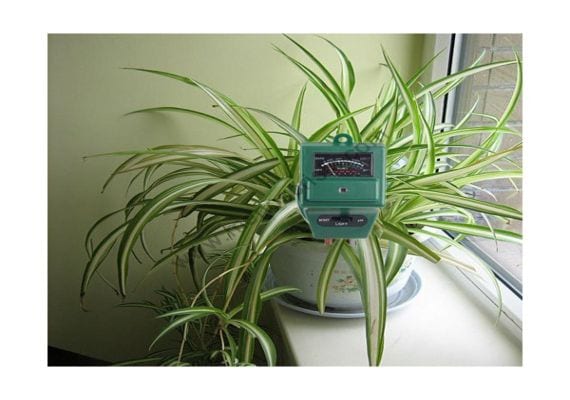
How to recover them? For that What you need to do first is to check the pH of irrigation water and soil, something that is done with a pH meter like this. If one of the two is not between 4 and 6, it will have to be raised or lowered -depending on the case-. For example, to lower it we can use lemon or vinegar; but to climb it we will need crushed limestone. Also, to ensure that the magnolia gets all the nutrients it needs, I recommend fertilizing them in the spring and summer with an acid plant food like this one or the one for green plants (on sale here).
Extreme heat
Another possible cause of magnolia having brown leaves is none other than high summer temperatures. And it is that If the maximum temperatures stay above 30°C and the minimum temperatures above 20°C for several days in a row, the leaves can turn brown very quickly.. This is something I have been able to verify with deciduous magnolias, as they tolerate heat less well than conifers.
What to do? The ideal is put it in the shade, in a cool corner (or at least, cooler than where it is now). It must also be well hydrated by watering it from time to time. And wait.
I hope your magnolia can recover soon.