
Some links in the post are affiliate links and I receive a commission for purchases made through some of the links in the post.
There will be times when you look at your philodendron plant and notice that the leaves are a different shade than before. The leaves of a healthy philodendron will be green in color.
However, the color can vary from green to crimson. There are several possible explanations why your philodendron leaves have recently turned red.
In most of these situations, there is room for significant opportunities for growth and development.
There are times when the leaves of a philodendron begin to turn red. This redness can be caused by anthocyanin pigmentation, phosphorus deficiency or excessive sun exposure.
Additionally, factors such as lack of light or immersion in water can also contribute to the problem. It is also possible that it is a form of camouflage designed to prevent predators from eating new growth.
Causes of Your Philodendron Leaves Turning Red
The red pigmentation you see on your philodendron is caused by a combination of factors from several sources.
Some philodendron plants have a reddish color. Some plants periodically acquire a red tint for various reasons, and it can happen to others.
Anthocyanin pigmentation:
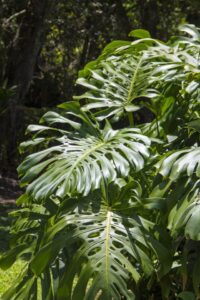 anthocyanins they are a type of red pigment responsible for the red coloring of any philodendron plant.
Within plants, anthocyanins have a defensive function. Just before the onset of autumn, they appear on deciduous plants.
As part of this duty of protection, it is necessary to protect plant cells from damage to the environment.
Anthocyanins have been associated with the maintenance and repair functions of philodendron plants. The primary elements provide the pigmentation that gives your philodendron plant its distinctive red color.
How to cure it ?
It is necessary to control the main factors that contribute to the increase in the concentration of anthocyanin pigments in order to maintain a low concentration of anthocyanins.
In a philodendron plant, the anthocyanins cannot be removed without the help of other chemicals.
Instead, it’s best to identify the components that contribute to the development of red pigment, and then focus on removing those factors from the equation.
Exposure to low temperatures:
Philodendron Plant Similar to many other large-leaved plants, the Philodendron plant can turn crimson during the Winter month.
When the temperature drops, the plant’s metabolism speeds up to produce anthocyanins, which act as a shield for plant cells against the harmful effects of cold.
Anthocyanin contributes to the formation of a red pigment in the leaf.
Anthocyanins have the potential to act as an antifreeze for cells when exposed to freezing temperatures.
Natural processes produce this pigment. Your philodendron plant will not be harmed by its application.
How to cure it ?
The production of anthocyanins during periods of cold weather is a natural physiological response that cannot cause harm.
This eliminates the need to engage in any form of corrective exercise. If you notice your philodendron turning red all winter, immediate action may not be necessary.
On the other hand, if the foliage of the the philodendron turns red during any of the other seasons this may be of concern.
If you find that the room your plant is in has a low temperature, you should take steps to correct the anomaly as soon as possible.
Absorption of salts and heavy metals
Using too much fertilizer or thawing solution on your philodendron plant can cause the leaves to turn a bright red color.
Fertilizers and defrosting products contain heavy metals such as zinc and aluminum in their composition. Again, the plant’s metabolism produces protective anthocyanins, as it identifies certain heavy metals as a giveaway.
As a result, the leaves of your philodendron have turned red. Your growing medium may naturally contain heavy metals.
How to cure it ?
You need to select your soil carefully. Before planting a philodendron, the soil should be tested in the laboratory. Also, excessive use of fertilizers and de-icing agents should be avoided.
Under watering:
Chronic dryness is the result of insufficient watering. Other things can contribute to this shortage. Insufficient root development of your philodendron can lead to persistent dryness.
Extremely long intervals between watering your philodendron plant are the main cause of persistent dryness.
When a plant does not receive enough water, the leaves develop chlorosis and turn red. Redness is sometimes caused by improper planting that exposes the roots of your philodendron plant.
How to cure it ?
Due to the ongoing drought, you will need to water your philodendron plant more frequently. You need to water your plant regularly. Make sure that the roots of the plant are well protected and in good condition underground.
Lack of light:
Like all other green plants, Philodendron plants need light for photosynthesis. Your philodendron plant will lose chlorophyll, turn yellow, and eventually turn red from lack of light.
How to cure it ?
Place your plant in a location where it can receive plenty of sunlight. You may occasionally transport your plant Out of to expose it to natural light.
Pathogen attack:
Philodendron plants turn red and are attacked by viruses, fungi and certain bacteria. These diseases cause red spots, called “war zones”, on the leaves.
Plant metabolic processes produce anthocyanins to defend against invading pathogens. Due to pathogen attack, the redness of the leaves of your philodendron plant is noticeable.
How to cure it ?
It is recommended to use the necessary pesticides to control microorganisms. Eradication of infection vectors such as insects would help a lot in this situation.
A lot of sun:
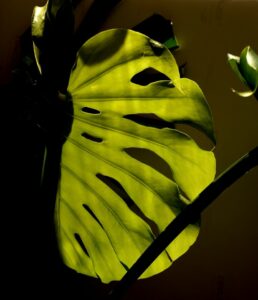 Medium light, such as bright indirect light or sometimes even low light, is optimal for the growth and appearance of Philodendron plants.
What they don’t like, however, is prolonged exposure to direct sunlight, as this can not only burn the leaves of the plant, but also lead to severe dehydration and physical stress.
Various plant species change color in response to physical stress, with red being the most common hue.
In many circumstances this also applies to philodendrons, and is more common in spring and summer when light can be stronger and temperatures higher.
How to cure it ?
If you grow your Philodendron outdoors, you may not get enough shadow or is it in a bad location. Consider placing the plant in the shade of a porch, covered balcony, or tree.
If you are growing your plant indoors, make sure it is at least 12 inches from windows. This prevents direct sun exposure of the plant and provides plenty of indirect light.
final thoughts
blush on you philodendron plant is worrying. This is due to several possible causes of the redness. Carefully examine your plant to find the cause of the red tint.
Philodendron plants are very desirable and you should avoid damaging them.