Plants with a large surface area can produce more oxygen by having more openings called stomata to allow photosynthesis. As a result, they’re a great addition to closed offices and homes, filtering out harmful pollutants. These oxygen-producing houseplants are the best according to science, and growing them indoors can boost your mental toughness, immunity, and energy levels.

List of oxygen-producing houseplants
1. Aloe vera – Aloe vera
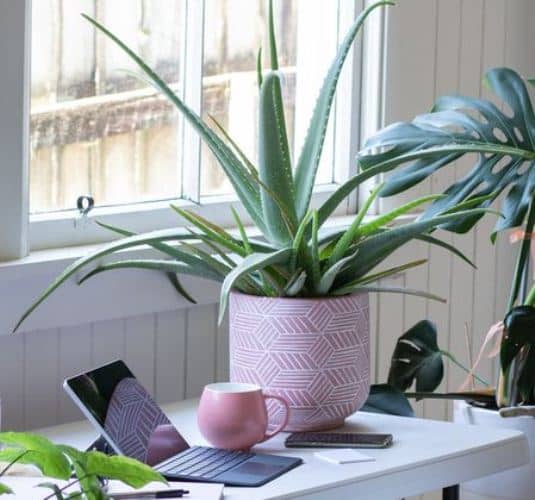
The benefits of aloe vera are well known. Instead, its ability to purify the air and increase oxygen may be unknown to many. The Aloe Vera plant is well known for removing toxins such as aldehydes and benzene from the air.
Unlike most plants, it also produces oxygen at night, making it ideal for bedrooms and other enclosed spaces.
It is a medicinal plant that is used for various natural treatments and therapies around the world.
2. Christmas Cactus – Schlumbergera bridgesii

It actively uses carbon dioxide to create oxygen and glucose during photosynthesis, thereby increasing the percentage of oxygen in the air.
The plant also emits oxygen at night, according to the article published by the University of Connecticut.
As the plant looks quite impressive with its colorful blooms, this blooming succulent can be a lovely addition to your home!
3. Ribbon or love knot – Chlorophytum comosum

Although Cinta isn’t the most oxygen-producing on the list, it’s earned its place here as one of the best plants for reducing stress and increasing productivity, according to the University of Vermont.
Some studies conducted in the United States and the United Kingdom also claim that this plant can reduce anxiety by 37%, depression by 58% and fatigue by 38%.
4. Chrysanthemums – Chrysanthemum

Although not known for its oxygen-producing abilities, it is an excellent plant for cleaning harmful VOCs from the air.
NASA research indicates that it was able to remove a total of 76,931 micrograms of benzene from the air in 24 hours.
Since mums have many leaves, oxygen production is significantly higher than other flowering houseplants.
5. Dieffenbachia – Dieffenbachia

According to the study conducted at the University of Kastamonu, Dieffenbachia was effective in reducing CO2 levels by 1,868 to 1,506 ppm in 24 hours, thereby increasing oxygen levels.
The plant also removes volatile organic compounds like acetone, benzene, formaldehyde and toluene from inside the house.
6. Sword of Saint George – Sansevieria trifasciata

Saint George’s Sword is also known as Mother-in-Law’s Tongue, a study conducted at Naresuan University, Phitsanulok, Thailand validates it as one of the most oxygen-producing houseplants , because it can absorb carbon dioxide at 0 . 49 ppm/m3 in closed system.
Since it is a CAM plant, it also emits oxygen and absorbs carbon dioxide at night, as well as benzene, formaldehyde, xylene, and toluene.
7. Gerbera – Gerbera jamesonii

Arguably the most attractive of the bunch, the Gerbera is often used as a decorative feature in gardens.
This vibrant flowering plant not only adds color to the room, but is also one of the quintessential oxygen-producing houseplants.
According to the NASA Clean Air Study, the Gerbera removes airborne pollutants such as formaldehyde, benzene, and trichlorethylene.
It is also known to release oxygen and collect CO2 at night. You place gerberas next to your bed to improve your sleep if you suffer from sleep apnea or breathing problems.
8. Peace Lily or Moses Cradle – Spathiphyllum
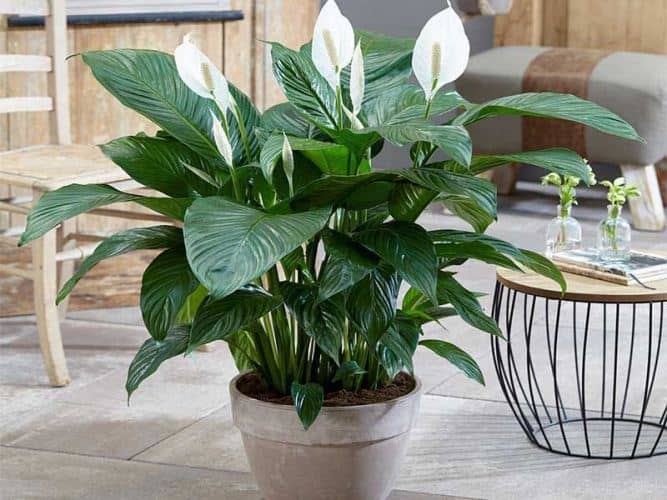
A study conducted by the University of Technology in Sydney, Australia, shows that the Peace Lily can reduce the presence of carbon dioxide and help increase the percentage of oxygen in a well-ventilated room by up to 25%.
The plant also earned a spot in NASA’s Clean Air Study due to its air-purifying capabilities.
9. Orchids – Orchidaceae

According to an article published in South Dakota State University Extension, the orchid releases oxygen at night, making it one of the best plants for bedrooms.
The beautiful flowers of the plant will also make the space more aesthetic.
10. Areca Palm – Dypsis lutescens
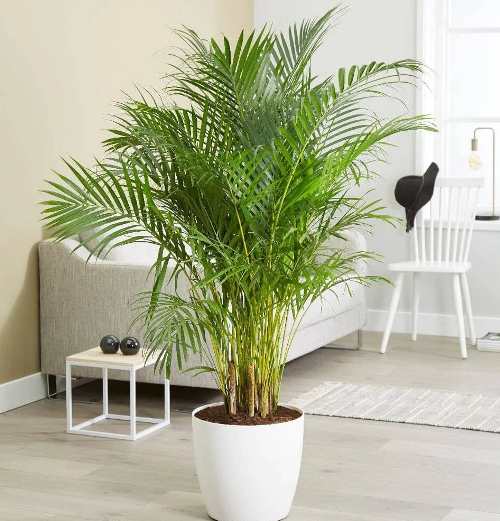
The areca palm is valued for its ability to produce oxygen and increase its level in the area where it is found. It also filters out harmful contaminants like xylene, toluene and formaldehyde.
Keeping two large houseplants like the areca palm in a 90 square meter area can improve oxygen levels in the surrounding area.
11. Pothos – Epipremnum aureum
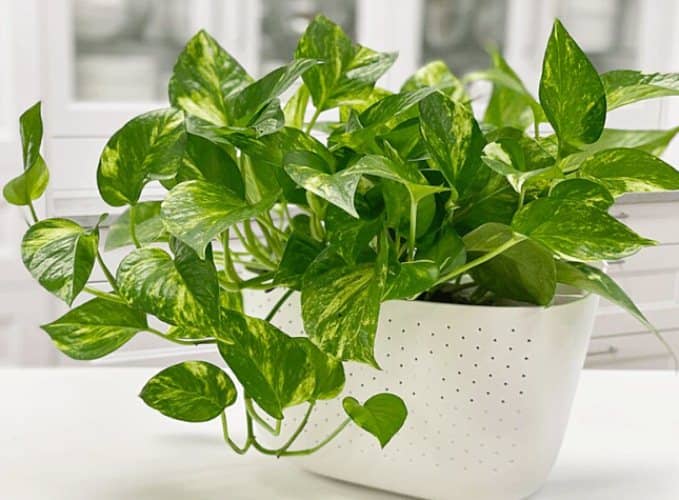
Pothos is the number one houseplant when it comes to oxygen, due to its fast conversion rate, it is another of the oxygen-producing houseplants.
In one experiment, it was able to show a 6.5% reduction in carbon dioxide, where it decreased the CO2 content from 454ppm to 425ppm, thereby increasing oxygen levels.
Similarly, the Malaysian Faculty of Engineering Technology study claims that pothos absorbed 17.10% of CO2, managing to reduce it to 377ppm from the 455ppm of air in a closed chamber.
Share it on the networks: