
You know what it is: you see a beautiful plant, and before you know it, your hand is reaching for the pot and you’re thrilled to bring home a new green friend.
But sometimes the plant quickly loses its beauty and seems ready to leave this world. It means you are doing something wrong. So let’s see the reasons for the death of our indoor plants.
Why do indoor plants die?
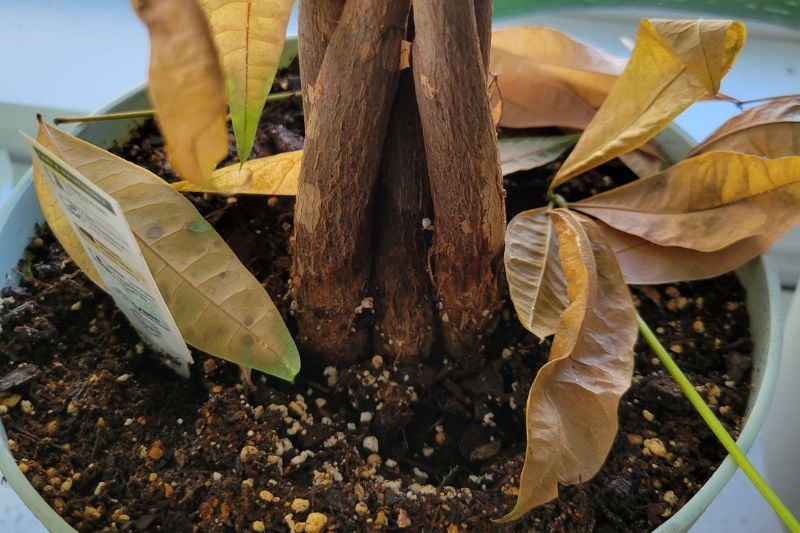
1- You have not looked into the properties of the houseplant
With so many different types of houseplants, your care needs can vary wildly.
So, the first thing to do if you are thinking of buying a plant is to know everything about it. It is best to do this before purchase to find out if you have the
2- The factory was initially not viable
Sometimes plants that look great on the store shelf are worn out, thanks to excess growth hormones, chemicals, and other things that growers use.
Therefore, plants often die in the store if they are not purchased on time or soon after returning home, much to the disappointment of their new owner.
Properly organizing an adaptation period is essential to minimize the risk of plant failure. This means placing it away from other plants and providing it with gentle maintenance conditions.
Since you have already studied our new plant’s needs and know its watering and lighting preferences, choose a location with the fewest possible conditions for the plant.
Then he watches it for a few weeks and checks for any diseases and pests. Once he has adjusted, he will let you know as he slowly begins to grow.
3- You did not transplant the plant
If you inspected the plant when you purchased it and are happy with its condition, quarantine it and then transplant it.
But if something goes wrong, for example if it has been overwatered and there is a suspicion that the roots are rotting, it is better to transplant it immediately. It’s better than watching the plant suffer and die.
In any case, it is necessary to change the soil, since the plant cannot grow and develop in the transported soil. It is only suitable for transportation, not for life.
So you gently loosen the roots without damaging them and plant them in a new pot.
The method of transplanting with the addition of fresh soil would be gentler, but there is a risk that the difference between the two substrates (new and transported) interrupts the distribution of humidity during irrigation.
4- You chose the wrong soil for my houseplant
Buying a universal substrate and planting all your plants in it is a mistake. Indeed, some will live happily there, while for others it will be insufficient.
For example, succulents need light, loose, somewhat nutrient-poor soil that does not hold water (they are susceptible to rotting in heavy, moisture-holding soil).
In contrast, azaleas prefer an acidic peat-based substrate. And epiphytic orchids need only bark and peat. So you need to study the factory requirements first.
5- You have chosen a pot that is too big for my plant
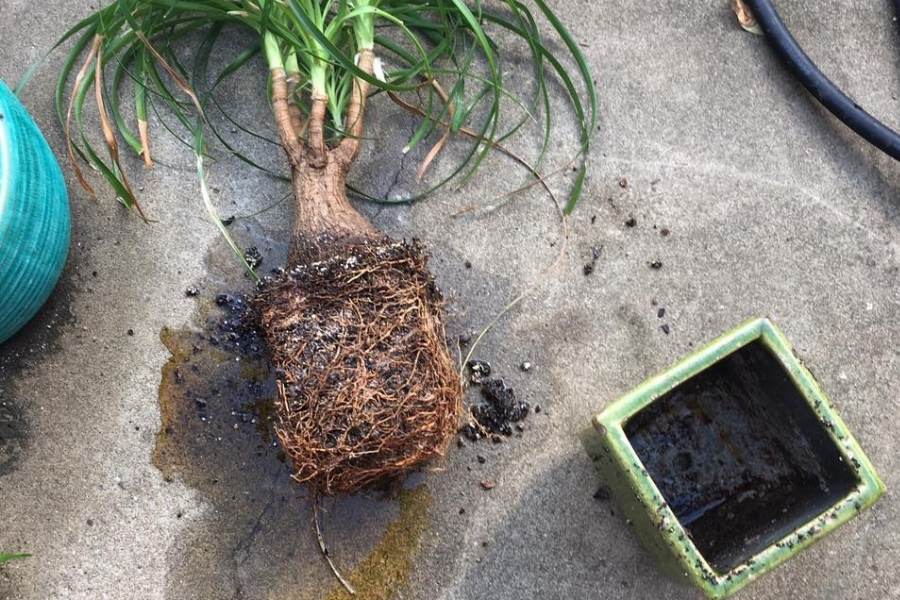
You might be thinking, what’s wrong with that? The larger the pot, the more space there is for the roots. But this is not the case. Most plants will refuse to grow and thrive until they have taken up all the soil space and can die.
This happens because if there is too much space, the plant cannot absorb all the water absorbed from the soil after watering. This means that the pot will always be wet and under these conditions root rot can develop, which can lead to the death of the plant.
So choose a pot that is about 2 to 3 cm longer than the previous one and has the right shape. If the plant has a tap root system, it will need a deep container.
Choose a wide, shallow pot with a shallow root system, as too deep can cause root rot. And don’t forget to drill drainage holes in the bottom.
6- You water all my plants at the same time
Watering the plants on Tuesday and Friday is not the right approach. They all require different watering schedules.
For example, a spider plant will appreciate regular watering, but a ZZ plant (Zamioculcas) will not survive because it is succulent.
In addition, the drying speed of the support depends on the humidity, the lighting and the time of the year.
That’s why it’s essential to water your plant only when it’s really needed, not just when you have a free moment.
And something about watering: distribute the water around the edge of the plant or pour it into the container.
If you always pour it in the same place (usually closer to the edge of the windowsill), one side of the root system will drink while the other side may dry out.
7- The humidity in your home is not suitable for indoor plants
It’s one thing if the humidity is too low. In this case, the plant probably won’t grow or develop and start to dry out its leaves, but at least it won’t die.
Instead, it is much more dangerous to expose a plant that does not need a lot of humidity.
For example, if you can’t resist watering your plants even when they don’t need it, you can expect them to rot or contract fungal diseases.
Rot often begins when water accumulates: the leaves cling to the stem or the center of a green rosette. Spraying can also be detrimental to plants with hairy leaves, as they do not dry out properly.
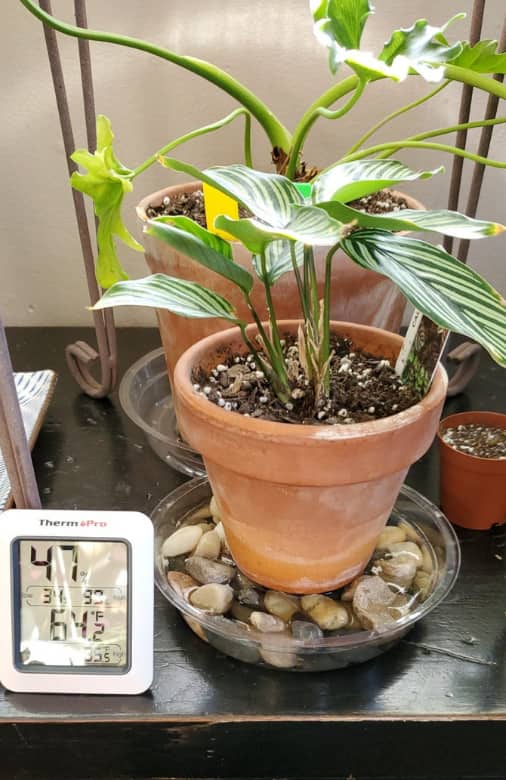
Therefore, it is better to use more gentle methods to humidify the air of these plants. For example, you can place the pot in a container filled with wet expanded clay or peat (without the bottom touching the water) or use a room humidifier.
8- You chose the wrong lighting
All plants have different light preferences. It depends on its natural habitat. Some prefer shade and will burn, wilt and grow poorly in full sun. Others love the sun and thrive in it.
But that doesn’t mean you can confidently place them on a south-facing windowsill and forget about them.
Even the most sun-loving plants cannot withstand the intense afternoon sun of spring and summer and will “burn” and suffer from sunburn. So plan for some shade during the hottest part of the day.
9- You have not noticed any diseases and pests
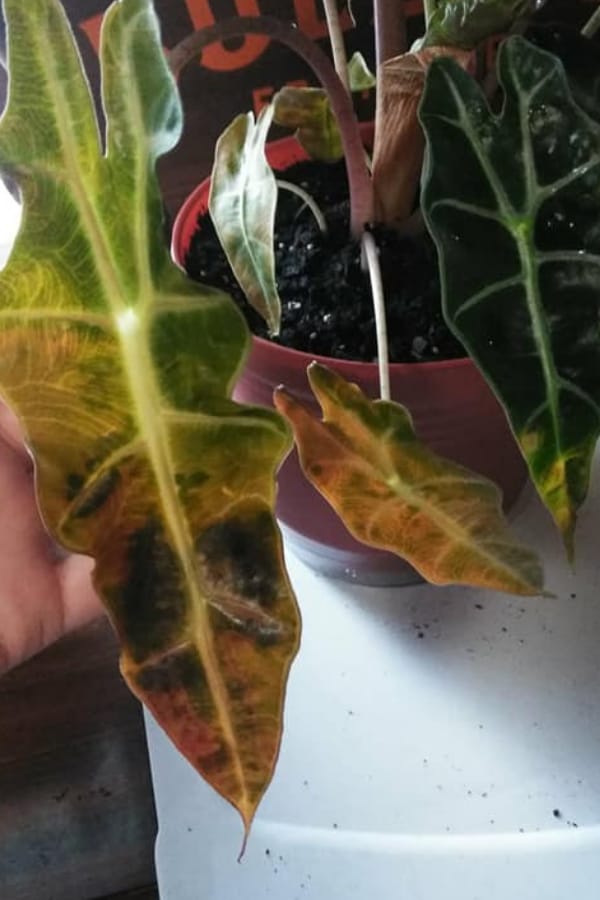
It is essential to check your plants regularly and if you notice anything suspicious, act immediately: use special products (insecticides against insects, fungicides against diseases) widely available on the market.
And of course, keep the affected plant away from others to avoid spreading the disease to your entire collection.
10- You did not give the plant a rest period
Not all plants need a rest period, but some do. This usually means lowering the temperature, watering less, and stopping fertilizing altogether.
If you continue to care for the plant in winter as you did in summer, it may weaken or even die.
For example, excessive watering during the cold months can cause the root system to rot. So remember that only tropical plants can be kept without a dormant period. Others need comfortable downtime.
11- The plant has undergone temperature fluctuations
Like all living things, plants need a stable temperature to thrive. So do not place them in areas with drafts and do not move them suddenly to a room with a noticeably different temperature.
If a radiator is warming one side of the plant while the leaves are touching the cold glass on the other side and the window sill below is freezing, that’s not ideal either.
Also remember that ventilation in your home is essential, but it can be dangerous for your plants. Therefore, in cold climates, place the pots away from the windowsill when you open a window.
Following these simple rules will help keep your beloved plants safe. And if you take care of them with kindness, care and love, everything will be fine.
Sharing is caring!