
If you purchase an item through links on this page, we may earn a commission. Our editorial content is not influenced by commissions. Read full disclosure.
Basil is an absolute blessing to have in the garden, so it only makes sense that you want to improve the chances of a big harvest. Planting basil with the right friends can increase your harvest and keep your plants healthier than ever.
Basil is fragrant and useful and for me it is a signal of spring and summer heat.
Let’s look at these companion plants you can use to boost your basil harvest, and some to steer clear of your basil plants.

Perfect conditions for growing basil
Six to eight hours of sun a day is a perfect position for basil. Soil pH should be between 6.0 and 7.5. The soil should also be nice and moist and well-drained. Sandy, dry soil will stress the basil.
The best growing temperature is around 70°F and night temperatures should not drop below 50°F.
While it’s understandable to want to get basil as soon as possible, don’t be in a rush. Basil needs heat to thrive.
Keep the basil well watered.
Good companion plants to grow with basil
1. Tomatoes

Basil and tomatoes are probably the most perfect companion. Wherever you place either plant, the other will perform well and be happy.
I plant basil as a ground cover between my rows of tomato plants. Basil produces an intense aroma that tomato worms hate and will avoid.
In return, the tomato plants keep the soil healthy and in a good condition for basil. Plant as much basil as possible around your tomato plants.
2. Beets

Plant the beets first, so that when you sow the basil, the beets provide shade for the young plants.
Flea beetles like basil but are repelled by beets. Basil will repel beet pests, especially if you surround the beets with basil plants as a defensive ring.
3. Peppers

What do we mean by peppers? This could include:
- peppers
- Pepper
- sweet pepper
Even the hottest pepper cultivars attract pests that eat them, especially when the fruit is young. Planting basil serves two purposes. Basil will act as a natural repellent for many of these pests, reducing the need for spraying, and basil enhances the flavor of peppers, especially sweet varieties.
4. Chives

The beauty of chives is that they don’t take up much space and require very little maintenance. Chives give off an aroma that repels many pests, including the ubiquitous aphid.
Planting chives with basil encourages the essential oil from the basil plant, imparting more aroma and flavor.
The taller basil will provide shade for the chives.
5. Rosemary

I like to plant new basil around my perennial rosemary herbs. Both plants give off aromas that repel many garden pests. Well-established rosemary has deep roots compared to basil’s shallower roots, so they don’t steal water or nutrients from each other.
When you remove the basil at the end of the season, you won’t disturb the hardy rosemary roots.
Let basil go to seed and in the right environment. it will self-seed for the following season.
6. Garlic
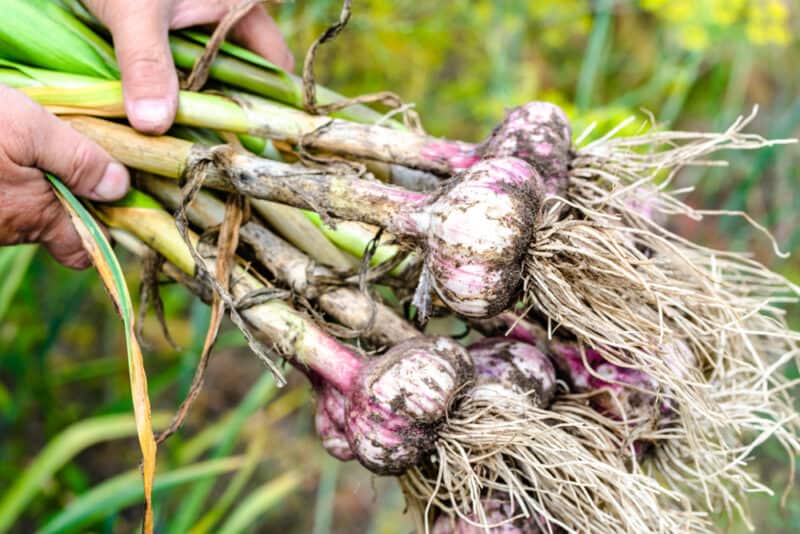
Basil naturally repels many pests but can sometimes be overwhelmed. If it’s under heat stress, the soil is lacking in nutrients, or there are just too many pests in one season, it may need a little help.
Try planting basil with garlic to avoid problems like this. Garlic repels many pests that are attracted to garlic such as aphids and spider mites.
7. Lettuce

Whenever I think of a summer garden, I usually think of tomatoes, basil, and lettuce. If you’re careful, you can prevent lettuce from bolting, and it’s a perfect companion for basil.
Basil enhances the flavor of lettuce and helps prevent pests such as snails and slugs, which are attracted to lettuce leaves.
8. Grapes
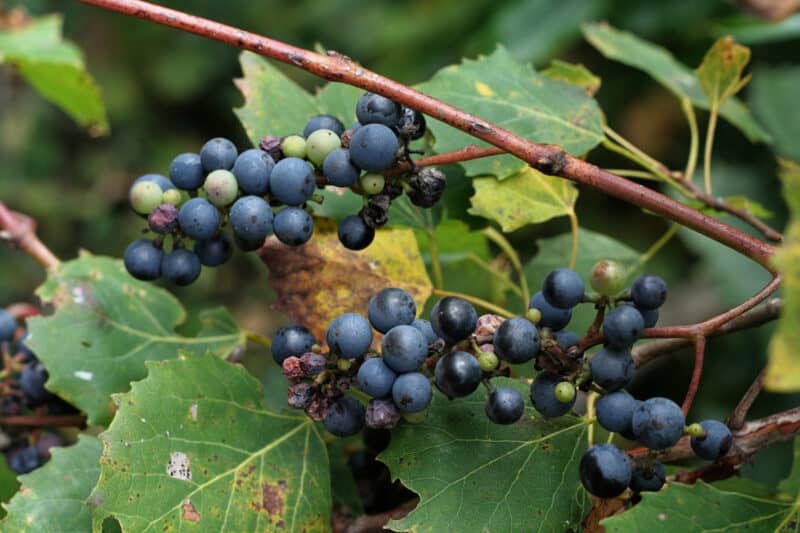
It might seem like an odd combination, and you might not want to plant grapes in your vegetable garden, but you can plant basil under your vines.
This works especially well if you have a food forest type setup. Basil is an excellent understory plant for the vine, and at the same time the smell prevents many pests from finding the grapes.
The vine provides some shade for the basil in the heat of the day.
Water wells and the deep roots of the vine will have their part.
9. Potatoes

Plant basil in one to two rows of your potatoes. I try to have a row of basil to a row of potatoes on both sides. Basil helps increase the flavor of potatoes and will repel serious potato pests.
Japanese beetles and Colorado potato beetles don’t like basil, and the smell of basil helps keep them away, or at least keep their numbers to a minimum.
10. Chamomile

Chamomile is good for the soil and any nearby plants, due to the beneficial compounds the plant releases. This improves both the quality and the flavor of the basil.
Chamomile is popular with beneficial pollinators and insects that prey on basil pests like aphids.
11. Broccoli

Keep the basil near the broccoli, but not right next to it. The basil helps protect the broccoli from pests, but since the broccoli can grow large leaves and cover the basil, give them some room.
One or two spaced rows are enough.
12. Parsnip

Parsnips attract beneficial insects that feed on basil pests like aphids and spider mites. They also release a compound that these parasites prefer to stay away from. Plant rows of parsnips and basil side by side or in two rows.
13. Asparagus

If you are lucky enough to have a field of asparagus, plant basil in and around it. Be careful not to disturb the roots of the asparagus, but pairing is beneficial.
Asparagus attracts lady beetles which feed on aphids attacking the basil. In return, the basil repels the asparagus beetle.
14. Marjoram
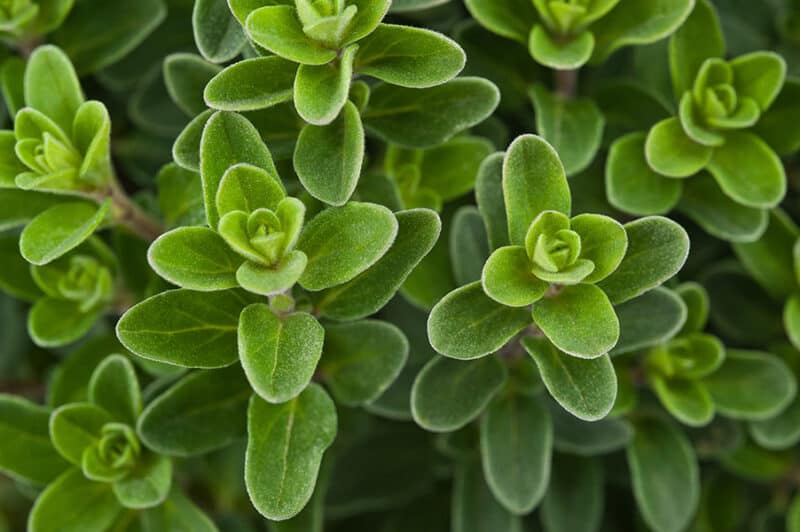
Plant sweet or wild marjoram with basil as both benefit from the combination. One of the best things about these two plants together is that marjoram and basil have the same light, heat, soil, and water needs. Planting them close together works well.
Both plants attract beneficial insects and pollinators.
15. Anise

Also called anise, this flowering plant is a perfect companion to basil. It has antibacterial and antifungal properties that protect the basil from problems such as rot due to wet soil from heavy rains.
Due to the strong smells of basil and anise, pests are effectively repelled. Plant them together or two rows apart. The closer they are, the more the anise will encourage the oil in the basil leaves. This adds to the flavor of basil in your dishes and the scent of the garden.
16. Worries
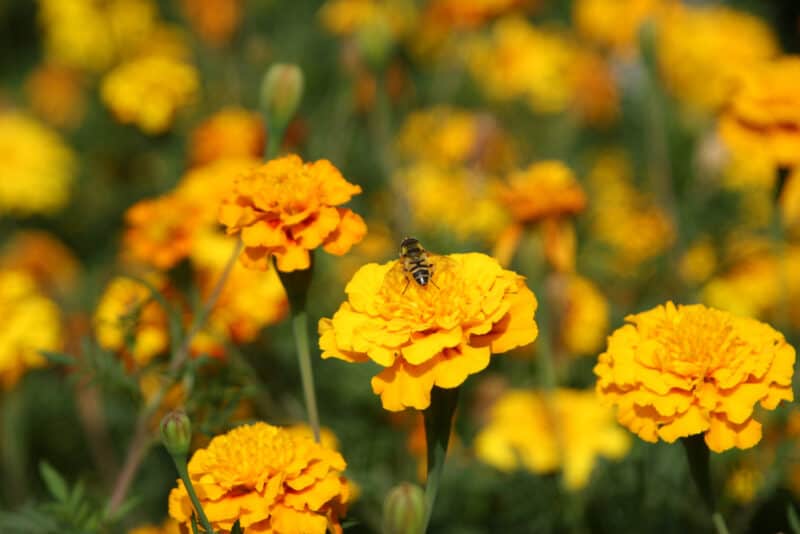
Marigolds should be planted all around your gardens because they are so effective at repelling pests. French marigold releases limonene from its roots in the soil.
This repels pests and helps neighboring plants even after the marigolds are dead and gone.
Plant marigolds in and around basil and any other garden plant.
17. Nasturtiums

Some gardeners have a love-hate relationship with nasturtiums due to their ability to take over entire areas and the amount of seed they drop to self-sow.
Plant the nasturtiums in containers near the basil, or if you have a large patch, plant the basil nearby.
Nasturtiums should be used as a trap crop. You want it to attract pests away from the basilisk.
18. Petunias

Basil loves the presence of petunias (like many other herbs) and thrives alongside them. Petunias repel many pests, including aphids, leafhoppers and tomato worms.
Plants to avoid planting with basil
Even if one accepts other plants like basil, there are still some that will not thrive alongside or affect the basil, causing a poor or bitter harvest.
1. Cucumber

Cucumbers tend to overrun the garden they are planted in due to their climbing nature. Basil doesn’t like it. Even if you trellis your cucumbers, they will take up too much water and the basil will suffer.
In the heat of summer, cucumbers often suffer from many diseases and these will be transmitted to neighboring basil.
2. Fennel

Fennel attracts basil-loving pests, so it’s not a good companion plant. It also stunts the growth of many plants it grows with.
Keep basil and fennel away from each other.
3. Sage

The main reason sage and basil don’t get along is water. Basil prefers moist, well-drained soil. Sage prefers sandier, drier soil. One of the plants will suffer thanks to the preference of the other.
Keep basil and sage at least three rows apart.
4. Thyme

Similar to sage, thyme prefers a drier environment than basil. They don’t plant well together.
5. Common Street

Sometimes known as the herb of grace, common rue is one of basil’s worst companion plants. This is because it gives basil a bitter taste.
Common rue not only attracts basil pests, but it also makes basil more susceptible to these pests. Any basil plants next to common rue will struggle.
Was this article helpful?
Yes No ×
We appreciate your helpful feedback!
Your response will be used to improve our content. The more feedback you give us, the better our pages will be.
Facebook pinterest