Who is an impatient gardener? I am. I hate when I plan my spring and summer garden and have to wait until the last frost has passed before I start planting outside.
I’m always looking for a head start, and over the years I’ve figured out by trial and error what to crash and when.
You don’t have to wait for the last frost to pass or for warmer temperatures. You can plant vegetables early, so let’s look at what they are, and some quick tips to increase your chances of success.
1. Peas

Peas are sweet little treats and are easy to grow. It is a perfect vegetable to put in the ground before the last frost. As long as you can till the soil, you should be able to get peas in the ground.
You can sprout the peas indoors before transplanting, but if you are sowing before the last frost I prefer to sow straight. It will make them stronger.
Peas can handle temperatures as low as 26ºF, but in that range it’s a good idea to lay down a layer of straw or hay.
Don’t be afraid of snow. A blanket of snow can protect the peas from further cold spells.
Once the ground begins to warm after the last frost, the peas will appear above the ground. They’ll probably start slow, but they’ll pick up the pace soon.
2. Kale

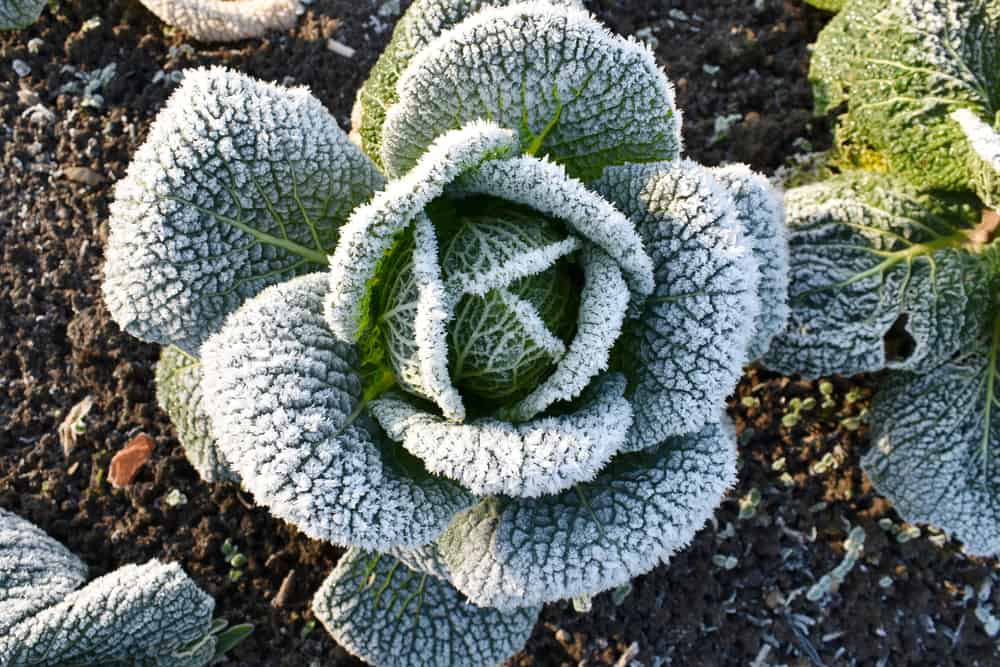
Not only does kale withstand freezing temperatures, cold weather also makes the flavor stronger and nuttier. I had kale in my garden, planted early in the season and covered in frost, and it survived very well.
One of the wonderful things about kale is that when the weather warms up it is slow to go to seed unlike many other cold weather crops.
Kale planted early before the last frost has a long lifespan, giving you plenty of opportunities to pick and return.
3. Carrots

Carrots like cool weather and thrive in low temperatures. Sow the seeds in very early spring and they will germinate in temperatures as low as 55ºF.
Carrots are perfectly happy to overwinter, so don’t hesitate to plant a fall crop.
For best results, plant carrot seeds at least five weeks before your last frost date. In most environments, fall, winter, and early spring plantings will be successful.
Just make sure the ground is walkable and at least six inches deep.
4. Swiss chard
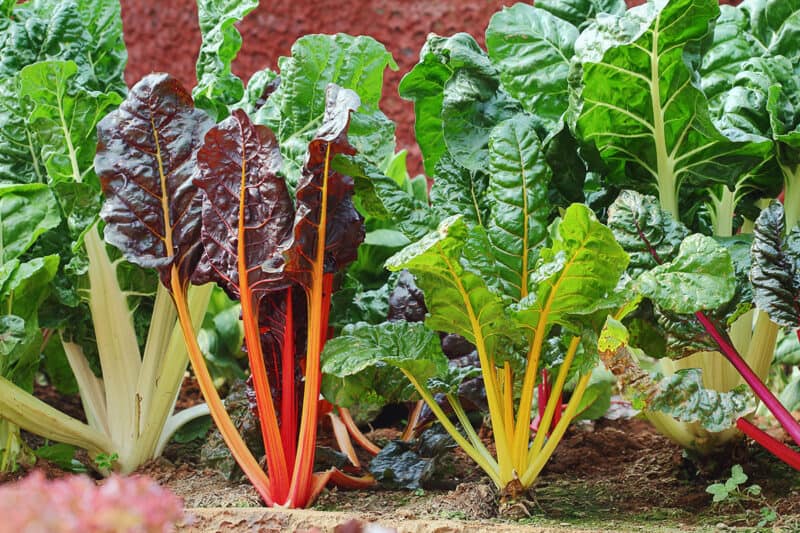
Swiss chard seems indestructible. Yes, slugs and snails love it, but the cold is no problem.
Already planted Swiss chard can overwinter, and if mulched, will often come back on its own without any work on your part.
‘Fordhook Giant’ and ‘Lucullus’ are two varieties that have an extended lifespan through winter and warmer months.
Swiss chard is known to tolerate cold temperatures as low as 15ºF. Any lower than that, and your plant will need protection from the cold.
5. Radish
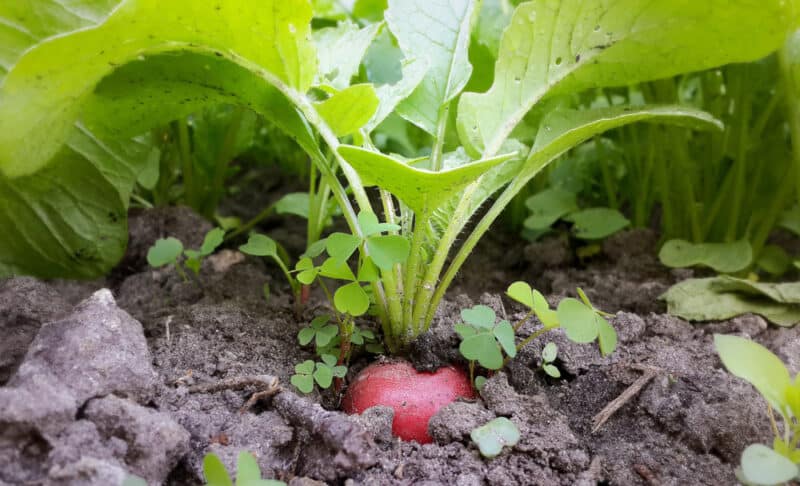
These little red nuggets are the gardener’s gold in winter. They are lightning-fast growers, and if you plant before a severe frost the radishes will continue to grow no matter how cold it gets. Even soil temperatures around 45ºF are suitable for this little gem.
Radishes grow quickly, about 21 days from seed to plate. D successive plantations for a constant harvest and not to let them grow.
6. Cabbage

Like most crucifers, cabbage thrives in cold weather. Plant the seedlings outdoors about four weeks before your traditional last frost date.
Once established, cabbage will withstand temperatures as low as 20ºF.
Check the varieties in your area, as some varieties will grow all winter after being planted in the fall.
Unlike many other cold weather crops, cabbage is best planted as a seedling, rather than direct sowing the seeds.
Sow seeds indoors about 12 weeks before the traditional last frost date. Transplant when the seedling has four to six leaves.
7. Broccoli

Another brassica, broccoli, is not as cold tolerant as some other plants like cabbage. It will tolerate temperatures in the mid 20’s. Grown in a cold frame it will do better, but it is not absolutely necessary.
Start the broccoli seeds inside at the same time as your cabbage seeds. Plant out four weeks before the last traditional frost date.
Protect from snails and slugs.
8. Rocket

It is another member of the Brassicaceae family. The difference between arugula and cabbage or broccoli is that you can plant the seeds directly in the garden in winter.
Arugula will germinate in temperatures as low as 40°F, so as soon as you can work the soil, plant arugula seeds.
This is why you often see arugula appear in your garden where you have never planted it. It just seems to grow in cold weather and keep growing so you can use it for that nutty, earthy flavor.
9. Onion

Although not as cold hardy as the vegetables we have already covered, onions will thrive in cold weather. They will thrive in temperatures around 50-70°F, but have been known to grow in temperatures as low as 20°F.
Mulch well to avoid freezing, as the onions will rot if they freeze and thaw later. I prefer straw mulch for onions.
10. Lettuce
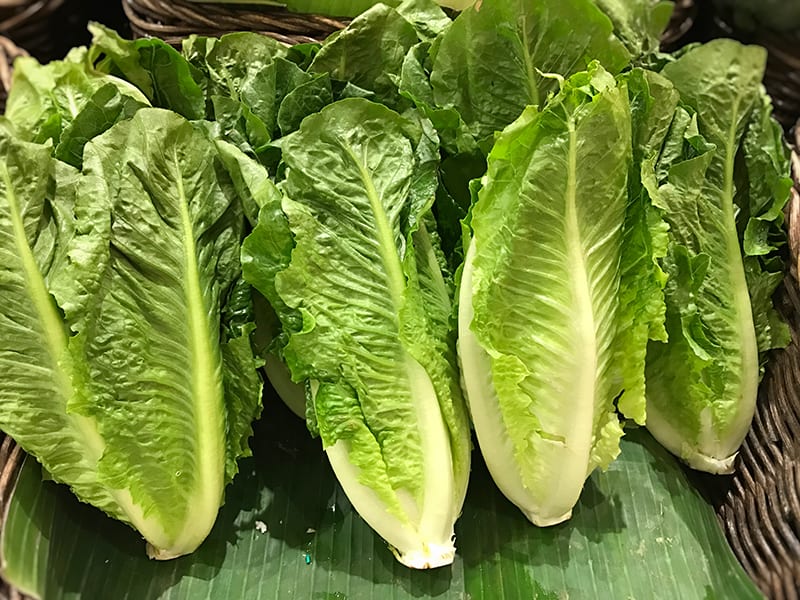
Lettuce is a prolific producer if it is happy. Some varieties will grow in temperatures as low as 25ºF. Use frost cloth, row covers or plastic tunnel for best results.
Winter temperatures bring out lettuce-loving slugs and snails, so be prepared to protect your crops.
Plant directly into the ground before the last frost and after for successive plantings.
When warm weather arrives, be sure to provide lettuce with plenty of water. If planted in cool weather, lettuce bolts when the weather is warm and soil moisture is low.
11. Spinach
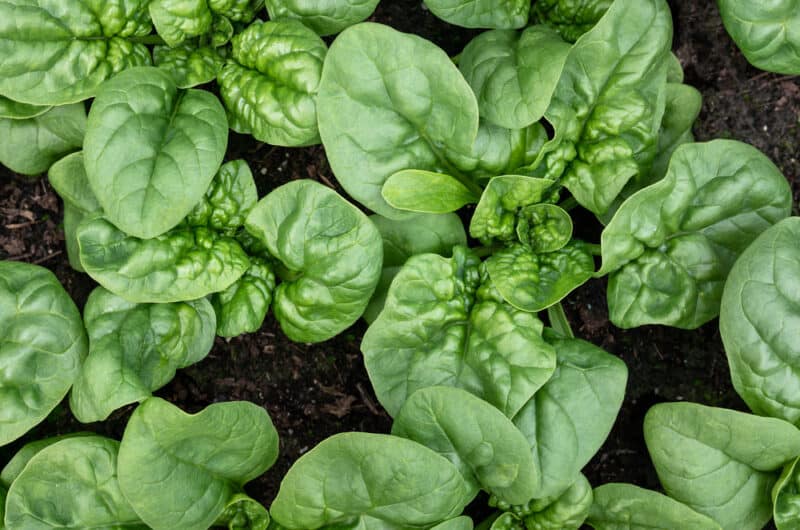
If you want to try a vegetable that likes the cold more than any other, try spinach. It is one of the most cold tolerant and will withstand temperatures as low as 15ºF. It is also very easy to grow.
You can plant spinach seeds as early as six weeks before the traditional last frost date. Sow seeds directly for best results.
12. Turnip

Don’t forget the turnips in your winter garden. Modern cultivars are less woody and much sweeter than varieties considered traditional. They like the cold and germinate reliably.
As soon as you can work the soil, sow turnip seeds directly in the garden. Although they won’t sprout as quickly as radishes, they will quickly emerge from winter soil.
Sow some indoors as well, and when the ground warms up, interplant the seedlings with the seeds sown directly.
13. Beets

Beets aren’t nearly as cold tolerant as most of the vegetables we’ve already covered, but they will withstand the cold just before the last frost date.
You need to wait until most of the frost is over and the ground is about to warm up.
Plant beets just one to two weeks before the last frost date. If the soil is too cold, it will not germinate.
14. Potatoes
The potato is a money crop. They are easy to grow and will often give you a very good wheelbarrow full of potatoes.
Potatoes should be dug in loose soil, so they should be workable and not too cold. About two weeks before the last frost date, you should be able to bring in the seed potatoes.
Potatoes can handle light frosts, so by the time the foliage emerges from the ground, they shouldn’t suffer from the cold if planted two weeks before the traditional last frost date.
15. Pak Choi

Pak Choi and other Asian greens are very cold tolerant. You can transplant or direct sow at least three weeks before the last frost.
You will have better harvests when you plant Asian greens in cool temperatures than later when it is hot.
16. Dill

Plan the direct sowing of dill seeds about a week before the date of the last frost.
Dill likes warm soil, although you can plant before the last frost date. Use a cold frame or make one quickly.
You can place an old window frame over the spot where you will plant the dill. Raise the frame with bricks or wooden blocks.
Let the sun warm the soil slightly more than the surrounding soil.
17. Parsley
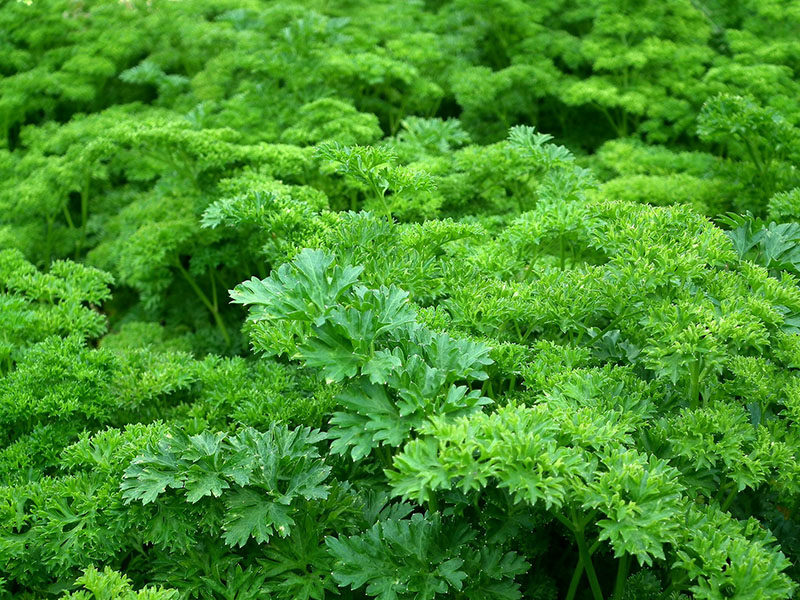
Some varieties of parsley prefer cold soil to start with. As long as the soil is easy to work, you can direct sow parsley seeds two weeks before the last frost date.
‘Forest Green’ is a good cultivar to plant early.
18. Cilantro
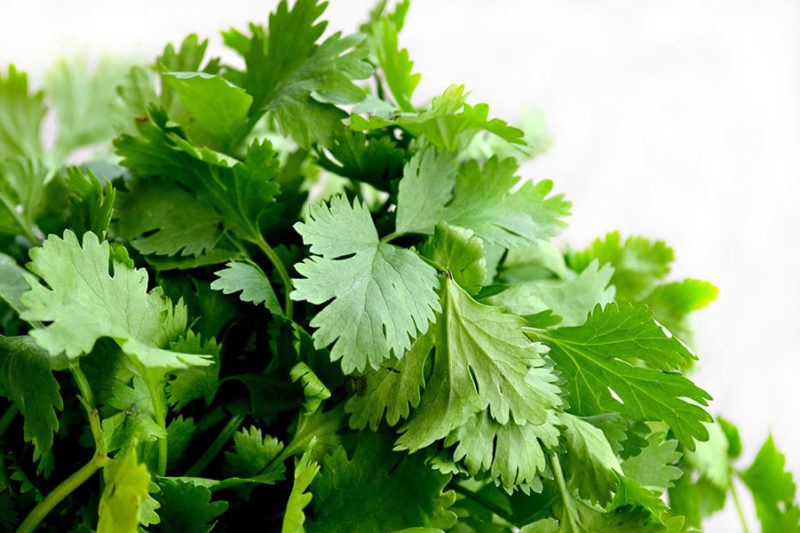
Cilantro is my favorite herb for early planting. It is very cold tolerant and can be planted four weeks before the last frost date.
Even if you get an unexpected snowfall, cilantro will still sprout.
Cilantro is slow to sprout, so be patient. It is also less likely to lock in heat if planted early.
19. Mustard
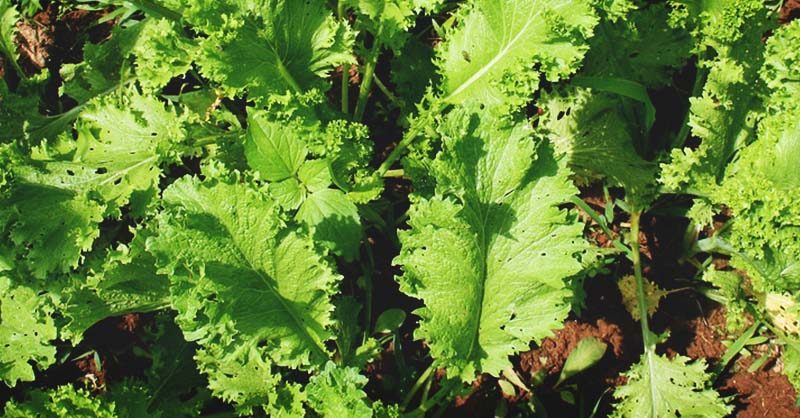
Mustard greens are perfect as a cold-tolerant planting. Temperatures of 32-75°F are ideal, but it can even withstand colder temperatures for up to 20s. Just be aware that seeds don’t germinate well below 40°F, so start them indoors if the soil is still below that.
Direct seed three weeks before the last frost date. You can plant it earlier if you use a cold frame or an old window frame.
Was this article helpful?
Yes No ×
We appreciate your helpful feedback!
Your response will be used to improve our content. The more feedback you give us, the better our pages will be.
Facebook pinterest