
If you love radishes, you’ve probably tried growing them at least a few times so far. These low-maintenance root vegetables are spirited and delicious, and tend to thrive on neglect. That said, some radish pests can wreak havoc on your crop.
Familiarize yourself with the most common pests of radishes so you are prepared to ward them off or treat them effectively. You may not be able to prevent all potential radish problems, but catching problems early can make a huge difference at harvest time.
Here are 14 of the most common and how to deal with them.
Invertebrates
The most common insect pests you will have to deal with are bugs. They can appear seemingly out of nowhere and wipe out everything you have growing in your garden.
1. Cabbage Maggots

Some species of flies (looking at you, diptera) like to lay their eggs on the ground near cruciferous vegetables. When these eggs hatch, their larvae (maggots!) writhe and enter the roots of these vegetables. They burrow and eat the flesh around them, rendering it unusable for human consumption.
Deter them by planting nettles around the area and sprinkling diatomaceous earth on the soil around your radish plants. Once they settle, your only choice is to get rid of the root they destroyed. Hopefully the radish leaves will still be salvageable for eating!
2. Cabbage loopers
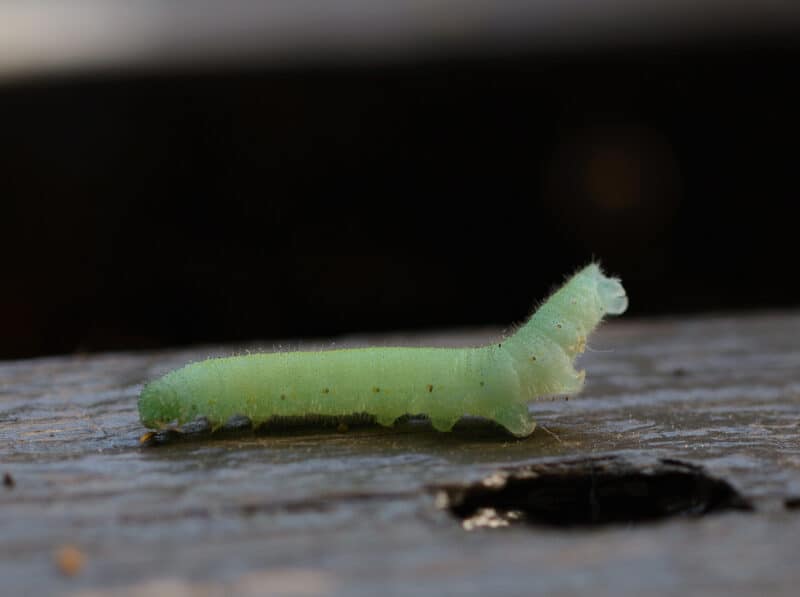
Cabbage loopers are the larvae of moths (Trichoplusia ni). Like the maggots mentioned above, they are obnoxious radish pests that can be difficult to get rid of. That said, spanworms tend to decimate Brassica leaves rather than roots and can therefore be controlled a little more easily.
Repel them with floating blankets and plant some dill or chives nearby to deter them. You can also plant yarrow and calendula in the area: these attract braconid wasps, which will destroy the larvae that feast on your plants. Additionally, you can check the underside of the radish leaves and scrape out any eggs you find.
3. Cabbage white butterfly larvae

The larvae of Pieris rapae And Pieris brassicae butterflies behave similarly to loopers mentioned above, namely devouring radish leaves with great enthusiasm. As such, they can be treated the same.
Also, note that colored crucifers are less attractive to these insects than green ones. Since their larvae are green, they look for green leaves to camouflage them. So if you can find cultivars with purple, red, or pale leaves, you’ll have fewer insects to contend with.
4. Cutworms

These little bastards dig tunnels through the stems at ground level. They smash their way through them, leaving them to fall over or die when they’re done. Radishes need their leaves to provide them with vital nutrients as the roots grow. As such, cutworm damage will destroy both the tasty root and any aerial parts.
Since they lay their eggs in the ground, you can reveal them to the elements by tilling your soil in the fall and spring. Whatever eggs and larvae are not killed by frost will be eaten by birds and other insects.
Alternatively, you can plant “trap crops” such as sunflowers or mustard around the periphery of your radish beds. Also, plant pollinator-attracting flowers nearby. Fireflies and birds love cutworm larvae and will gobble them up if they have safe habitats to roost nearby.
5. Aphids

Aphids can attack just about any plant you have in your garden. If you get them on some of your other vegetables, they will inevitably become pests of radishes as well.
These can be avoided by using floating covers, but you can also spray your plants with neem oil to get rid of them. Also, be sure to introduce or encourage ladybugs to your garden. They make short work of aphids and can save you a lot of time, money and heartache.
For more advice, see our guide to aphids in the garden.
6. Flea Beetles

Although flea beetles do not cause irreparable damage to adult plants, they can be absolutely devastating to seedlings. They take small bites while crawling, which can do a lot more damage to a four-inch plant than a one-foot-tall plant!
That said, the status of flea beetles as terrible pests of radishes has more to do with the diseases they carry than the direct damage caused by their appetite.
Till the ground before planting and wait a little longer than usual to transplant seedlings outdoors. These insects usually have a small feeding window in their growth cycle. Bypassing it makes your radish plants less likely to become food for them.
Spray your plants with neem oil and sprinkle with diatomaceous earth for extra deterrent power.
7. Harlequin insects
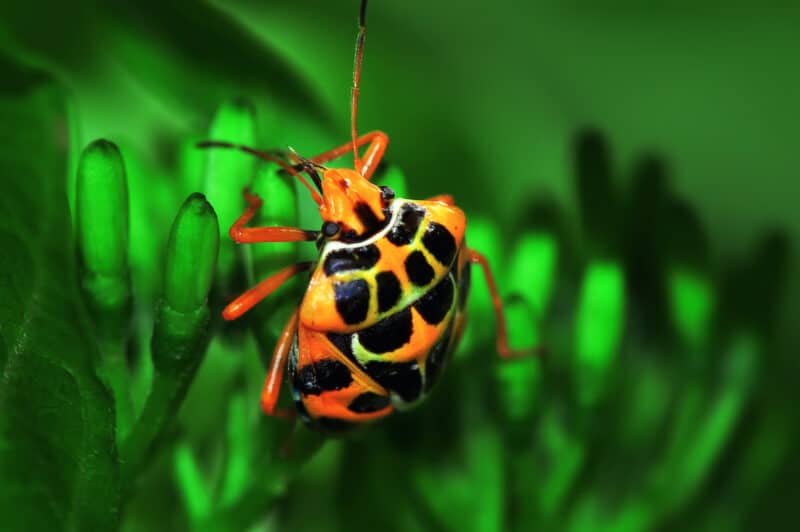
These brightly colored insects suck life from plant leaves, rendering them papery and useless. They love warm weather and can breed prolifically if left unchecked.
Luckily, they don’t like neem oil very much either, and their numbers can be controlled by destroying the egg clusters under the leaves.
Plus, since spiders love harlequin bug eggs, they’re one of your biggest allies in the fight against these radish pests. Mulch around your plants and leave trash around for the spiders to hide in, and they’ll help you.
If these methods don’t work for you, consider a trap crop. Absolutely Harlequin Bugs to like mustard leaves. Therefore, growing mustard plants about 20 feet from your radishes will attract buggers.
8. Slugs and snails

If you have found slug or snail trails on your radish leaves, you will need to take action before they eat everything in your garden. Grab a flashlight and head to your radish beds early in the morning and about an hour after dusk. This is when these tremors are most active.
You can pick them from your plants and drown them in salt water or feed them to your poultry. Additionally, you can scatter coffee grounds, broken eggshells, and copper coins around the area to keep them at bay. You can also try a beer trap if these other methods don’t work.
9. Ants

Now, ants aren’t specifically pests of radishes per se, but they can be really bad neighbors. We made the mistake of planting crops when we first moved into our new place instead of testing the soil thoroughly first. As such, we discovered that there were established ant colonies nearby which did not welcome our intrusion.
If there are a lot of ants nearby, they can create colonies under your plants and gnaw on the roots. It’s also possible that a few ant bites may make your plants vulnerable to soil pathogens.
Try to avoid planting in ant territory as much as possible. If they’re persistent or you’re dealing with ants that hurt you when you’re outdoors (like fire ants), you can combat them with a 1:3 mixture of borax and granulated sugar white.
Herbivores
Few things are as frustrating as spending a ton of time and sweat in a garden only to have local animals destroy all your hard work. These are some of the most common intruders.
10. Rabbits

Although radishes are not the first choice for rabbits, they will eat them if they are hungry. Also, if the radish leaves are more plentiful and succulent than their normal wild food, they will turn to the tastier treats instead.
Herbivores don’t like the smell of alliums, so try growing chives, walking onions and spring onions around your flower beds.
Alternatively, if there’s a wildlife park in your area, ask the keepers for wolf or mountain lion poo. If you scatter it around the perimeter of your property, it will keep herbivores away. This is because they will assume there is high predator activity nearby and they don’t want to be eaten.
11. Mice (and other small mammals)

It is difficult to keep small fuzzies such as mice, shrews and voles out of the garden. After all, we are in their native territory rather than the other way around. They are not specifically pests of radishes, but rather small creatures that get in our way as they try to survive.
They all have very sensitive noses and hate mint. So, planting various mints (Lamiaceae) species around your flower beds will help limit their presence. We have lemon thyme and peppermint around ours, and while they are spreading like wildfire, they also do wonders for keeping our vegetables uneaten by visitors.
12. Deer
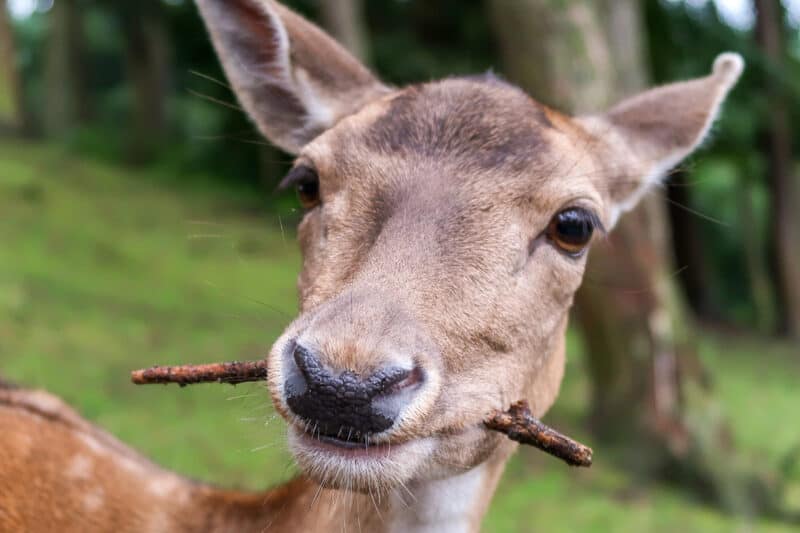
Deer tend to like radish leaves, but they also avoid areas that give off strong human or predator odors. If you don’t want to use wolf poop (or if none is available), you can make your own presence known to ward off the deer.
Pee family members (and friends, if they wish) around the edge of your garden. Bonus points if it’s first thing in the morning. Deer have incredibly sensitive olfactory senses and will stay away if human scents are too strong.
13. Groundhogs

Of all the radish pests you may encounter, groundhogs (aka groundhogs or prairie dogs) are among the most destructive. They love radishes and will happily plant their big butts in your garden and eat the lot, if allowed.
If you’re trying to keep these from wiping out your crop, your best bet is to fence off your radish bed. Be sure to extend the fence into the ground at least 1′ as they are keen diggers.
Also, if you have cats, sprinkle their used kitty litter around the area: they are natural predators of groundhogs and this will encourage them to seek other food sources.
14. Raccoons
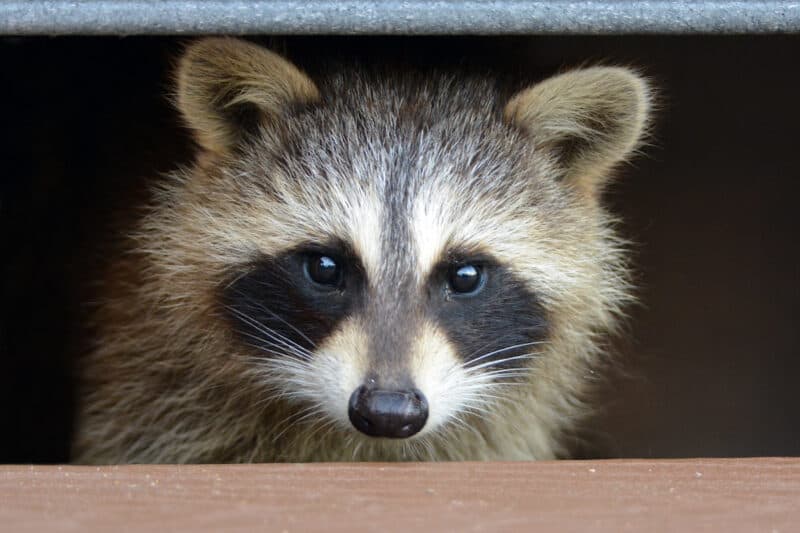
Although raccoons may not like radishes, they can certainly cause a lot of damage in your flower beds. Trash pandas will dig in the ground looking for tasty grubs to munch on. In the process, they will uproot or trample anything that gets in their way.
Much like deer, rabbits, and groundhogs, these can be kept at bay by sprinkling predator poop around the area.
Was this article helpful?
Yes No ×
We appreciate your helpful feedback!
Your response will be used to improve our content. The more feedback you give us, the better our pages will be.
Facebook pinterest