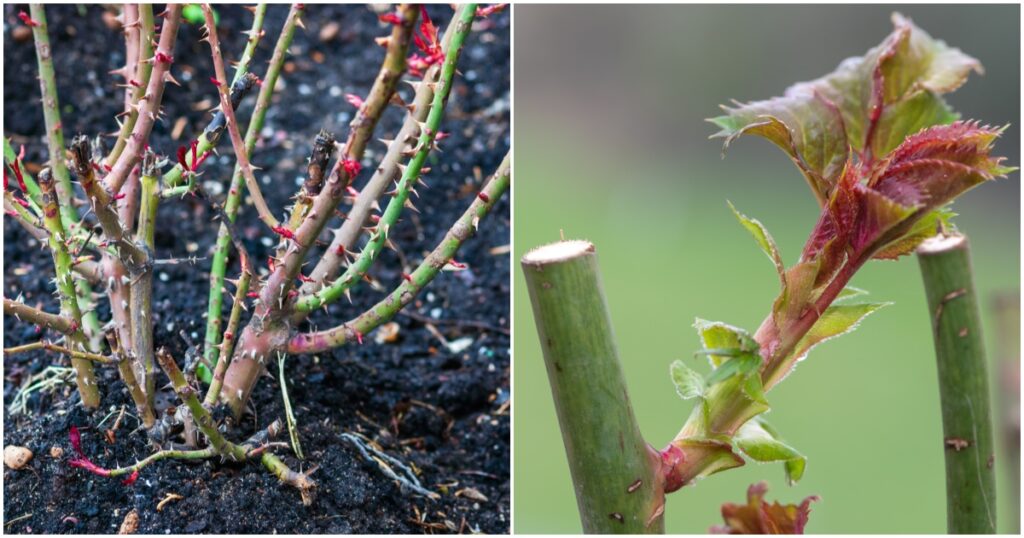
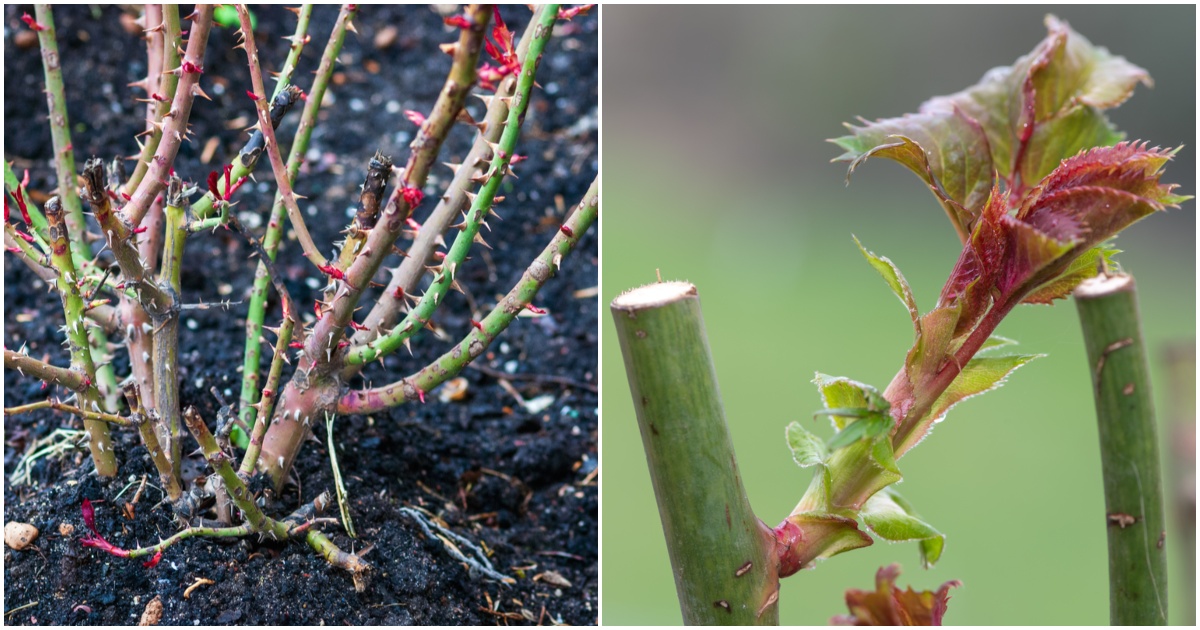
For a spectacular season of phenomenal roses, perform these essential spring care for roses.
One of my favorite spring tasks is preparing roses for their beautiful flower show.

When the forsythias and azaleas are in bloom and the spring bulbs burst open, it’s the perfect time to prepare our roses for the impressive summer blooms to come.
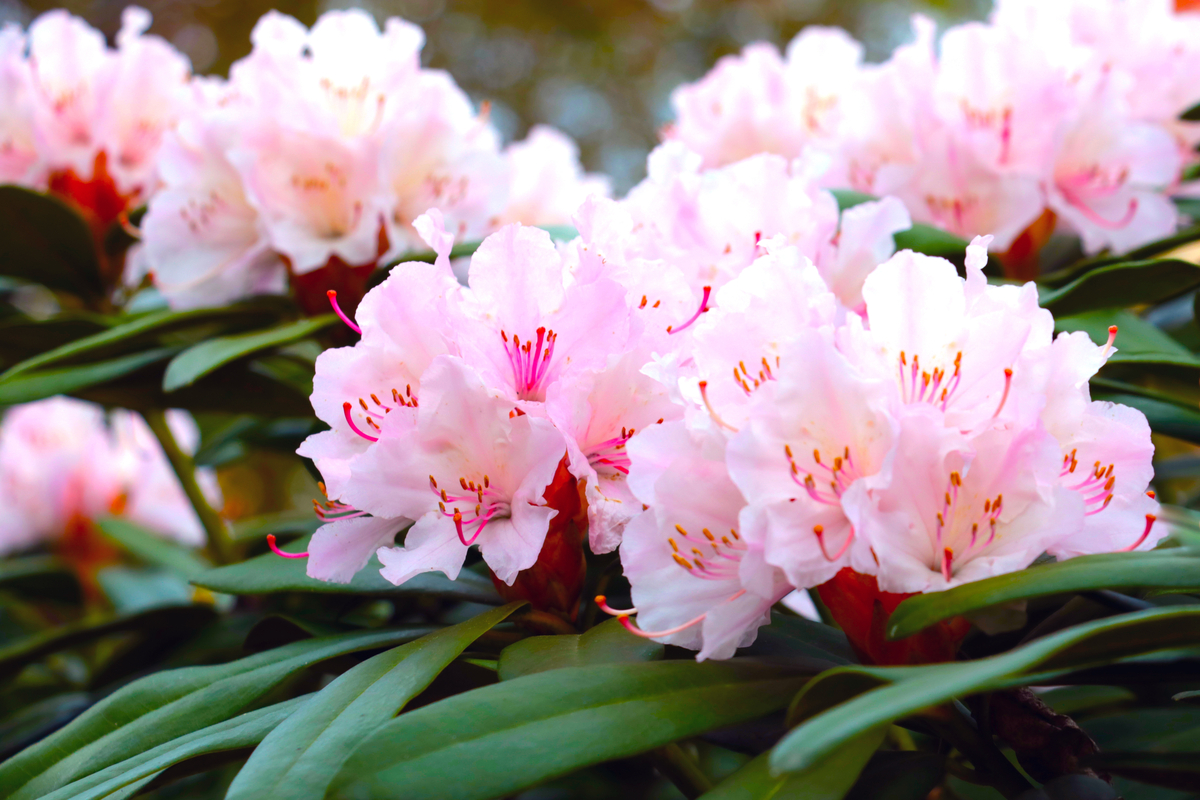
Is there anything more exciting than the first signs of new growth on our rose bushes?

Now is the time to ensure a spectacular summer full of budding rose bushes.
5 essential spring tasks for every rose grower
1. Clean and tidy
As soon as the weather is favourable, gently remove the winter protection from your roses.
Tender stems of roses buried in mulch, leaves or soil can be carefully dug up.
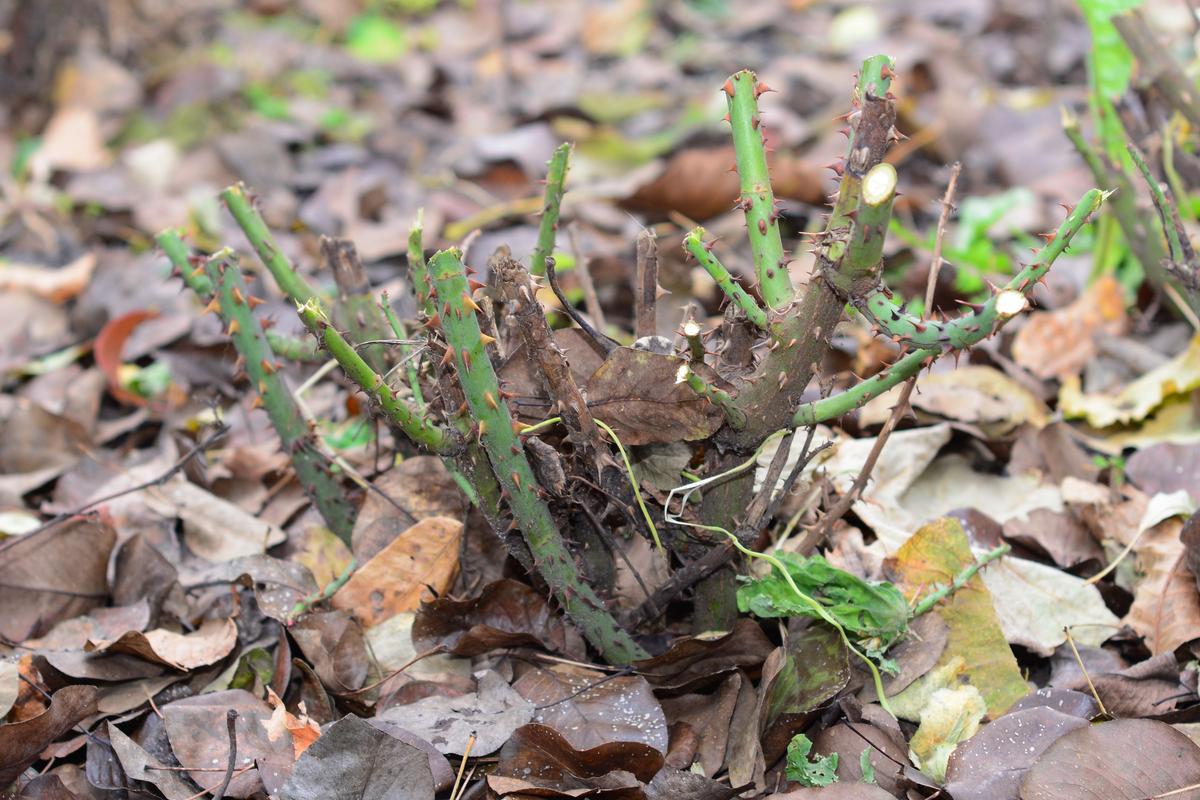
To prevent rose pests and diseases, remove dead leaves and debris that may contain insect larvae or soil-borne diseases.

2. prune
Spring is the best time to prune most types of roses, except those that bloom on second-year wood.
In either case, remove dead or broken branches.
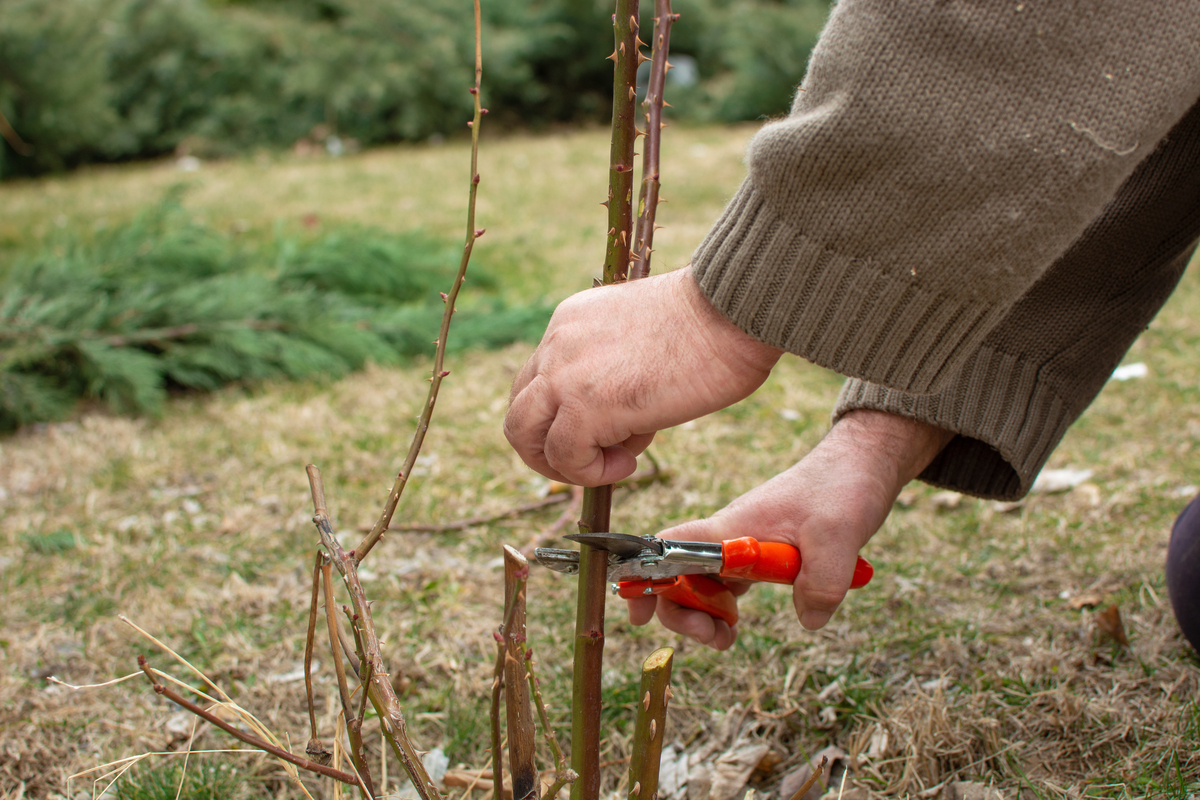
Vigorous shrubs need exceptional air circulation.
Spring is an excellent time to remove the top third or half of vigorous, hardy shrubs.
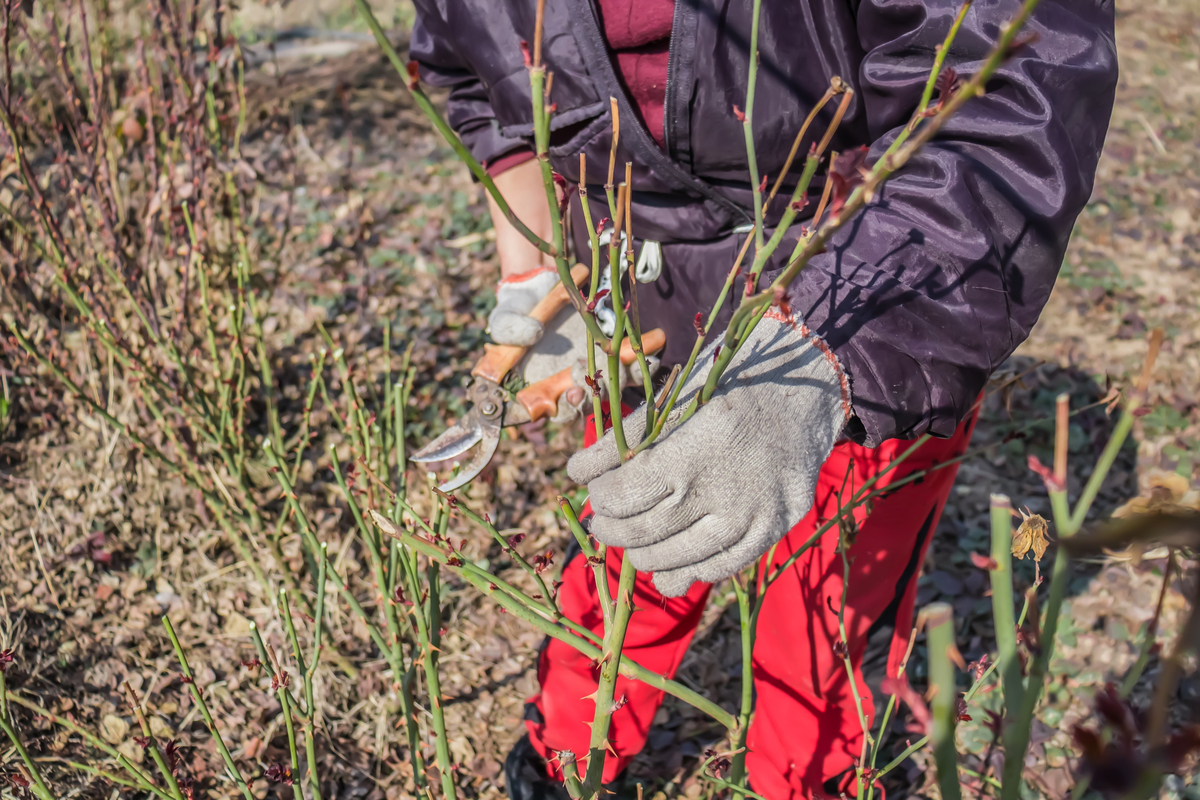
This will expose strong wood for the best growth of new plants and, more importantly, flowering branches.
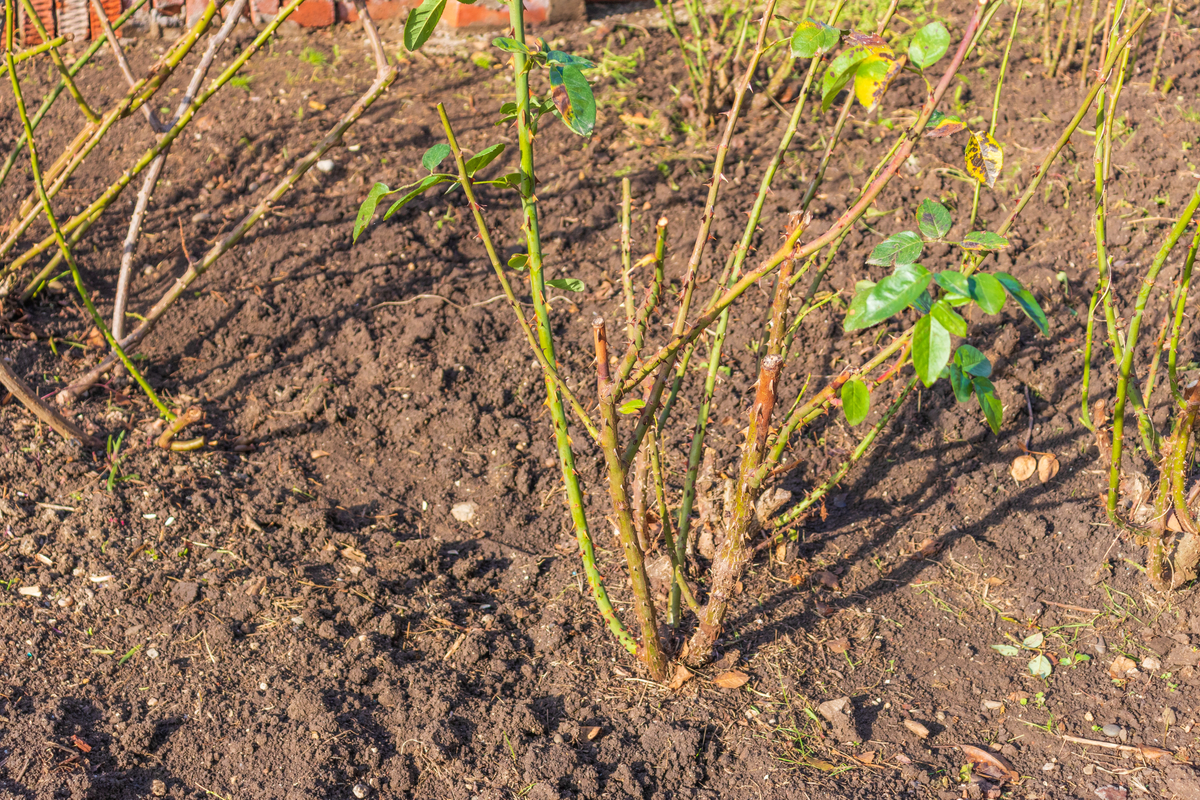
Prune to create an open center and remove small, weak branches.
3. Feed and mulch
Spring is the perfect time to breathe new life into your rose soil.
Choose organic fertilizers and high quality mulch for best results. Well-rotted compost will help nourish your roses and contribute to the health of your soil.

For extra nutrition, try adding Epsom salt, eggshells, worm manure, compost tea, or alfalfa meal.
Using clean mulch will help prevent pests and disease, retain moisture, and look great under roses.

For more information on feeding and caring for roses, go to Fertilizing roses.
See also Rose Plant Companions, for more ideas to keep your roses happy and healthy!

4. Plant more roses
Spring is the perfect time to plant new varieties of roses. When selecting new rose varieties for your rose garden, keep in mind:
- Local climate and growing conditions
- The size and habit of roses and how they will fit into your garden and landscape.
- maintenance needs
- Flowering times, color, fragrance and floral variations

Incredible selections of roses are available at many nurseries and special order growers.
These include David Austin Roses, Highland Roses and Rogue Valley Roses.

5. Lay out your roses
What to do with the cuttings after so much pruning?
It should be noted that composting rose branches is not a good idea, as they can harbor pests and diseases.
However, strategically placed prickly rose branches can be a great deterrent to slugs and snails.
Spring is also a fantastic time to propagate new roses, an amazing use for these rose cuttings.

For more information on propagating roses, see our article How to Propagate Roses from Cuttings.
Spring Rose Care Jobs by Rose Type
How we position our roses during the winter will inevitably shape much of our spring rose care routines.
climbing roses
Spring is the time to build or reinforce trellises, arbors and structures for your climbing roses.

To protect climbing roses from winter weather, vines of tender rose varieties are placed in the ground and buried under mulch, straw, leaves or soil.

In the spring, carefully lay out climbing roses and tie them back to their structures.
Sheltered or left in place out of season, prune and trellis your roses in the spring.

rustic roses
Hardy bush roses like a good spring cleaning and pruning to ensure excellent air circulation and access to the sunlight that forms the flowers.

tender roses
In cool climates, pretty soft roses need a gentle wake-up call to acclimate to fluctuating spring temperatures.

Young roses are often grown by grafting. Additionally, the transplant site may require special winter protection in some climates.

By carefully digging the rose graft, you ensure that new growth emerges above the graft. Growths under the scion, called suckers, will allow the rootstock to grow. In particular, these roses will not bloom depending on the chosen rose cultivar.
roses blooming again
Roses that bloom repeatedly, such as shrub roses, thrive with significant pruning.

Remove about the top third of the plant along with any damaged or diseased wood.
Blooming roses in the second year wood
Care should be taken when pruning roses that bloom on second-year wood.
To maintain the profusion of blooms on these roses, remove diseased or damaged parts of the plant only in the spring.
final thoughts
Spring is perhaps the most important season to prepare our roses for what is to come. Follow the steps above and sit back and enjoy your beautiful, impressive flower show this summer.