

The plants that we have at home require a series of care to do well, and this usually differs a little from what we give to those that are always outdoors. And I say “usually” because, as far as the transplant goes, it’s not like that.
It is very important to know when to change transplant houseplants Because otherwise, sooner than you think, his state of health will weaken.
When should indoor plants be repotted?
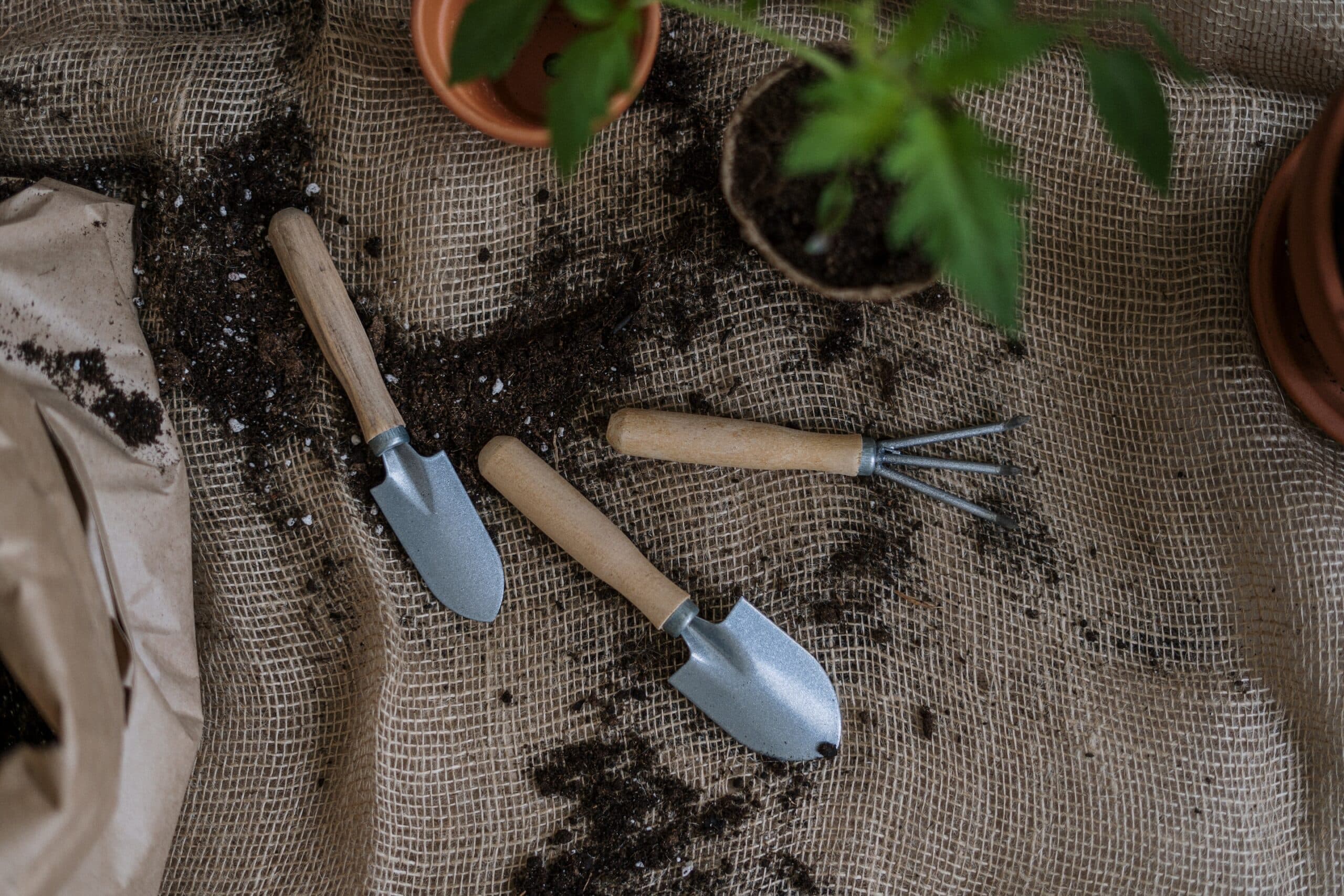
The first thing to know very clearly is that plants grown indoors are tropical, that is, very sensitive to cold. And not only that, but they grow when the weather is nice, and stop when the fall temperatures drop. Transplantation is not natural for them, because there is no plant capable of digging up its roots from the soil of a certain area and reintroducing them in another place. When the seed germinates in nature, it stays there forever.
However, man has learned to “domesticate” certain species, and to keep them in pots. But also to transplant them from time to time because, if you don’t do it, they will stop growing and their health, as I said, will weaken more and more. Now, when is it best to do this? What time of year?
Good, Well, the ideal is to do it in the spring; It could be done no later than early summer, but I don’t recommend it because by that season they are already growing at their normal rate, and if for some reason it was damaged during transplanting, even minimal, it would take a little longer to overcome it and resume its growth.
How do you know when it’s time to transplant them?
The quickest way to find out is to simply scoop the plant out of the pot and see if it has any roots sticking out of the pot.. But sometimes it happens that none come out, and instead you need a larger container. How to know in this case?
It’s very easy too: with one hand you hold the pot, and with the other the base of the plant. And then you just have to pull this plant sideways, as if you were going to remove it from the container. Do it carefully: it’s not about removing it from the pot at all, just do it a little to see if the root ball (or potting soil) starts to break down or not.
If not, it would need to be repotted. Because? Because I would need it. And it is that when the plants receive the water they need, or even less, and the earth remains dry for a long time, it becomes compacted and, consequently, the roots too.
Can sick or flowering houseplants be transplanted?
It depends on the case. As per usual, it is best not to take them out of the pot until they have recovered or until they have finished floweringfor at such times they put almost all their energy either in improving or in producing the flowers and trying to make them bear fruit.
Now well, If, for example, we have one that has been overwatered and we want to recover it, then yes, we will have to remove it from the pot and wrap the ground bread with paper towel to absorb moisture. Later, when said soil is dry, we will plant the plant in a new pot.
And just bought?
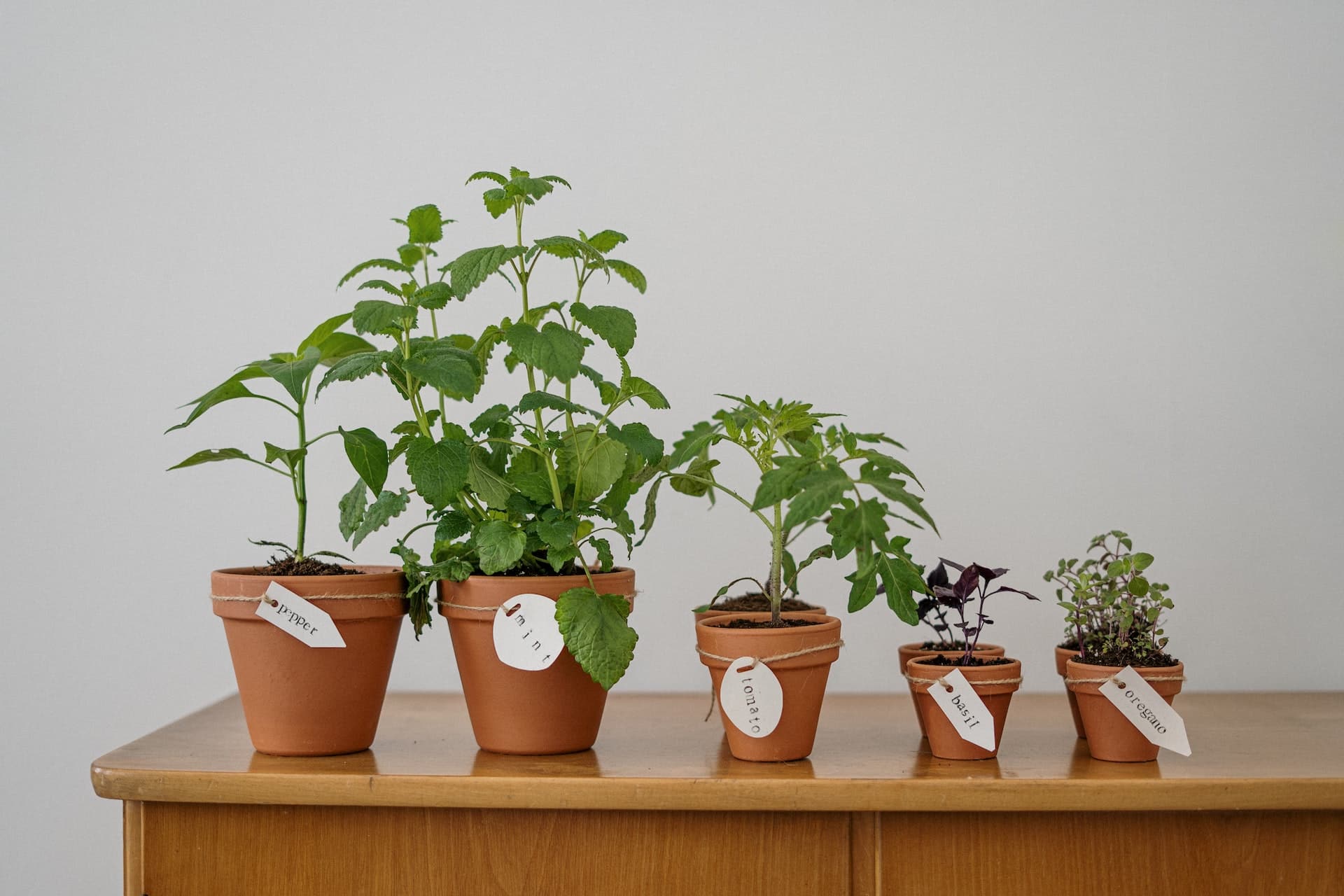
If you have just purchased indoor plants, I advise you to look to see if they need a bigger pot by picking them up by the base and pulling them out, as I explained previously in the point “How do I know that the time has come to transplant them?”. Chances are they need a change, but best to make sure.
In any event, do not transplant them if it is fall or winter. It is best to wait for the arrival of spring so that they adapt well to their new home.
Likewise, It must be taken into account that the pot must have holes in its base, and that the substrate must be spongy, light and of good quality.as a universal substrate of brands such as Westland or Fertiberia.
If you need more information, this article may help:
Related article:
How to transplant houseplants