
Growing food in cold climates can be incredibly frustrating. The growing season is shorter than in other places and the weather can be unpredictable. This combination is especially frustrating for people who love hot peppers!
Fortunately, there is a workaround for this.
How can you grow hot peppers in cold climates?
Since spicy Latin varieties thrive in hot climates, plants often fail to thrive in USDA Zones 5 and below or areas with cool or short summers.
The key is to grow cultivars that have been grown under similar conditions.
In every gardening course I’ve taken (and taught), a key factor in growing it successfully is choosing plants suited to the local climate. The best option is to cultivate species native to this region. You can also choose species that thrive in similar conditions.
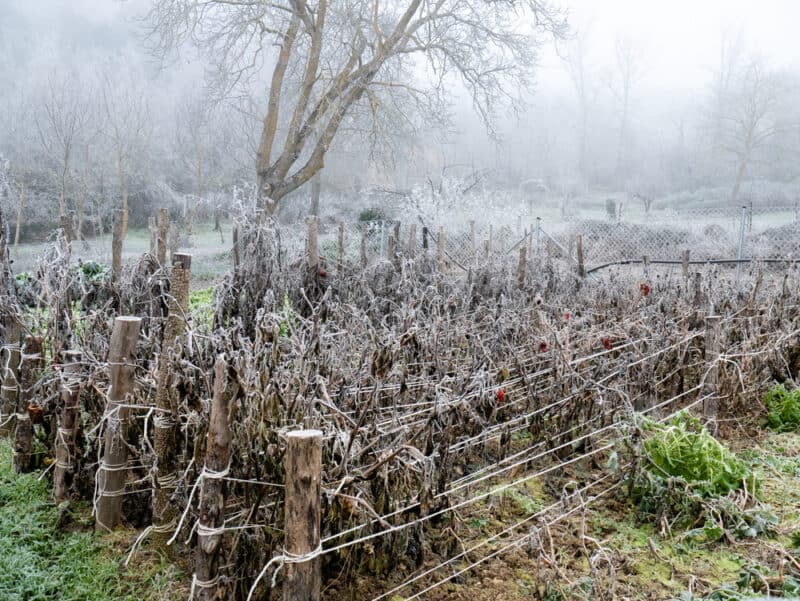
Basically, if you live in zones 3 or 4, choose plants that grow well in those zones. These don’t need to be native to your region, however. Do some research to find out where these areas are in the world. Then find out which varieties have been grown there.
I’ll use my own property as an example here for convenience. Currently, I am in zone 4b, in the Laurentian Mountains of Quebec (Laurentides). My local climate is temperate, cool and quite humid. It is surrounded by forests and the soil is quite acidic and loamy.
Plants thrive in similar growth zones
When I started planning my garden, I discovered that there are several other places around the world with similar growing conditions.
In the United States, Zone 4 locations include most of the northern and central states, down to Colorado and east to New England. It also includes the southern tip of Alaska.
Globally, it includes parts of Sweden, Finland, Latvia, Lithuania, Hungary, Bulgaria, Romania, Belarus, Ukraine, Russia , Kazakhstan, Mongolia, North Korea, and parts of the Andes Mountains in Argentina and Peru.
As such, I try to obtain seeds for cultivars that are native to these places or have been adapted to grow well there.
Alternatively, if you are growing in an area with a short growing season, you can choose fast-maturing varieties as well. These will ripen earlier than their standard cousins, ensuring full ripeness on the warm days you have available.
For best results, start your seeds indoors well in advance, as mentioned below.

The Best Hot Peppers for Colder Climates
These cultivars are ideal for cooler areas, as they tolerate cool temperatures well. If you plan to grow one of these, start your seeds indoors 8-12 weeks before your last frost date. Then harden them gently by exposing them daily to outdoor temperatures.
Finally, transplant them outside as soon as they are mature enough to withstand the wind and possible drafts.
This way they will be able to fully ripen before the next frost arrives.
1. Black Hungarian
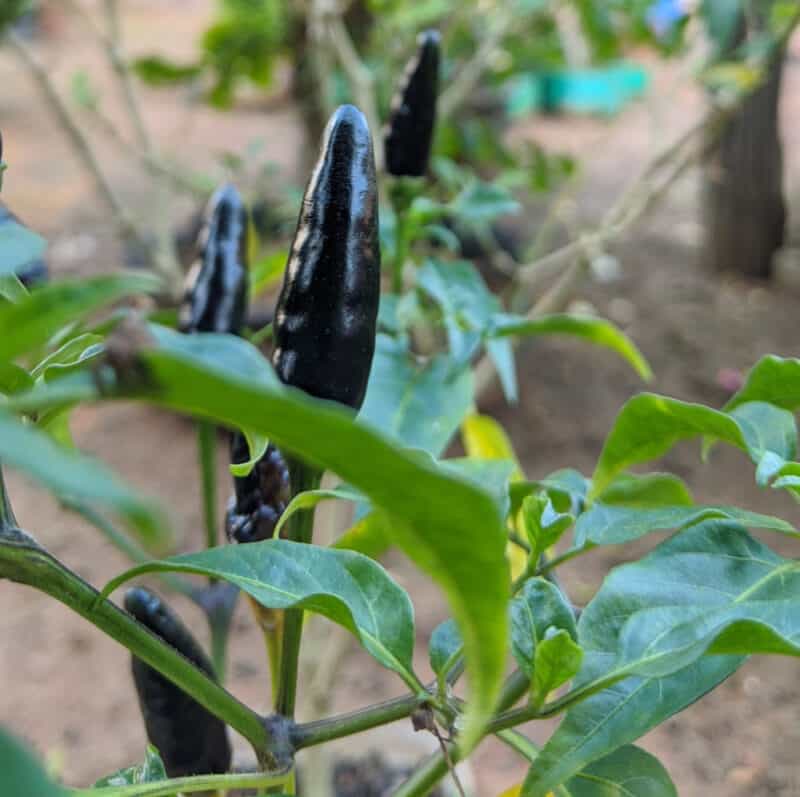
These jalapeno-shaped peppers mature in 75 days and average about 3 inches long. They are about as hot as a medium jalapeno, with a sweet aftertaste. Although they need full sun, they appreciate afternoon shade on the hottest summer days.
2.Aji Rico F1
If you love cayenne peppers, add this beauty to your list. It also ripens to red in about 75 days and has a tangy, spicy-sweet, lemony flavor.
3. Bulgarian carrot
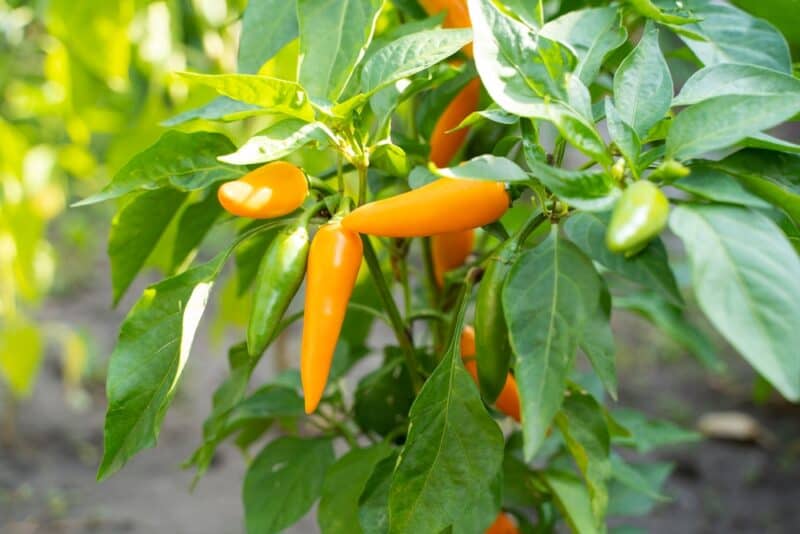
These peppers are crunchy and pungent with a fruity aftertaste. They are long and slender (hence their nickname) and mature in 75 to 80 days. If you have trouble finding seeds, you can also search for them under the name “Shipkas”.
4. Aji Fantasy
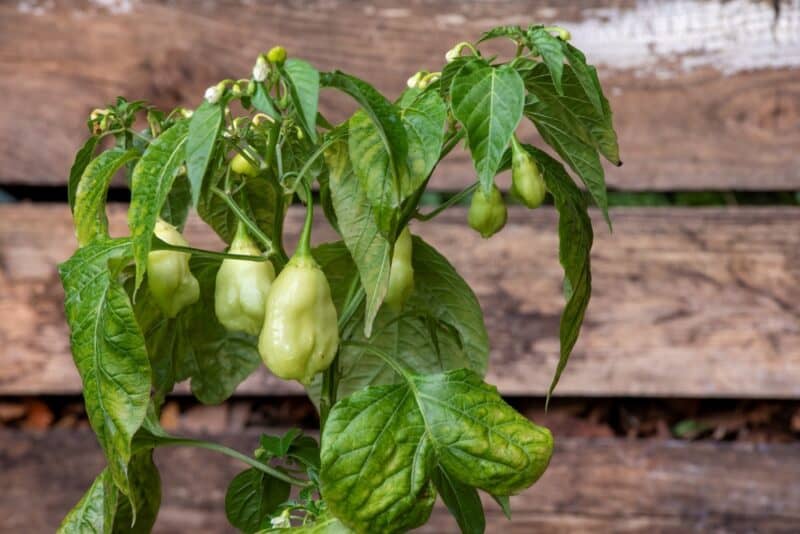
You might not think Finland is a hot spot for hot peppers, but you’d be wrong. The ‘Aji Fantasy’ cultivar is one of the mildest hot peppers on this list, but also one of the tastiest. Its cap-shaped peppers reach a beautiful lemon-yellow hue in about 80 days.
5. Korean dark green
This Korean chili matures in 80-85 days and is probably the hottest cultivar on this list. The slender, four-inch-long fruits are downright fiery, and you only need a tiny amount to reheat an entire dish.
Use them in your favorite kimchi recipe or turn them into sauces to add a mouth-watering treat to any meal.
6. Black-seed Manzano
Although it is the longest ripening pepper on this list at 100 days, it is included for a reason. They come from the northernmost parts of the Andes and do best in temperatures between 45-60°F (7-15°C).
As a result, they thrive in cooler climates and can even withstand frost.
These peppers also have a surprisingly long shelf life. If well wintered, they can live up to 15 years! Plus, they grow quite tall and can reach over 10 feet under the right conditions.
7. Orange Spice Jalapeno
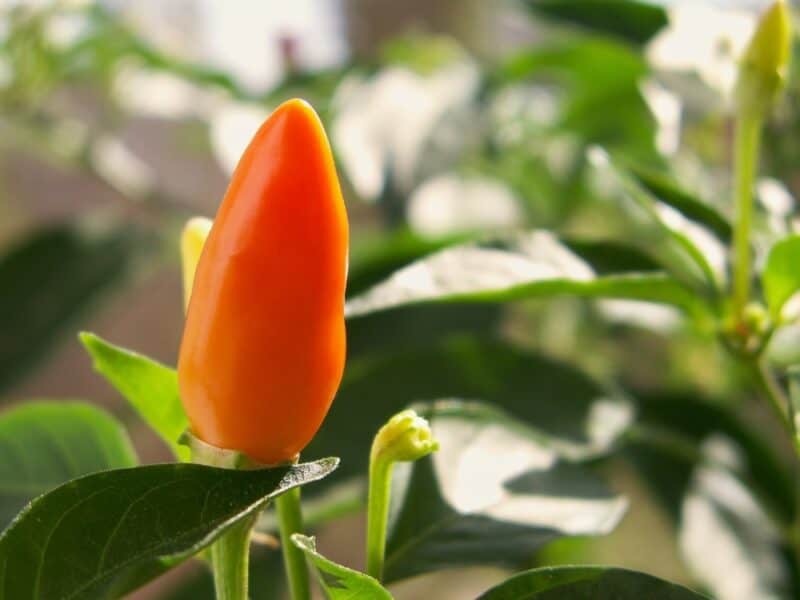
Orange jalapeno peppers ripen in just 60 days. If you start them indoors a few weeks in advance, you could have ripe peppers in just about six weeks of summer weather.
They have a fruity, lemony flavor and are not very pungent.
8. Bumpy Yellow
This habanero matures in about 80 days and, unlike other extremely hot peppers, does well even in mild climates. They are also perfectly happy in containers. The fruits look really cool, with a spinning top shape.
9. Jimmy Nardello
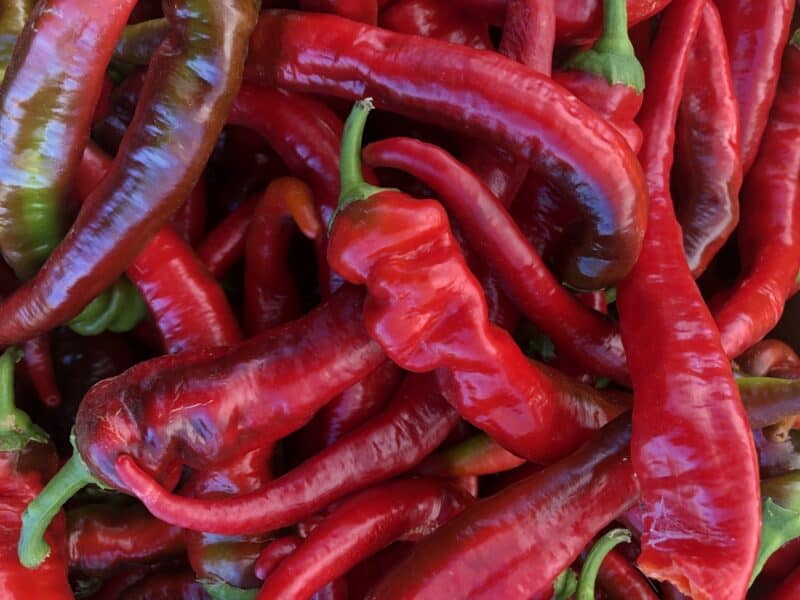
Ripening in just 75 days, this pepper was bred in southern Italy and brought by immigrants to cold Connecticut in the 1800s. It has continued to grow and produce well despite climate change. That should tell you how adaptable this pepper is.
Additional tips
If any of the peppers you grow thrive in your garden, don’t forget to save the seeds! Their offspring will be pretty much guaranteed to do well next year.
Also, remember that you can pot these peppers and bring them indoors for the winter. Then just transplant them outside once the weather warms up again. I’ve had a jalapeno pepper for five years now, and it produces more fruit each year.
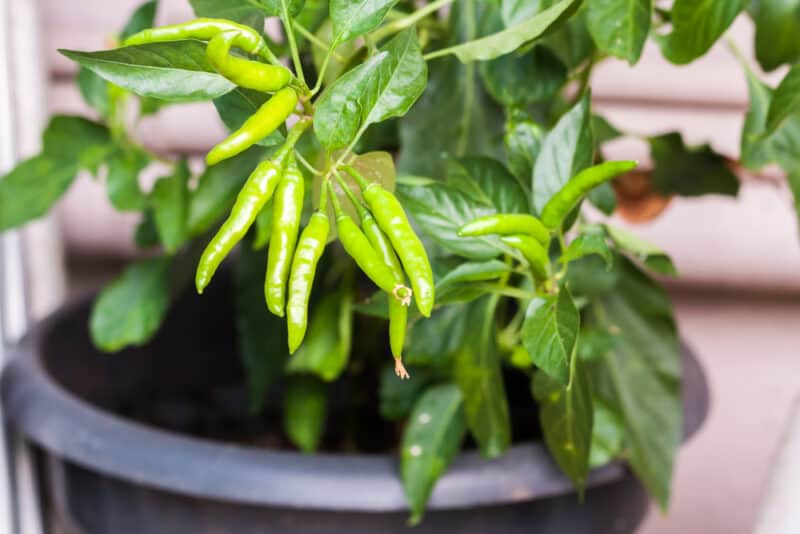
A colder climate/low hardiness zone doesn’t have to stop you from growing the hot peppers you love. Try to grow outdoors as much as possible, but remember that there are other options as well.
If things aren’t growing outdoors due to unpredictable weather, grow them indoors instead!
Set up a small greenhouse or grow your plants in the sunniest spot in your home. Where there’s a will, there’s a way, and delicious hot peppers are well worth the effort.
Was this article helpful?
Yes No ×
We appreciate your helpful feedback!
Your response will be used to improve our content. The more feedback you give us, the better our pages will be.
Facebook pinterest