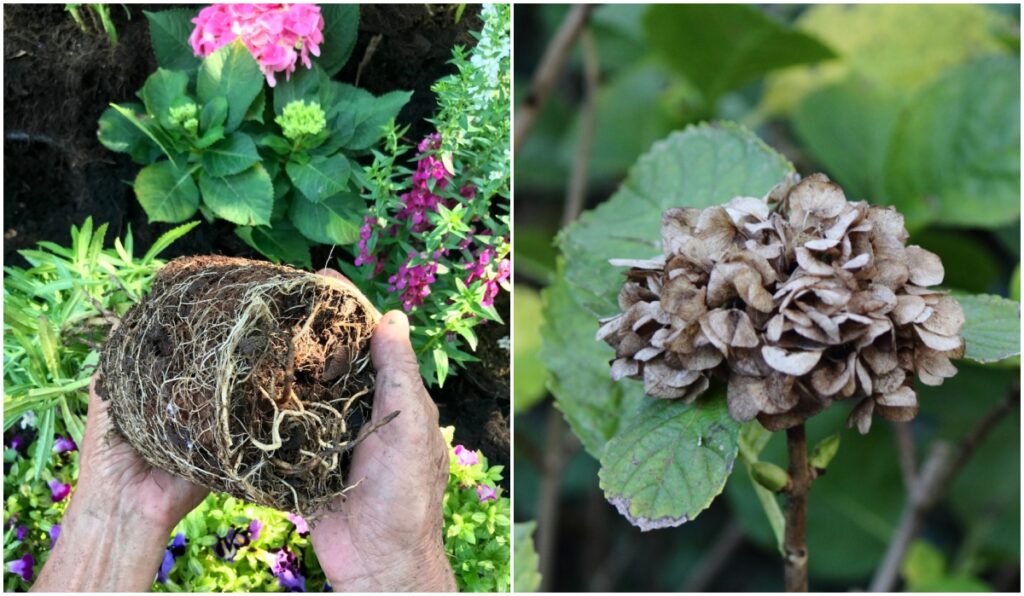

Around the world, hydrangeas are one of the most widely grown ornamental plants. They make excellent cut flowers and tolerate shade well, being suitable for many conditions. They are also considered easy to grow and adapt well to different climates.
Despite this ease of care, there are small growing quirks that often trip up gardeners growing hydrangeas for the first time.

Don’t worry if you’ve made any of these mistakes, you’re not alone. In my first year of cultivation, I made at least four (maybe more). But if you know where things can go wrong and what to avoid, your hydrangeas will continue to bloom, and more importantly, bloom.
1. Not knowing your strain
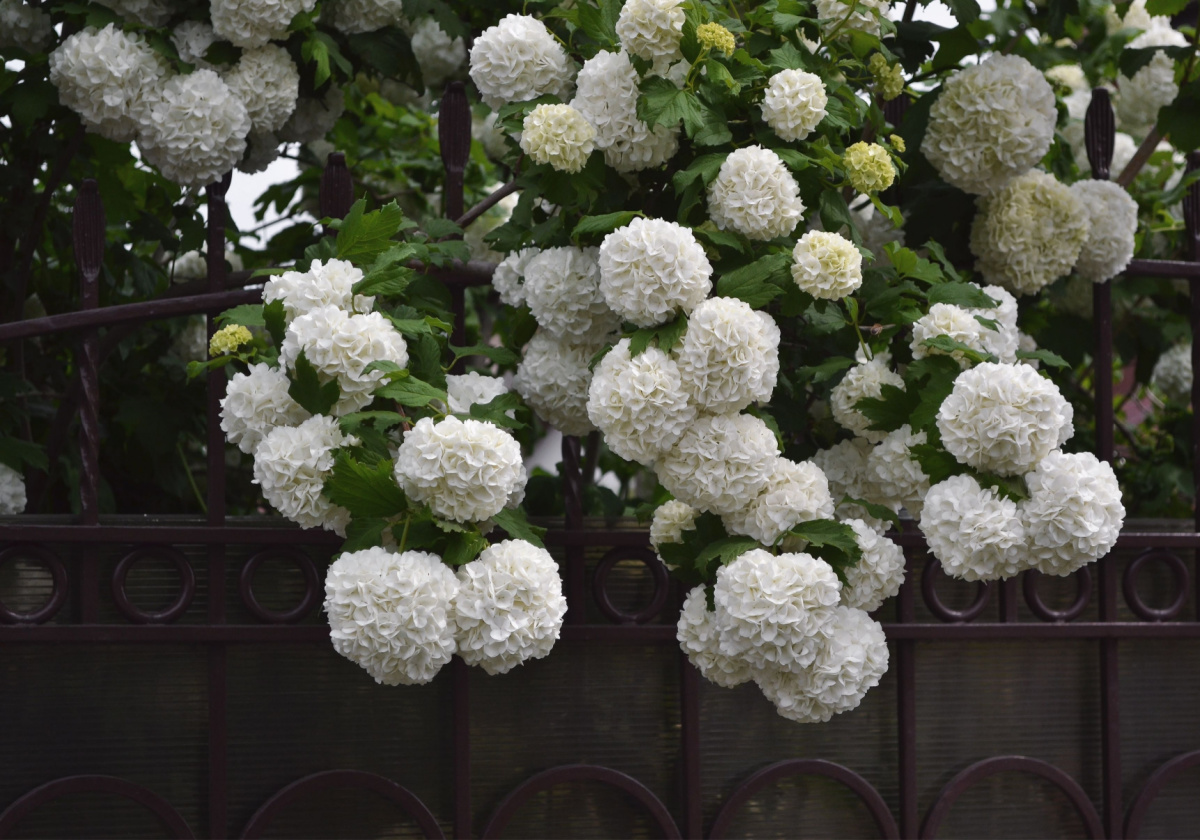
Hydrangeas are commonly known by their genus name worldwide (formerly Hydrangea). But that doesn’t mean that all hydrangeas are the same. There are several varieties to choose from, each with slightly different characteristics and growth patterns.
Before planting, it is important to know what type of hydrangea you are growing. This will give you a better idea of where to plant and how to care for it. Some have more specific lighting requirements for flowering than others, some varieties have different pruning techniques, and some only grow in certain USDA zones, so knowing the difference is essential for proper care.
Flower color is another important characteristic to consider. Although there are many tips on hydrangea flower color and how to change it from pink to blue or vice versa, it is important to note that not all varieties follow this rule. Some cultivars retain the same color, including those that range from pink to blue, such as white and green.
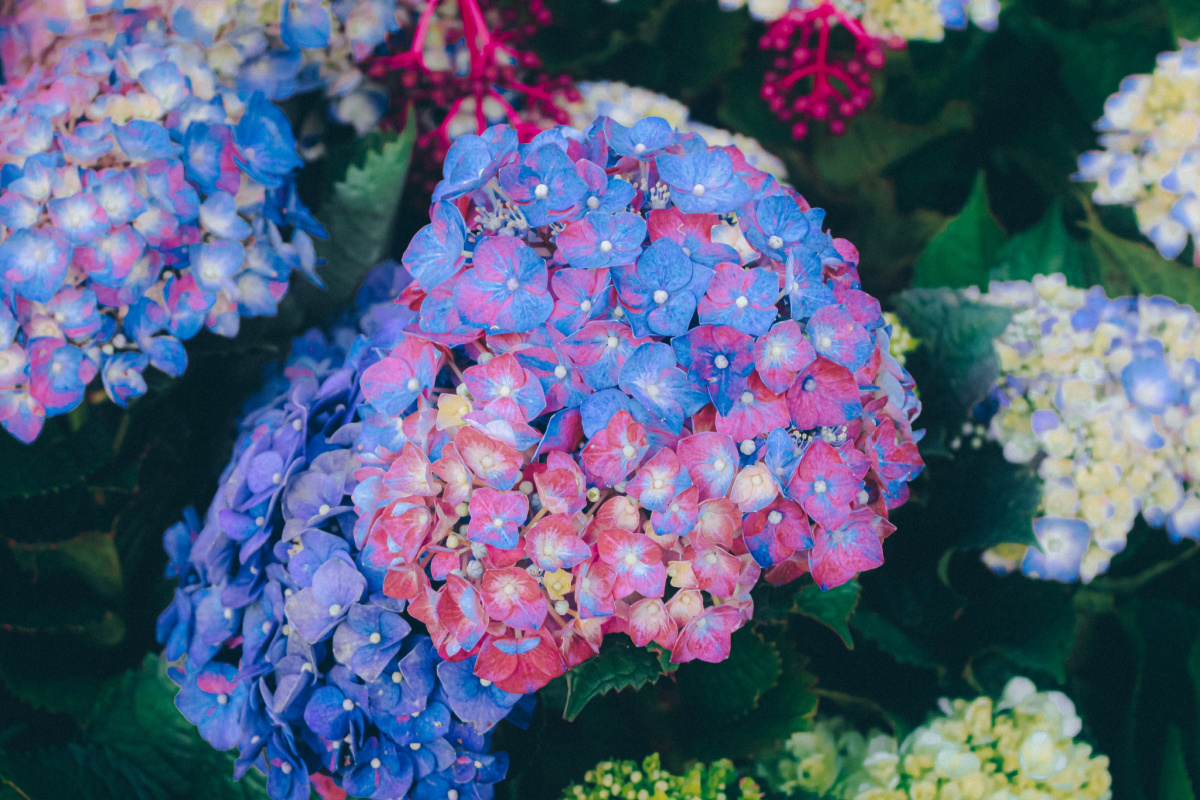
Trying the different tricks to change the color of these flowers will eventually negatively affect the health of the soil and possibly the roots of your plants. This is another area where knowledge of the species and cultivar chosen is essential.
Some of the most popular types are:
- hydrangea macrophylla
- hydrangea quercifolia
- abnormal hydrangea subspecies. petiole
- hydrangea serrata
- hydrangea in panic
- hydrangea arborescens
2. Plant in deep shade

Hydrangeas are known for their ability to thrive in shady areas. In fact, they are one of the most widely grown ornamental plants in shade gardens. But that doesn’t mean they can be pushed into obscurity and expect to thrive.
For your hydrangea to bloom, it needs partial sunlight throughout the day. That could mean a few hours of direct morning sun or filtered light through the shade of a nearby tree.
Many gardeners make the mistake of planting under dense trees that block sunlight and then wonder why their hydrangeas aren’t blooming.
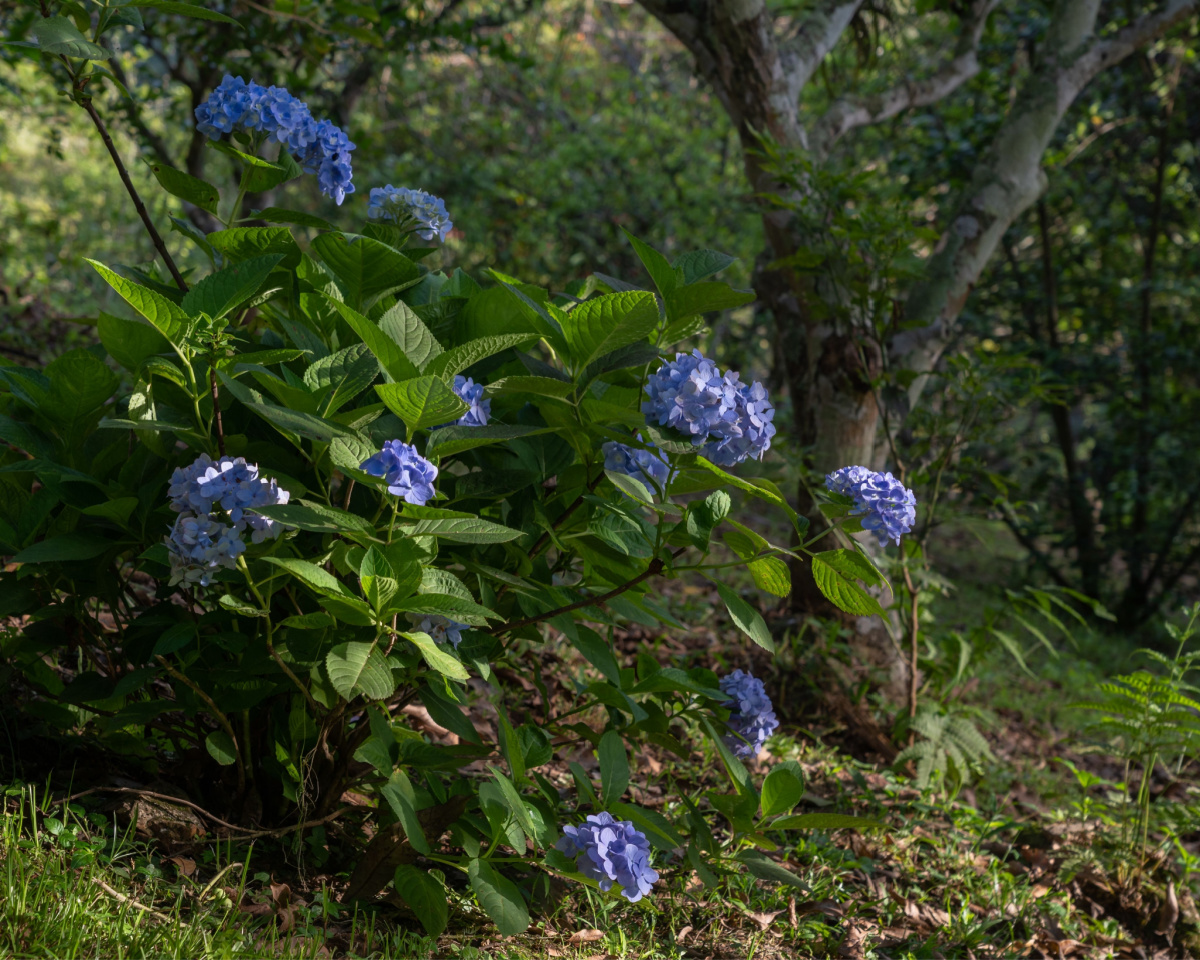
Speaking of trees, you should also avoid planting too close to tree trunks. Not only is the shade denser in these areas, but the roots will have a hard time establishing themselves with so little space. Hydrangeas are not small plants and they need room to grow.
This also applies to the distance between hydrangeas. They may be small at planting time, but some varieties can grow several feet tall and just as wide under the right conditions. Check the projected adult height of your chosen hydrangea to position them correctly.
3. Plant in full sun
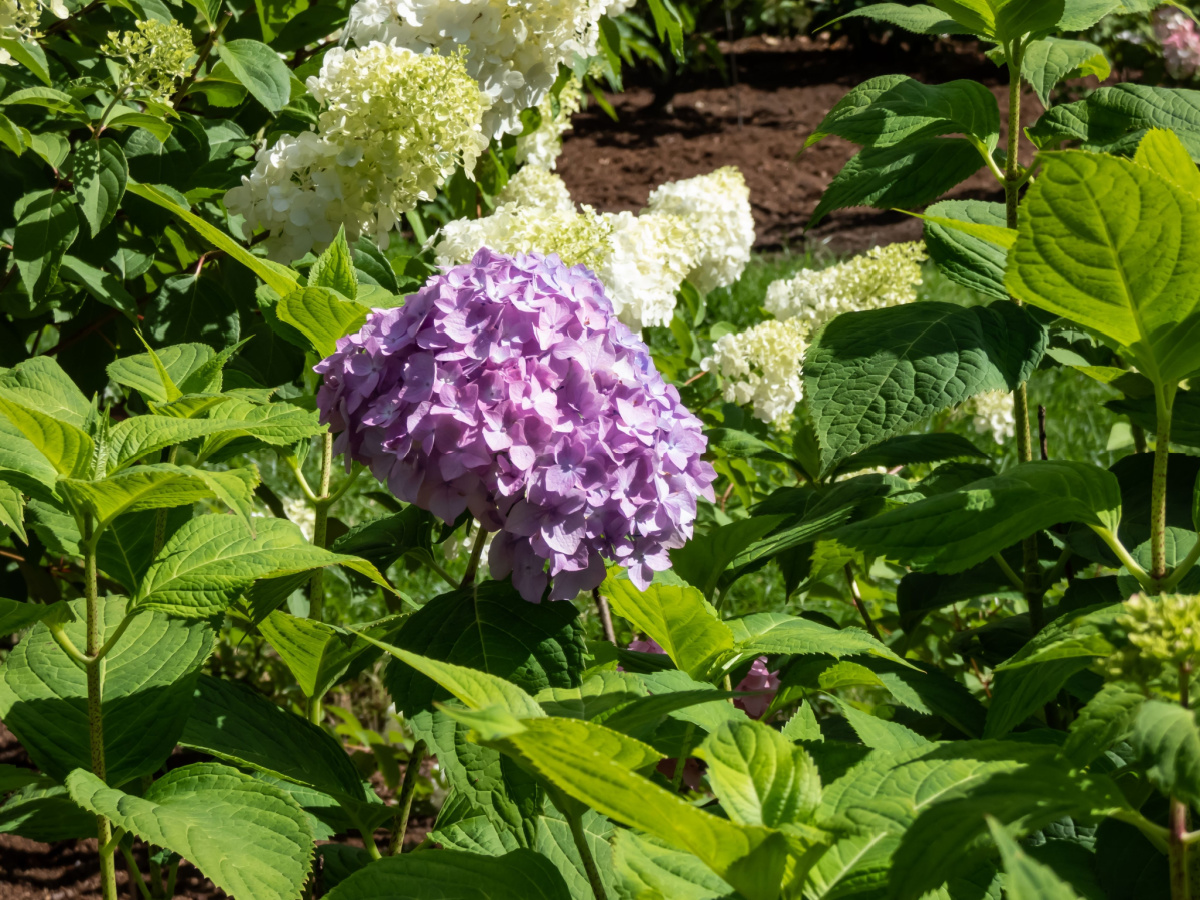
On the other hand, most hydrangeas are also not suitable for full sun positions. More than six hours of direct sunlight per day, especially in the afternoon when the sunlight is strongest, is likely to cause growth problems.
Hydrangea leaves and flowers tend to burn if light levels are too high. Rather green, shiny leaves will develop unsightly brown spots that make the whole plant appear smaller. These spots also stop turning green when conditions improve and should be pruned to clean the plant.

As for the flowers, not only do they burn, but they wilt incredibly quickly. Hydrangea flowers are heat and light sensitive and won’t last long if both are too strong. Excessive sunlight also causes the soil to dry out much faster, depriving the plant of moisture and limiting flowering.
Some varieties are more tolerant of sunlight than others, but it’s best to stay in a more shady, sheltered location to keep these plants happy.
4. Planting in the wrong soil

Hydrangeas are not known to be very demanding plants. They can grow and adapt to a few different soil types, preferring well-drained, nutrient-rich soil. But as adaptable as they are, these plants cannot cope with poorly drained soil or soil that is severely nutrient deficient.
Poorly drained soils, such as heavy clay soils, retain moisture after irrigation or rain. The small spaces between the soil particles prevent air from circulating around the roots. Without oxygen, the roots begin to suffocate. Various fungal diseases can spread, eventually leading to the premature death of your plants.
Nutrients are also an important factor, although they are not as essential as good drainage. While some nutrient-poor soils can be improved with fertilizers, if the structure isn’t good enough, these additives will pull them out of the soil. Healthy soil should be full of rich organic matter to support root and overall plant health.
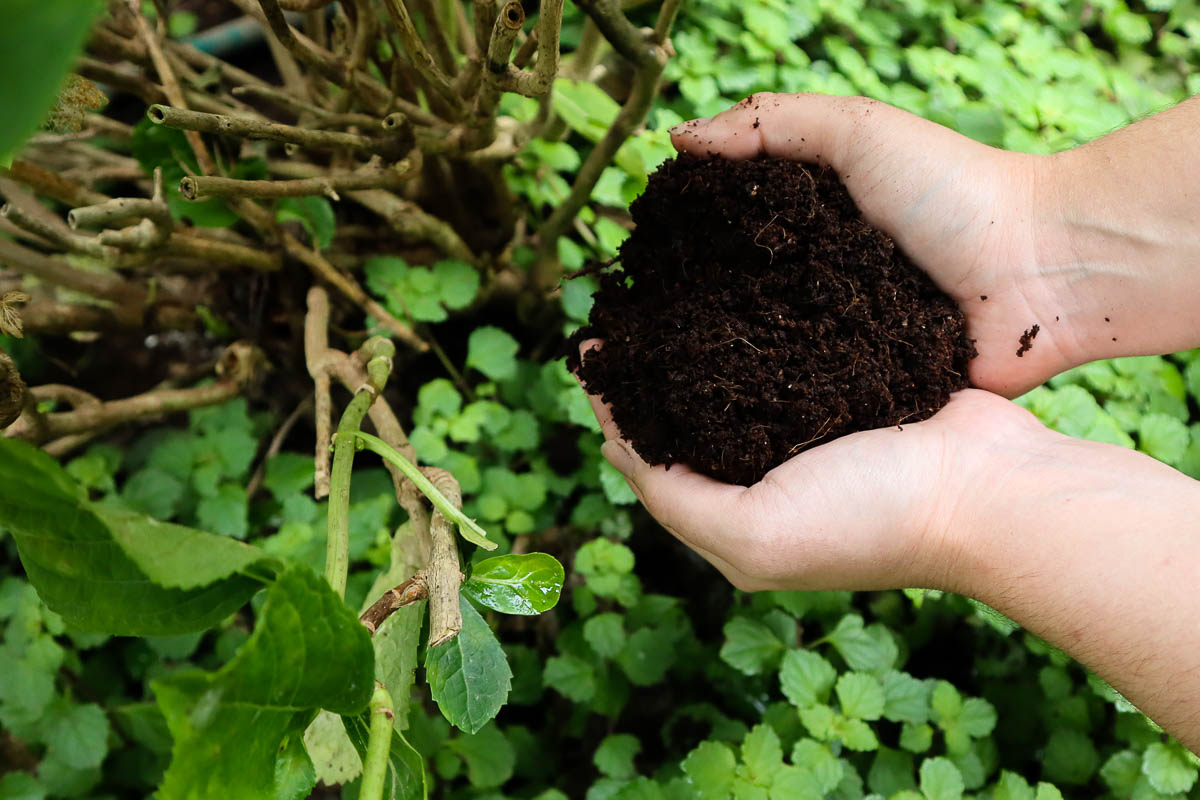
Fortunately, it’s easy to adapt if you don’t have the right type of soil. Clay soil can be amended with river sand to improve drainage and aeration. Amend nutrient-poor soil with compost and fertilizer, and use an organic mulch to slowly break down into the soil over time. Be sure to amend the soil throughout the area, not just the planting hole, to get to where the roots will spread.
5. Forget weeding
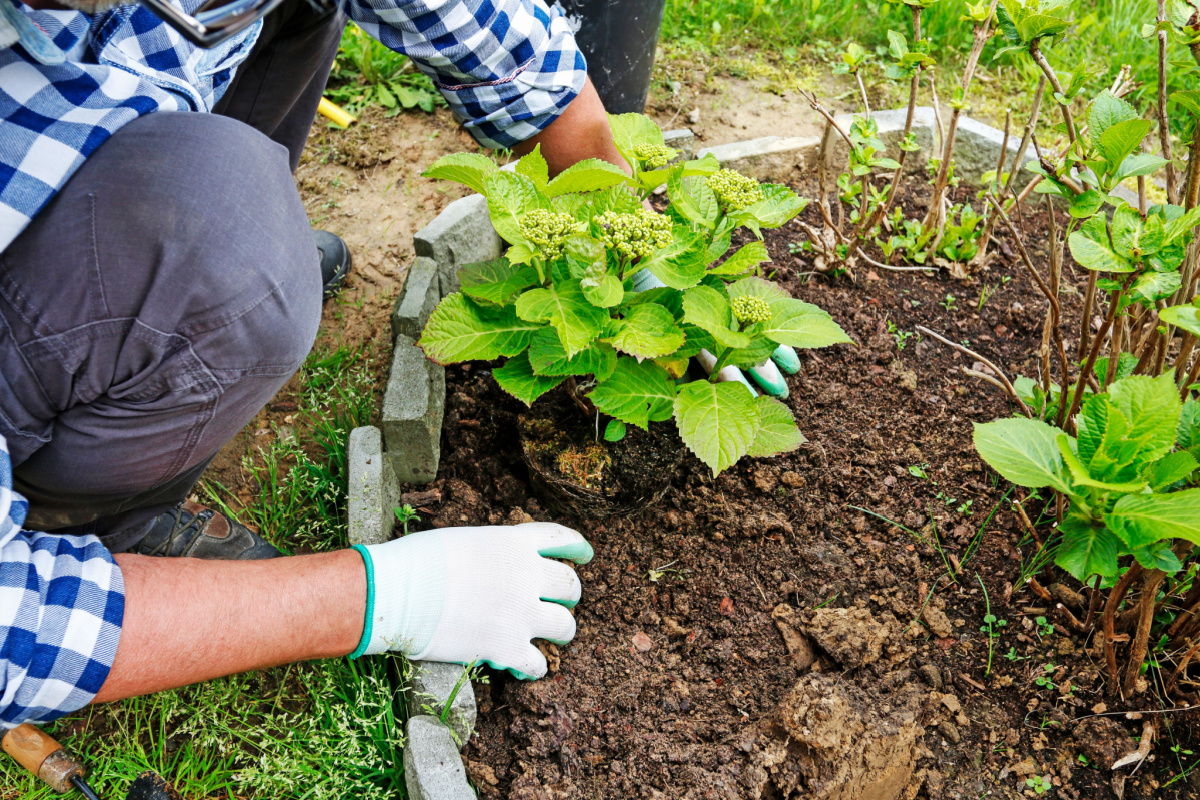
Weeding is a task that can never be forgotten or left to the last minute. One of the main problems with weeds is that they quickly gain ground and spread quickly, which makes them much more difficult to eliminate later.
Weeds around hydrangeas will compete for water and nutrients, two things hydrangeas need a lot. Regular weeding prevents this competition and creates space for your plants to grow unhindered. This is especially important for newly planted hydrangeas that are just starting to grow.
To help suppress weed growth, be sure to clean the area of weeds before planting. Also try to control the spread of weed seeds by cleaning nearby beds. Finally, after planting, mulch the soil to limit the germination of seeds that may have slipped between the cracks.
6. Choosing the wrong companion plants

When composing a bed of perennials, it is essential to choose plants that grow well together.
Known as companion planting, this practice ensures that each of the plants grows happily together and not at the expense of the others. Choosing the wrong partners can quickly lead to many growing problems, usually requiring the elimination of your hydrangeas or other plants.
Because hydrangeas need partial shade, ornamental plants that need full sun are not suitable companions. They are also not suitable for plants that require deep shade, as they will not receive enough light to produce flowers.
Incompatible soil conditions can also lead to growing problems. Be sure to consider soil pH and moisture retention when deciding which plants are best for your hydrangeas. Plants like lavender, which prefer dry, nutrient-poor soil, don’t do well with hydrangeas, no matter how hard you try.
If you’re struggling to choose, check out this list of potential hydrangea companion plants to choose the right one for you.
7. Improper watering
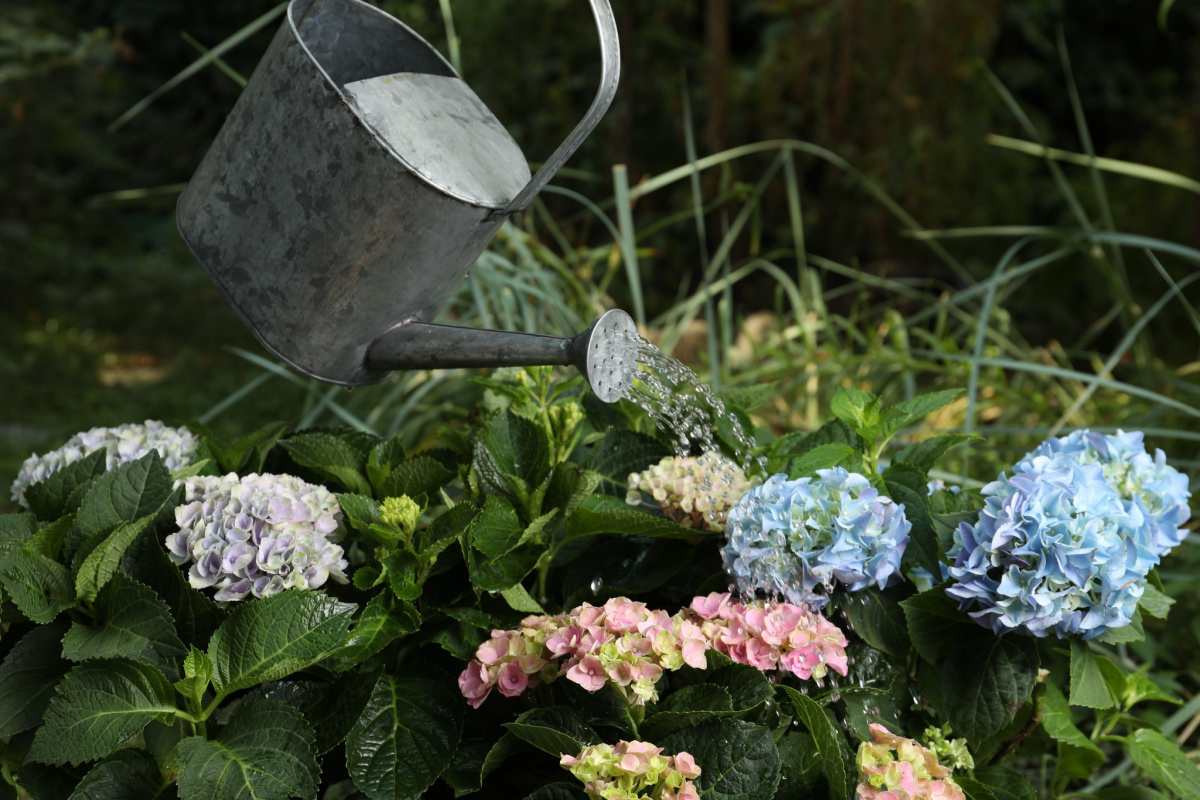
Hydrangeas love moisture, but they also can’t sit in soggy soil. The right balance keeps the roots cool and hydrated, giving you the best blooms and shiny foliage possible above ground.
Avoid watering too often, especially if drainage is poor, as this can quickly lead to root rot. If conditions do not improve, the entire root system will become mushy and the plant will die. Wait for the soil to dry out a bit before watering again, taking into account recent rainfall in your area.
At the same time, don’t wait too long before watering. Lack of moisture and irregular watering cause stress, which limits new growth and prevents flowering. Water is an essential part of photosynthesis and without it your hydrangeas cannot grow.
Irrigation technology also makes a difference in growth. Avoid overhead water as much as possible, direct the water jet only at the ground. This keeps the leaves dry and prevents the growth and spread of harmful fungal diseases.
8. Overfertilization
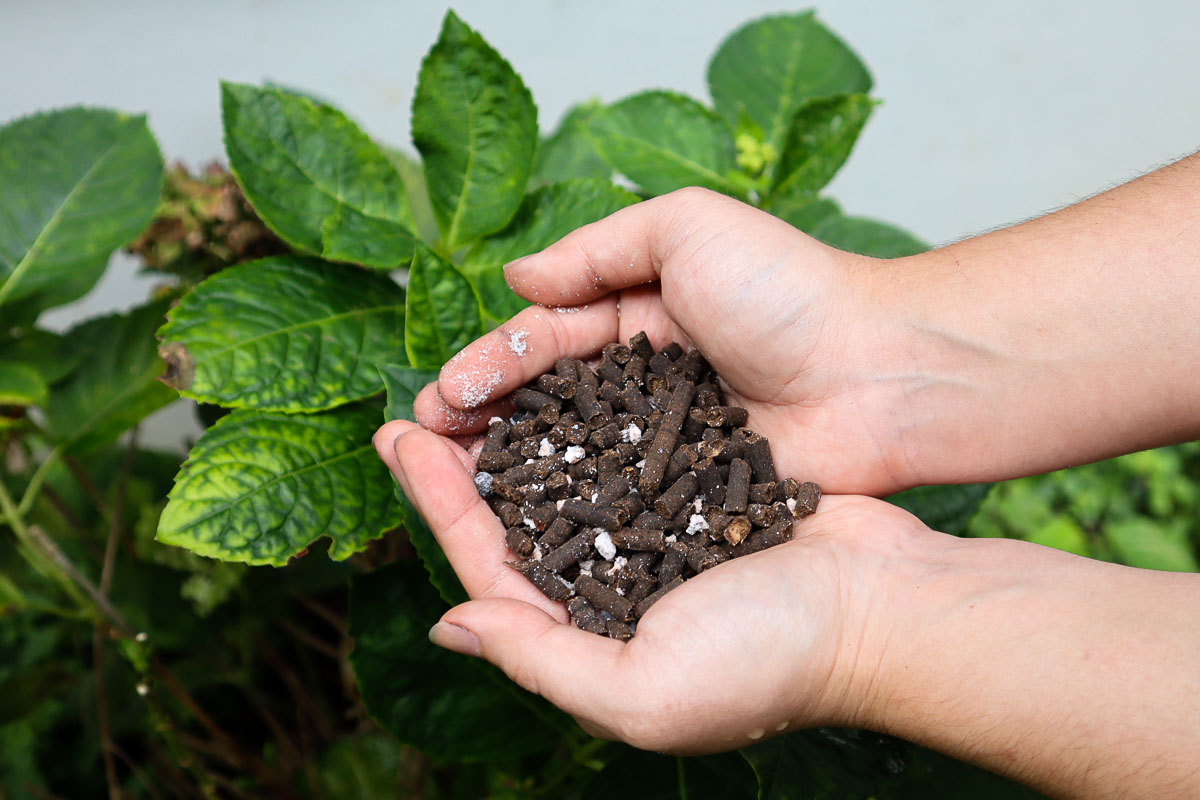
Fertilizing hydrangeas is recommended if you want the biggest and best blooms possible. However, too much fertilizer is never good and can cause more problems than it tries to solve. An imbalance of nutrients in the soil can “burn” the roots, stunting growth and flowering.
Hydrangeas don’t need to be fertilized very often, usually once a season before flowering if the soil quality is good. The type of fertilizer you use also depends on the type of hydrangea you are growing.
Follow our hydrangea fertilization guide here to avoid errors in choice or application.
9. Cut at the wrong time

The final mistake is one that many hydrangea growers make, especially those new to these plants. Pruning hydrangeas is technical work that must be done with care season after season. If you don’t prune correctly, you may not have flowers the following year.
For hydrangeas that bloom on old wood, buds will develop late in the blooming season. These buds remain on the plant and develop into flowers the following year. If you cut them off when pruning, they won’t bloom the following summer.
Start by determining what type of hydrangea you have and how it blooms. Then you can prune with confidence, knowing it won’t negatively affect future growth. If you need additional advice, follow our size guide here.
Hydrangeas are wonderful additions to any ornamental garden if you know how to care for them properly. Avoid these common mistakes and you should have no problem harvesting flowers season after season.