
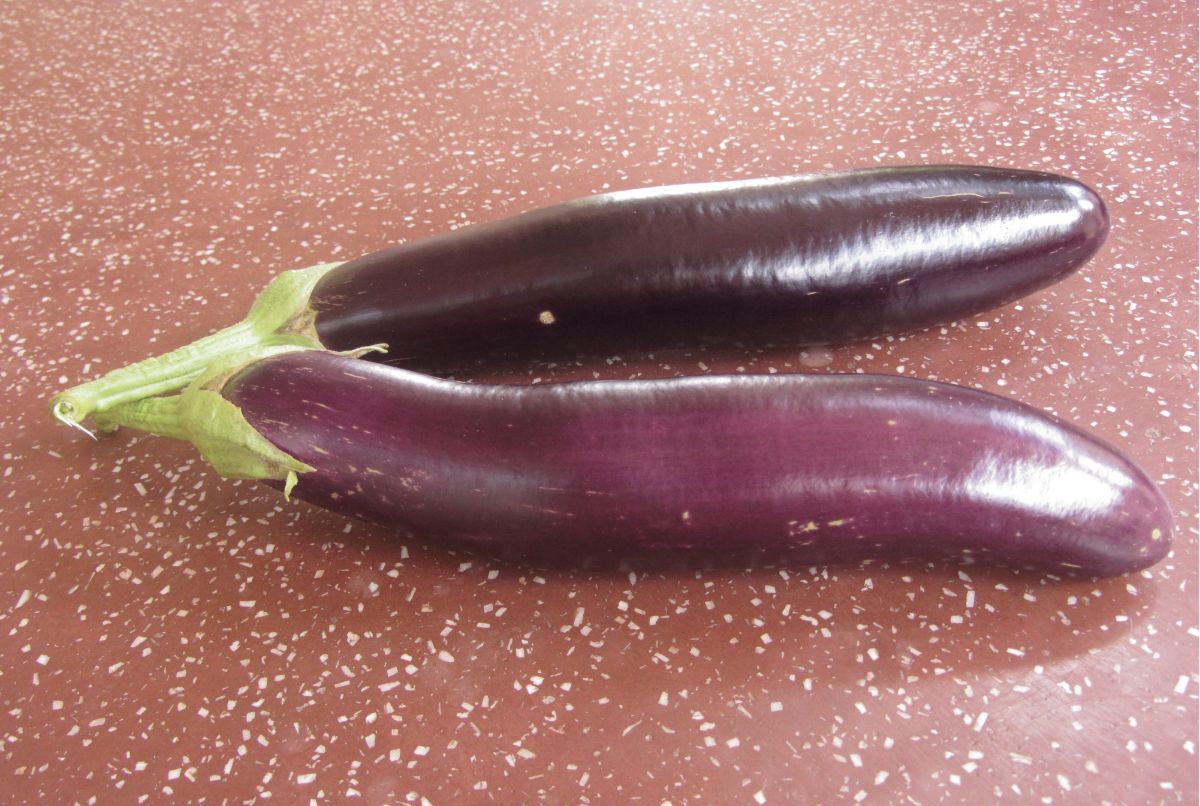
What would you like to plant in the garden? Maybe lettuce, tomatoes, eggplant? Among these, it is increasingly common to look for Chinese eggplant, but do you know what it looks like? And how is it different from the usual?
In this case, we will talk about her. But also of all the keys that you must take into account regarding its culture. Shall we start?
How is Chinese eggplant
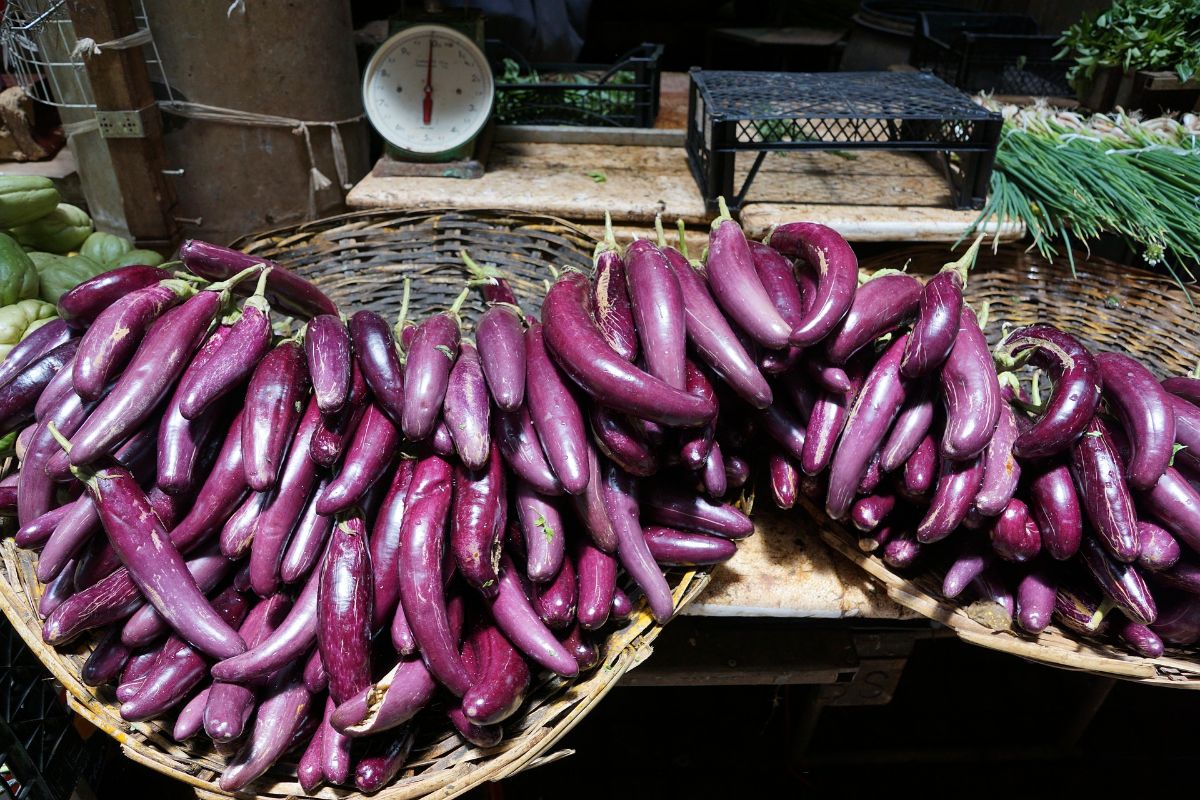
The first thing you need to know about Chinese eggplant is that it is not the same as the ones you know. For starters, it is much thinner than these. In addition, it is more elongated and its color is not so purple but of a softer and lighter shade.
For all this you will think that it also changes flavor, and the truth is that it does. As with onion and chives, so does eggplant and Chinese brinjal. It has a milder flavor because, since it contains fewer seeds, they do not give that bitter touch found in other eggplants.
In other words, you might find that, If you don’t like eggplants, these will fascinate you because they are not the same as the others.
Other names under which you can find this vegetable are: Asian Eggplant, Nasubi, Japanese Eggplant, Suriname…
How to Grow Chinese Eggplants in Your Garden
If after what we have told you you have been stung by the itch to know what they taste like, and above all to grow them if you liked them when you tasted them, What if we helped you do it? To do this, you must consider the following:
get the seeds
Thanks to the Internet it is easy because if you cannot find them in the usual nurseries or stores where you buy them, you can always choose to search the Internet to buy them. EITHER even through seed exchange forums.
Of course, follow the process to the letter so they germinate well and don’t waste your money.
Location
The location of the Chinese eggplant depends a lot on the state it is in. If these are seeds that you have just planted, it is best to place them indoors for about 6-8 weeks to prevent the cold from deteriorating them. Heat is the key to their germination.
When you already have 2-3 leaves, you can start taking them outside, but always when the temperature does not drop below 21°C.
Temperature
Speaking of temperatures, these are not cold or frost tolerant plants. In fact, they’re usually planted in March or April when the cold weather is over, so they don’t suffer or end up freezing (which can happen).
You shouldn’t worry too much about the heat.
Substrate
Chinese eggplant is a bit special in this respect. And it is that you need a soil that has a pH between 6.2 and 6.8. Besides, it must also contain drainage, which can be with perlite or with expanded clay (We recommend the latter because, being larger, it will allow the soil to oxygenate much better).
It doesn’t matter if you plant it in a pot or in the ground (in your garden), but you have to use this mix of soil for it to be successful (otherwise it may be difficult for it not to produce the production it does). should ).
Irrigation
Irrigation is another care you need to pay attention to. And it is that, to begin with, the plant does not grow too much, but as eggplants grow, they may end up touching the ground and when watering, and being in contact with moisture, they may easily rot. Therefore, you should consider the following:
Water because it needs a moist substrate to feed well (more in summer).
Protect the fruits it bears, well with stakes or something similar to prevent the weight of the fruit from touching the ground.
Also in this way you will avoid the attraction of pests and insects to them.
Subscriber

In general, Chinese eggplant usually does not need fertilizer because it was planted with new soil in the same year and it will have enough. But some professionals use a little or even half the dose to help it develop and have a higher production.
Note that, if the plant is small, it can lead to overproduction and take lots of quantity but small size and average (or poor) quality.
Size
It doesn’t really need pruning as such. However, as a recommendation, we suggest the following:
Prune branches and leaves that appear to have deteriorated or have been affected by pests to prevent this from spreading to other parts of the plant.
Cut flowers and ripe eggplants so that the plant can relocate energy into other fruits or produce more eggplants. Keep in mind that we are not talking about a plant that bears fruit and that is it. If you collect them and it’s still in season, it’s normal that he has another production again.
Plagues and diseases
This is where you have to be careful, as they tend to attract a lot of pests and animals that want to eat the Chinese eggplant. SO you will need to protect them somehow to prevent them from being cut or destroyed before you can harvest them.
Ants, beetles, fleas and other pests are the most common. This is why you will have to use a product to keep them at bay and, in case they are already on them, you will have to clean them and apply something to avoid them.
Multiplication
The only way to propagate Chinese brinjal is through the seeds of the fruit it bears. These can be saved until the following season to be planted in the spring. In the meantime, you will have to clean them, dry them and store them in a cool and dark place for the arrival of the good weather and plant them to have a greater production of eggplants.
As you can see, the Chinese eggplant is not difficult to have in your garden. You just have to comply with what you need for the eggplants to come out. Remember to cut as they mature as this will allow the plant to produce more until the end of the season.