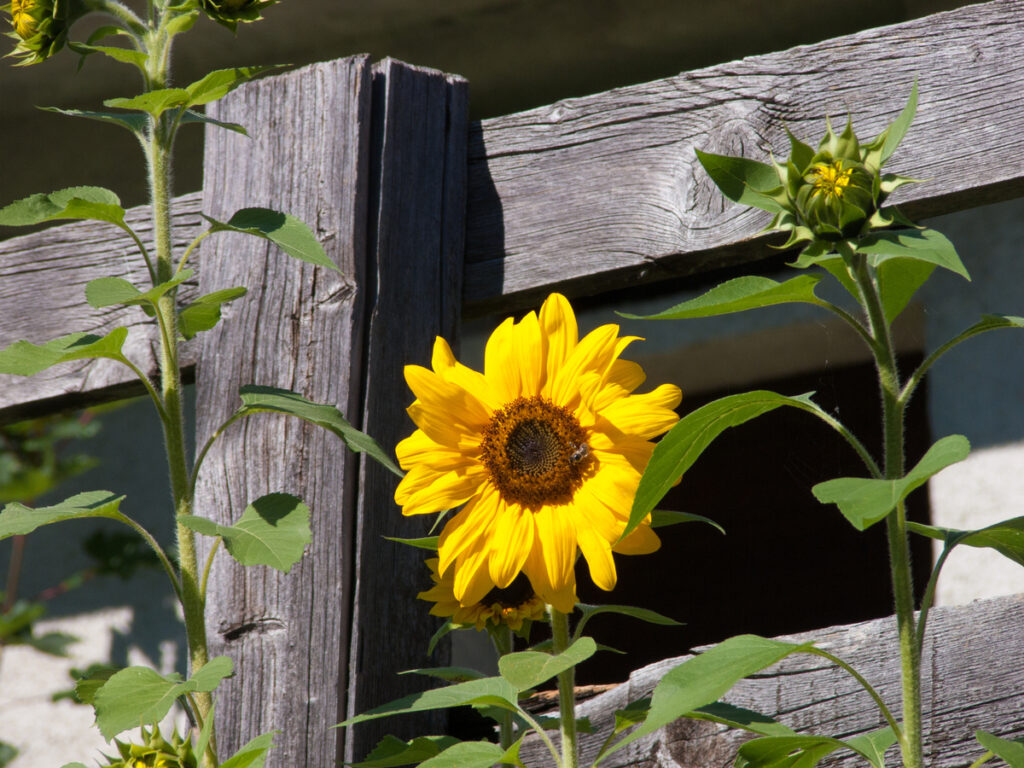
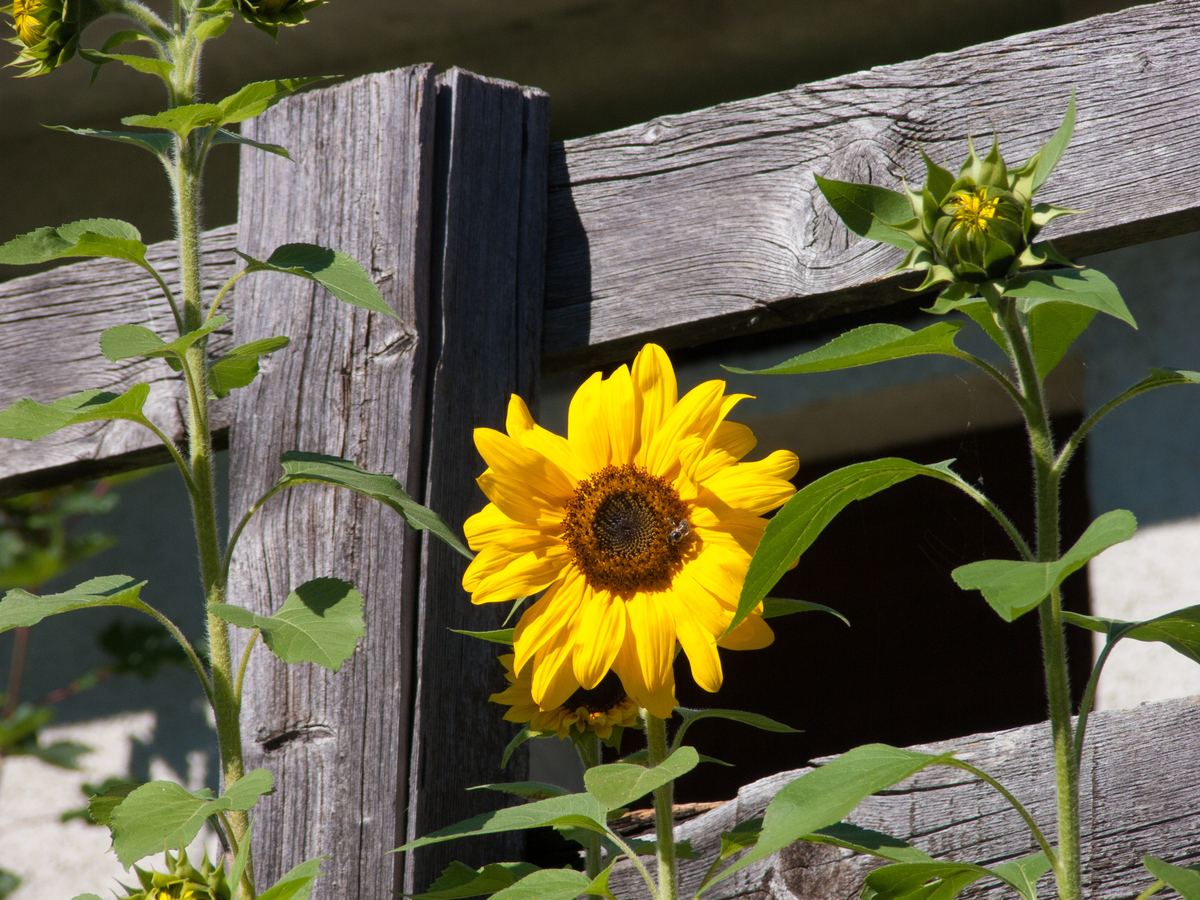
Sunflowers are one of those cheerful plants that scream that summer is in full swing. Tall and majestic, they produce large flower heads that spin with the sun, one of the few plant species that track solar energy.
There are a number of reasons sunflowers make good companions, including their size (which provides shade) and their ability to attract pollinators.
Sunflowers make great standalone plants, but they’re even better when paired with one of these twelve companions.
Quick care guide for sunflowers
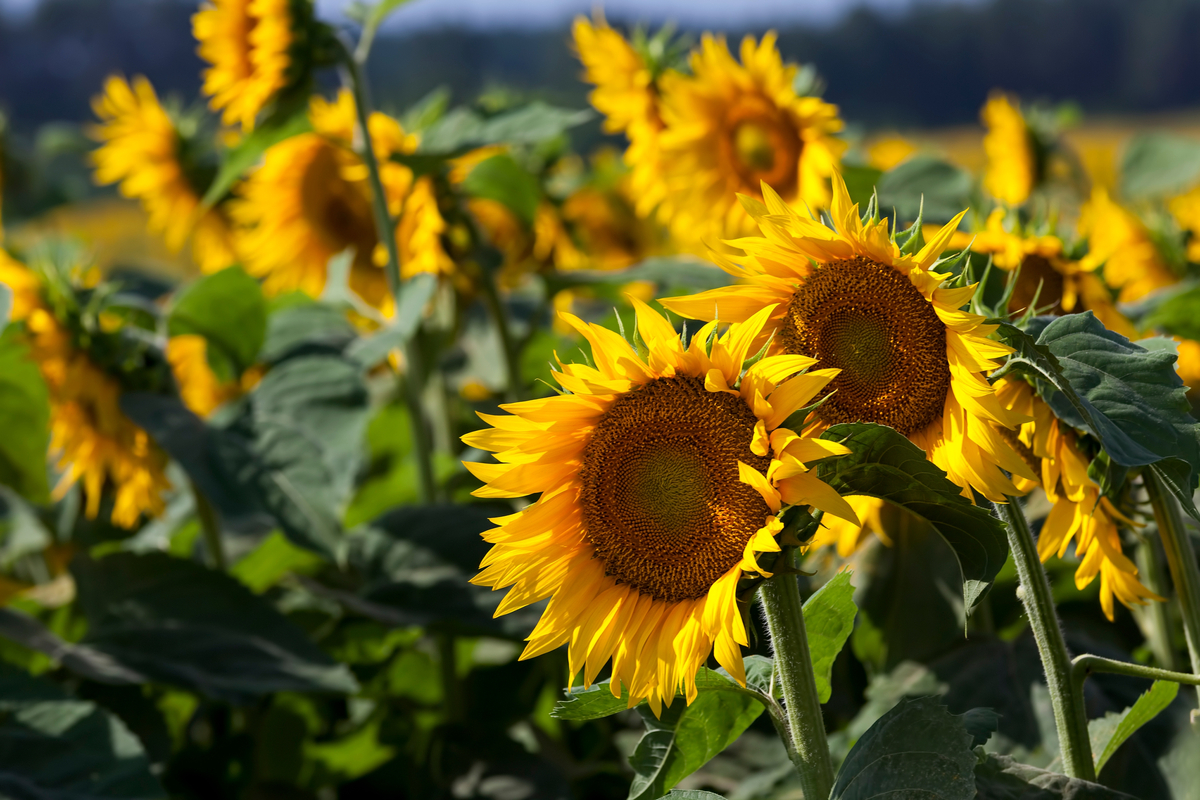
Sunflowers (Helianthus annus) are tall, sun-loving plants with flowers that range in color from bright yellow to orange, maroon, red, and chocolate brown.
Some species are still small, reaching only 30 cm in height, but there are giants that can reach 4 meters in height.
They need at least 6-8 hours of sunlight with the head moving towards the light source throughout the day.
These plants are not fussy about soil, as long as it drains well. They need a good start for optimal growth, so add plenty of compost and fertilizer to the soil before planting.

Sunflowers do not like the wind, it is better to plant them against a wall for shelter. Successive plantings (sow every 5-6 weeks) can extend the season and enjoy flowers throughout the season.
Water regularly after planting, cutting back once roots are established. This helps taproots penetrate deeper into the soil, making them more stable.
If you have prepared your soil before planting, you do not need to fertilize them. If they are not doing as well as expected, add a small dose of liquid fertilizer to your water.
Large species may require staking. To avoid extra work, plant them along the fence line and tie them loosely with twine to support them.
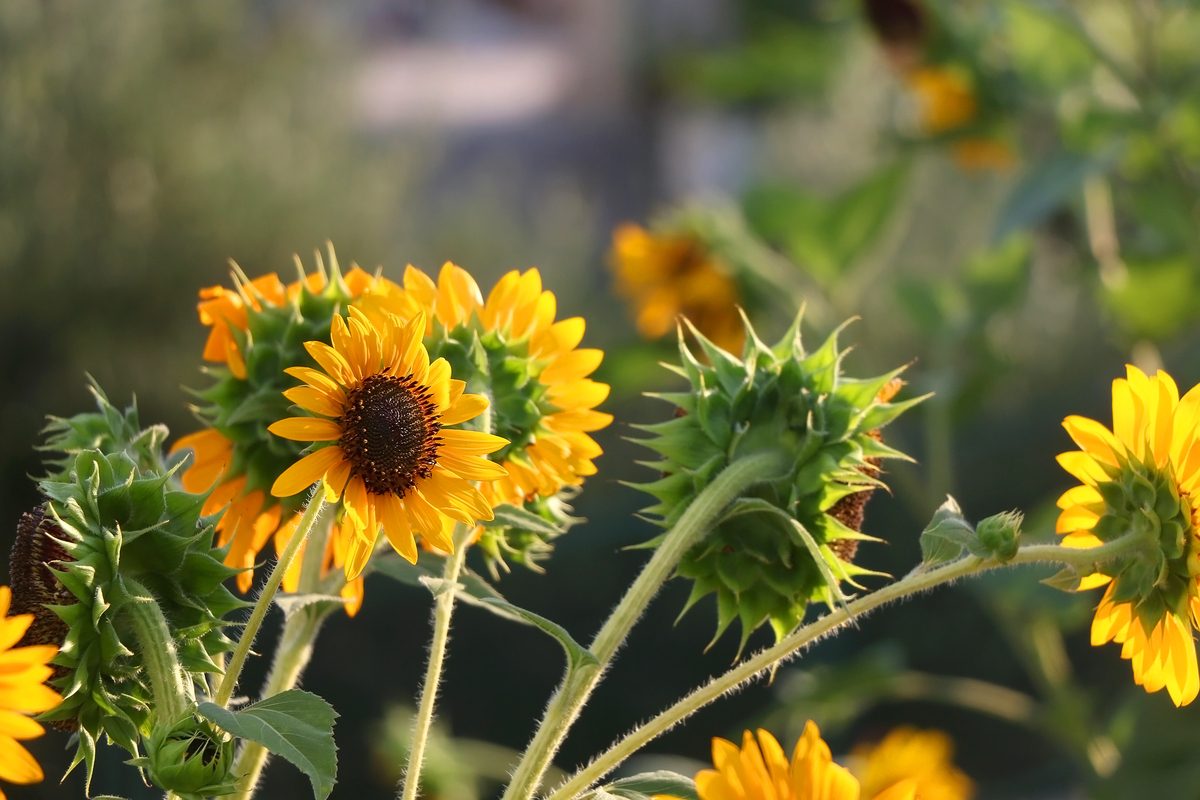
Related Reading: Growing Sunflowers: From Seed to Big Bloom
12 Best Companion Plants for Sunflowers
1 lettuce
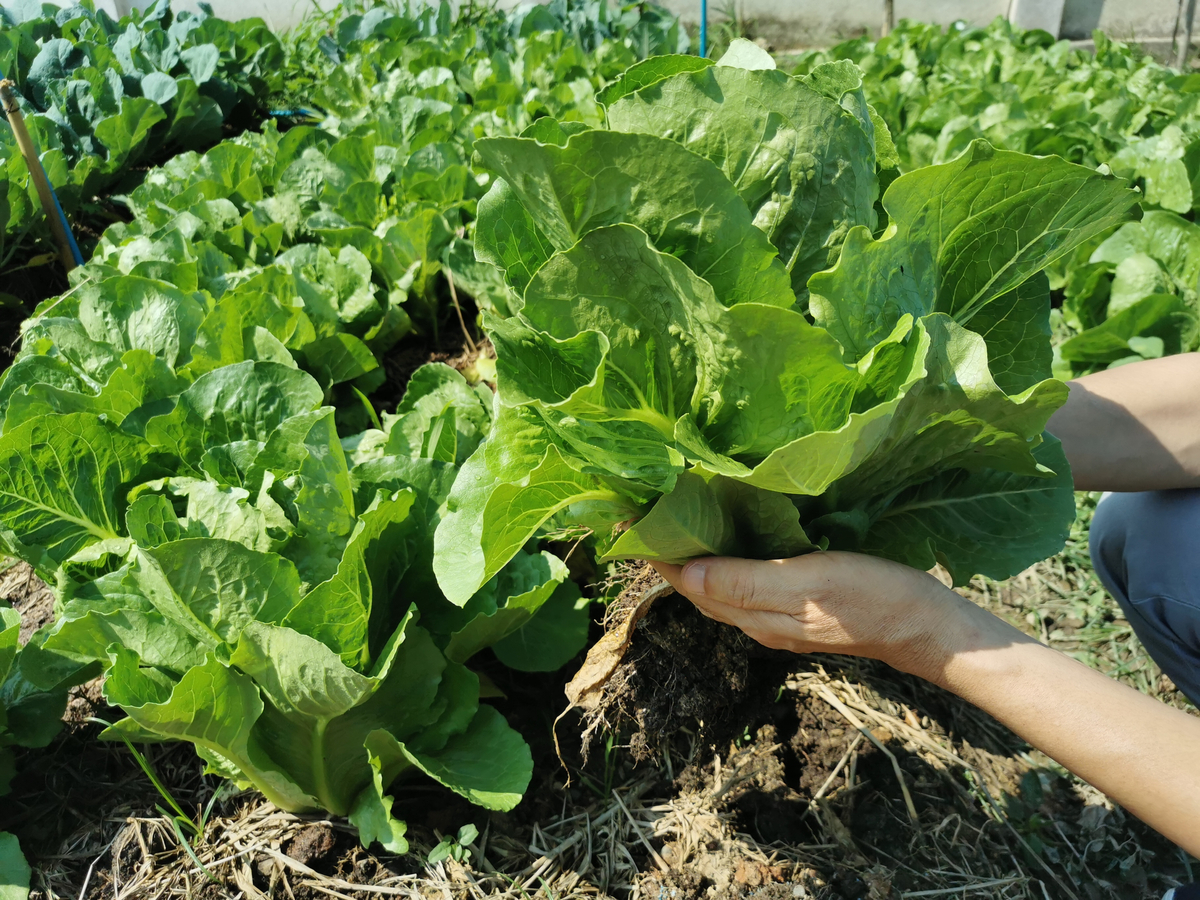
Lettuce is a great companion for sunflowers because it benefits from some shade, especially during the heat of summer.
It does best in winter, but can grow relatively well all year round. It also tends to spoil when it gets too hot, so planting under sunflowers solves that problem.
Add chives or onion to the mix and you have a powerful repellent kit against aphids and other pests that works well together. Lettuce also keeps the soil cool for the sunflowers and will act as a living mulch.
2. Summer squash
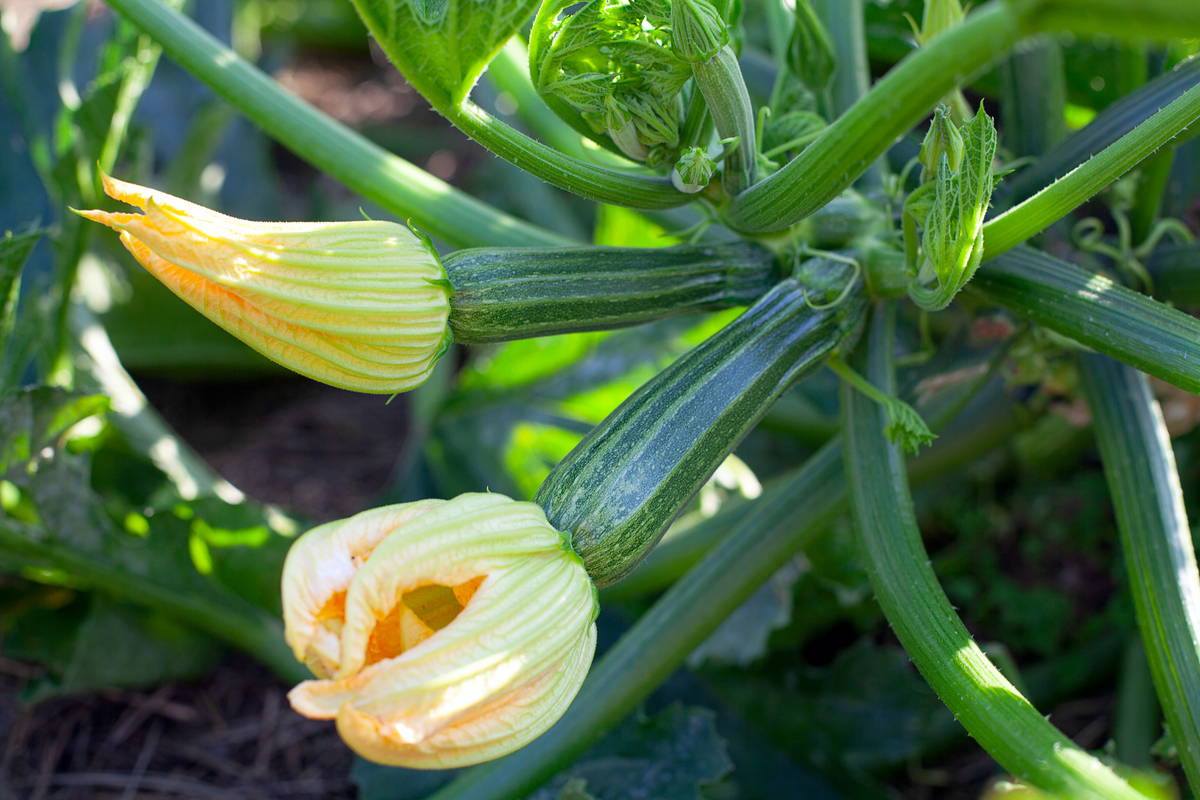
Also in the shade category, summer squash is another good option to plant under sunflowers.
Courgettes or courgettes are grown alongside sunflowers in the spring and summer, unlike their pumpkin cousins which are harvested in the fall. They also have the same list of companions for pest control tasks, and they like the same fertile soil to start with.
Sunflowers provide shade and attract pollinators, while summer squash provide cooling ground cover.
3. Cucumbers

These companions are made for each other.
If you plant cucumber plants around sunflowers when they are about 30 cm (12 inches) tall, the cucumber vines will have strong stems to grow on. Cucumbers also have large leaves that shade the soil, keep it moist and reduce weeds.
There are even those who claim that the yield of cucumbers increases if they are planted with sunflowers.
Both plants have the same soil requirements and watering routine, making them good friends.
4. Nasturtiums

Nasturtiums are always a good partner for sunflowers.
First, they are spread on the ground, acting as a cooling mulch, shading the ground and suppressing weeds. Second, flowers attract good pollinators, like bees and butterflies, while repelling bad pollinators, like cucumber beetles and whiteflies.
They are also commonly used as trap crops that attract pests such as aphids and chinch bugs, culled to keep the pests away from the plants around them.
Orange, red and yellow flowers also look great with sunflowers. They can tolerate some shade and do well when planted under the giant blooms.
5. Impatience
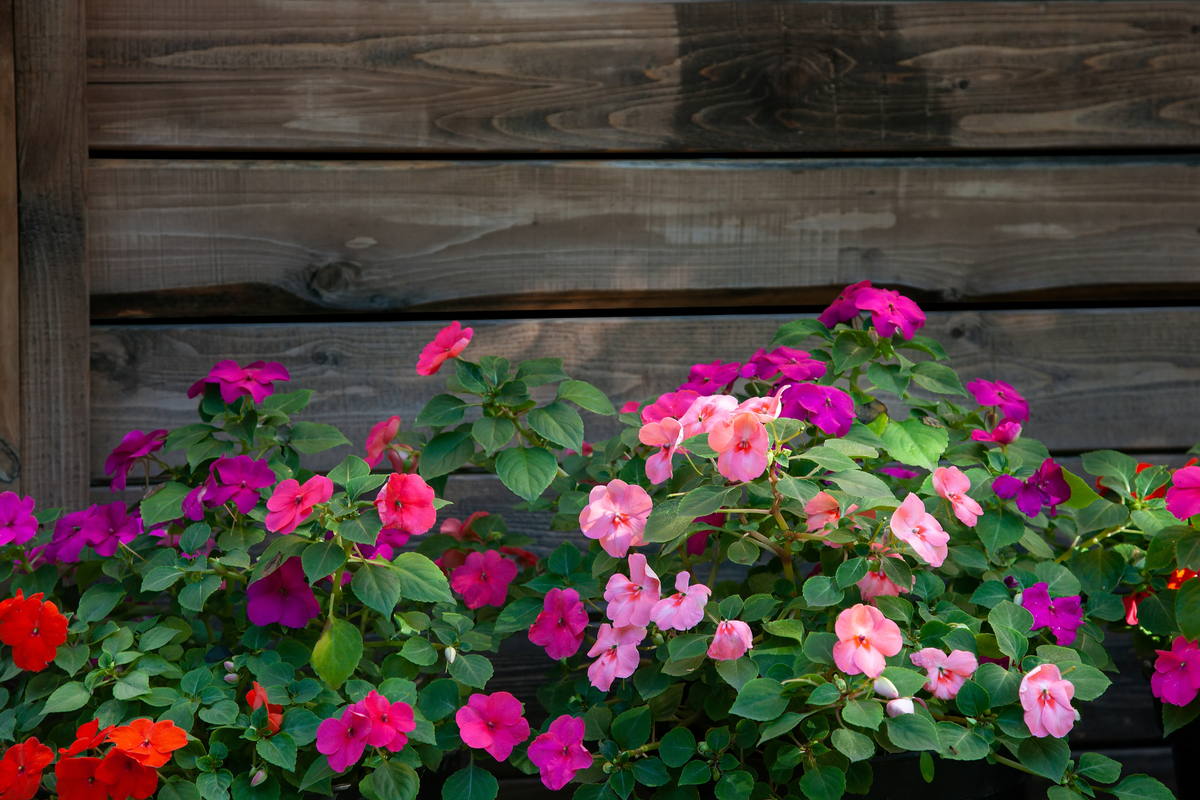
The fact that impatiens are shade-loving is usually the only reason to grow them among sunflowers, but appearance also contributes to their compatibility.
They come in blooming colors so vibrant that the combination of bright pinks and purples with the bold yellows and oranges of sunflowers is a beautiful combination.
They provide foliage to cover the ground and keep it cool. Plus, its brightly colored flowers also attract pollinators.
6. Onions and garlic

Onions and garlic are known for their strong smell, which repels many nasty pests around other plants.
One of the best things about alliums planted with sunflowers is that animals like squirrels and deer that like to feast on sunflower seeds are repelled by the strong smell of onion and garlic, protecting the sunflowers from these creatures.
Sunflowers, in turn, provide some protection for onions from the summer heat and keep the soil cool. They also don’t compete with each other for soil nutrients, making them ideal companions.
7. peppers
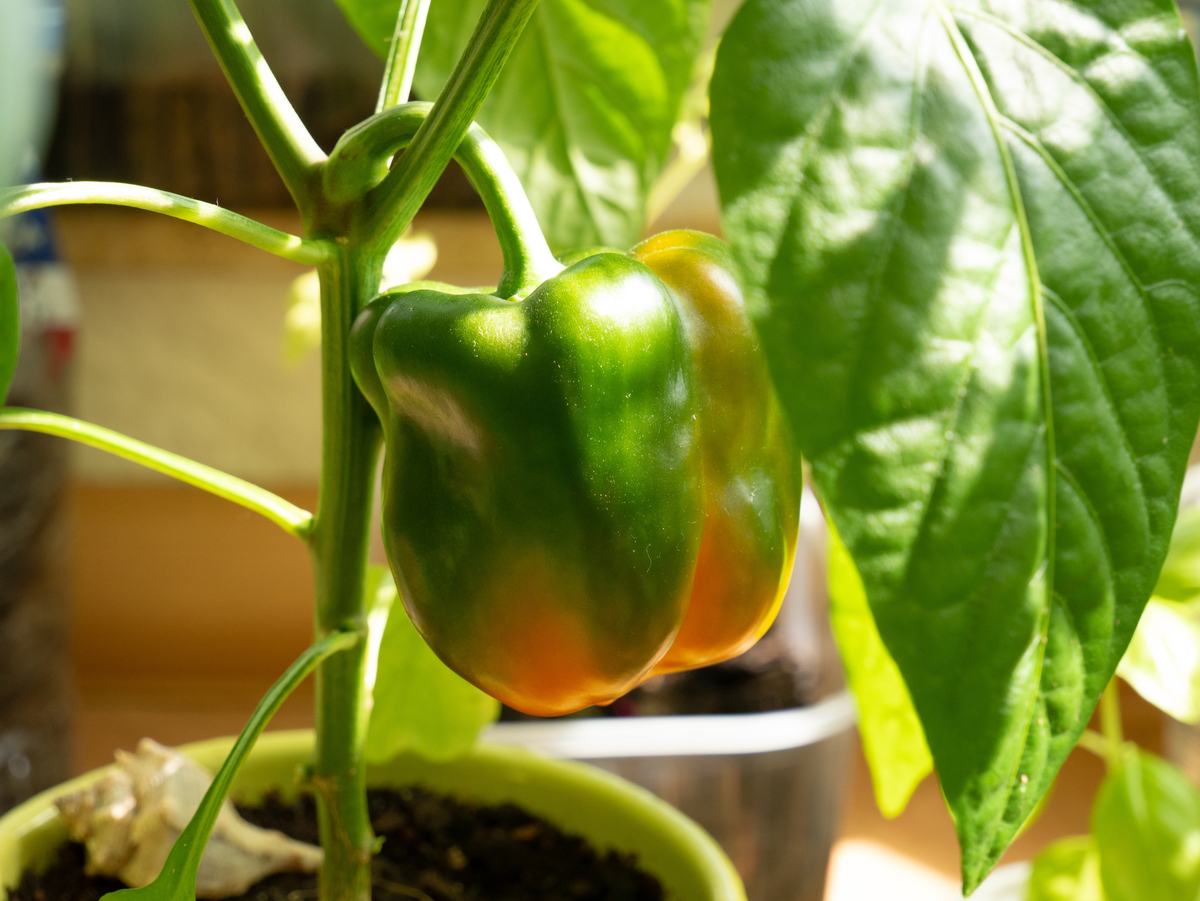
Peppers can be damaged by hot weather and find shade from taller sunflowers helpful. Pests of aphids also leave peppers alone when planted with sunflowers.
Sunflowers not only provide nectar to beneficial insect pests when in bloom, but even when not in bloom, their leaves produce extrafloral nectar from the underside of their leaves. This nectar is produced primarily for crop protection, not for pollination.
It is often the beneficial insects that are attracted to the nectar and control the harmful pests, or at least keep them at bay. Peppers will benefit greatly from this sunflower trait.
8. Corn

You might think growing corn with sunflowers is too competitive, but they grow pretty well together.
Although both are large, they do not compete for nutrients in the soil. Sunflowers are also ladybug magnets and these marigolds are highly sought after, eating aphids, fruit flies, spider mites and other insects that infest corn.
Both also produce chemicals that improve the flavor of corn and ensure better yields for both plants. It’s a win-win situation.
9. Worries

Perhaps the most well-known pest control is that of calendula.
The strong aroma of the flowers is one of the reasons marigolds are so good for pest control. They also deter beetles, grasshoppers and certain types of worms.
Plus, they have pretty blooms that go well with sunflower blooms and act as a good mulch.
10. basil
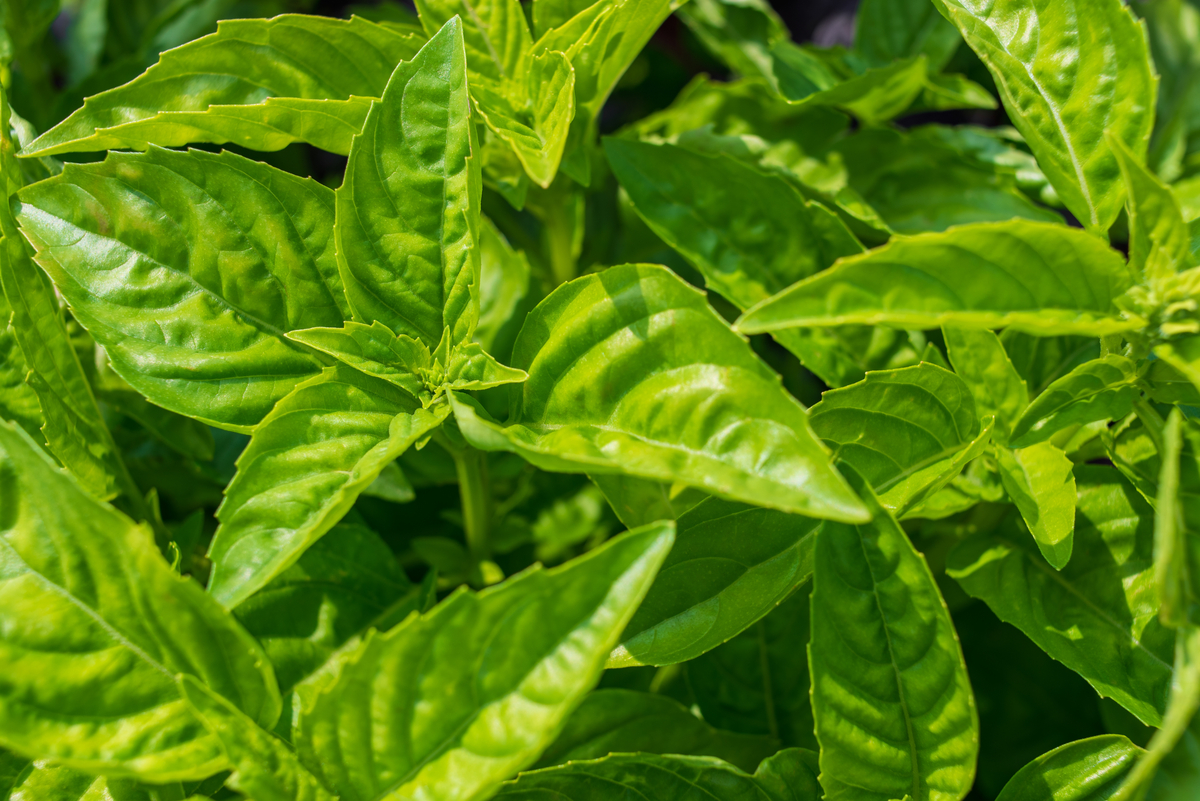
There are many herbs you can plant with sunflowers that make great companion plants. However, Basil tops the list.
In the heat of summer, it could use some shade, because like lettuce, it spoils when it gets too hot.
Basil also goes well with foods like tomatoes and peppers. They are also listed for planting sunflowers, so it’s easy to plant them all together.
Basil enhances the flavor of tomatoes and peppers and protects various plants by attracting pollinators and deterring insect pests like beetles and grubs.
11. Tomatoes on the vine

Many vines grow well with sunflowers, using their thick stems as a trellis. Tomatoes are one of those plants, which benefit greatly from planting sunflowers.
In fact, sunflowers are like tomato defenders, repelling aphids and ultimately saving your crop.
Tomatoes may get the most out of the mix, but they attract some pollinators that will also help sunflowers.
12. Snow peas and sugar snap peas
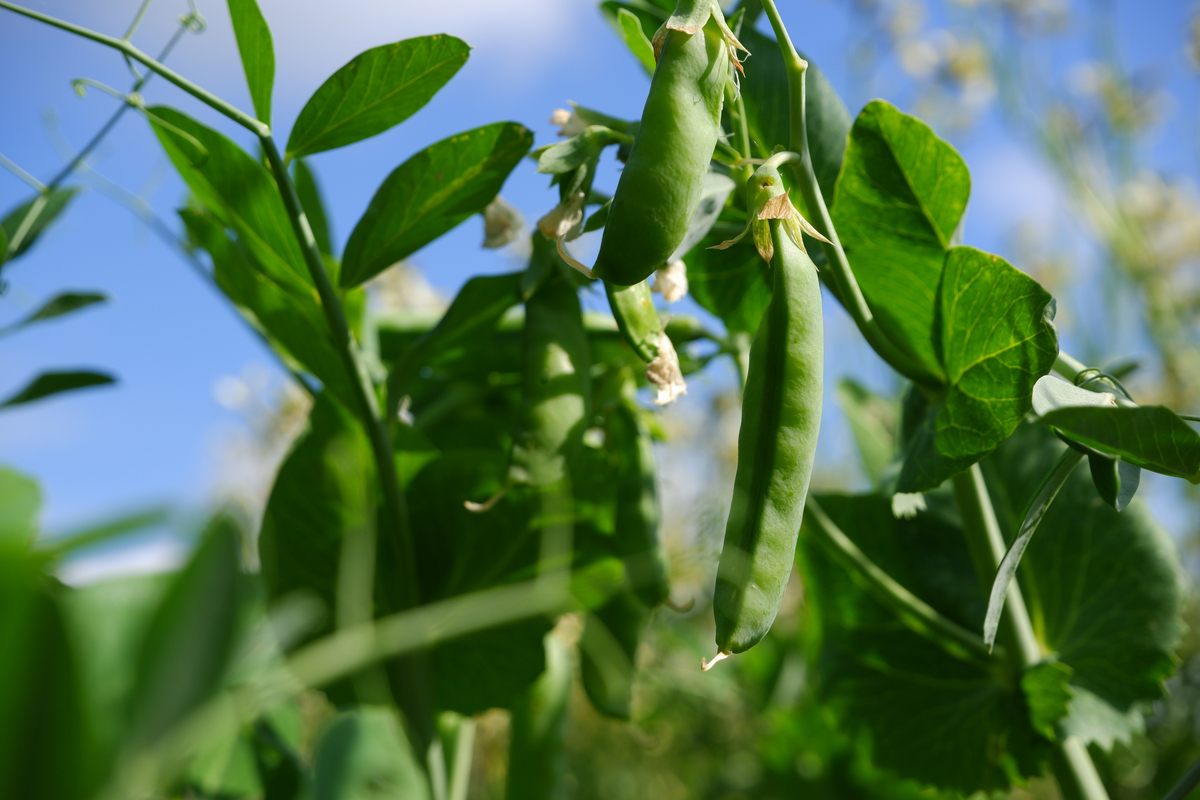
Snow peas and sweet peas are another climbing plant that needs the support provided by sunflowers.
Peas are soil nitrogen fixers, and although sunflowers don’t need a lot of fertilizer if the soil is properly prepared initially, they still make great companions, don’t compete for nutrients, and grow well together.
Just don’t add any of the alliums to the mix or the peas won’t work well.
What not to plant with sunflowers
Potatoes

The allelopathic properties of sunflower are toxic to certain plants, including potatoes.
This process inhibits sprouting and can retard potato growth. They also compete for nutrients in the soil.
Potatoes should be planted away from sunflowers to prevent them from affecting each other. There are also studies on the effects of sunflower increasing the likelihood of potato blight, a fungus that causes potatoes to collapse and rot.
pool beans
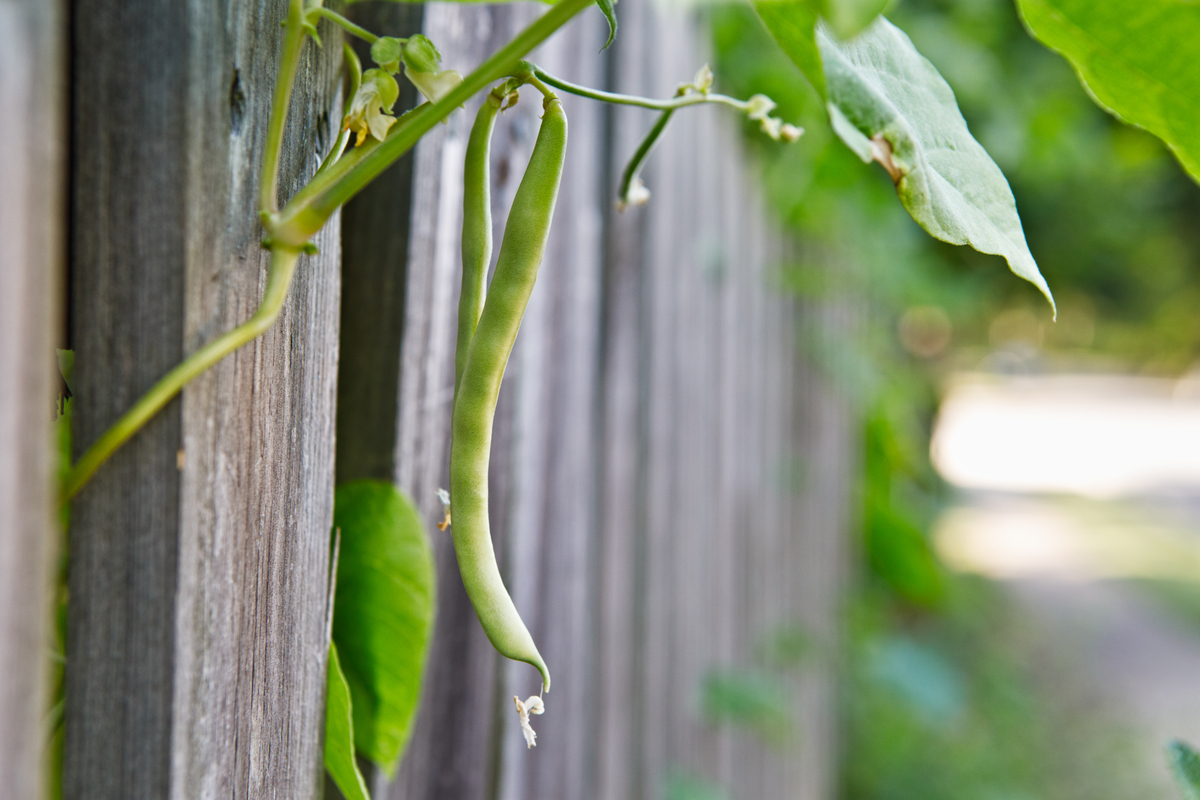
While one of cane beans’ best companions is one of sunflower’s friends, corn, cane beans, and sunflowers don’t go well together. Sunflower toxins inhibit bean growth.
In the Three Sisters planting method, which creates a compatibility triangle, beans are often used to climb the tall stems of plants, and sunflowers are candidates for this position. In this case, avoid these two together and use other plants instead.
Fennel
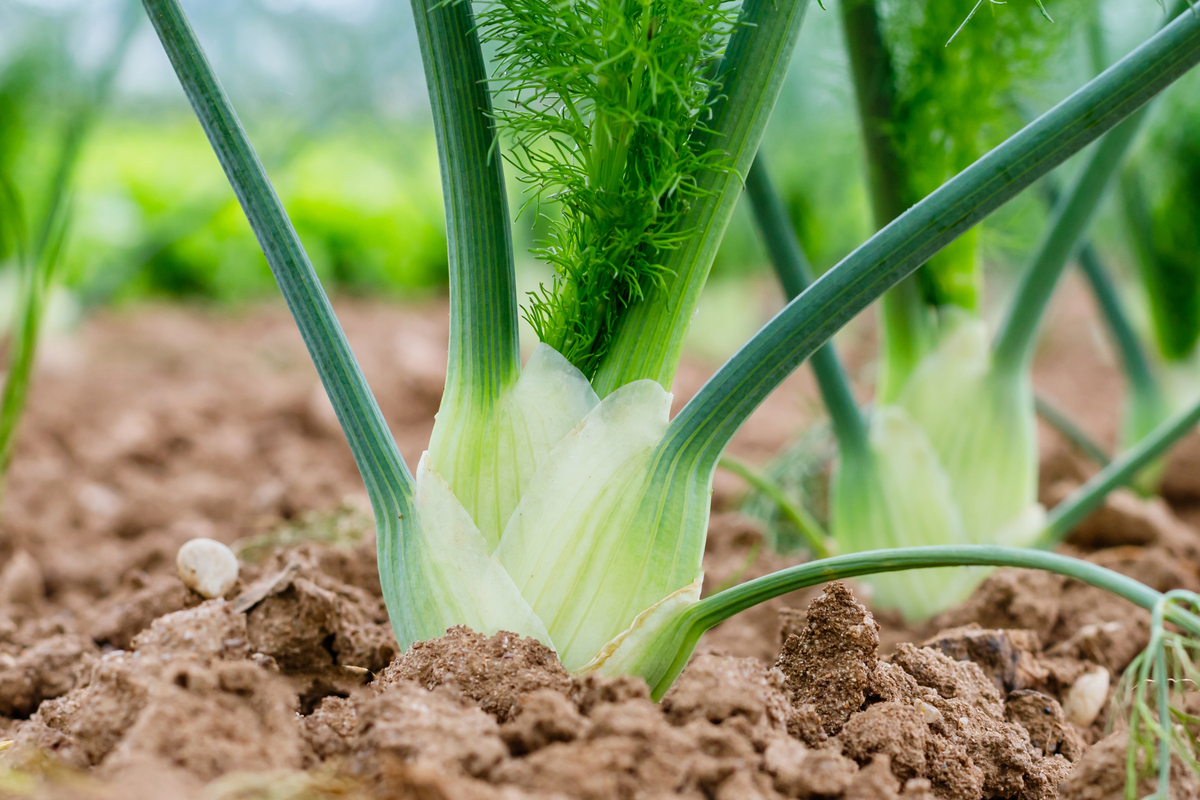
Avoid planting fennel with sunflowers as this will inhibit growth. Fennel doesn’t really have friends in the garden and prefers to be alone, away from other plants.
Try growing fennel in pots instead.
The problem of allelopathic plants
Studies on certain plants have shown that allelopathic traits can be used to suppress weeds in various agricultural crops.
Allelopathic plants produce a biochemical that can be beneficial or detrimental to the germination and growth of other species and, in this case, a wide variety of weeds that affect crops such as rice or wheat.
Sunflowers are one of the allelopathic plants that are being studied and considered for use as a natural herbicide for weed control.
This also means that there is a list of plants that will not germinate around sunflowers, so stick to the plants on the list just to be sure.