
If you purchase an item through links on this page, we may earn a commission. Our editorial content is not influenced by commissions. Read full disclosure.
I love growing zinnias. These colorful flowers are scattered around my garden every summer, and their bright colors and continuous blooms make everything more cheerful.
They are ideal as cut flowers, can be used in your culinary creations or planted in a nursery.
Zinnias are easy to care for and are fast growers that bloom early then continuously throughout summer and fall. Let’s talk about how to plant and care for these dynamic charmers.
All About Zinnias
Zinnias are part of the daisy family (Asteraceae). They produce a lush, multi-petalled solitary flower on a tall, sturdy stem. Most zinnias will continue to produce blooms whenever the flower is cut, making them ideal as a cut flower.
Zinnias produce flowers and seeds every year, but they won’t reseed themselves in your garden unless you live in USDA growing zones 9-11. In this warm climate, zinnias are a self-seeding annual that acts almost like a perennial.
If you live anywhere where winter temperatures drop below freezing, you should replant zinnias every year. I like to take this opportunity to move them around each spring – making my brilliant zinnias appear in exciting new places every year.
These hardy annuals are versatile and make a great addition to a butterfly garden, cut flower garden, vegetable garden or children’s play garden.
There are three types of zinnias, with a wide variety of cultivars within each class. Most belong to the species Zinnia elegans. Single, semi-double, and double-flowered zinnias are all variations in the number of rows of petals in each flower.
Single Flower Zinnias

These zinnias have only one row of petals. You can easily see the center of the flower. They are very daisy-like in appearance.
Zinnias with semi-double flowers

Semi-double zinnias have a single row of petals, with additional petals wedged in at intervals. They look fluffier than single-flowered zinnias, but you can still see the center of the flower.
Double-flowered Zinnias
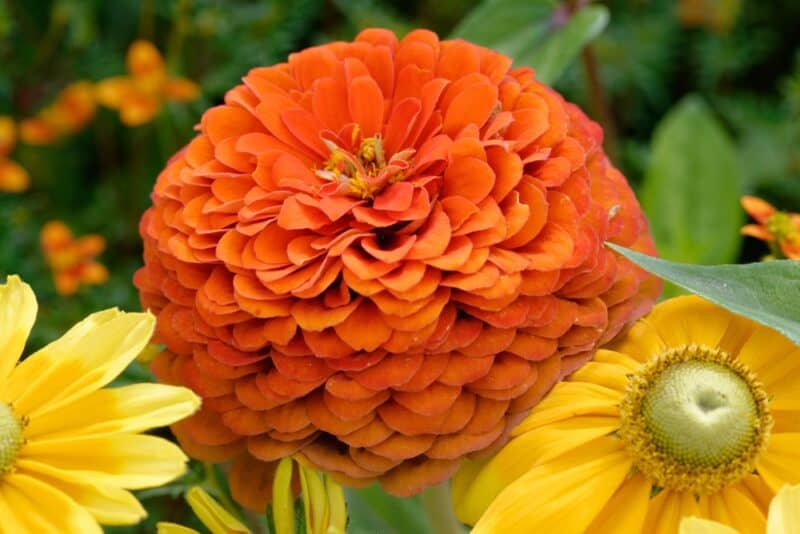
These are the most complete zinnias. They have many full rows of petals. The center of the flower is completely hidden. Despite their name, double-flowered zinnias typically have more than one double row of petals.
This type can also come in a variety of forms – such as the glorious ‘beehive’ shaped zinnias and ‘cactus’ zinnias.
Zinnias can come in a variety of heights as well as shapes. Tall, short, and medium-sized zinnias add depth to garden borders and visual interest to flower beds.
Notable Zinnia Varieties
No matter what type of zinnia you’re looking for, there’s a variety to suit you! From bright pinks and yellows to stunning terracotta, zinnias come in a wide variety of colors. They grow as tiny dwarf plants and towering stems. Here are some favorite varieties.
Dreamland
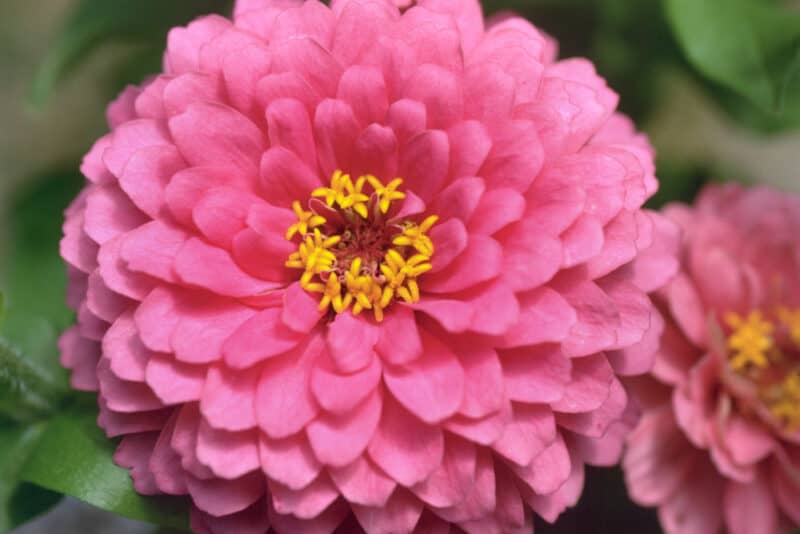
The small Dreamland series of dwarf zinnias are ideal as border flowers. They are short plants, but their flower heads are relatively tall, with fluffy double heads that look great in any location.
cut and return
You can’t go wrong with the old and reliable Cut and Come Again series. Of course, all zinnias will continue to bloom if you cut their flowers, but I find this series more eager to bloom again.
It produces more flowers, more consistently and in a wide variety of colors than any other series.
state fair
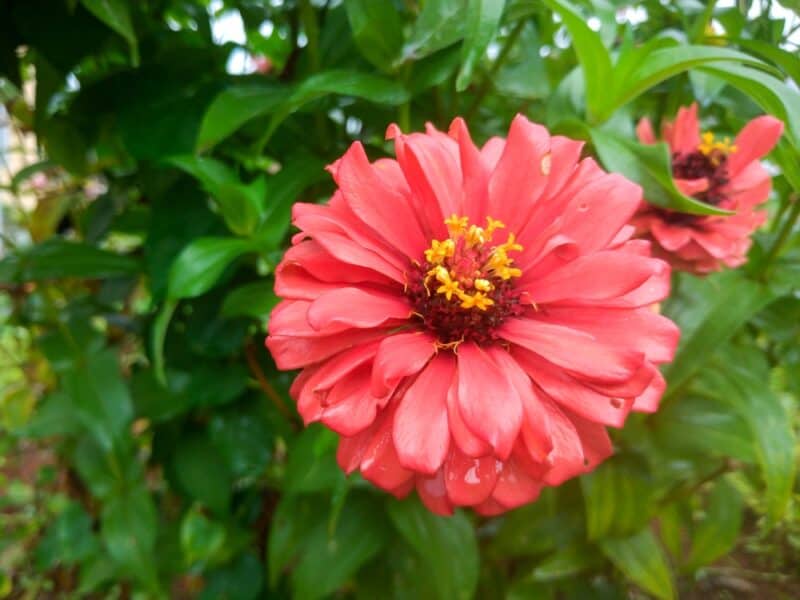
The State Fair series includes some of the tallest zinnias on the market. These flowers reach over 30 inches in height and produce huge double blooms that tower over any small plants in your garden. State Fair zinnias look fantastic against a wall or fence.
Growing Zinnias
Growing zinnias from seed is easy. They germinate quickly and grow well in warm, frost-free soil. Start your zinnias after the last frost, when the ground is at least 50°F during the day. They are not frost hardy plants.
Sunlight
Zinnias need at least six hours of sunlight a day to thrive. They do best in areas with full sun, but semi-sunny areas are fine as long as there is enough consistent sunlight. In more shady areas, your zinnias can grow, but they will be sick and stunted, with few flowers.
Also choose an area with plenty of air circulation. Zinnias can be prone to powdery mildew if overcrowded.
Floor
Zinnias are adaptable when it comes to soil. But poor soil will result in fewer flowers. One year my growing zinnias produced only a few small flowers, despite an ideal location. I tested the soil and found it was nutritionally depleted!
For best results, plant your zinnias in rich, well-drained soil. Add plenty of compost or manure to the soil before planting. I also like to add bone meal to boost phosphorus levels. The ideal soil for zinnias has a pH between 5.5 and 7.5.
Some of my best zinnias were grown in a sunny field, on a plot of land that had been a chicken coop two years before and was filled with well-composted manure.
Spacing
Depending on the zinnia variety, you will want to give your plants between five and 20 inches of space between them. Zinnias spaced too far apart can make them look lonely and sparse, while grouping them together can lead to mold problems.
plant seeds
Once the soil is prepared, reasonable danger of frost has passed, and you have an idea of spacing, go ahead and plant your zinnia seeds in the ground. Sow the seeds about a quarter inch deep in loose, well-composted soil. Then water them well.
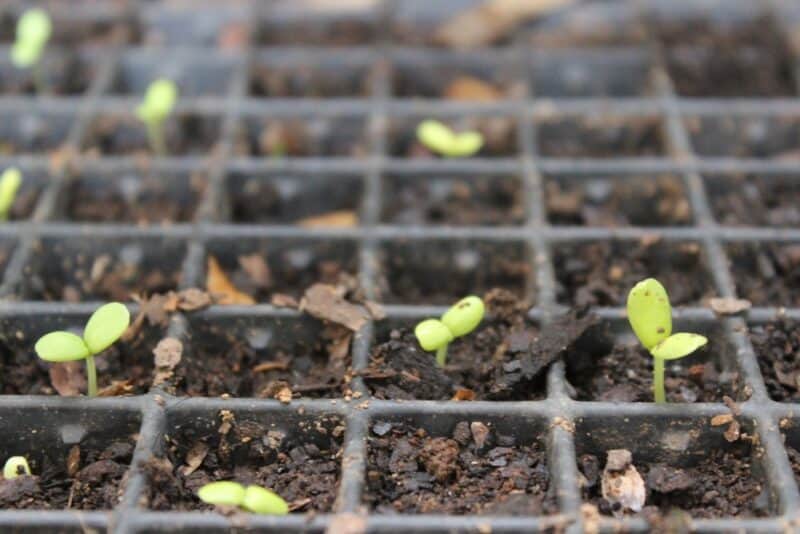
You don’t need to drown these seeds in water, but try to maintain consistently moist soil throughout germination. Young plants should also have regular, light watering. We want to maintain a welcoming environment for young plants, without promoting disease.
Bloom
Now let’s get to the best part about growing zinnias. Your plants will start producing flowers in about 60 to 70 days from seed. The time varies depending on the variety and the environment. A warm, sunny, nutrient-rich location will speed things up. Cold weather and poor soil will delay flowering.
As they bloom, cut the flowers to use in bouquets or cut them after each flower dies. If you keep cutting and cutting, your zinnias will continue to bloom until the fall frost kills them.
If it’s a particularly dry summer, water your zinnias about once a week to maintain soil moisture. Check the soil if you’re not sure if your flowers need water – you should feel moisture about half an inch below the soil’s surface. If everything is dry to the touch, add a little water.
When growing zinnias, avoid wetting the leaves. Water the soil, not the plant. This will help prevent mildew and keep your flowers healthy.
If your plants are starting to have long legs, pinch them back to encourage them to grow a little. Cutting flowers for large vases is a great way to remove stems that become unmanageable.
Pests and diseases
You probably guessed that powdery mildew is the main health risk you will encounter when growing zinnias. Prevention is the best cure for mildew, so keep these plants well-spaced and moderately watered.
If you see signs of powdery mildew, clean out the weeds and use a mild antifungal treatment like Bonide’s Copper Fungicide.
You can make an effective remedy by adding one tablespoon of baking soda, one tablespoon of non-detergent liquid soap, and one tablespoon of salad oil. Mix in a gallon of water. Shake all the solution well and spray it on the plants affected by powdery mildew.
Spider mites and aphids can also damage zinnias. I like to treat them with a dose or two of insecticidal soap.
Sometimes grasshoppers can also damage your zinnias. If you see grasshoppers in the garden, add a little neem oil to your insecticidal soap. Soap won’t affect grasshoppers, but neem oil will.
You can stop two threats at once by combining treatments.
Are zinnias edible?
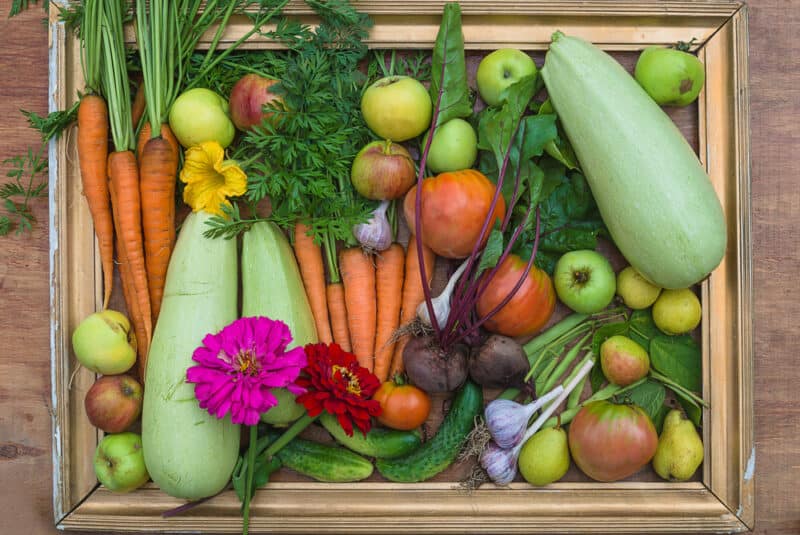
Zinnias are safe to eat, believe it or not. Who knew growing zinnias could be so versatile?
The whole plant is safe, but only the petals are usually eaten. Indeed, zinnias are a plant with a rather bitter taste. Bitter foods do not play a big role in our modern diet, but they are extremely good for us.
Bitter foods wake up the digestive system. They help us digest food better and absorb more nutrients from our meals. Bitter foods also support the liver and kidneys. So, include some zinnia petals in your next salad.
For the best flavor, remove the petals from the seed head and scatter them over a salad of spicy arugula, bitter dandelion greens and sweet crisp lettuce. Add some sweet violets as a balancing flower and eat the salad at the start of your meal.
Starting a meal with something bitter is the best way to ensure healthy digestion. Bitter salads are just one option. I like to put a little zinnia flower in a “garden party” gin and tonic.
With rosemary, thyme, yarrow and everything in season, zinnia flowers look and taste perfect. Top it all off with a slice of lime and you have the perfect pre-dinner cocktail for late summer.
Was this article helpful?
Yes No ×
We appreciate your helpful feedback!
Your response will be used to improve our content. The more feedback you give us, the better our pages will be.
Facebook pinterest