

Bloom, bloom, bloom, now let me hear you say, oh!
I debated whether this should be the introduction to my article; but there’s something about the blanket flower that just screams “good summer attitude.”
And as effective (read lazy-busy) gardener, I am constantly on the lookout for long-blooming perennials. Flowers that last longer than the last piece of toothpaste you try to squeeze out of the tube. Flowers to Add to Your Memorial Day Displays AND who can still attend your backyard barbecue on Labor Day.
 Blanketflower (Gaillardia) is a long-flowering, low-maintenance perennial.
 If that sounds like a tempting proposition, let me introduce you to the so-called blanket flower (also known as Gaillardia, the name of the genus).
Whether you decide to grow it in a raised bed, planter, or backyard meadow, Gaillardia will do all the work of blooming all summer long while you sit in your recliner and sip mojitos.
Still not convinced? This is not a problem. I’m willing to work a little harder to win you over to this side of the blanket flower.
Here are seven reasons I think it’s worth putting gaillardia in the garden this summer.
1. Blanket flower is a perennial with a long flowering period.
We’re talking a lot here about getting the most bang for your buck from your garden. With blanket flowers blooming most of the summer, June to October at best, I think they are worth growing.
 Orange and yellow blanket flowers are also known as wheels of fire
 The most common cover flowers for home gardens are Gaillarde pulchelle (Also known as wheels of fire). Its beautiful red and gold flowers that begin to bloom in early summer and last until mid-autumn. In fact, these perennials will happily bolt to seed once you place them in your garden.
There are a few ground cover flowers grown as annuals in cool climates, but most you’ll find for sale at garden centers are short-lived perennials.
2. Blanket flowers attract butterflies, pollinators and birds!
Efficient gardeners (myself included) aren’t the only ones who love gaillardia; these perennials are also favorites of busy bees and early risers. Or if you leave them seeded, they attract small birds like goldfinches.
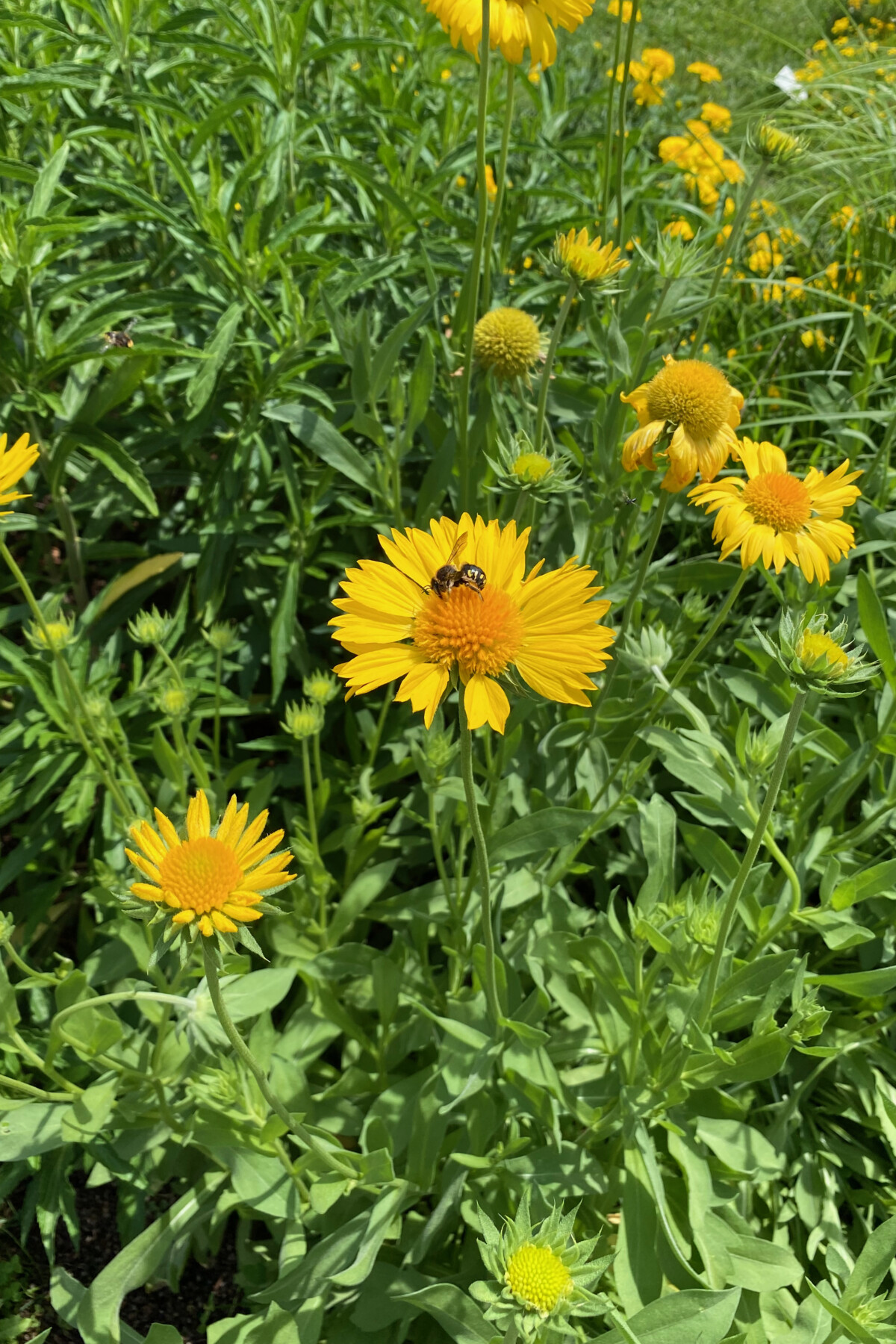 Pollinators love bright, colorful ground cover flowers.
Blanket flowers make a great addition to butterfly gardens, prairie gardens, or simply as an extra fiery color to attract pollinators to your vegetable patch.
3. It is very easy to start Gaillardia in the garden.
I have already mentioned that the gaillardia is self-sowing. So it certainly deserves a spot on the perennial “buy once, enjoy every year” list. But there are several ways to bring these plants to the garden.
You can start producing hedge flowers from seed indoors about six weeks before your last expected frost date.
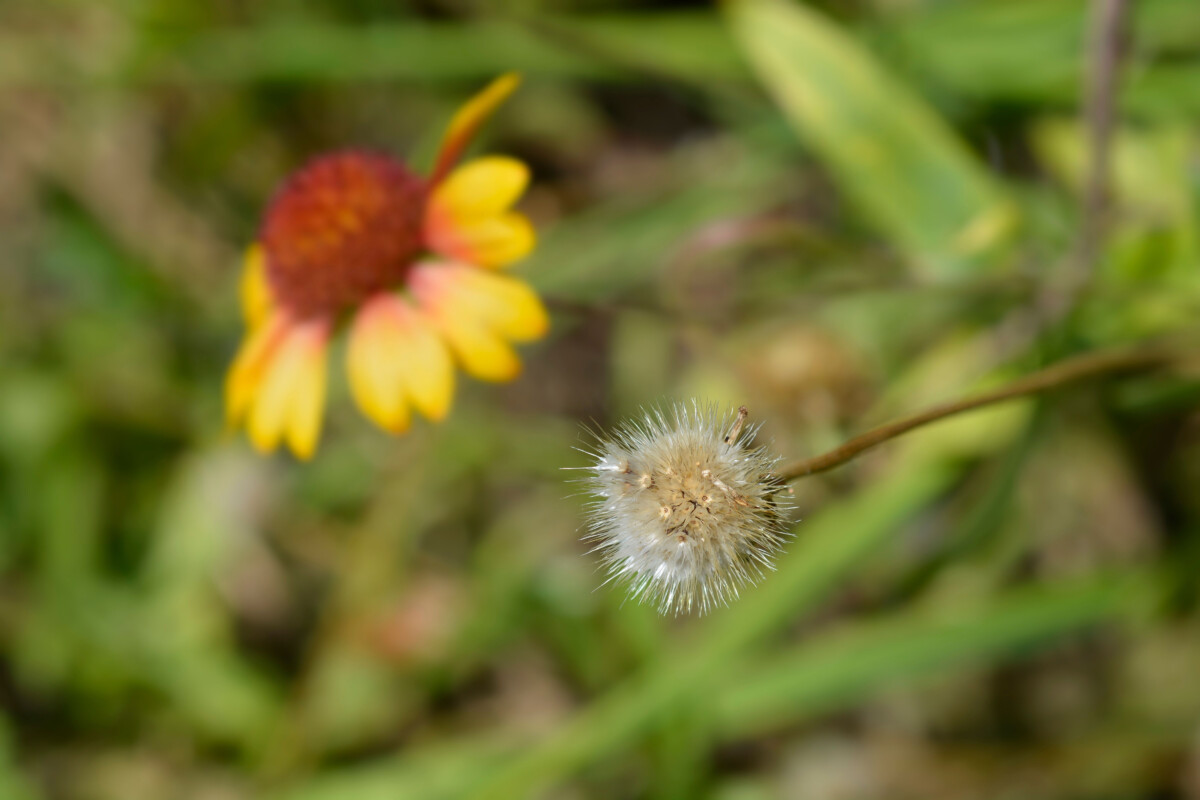 Blanket flower is a short-lived perennial. But it will easily self-sow in your garden.
This year I’m already starting with at least fifteen perennials and annuals from seed (plus vegetables and herbs), so I decided to buy some general floral starters. Since the primers aren’t as strong as the established flowers, I kept them indoors until late April. Now is the time to plant them in the garden.
Implant Gaillardia aristata ‘Arizona Sun’ and Gaillardia aristata “Red Board”. In fact, my two new blanket flowers were part of the “class photo” I took for this article on perennial plant bugs.
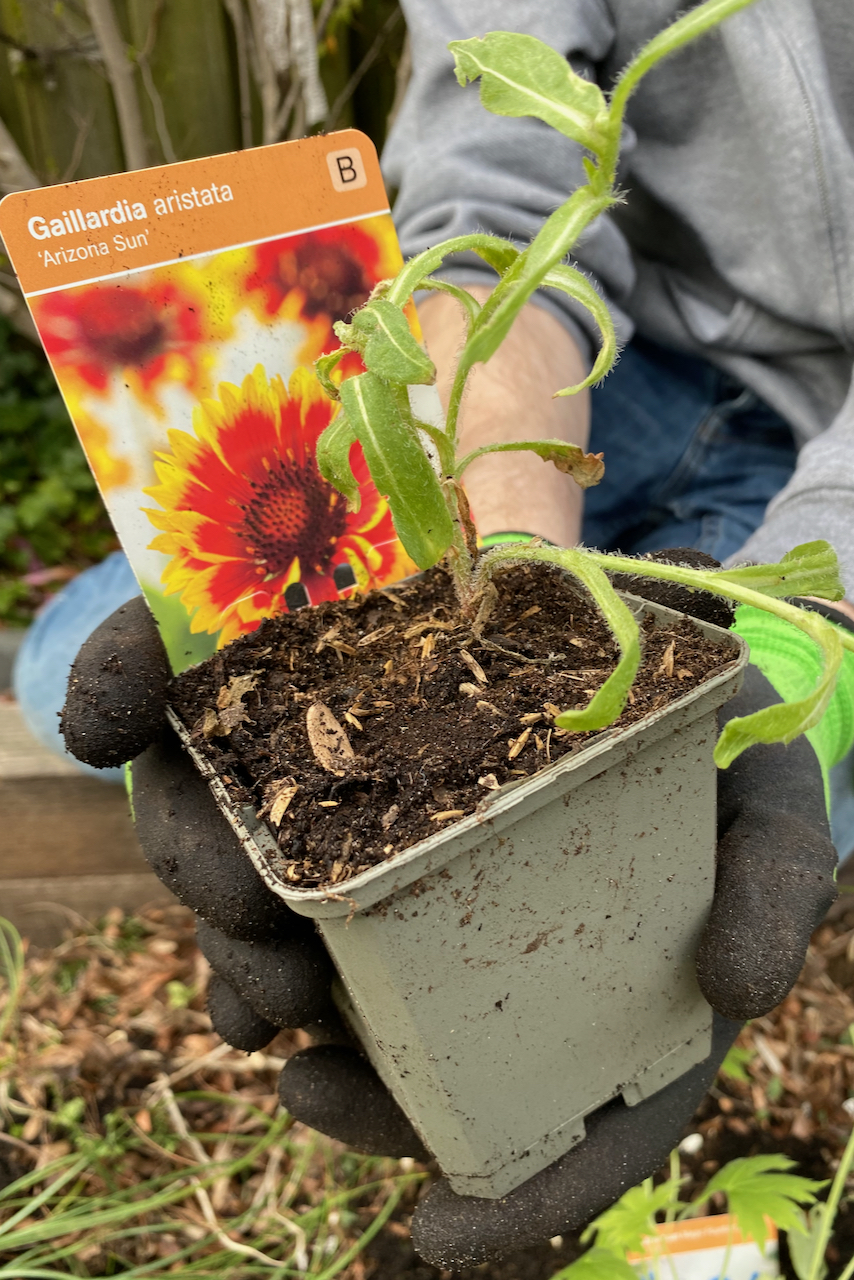 I can’t wait to see what happens to this little plant at the end of summer.
 If one of your friends already has blanket flowers growing in their garden, ask them to spread the love and gift you a root clipping. This type of propagation will be more successful if you do it in late winter or early spring.
4. Cover flowers are heat and drought resistant.
The more unpredictable my weather becomes, the more I find myself paying attention to these two factors. Can the perennials I plant withstand long, hot, dry summers?
 Yellow Gaillardia in a meadow. In summer, little water gets there.
In the case of the Gaillarde, the answer is yes, yes and yes. Gaillardia grows without significant complaints in poor, dry soils. Daisy-like flowers (share a family, asteraceae) are extremely tolerant of summer heat and drought once established. But you may need to water it well while it’s still a baby.
5. Blanket flowers are easy to care for.
Once your garden is full of hedge flowers, you can sit back and enjoy your strawberry lemonade. Yes, its maintenance is as simple as that. or if you Real If you want to exercise, you can keep hedge flowers clean by removing spent flowers. Although not technically necessary, deadheading can extend the life of any plant by allowing it to conserve energy instead of producing seeds. Sort of like the plant-based equivalent of drinking lemonade instead of jogging.
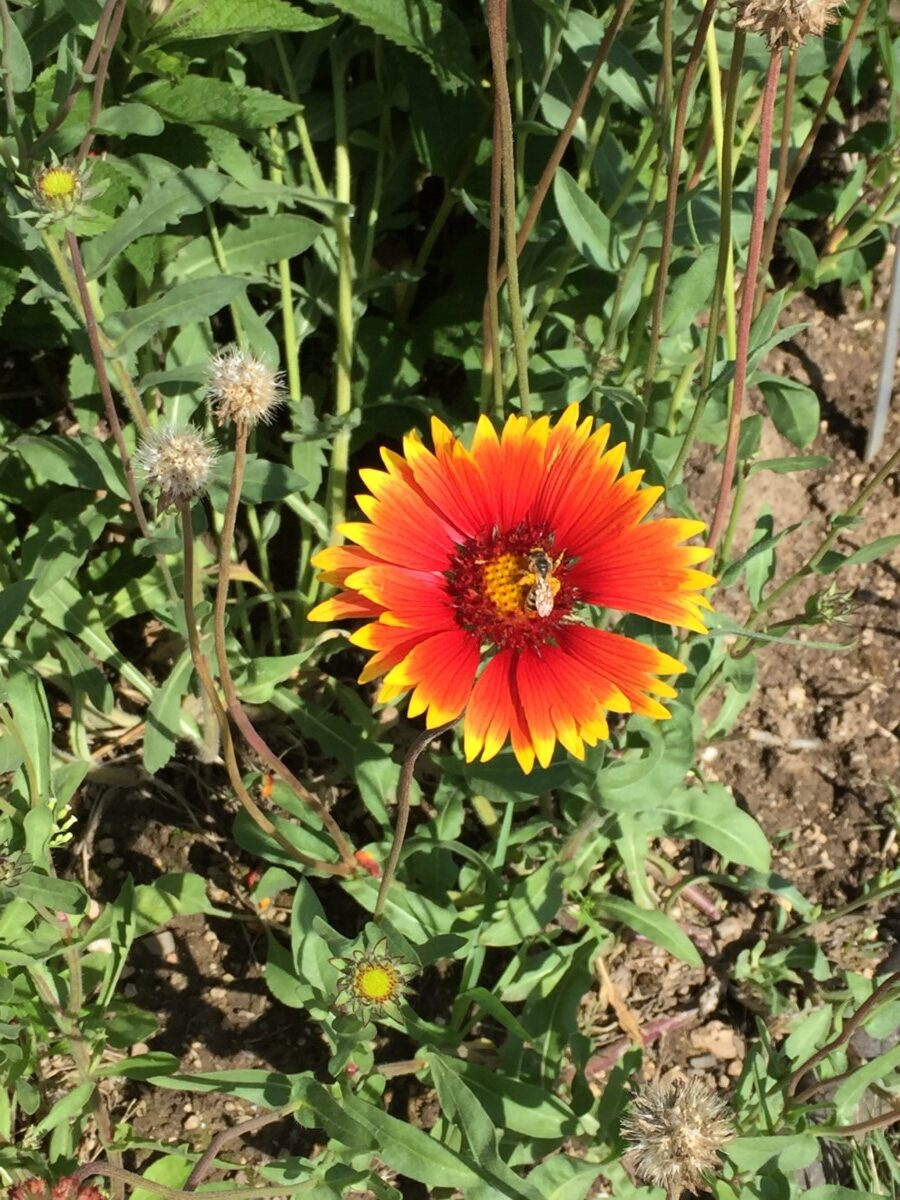 The leaves of some blanket flower cultivars resemble those of dandelions. So don’t accidentally remove them before they’ve had a chance to bloom.
 However, once you’ve grown your hedge flowers from seed in the garden, be careful not to accidentally remove them. The lush spring plumage of Gaillardia aristata resembles that of dandelions. It never bothers me because I really like dandelions.
Gaillardia is also not a capricious flower. They like to grow in meadows or dry prairie soils and do not need fertilizer.
6. There are several popular cultivars to choose from.
When it comes to choosing blanket flower cultivars, I am also very lazy. Alright, that’s a lie. I’m not lazy with it, I just choose not to choose and buy one of everything. Not all in a year, but hopefully as many as possible over a few summers.
Blanket flowers also come in a wide variety of styles. From deep wine red to bright orange and yellow, not to mention the many multi-colored combinations, there is definitely something for those who don’t have time to make up their minds.
 Shorter varieties of gaillardia are suitable for containers.
 Gaillardia aristata – This perennial blanket flower has large blooms, usually with yellow rays and orange-red centers.
Gaillarde pulchelle – this variety (sometimes grown as an annual in cooler climates) flowers about three months after direct sowing in the garden; it gets tall so it may need a bit of staking.
 Gaillardia ‘Arizona Red Shade’
Gaillardia x grandiflora – it is a hybrid of G. aristata AND G.pulchella which has many cultivars in garden centres. For the “classic” Gaillardia look of red petals and yellow tips, choose “Arizona Sun” or “African Sunset.”
The ‘Mesa’ series has more solid color varieties, such as ‘Mesa Red’ and ‘Mesa Yellow’.
 The Mesa series is a popular and readily available hybrid.
7. Gaillardia is native to some parts of the United States and naturalized in others.
I know that planting native species is very important to our readers. We talk about it a lot on our Facebook page. So I think it’s worth noting that the cover flower definitely ticks that box.
Gaillardia is native to the western part of North America. It stretches from Montana to Mexico, which means it can handle a wide variety of climates, soils, and sun exposure.
 Gaillardia is a hardy native to the United States.
 Nature has done a great job creating a beautiful, long-blooming flower that can handle harsh environments and lazy gardeners. Hybrid cultivars were created in Belgium (in the 1860s) and you can easily find them in garden centers and throughout Europe.
Now tell me, what’s wrong with having a garden full of bright, cheerful flowers for months on end?