
If you purchase an item through links on this page, we may earn a commission. Our editorial content is not influenced by commissions. Read full disclosure.
We’ve all seen those fantastic documentaries about people who have decided to live off the grid and pursue a life in nature. It’s easy to get carried away with Instagram posts, hoping it’s as simple as taking the pictures to make it look. But starting a farm comes at a high cost.
In reality, starting a farm costs a lot of money. You need to know precisely what setting up a homestead entails before plunging into your bucolic dreams.
Luckily, you clicked on the right article to get your answers!
Keep reading to find out everything you need to know about the cost of starting a farm.
1. Buy land
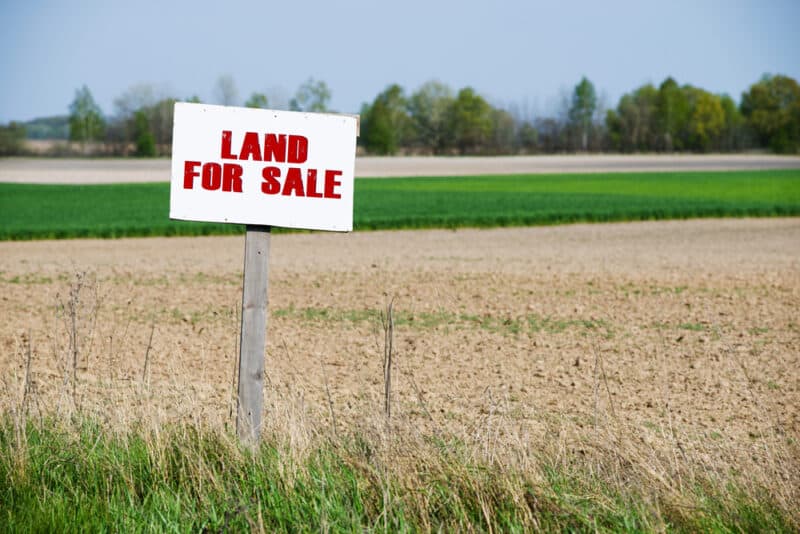
First and foremost, you need to sort out your land before you think about buying animals and growing plants. Unless you inherit or receive land, you will have to buy it.
Land costs are widespread in the United States. For example, in New Jersey, you might pay close to $200,000 for an acre. In Wyoming, you could pay less than $2,000 for an acre. It all depends on where you live and how close you are to a major city.
Do a quick search on a real estate website in the area where you want to live and figure out how much it will cost to buy the land you need. Don’t forget to check if the pitch has water and electricity, if that’s something you want already in place.
It is possible to pay this cost in installments depending on whether you take out a loan or not. Just keep in mind that many banks don’t just lend for land. There must be accommodation on the property.
If you need to take out a loan, it’s worth talking to a real estate agent to find out if there are programs for rural real estate and if you can participate in them. You can also find a seller who is willing to finance the buyer.
If you are buying a property with the accommodation already in place, things are a bit easier in terms of getting a loan.
2. The cost of a house
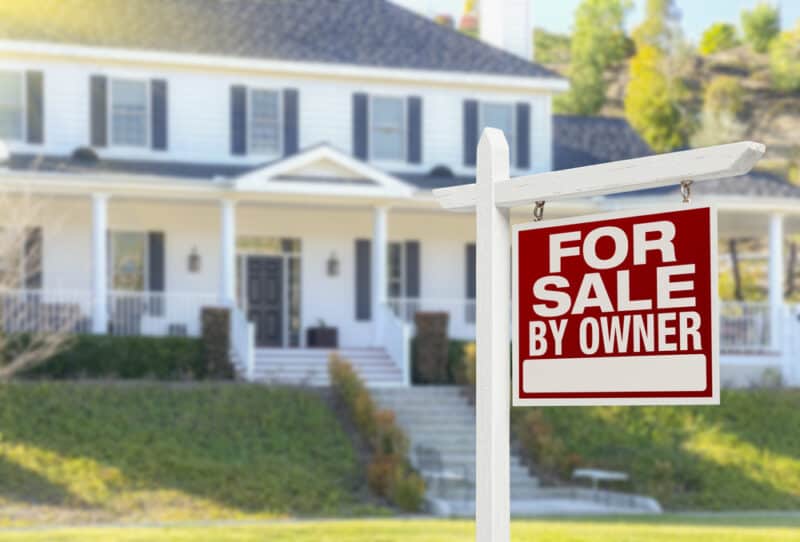
As with land, you’ll need to do a quick search and see how much property costs in your area of choice. Unless you can pay upfront, you will need to get a mortgage. Many rural areas have special rates and down payment assistance, so check with a real estate agent.
Factor the cost of the mortgage into the overall start-up price of your property.
If you decide to buy a repairman or build a new house, you will need a place to live in the meantime.
Some homesteaders have a lot of work to do on their property before moving in, so you might want to rent an RV so you have a place to stay while you do the work. Expect to pay $50 to $150 per night for this.
Or you can buy a motorhome. You can often find used ones at low prices. Then you can sell the RV once your home is ready. Alternatively, you can keep the motorhome as a guesthouse for visiting friends or family, or you can keep it for travelling.
Of course, if you buy a ready-to-move-in home, you can avoid this cost. But you will have to pay more upfront.
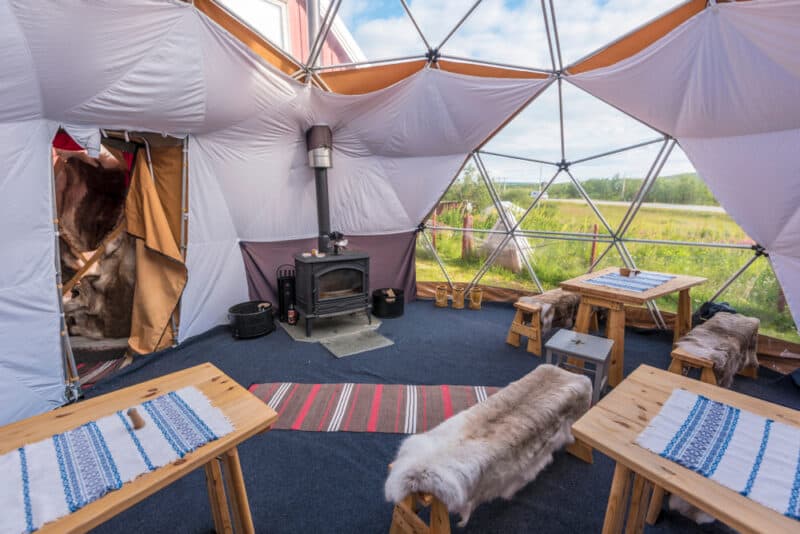
You can also opt for a more affordable structure such as a small house or a yurt. This can be your long-term residence or a temporary structure until your main dwelling is ready.
3. Transportation
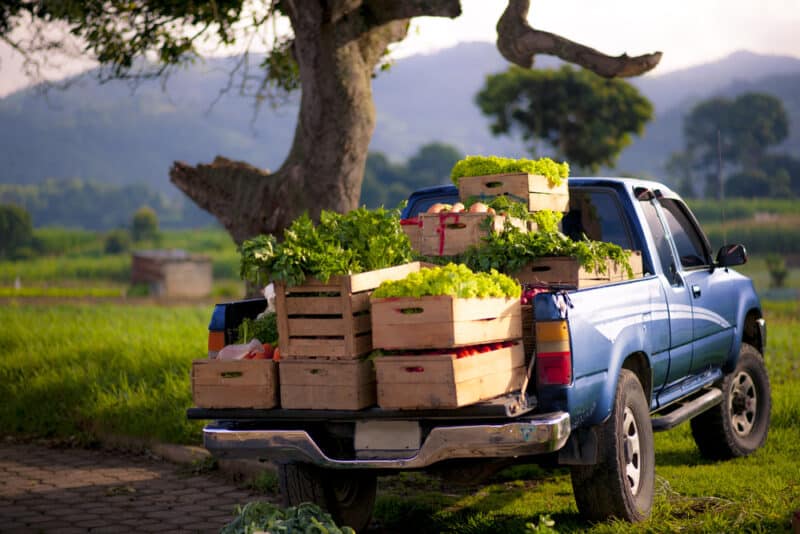
Many people need a van on their property. These are necessary if you are going to be pulling trailers for livestock or supplies. If you’re going off the paved roads, you’ll need a four-wheel drive vehicle.
You can find an old truck or used SUV for less than a few thousand dollars or buy a new one from around $20,000 and up.
4. Set up electricity, septic tank and water
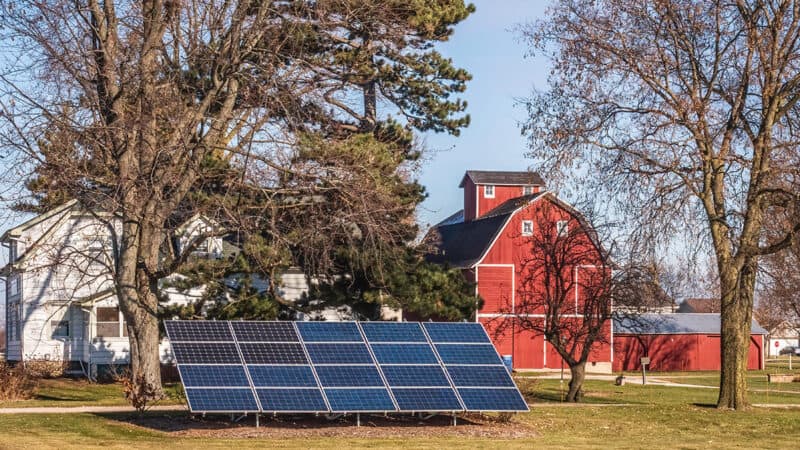
If you are off-grid, you will need to purchase a solar system or other method of getting electricity. If you are connected to the grid but the power supply is unreliable, you will also need a generator.
A basic solar system will start at around $20,000 and can go much, much higher. A good generator costs at least $1,500.
You will probably also need to dig and install a septic tank. It can cost around $10,000, depending on how deep you need to drill.
Finally, if you don’t have water yet, you’ll need to hook up to municipal water or drill a well. Drilling usually costs around $50 per foot.
5. Land Development Costs
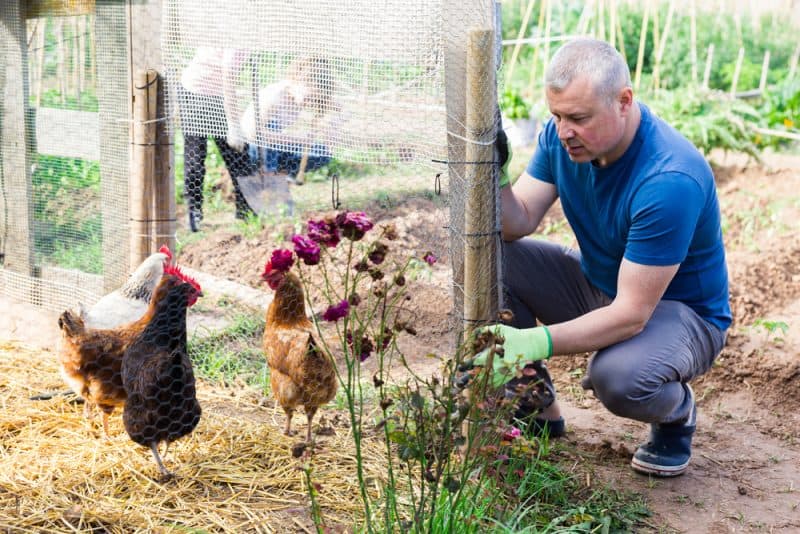
There are a lot of little things that come with land development that we sometimes overlook. Don’t forget to plan for fencing, grading, tree felling, water diversion, and the creation of roads and trails.
Even if the land you purchased was already landscaped, it will likely require some maintenance and you will likely want to make changes.
6. The price of growing crops
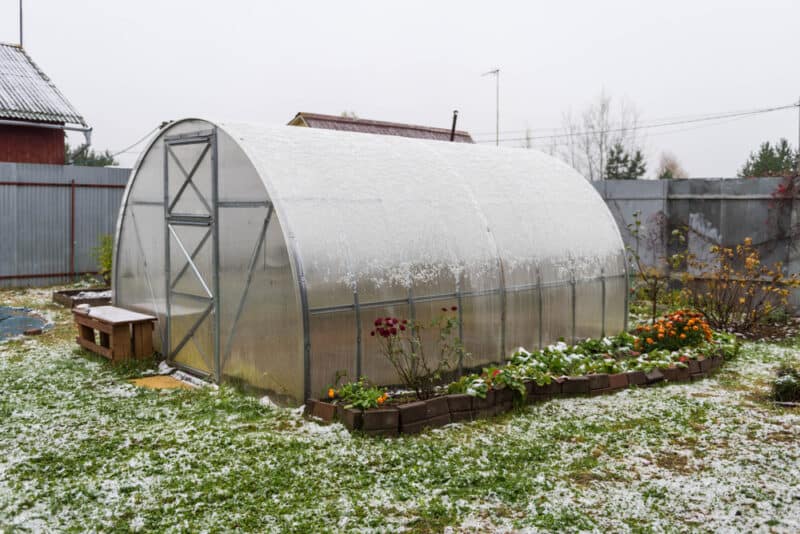
When you live on a farm, you grow a lot of food for your family. You will need to start planning and organizing the space for crops, plants and garden tools.
A greenhouse is an excellent choice for gardeners who want to be able to grow crops all year round. Although the more advanced design options can cost well over $10,000, you can find cheaper alternatives for as low as $200 to $500 to get you started!
You can also build high or low tunnels or more economical cold frames.
You will need to buy tools to plant and maintain the plants. You can save a ton by buying used tools or looking for sales. You will need shovels, rakes, plows, weeding tools, gloves, a lawn mower, carts or wheelbarrows, seeders and more depending on what you are growing and how much you are doing.
You should buy seed starter trays and pots. Most seed starter trays and pots can be purchased for a few dollars.
You should also plan for the following:
- potting soil
- transplants
- Mulch
- Trees and shrubs
- Fencing
- Seeds
- Building materials for raised beds
7. Raising Animals
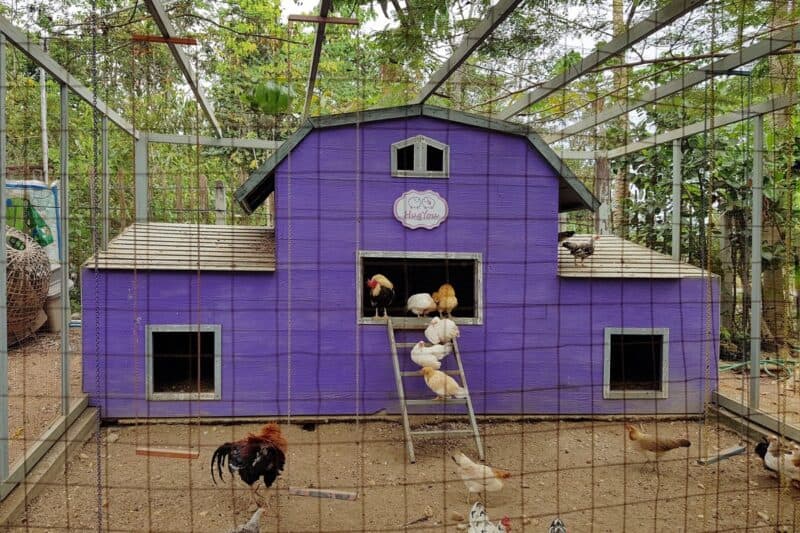
Beyond growing crops and raising livestock, there is the next phase of being a full-time farmer and of course getting started with livestock comes at a cost.
Chickens are one of the most accessible options for beginners who have never kept livestock and want to learn how to care for animals on a farm.
Buying a chicken costs about $2-5 at farm supply stores. Once you have adopted your new chickens, you will need to prepare their home.
You will need a brooder, containers for food and water, and a heat lamp. When they are big enough, they will need a coop and a pen.
Other costs associated with raising chickens include:
Allow around $1,000 to start your installation.
You will also need to plant on building barns for any livestock, as well as the cost of buying and feeding them. Some animals, like horses, need regular inoculations, shoeing and dental care.
You can build a small barn out of reclaimed wood for an extremely low price. Or you can start from scratch with new materials or build something bigger. Barn costs can range from $1,000 to $10,000 or more.
8. Cost of living on your property

Owning, growing crops and raising livestock are only part of the cost puzzle when starting a farm. If you work remotely or want to be able to relax in the evening with an online movie, you will need internet access.
The cost of internet is higher than in urban areas because it is more difficult to get reception and people have to search for some time to find options. Don’t be surprised to pay close to $200 per month.
Remember things like home and farm maintenance, garbage disposal, and insurance.
Was this article helpful?
Yes No ×
We appreciate your helpful feedback!
Your response will be used to improve our content. The more feedback you give us, the better our pages will be.
Facebook pinterest