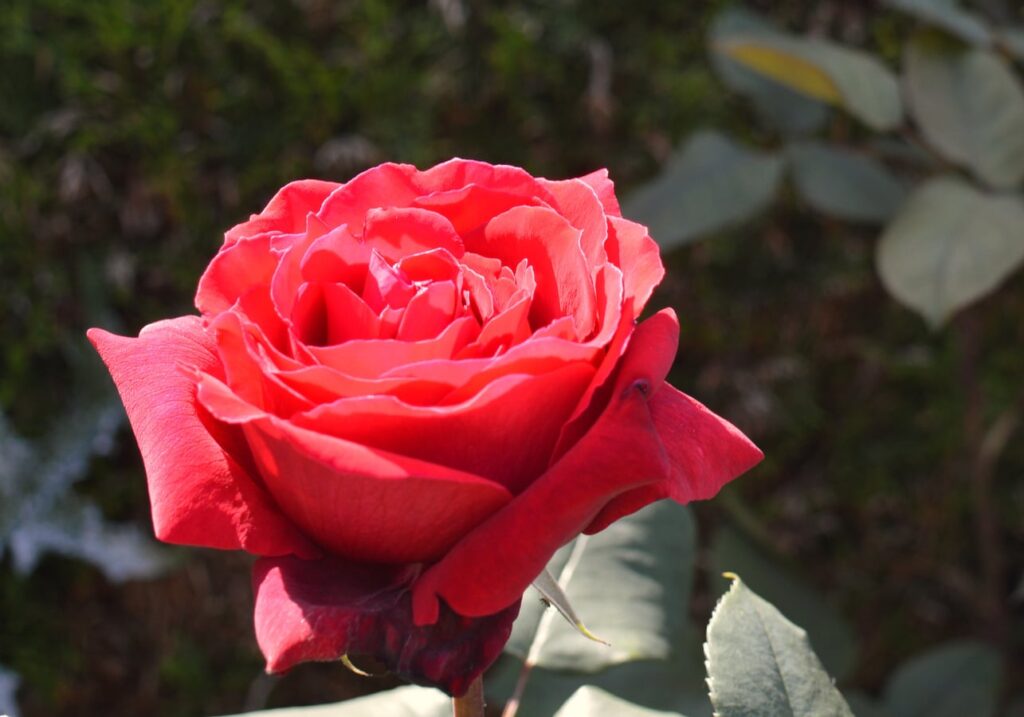

There is no doubt that roses are one of the favorite plants of many gardeners and gardening enthusiasts. They are hardy, adapt quite well to life in a multitude of climates – especially if they are temperate – and produce a large number of flowers throughout the season.
But sometimes it can happen that they only flower for a few weeks, and of course, if that happens, one can wonder when the roses bloom. And it is that depending on the species and cultivar, they can do it at a different time of the year.
When does the flowering season for roses begin?

The vast majority of rose varieties they begin to bloom in spring and continue through summer. But, of course, when does flowering really start? Well, for that we have to talk about the weather. If the temperatures are still mild and the thermometer marks a minimum of 15 ºC and a maximum of 20 ºC or more, our protagonists will start the production of flowers at that time.
But there are exceptions. There are species of roses native to warmer climates that will take longer. This is the case with evergreen roses, like the pure species pink nutkana which grows in western North America, or evergreen rose which is native to the Mediterranean region.
What factors influence the flowering of roses?

Related article:
How to make roses bloom
We’ve talked about temperature, but that’s not the only thing that will determine whether a rose blooms. There are other things that also influence, and these are: the state of health of the plant itself, the fertility of the soil in which it grows, whether it is exposed to the sun or not, and whether it has water available.
Let’s look at each in detail:
rose health
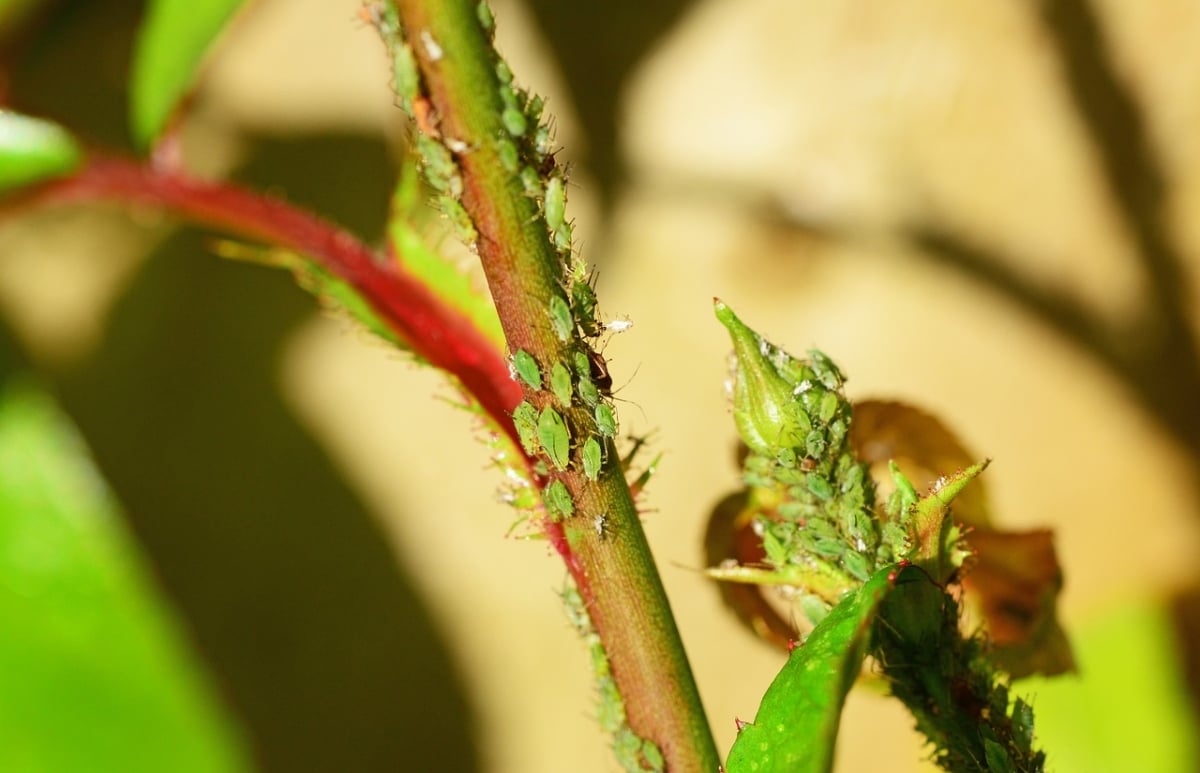
If the plant is affected by pests or has recently been affected, its flowering may cost more than a healthy one. It must be taken into account that the rose bush can end up being attacked by various insects, such as aphids or scale insects, so we will have to take measures as soon as we identify the first symptoms or damage.
Related article:
rose pests
soil fertility

Although roses aren’t too picky about this, as they can grow in a wide variety of different soils, yes, we could see that it is much more difficult for them to thrive in these soils where nutrients are scarce. So, if the soil is clayey for example, and also one that tends to erode, it won’t hurt to fertilize it regularly to keep the plants doing well. To do this, I recommend applying powdered organic fertilizers, such as horse or cow manure, worm humus, or compost.
Sun exposure
Rose bushes can be in partial shade, but in my own experience I advise you to put them in a sunny place to get them to produce many, many flowers. If you give them sun all day, they won’t have as much difficulty flowering as if you choose to place them in a position protected from the full sun.
Water availability
Rose bushes tolerate drought very badly; indeed, they suffer a lot when they lack water, and even more if the temperatures are high (30°C or more). For that, we don’t have to leave the land dry for a long period of time, since then the leaves would begin to dry out. In any case, we must not go to the other extreme either: and that is that if we watered them every day we would also make them suffer a lot. So that this does not happen, I advise checking the humidity of the earth with a stick.
Other factors that may influence
No matter how well the rose bushes are cared for, sometimes they don’t bloom or bloom as much as they should. In such cases, they may need pruning -remember that the trellis pruning is done at the end of winter, and that the flowers must then be eliminated as they fade-, or that they are in a pot that has become too small in which case we would see that the roots come out of it.
As you’ve seen, roses can flower for weeks at a time, but it’s important to make sure they’re doing really well.