
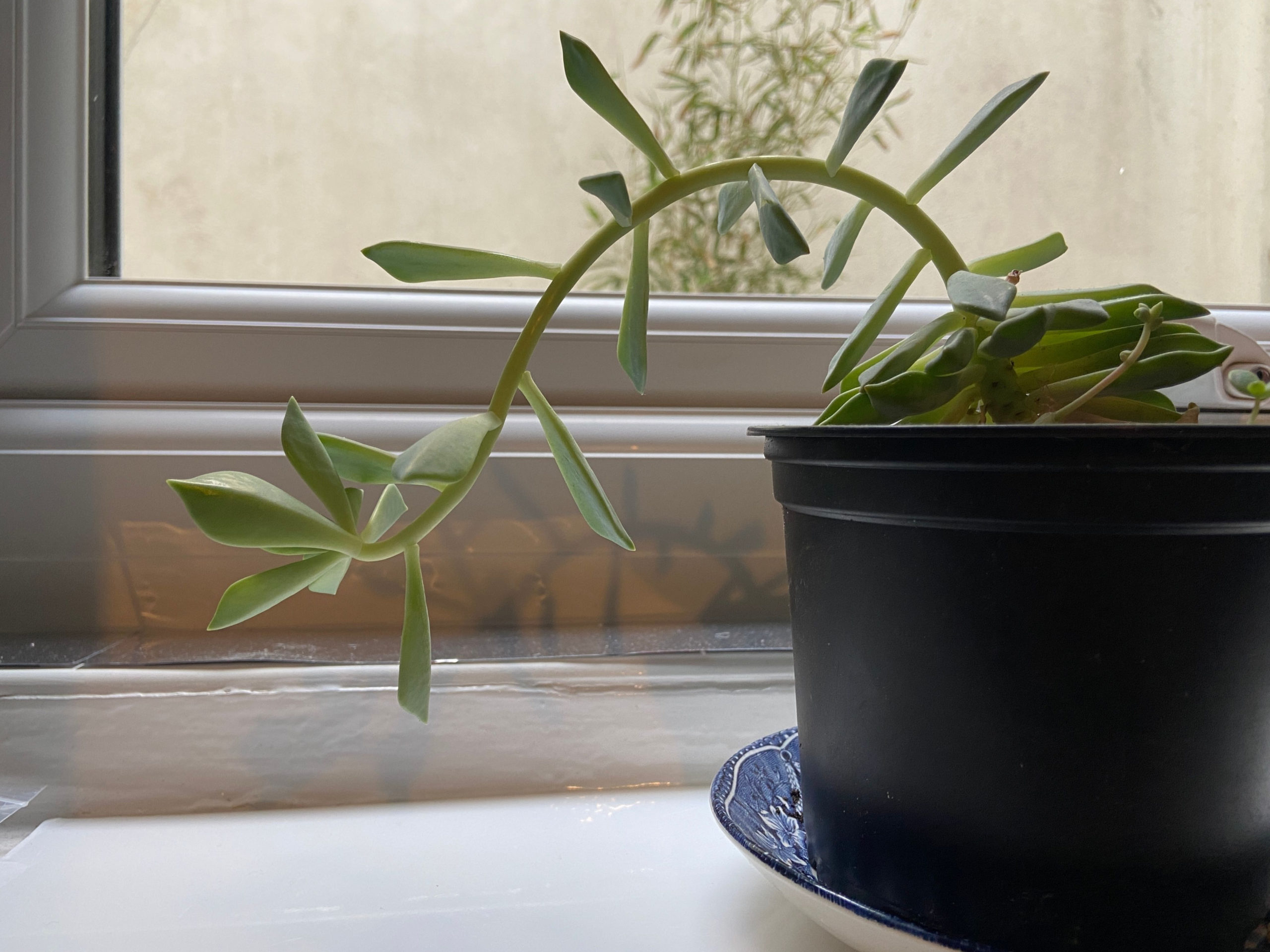
Succulents are loved around the world for their geometric patterns and compact shapes. Thanks to their interesting appearance, this fascinating group of plants has been embraced by houseplant enthusiasts around the world looking for an alternative to the tropical foliage plants commonly grown indoors.
Unfortunately, succulents are not ideal plants for growing indoors. Our indoor environments do not exactly match their natural sunny, hot and dry habitats. This mismatch causes a number of problems when growing succulents as houseplants, including stretching.
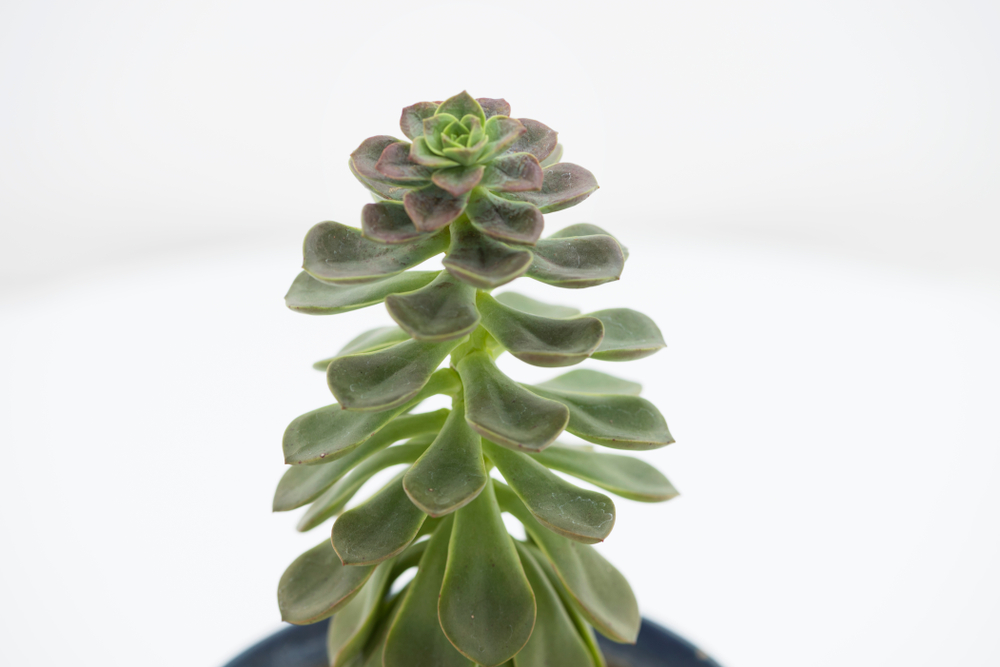
Leggy succulents are a common problem with a simple solution: propagation.
There are also several ways to avoid stretching in the future by ensuring your plant stays as compact and plump as the day you bought it.
Why do succulents stretch?
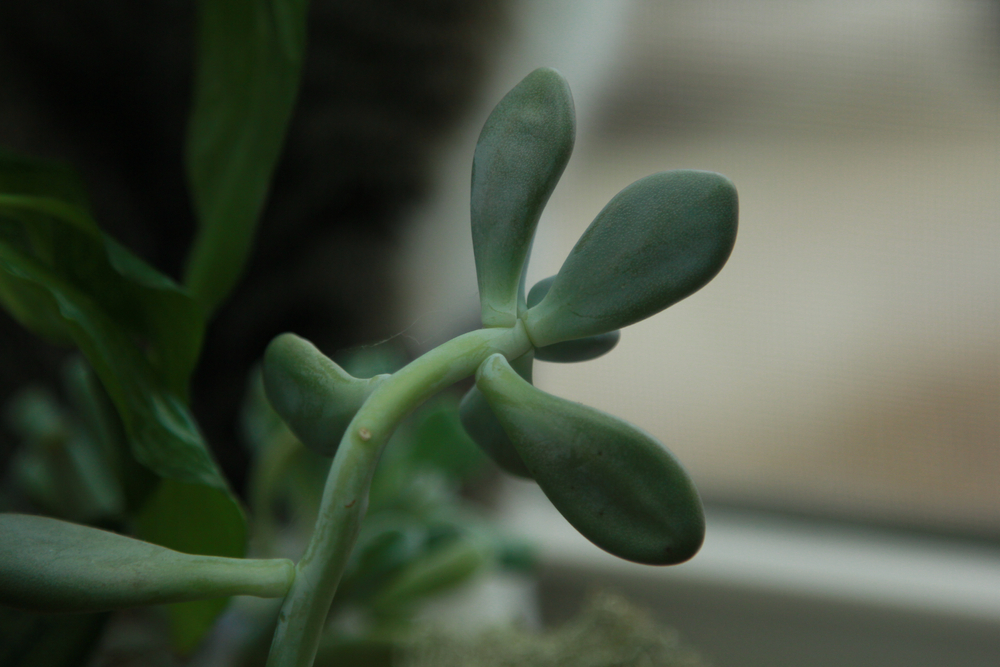
The stretching process in succulents is known as etiolation. This happens when your compact plant doesn’t get enough sunlight to grow effectively.
Instead of withering and dying, your plant will go into survival mode in low light areas. Sensing the nearest and strongest light source, the spaces between the leaves begin to stretch in search of direct sunlight. The leaves become smaller and smaller along the stem as more sunlight reaches it.
Unfortunately, there is no way for this growth to return to normal once it occurs. Moving to a sunnier location will not shorten the length of existing stems. Instead, follow these steps to fix spreading growth.
How to Fix Leggy Succulents
remove the top
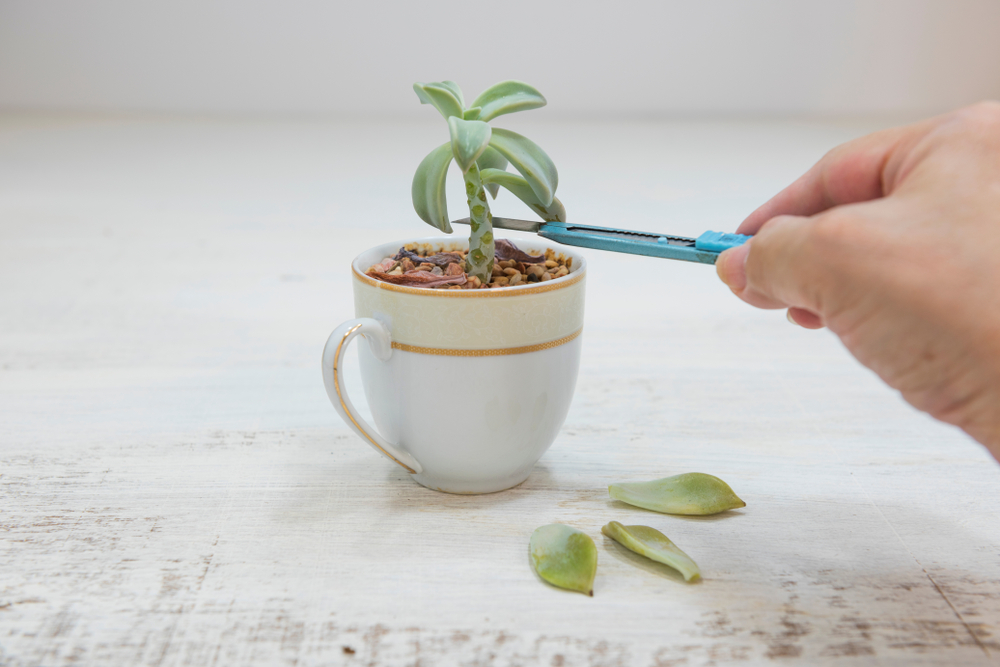
As drastic as it may seem to cut your succulent, it’s the only way to ensure new growth is compact and strong. Succulents are hardy plants that can root almost anywhere (except in moist soil), so getting plant cuttings to root and regrow shouldn’t be a problem.
Take a pair of sharp pruners and make sure they have been cleaned recently to prevent disease transmission. Then cut off the top of the succulent, leaving a small piece of stem at the base to anchor it to the ground. This top growth should be more compact with a few leaves giving it a great chance to root quickly.
Set it aside and watch the rest of the stem. You can continue to take stem cuttings throughout the plant, keeping a few leaves on each compact cutting, or you can remove the leaves individually.
Remove lower healthy leaves
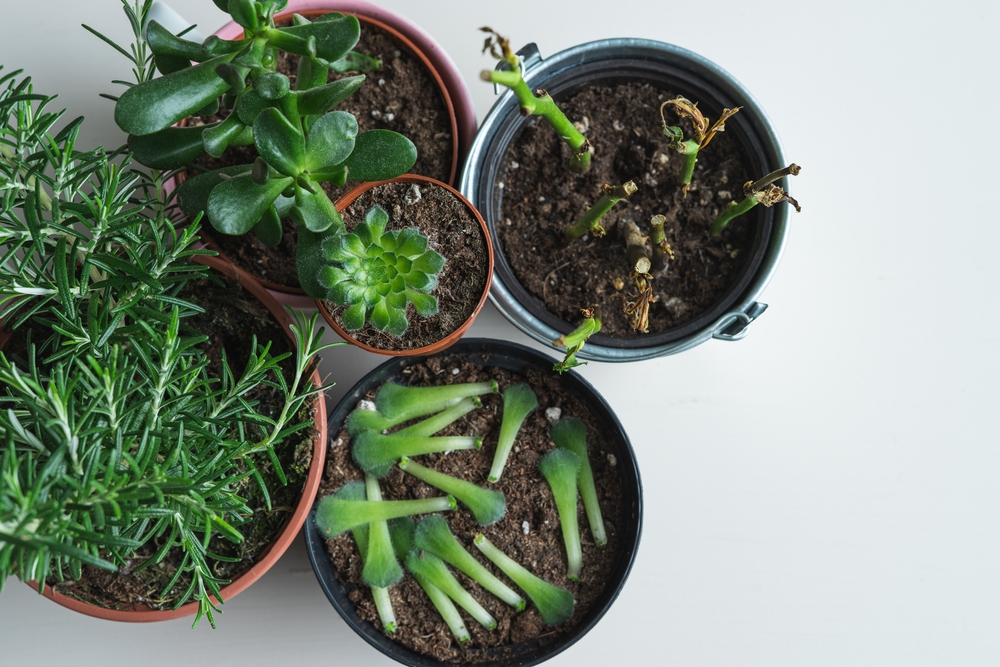
Removing leaves to propagate will produce the most plants at a time, as long as those leaves are healthy and disease-free. Leaf cuttings also develop new plants at the base, giving you a better chance of healthy growth than using a thin, skinny stem cutting.
When removing the leaves, peel them from the stem to include the node to avoid damage. If you split the sheet or tear it in the wrong place, just throw it away and move on to the next one. You only need a few strong leaves for healthy new plants to grow.
let dry
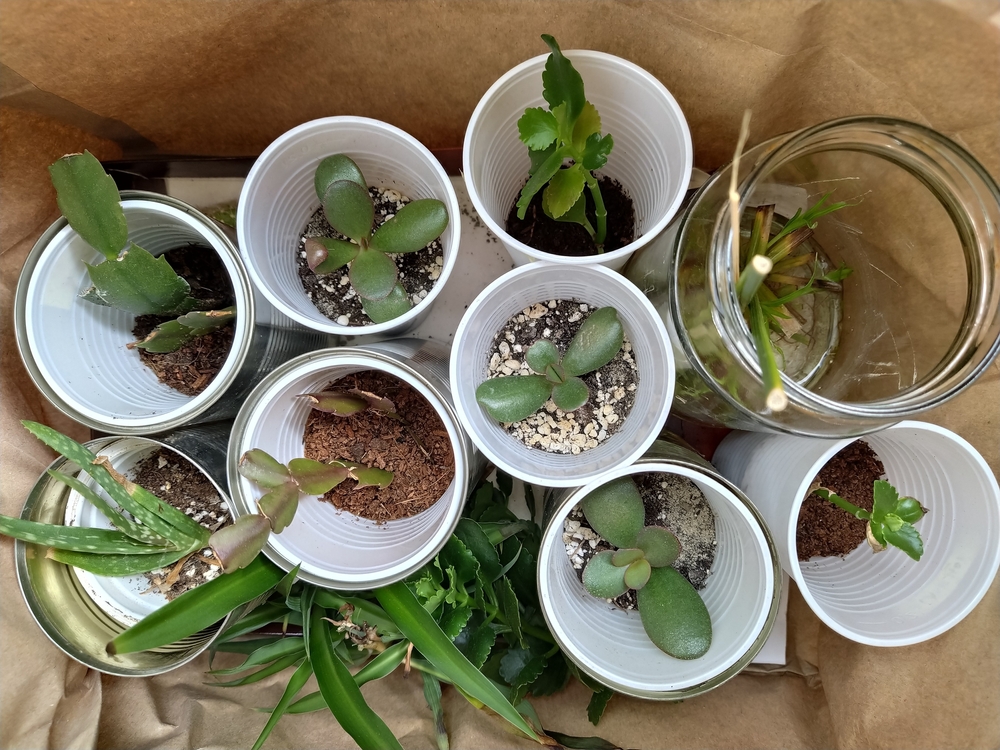
After removing the tops and a few leaves or stem cuttings, place them on a piece of newspaper and leave them calloused in a dry place. Once the ends are sealed, the cutting is much less likely to rot from exposure to moisture.
Although you can plant them right away, the risk of rotting is high, so it is recommended to wait a few days.
Prepare the soil
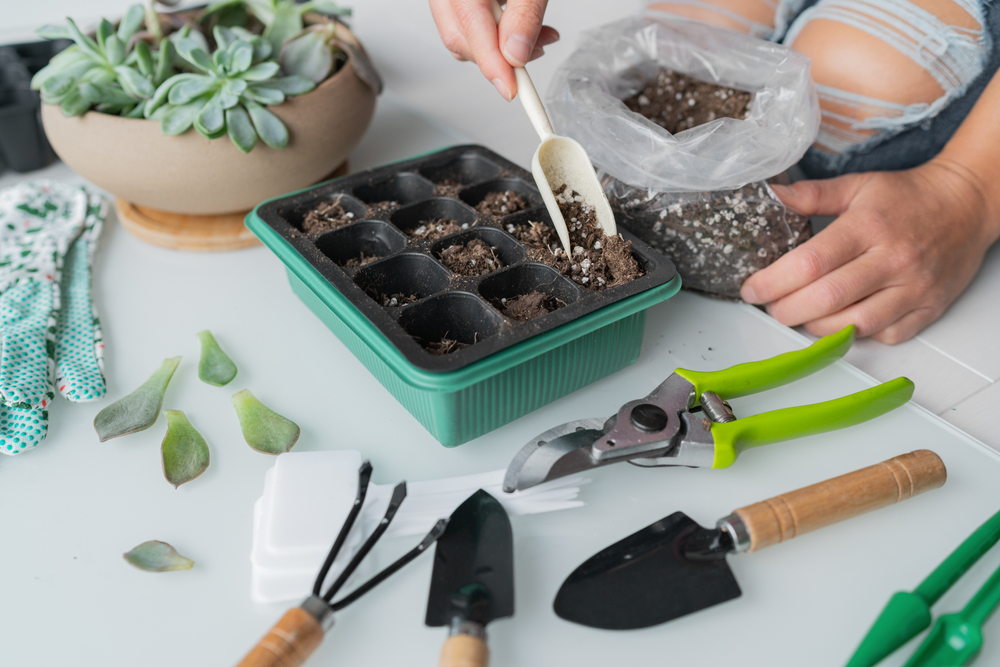
When your cuttings are ready to be planted, start by making a potting mix. Standard potting soil for cacti and succulents, like this one, will have the perfect consistency to drain well and prevent rot. You can also amend your potting mix with copious amounts of sand and bark to create the gritty texture that these plants love.
Fill a small pot with the mix of your choice to prepare it for planting. If you have multiple stem cuttings, prepare a small pot for each stem. When planting individual leaves, seed trays or large, shallow containers work best. Whichever option you choose, make sure your container has adequate drainage to prevent waterlogging.
repot the cuttings
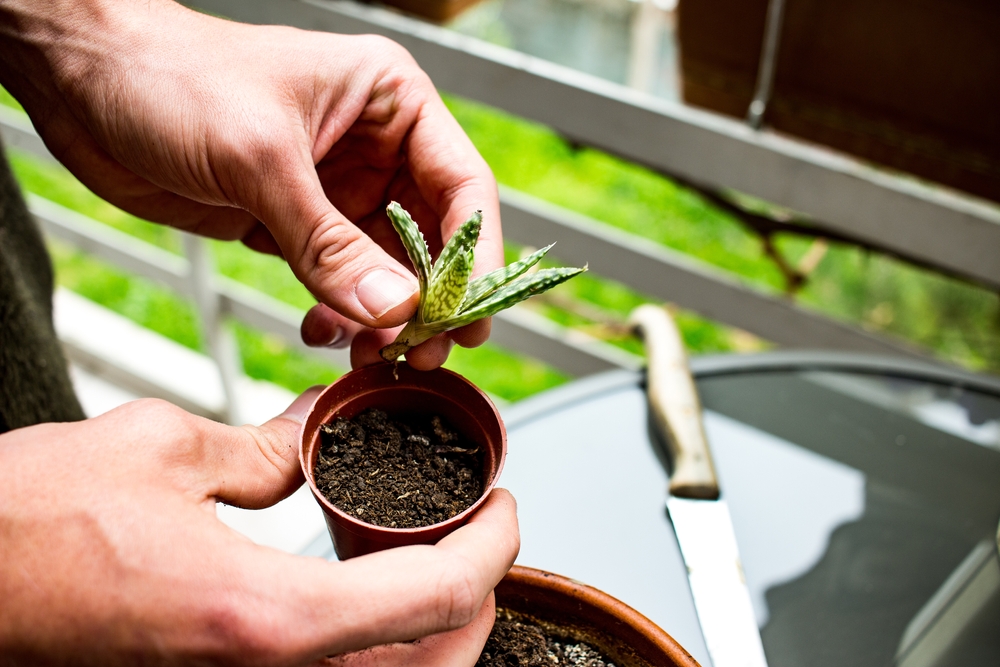
The next step is by far the easiest: just place the cuttings in the ground. You can bury the stem a little at the top to anchor it, or just put it in the ground.
The same goes for individual stem cuttings. They don’t need to be buried far to produce roots. As long as they are in contact with the ground and not being blown away by the wind, they should root well.
Leaves should not be buried at all. Lay them on their side in the ground to allow root growth to descend. Eventually this main leaf will wither and die, leaving a small plant at the base.
moisten the ground
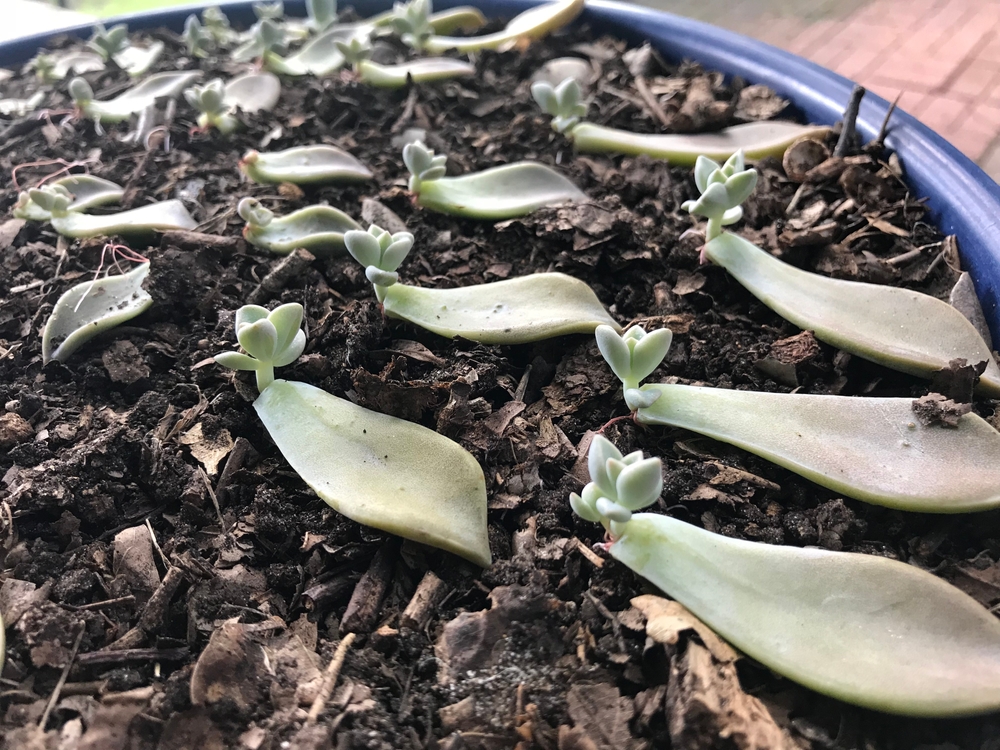
To stimulate root growth, you can lightly moisten the soil after planting. This is best done with a spray bottle to add light moisture, rather than keeping the soil moist for long periods of time. If possible, avoid wetting the leaves to avoid the risk of rotting.
Alternatively, you can moisten the soil before planting and drain excess water through the drainage holes. This prevents water from entering between the leaves, preventing them from rotting.
expect new growth
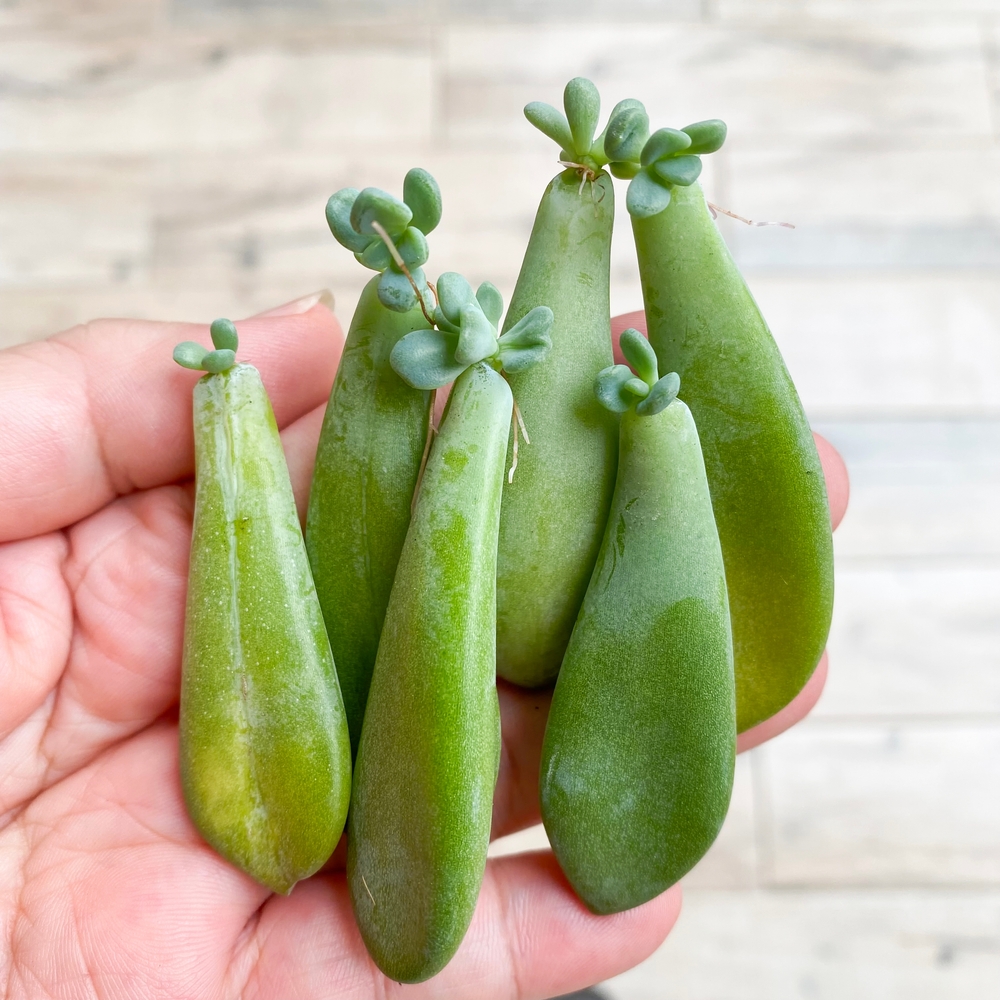
Move your containers or trays to a warm, bright place and wait for new shoots to appear. It will take a few weeks, but you will soon notice growth beginning at the base of the individual leaves.
For the top, it can be harder to tell when new growth has emerged. If you want to check for root growth, gently tug on the stem. Any resistance indicates that the plant has successfully anchored itself in the soil.
Transplantation
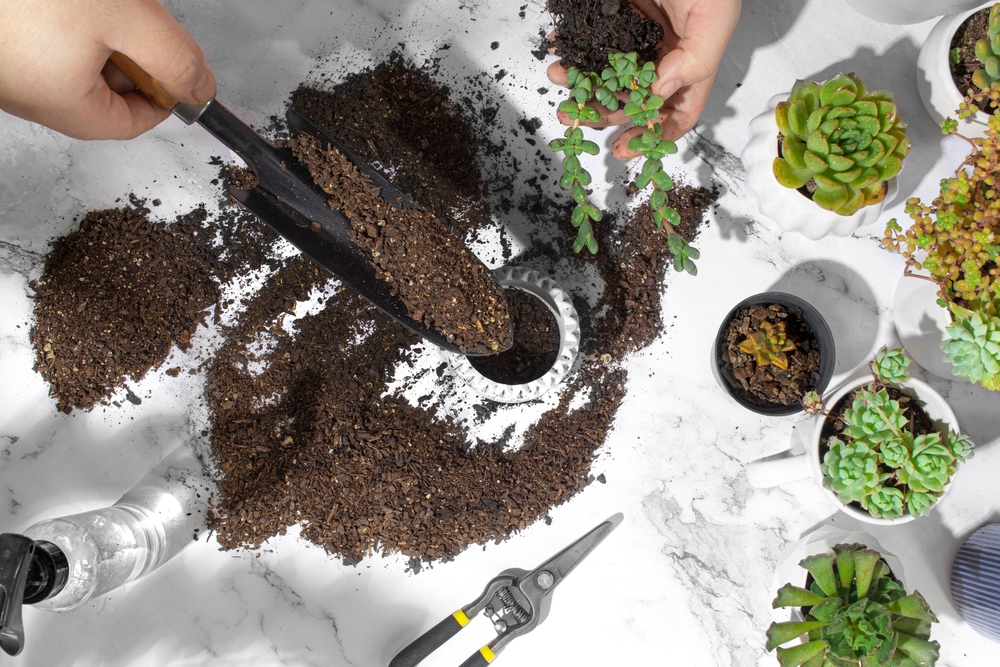
The top can continue to grow in the same container until it seems to need more potting space. But if you’ve planted individual leaves together, you’ll eventually need to transplant them to grow on their own.
Transfer to individual pots filled with succulent potting soil. Delay watering, especially shortly after transplanting, to avoid shock. Your succulents should spend months in these pots before they need to be moved again.
How to Stop Succulents from Stretching
While fixing a stretched succulent isn’t a difficult process, it’s better for your health and your schedule to prevent them from stretching in the first place. Follow these tips to keep your succulents happy and compact.
Give them the right amount of sunlight.
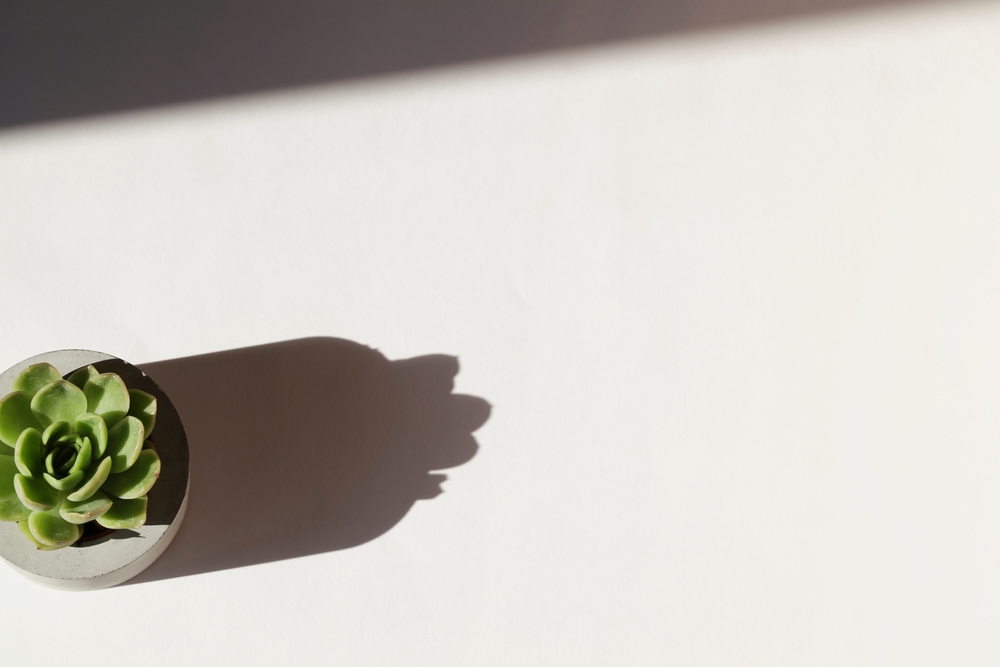
The most important factor to consider is the light level, especially if you are growing indoors. Succulents are not made for shade, or by extension, indoor growing. These plants like full sun and hot, dry conditions in their native habitat, an environment that is difficult to replicate indoors.
Make sure your succulents get direct sunlight for a full day if you want to maintain their shape. If you can’t handle a full day, a minimum of four hours should be enough to make him happy.
Also consider changes in the quality of sunshine throughout the year. Four hours of direct sunlight during a cold winter is probably not strong enough to sustain growth, while during intense hot summers they may survive a little less.
Use your intuition, watch for the first signs of stretching, and move your plant to a brighter location if necessary.
Spin your pots
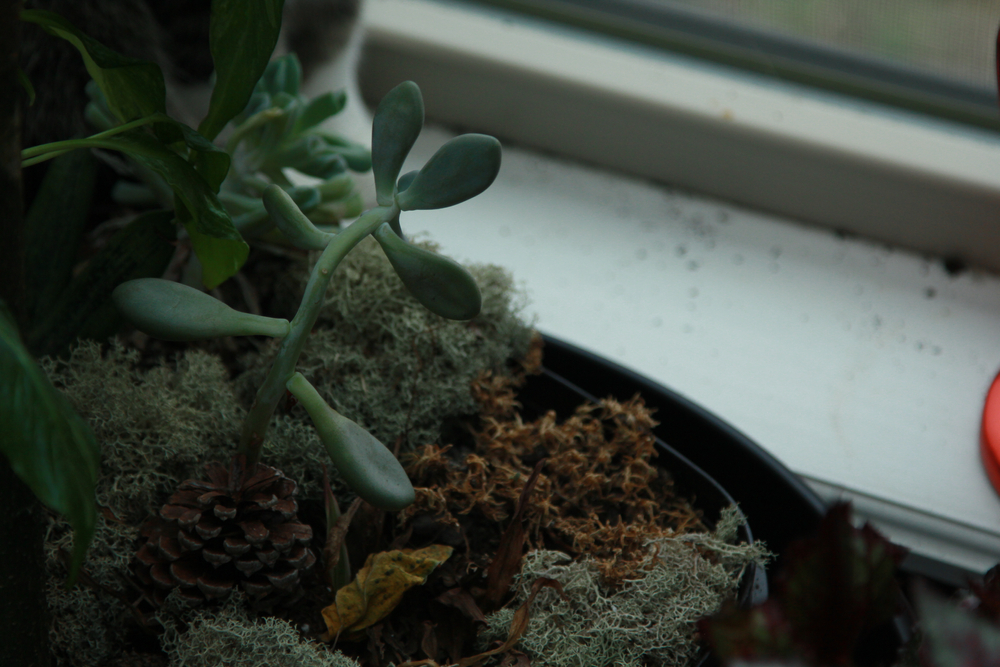
Succulents can quickly become unbalanced if one side is closer to the light source at the expense of the other. To maintain the even, geometric growth we all crave in these plants, rotate the pots once a week to ensure each side receives the same amount of sunlight.
Trim if necessary
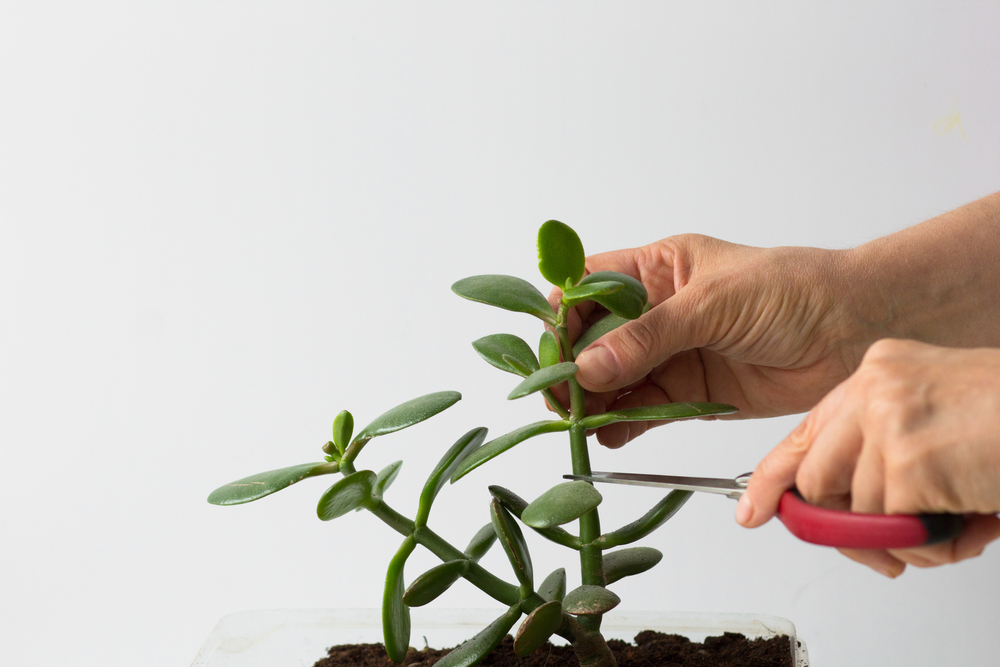
If you notice your succulent plant starting to stretch, it’s best to catch the problem early. You can go through the propagation processes or simply prune the problem areas and move the pot to a brighter location to continue growing. Don’t forget to repot any cuttings you take to grow even more of your favorite plants.