Some of the links in the post are affiliate links and I receive a commission for purchases made through some of the links in the post.
Hoya is a common houseplant and comes in several varieties. It is generally called a wax plant.
It’s not difficult to grow at all, but common problems you may face include fungal leaf spots or shriveled leaves on your hoya.
Don’t worry, we’ve got you covered and have listed all the information you need to get your plant green and healthy again!
What is a Hoya Plant?
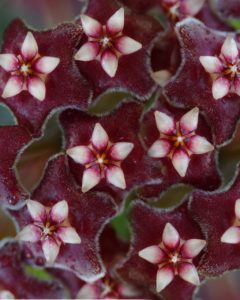 Native to East Asia and Australia, the Hoya plant is part of the family Apocynaceae†Botanical name is Fleshy hole.
This plant is commonly referred to as wax plant, wax vine, and porcelain flower.
The leaves and flowers of this plant are covered with a thin layer of cuticular wax which gives them a shiny appearance and is therefore the origin of its common name.
This semi-woody vine has small oval leaves. It blooms in spring until late summer.
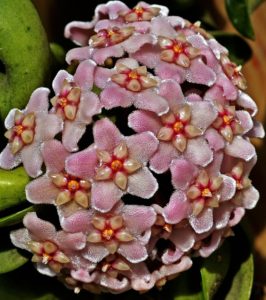
The small star-shaped flowers appear in a group of 10-50. The flowers vary in color from pinkish white to dark pink.
The hoya plant grows best in bright natural light. It should be placed in a bright window, but avoid too bright sunlight, as excessive sunburn can burn it.
If your hoya plant is having trouble finding light, try East to help control lighting.
Prefers well-drained to almost completely dry soils. Excessive watering can damage the plant. Be careful not to overwater your plant.
In the summer, you need a water-soluble houseplant fertilizer every month. It grows well in moderately humid conditions.
Try this easy to use fertilizer to give your plant a boost.
What is Fungal Leaf Spot on Hoya?
Leaf spot is a disease caused by airborne fungal spores. They appear as small black or brown round dots.
These can spread throughout the plant if not monitored and controlled. Spots can cause leaf drop. These spots can eventually damage the plant to such an extent that the plant may die.
The spots can be red, brown, black, red, white or yellow. Brown to black spots are usually due to fungal and bacterial contamination.
Red spots come from sunburn, yellow spots from nitrogen deficiency, and white spots from mineral deposits or scale insects.
Fungal leaf spots are caused by a variety of fungi. You should be on the lookout for the following fungi which can seriously damage your hoya plant:
1) Botrytis
The most common fungus that affects hoya plants is: Botrytis cinerea commonly called “grey mold”.
Dye first, then leave the leaves loose and messy. Causes graying along leaf edges.
The leaves eventually drop and the spots spread to other parts of the plant.
2) Septoria
Septoria lycopersici It affects many different plants. It is best known for causing spotting on tomatoes.
The Hoya plant becomes mocking when infected with this fungus. It can also cause the edges of the leaves to turn brown. If the infection becomes severe, the spots become larger and yellow.
3) Coletotrichum
Colletotrichum lagenaria it is a common fungus in tropical regions and also affects the hoya plant. It causes a disease called anthracnose.
It initially causes yellow spots which later turn into brown spots. This disease is contagious and can also spread to other plants.
4) Alternatives
Alternaria species cause black and brown spots on the leaves of a hoya plant.
It also causes lesions on the stems of the plant. It is a common and very harmful fungus.
Treatment of a hole with leaf spot?
Follow the respective steps to save your Hoya plant from fungal leaf spot:
1) Isolate the diseased plant
If a single plant in your garden is sick, isolate it immediately. This prevents the fungus from spreading to neighboring healthy plants.
2) Remove diseased leaves
Prune the leaves affected by the spots. Cut off leaves that are badly damaged. This would limit the spread of the fungus on the same plant.
3) Provide good lighting
The plant needs bright natural light. Depriving them of light promotes mold growth. Place the plant where it will receive enough sunlight to kill the fungus.
4) Apply organic compost
In case of Botrytis infection, apply organic fertilizer to the soil. This prevents the leaves from picking up fungal spores from the soil.
However, avoid mulching around the base of the plant. This can cause moisture buildup and aggravate fungal disease.
5) Delete suspicious funds
Remove any dirt suspected of mold. Use fresh potting soil and transplant the plant into it. Septoria fungi, in particular, are dormant in the soil and can affect new plants.
6) Keep your plant dry
 Watering sparingly will help keep the plant healthy. Water the plant when the soil looks extremely parched and very dry.
Normally it must be watered often in summer because of the heat. In winter, you don’t need so much water.
Overwatering creates moist conditions conducive to mold. So keep it as dry as you can tolerate to avoid infection.
7) Improves air circulation:
Place your hoya plant in a well-ventilated, well-ventilated area and do not overcrowd the plants.
Maintaining good air circulation prevents re-infection with fungus and keeps you dry.
8) Apply fungicides
Apply copper or sulfur based fungicides. Mix the fungicide with water and spray it on the leaves. This would kill the infecting fungus.
A natural fungicide to help you is cinnamon. Use cinnamon powder on the affected plant to get rid of the fungus.
Why are the leaves of my Hoya plants wilting?
If your Hoya plant’s leaves are curling, puckering and puckering, it could be due to a number of factors. Common factors your plant may be facing include:
1) Water stress
As a succulent, the Hoya plant does not need a lot of water. That doesn’t mean you have to get carried away and stop watering for a month.
Under water, leaves can curl and wrinkle. The plant will dry out, and the leaves will not be sufficiently nourished.
The soil should be almost dry, but not completely dry. Once the soil dries, water it until it is moist and well-drained.
If it doesn’t flood your plant, check for root damage. Damaged roots do not absorb water and cause the plant to dry out.
A more serious factor that could cause shriveled leaves is overwatering.
Overwatering may be due to insufficient soil drainage or frequent watering. As discussed, just water as needed. This prevents fungal infections and wrinkles.
If you need help watering your plant, try this Automatic drip irrigation kit.
2) Pest problems
In rare cases, an infestation of scale insects or aphids can cause the leaves of the hoya plant to wrinkle. The insects feed on the leaves, suck up the water and leave them to dry.
To solve this problem, clean the leaves, isolate the infected plant and use a neem oil spray at night. This would prevent future infections.
3) Thermal shock:
The Hoya plant prefers warm conditions to grow, especially temperatures between 60°F and 80°F.
If you move the plant from its location to an environment that is too hot or too cold, the plant may go into shock and the leaves may wilt.
The leaves do not wilt when grown indoors, where the temperature does not fluctuate much. This protects it from thermal shock.
If you liked this article, read it, How to care for your jelly peperomia plant.
Final thoughts: How do you treat a Hoya with fungal leaf spot?
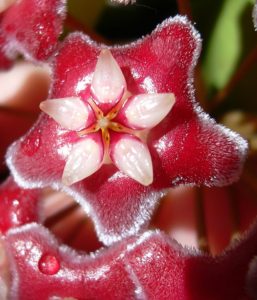 Hoya plants are beautiful plants that bring life to any tropical garden.
Although they are fairly easy to grow and low maintenance, they do require a little extra care when it comes to certain fungal diseases.
If you’ve made it this far, I hope all your questions about your precious plant have been answered.
About the Author:
Saad Anzar
Saad is an avid gardener and a great lover of plants, animals, photography and people. Currently, his focus is on indoor plant photography and captioning beautiful landscapes. Write and rewrite feature articles on nature and science.