
Image – Wikimedia/Diego Delso
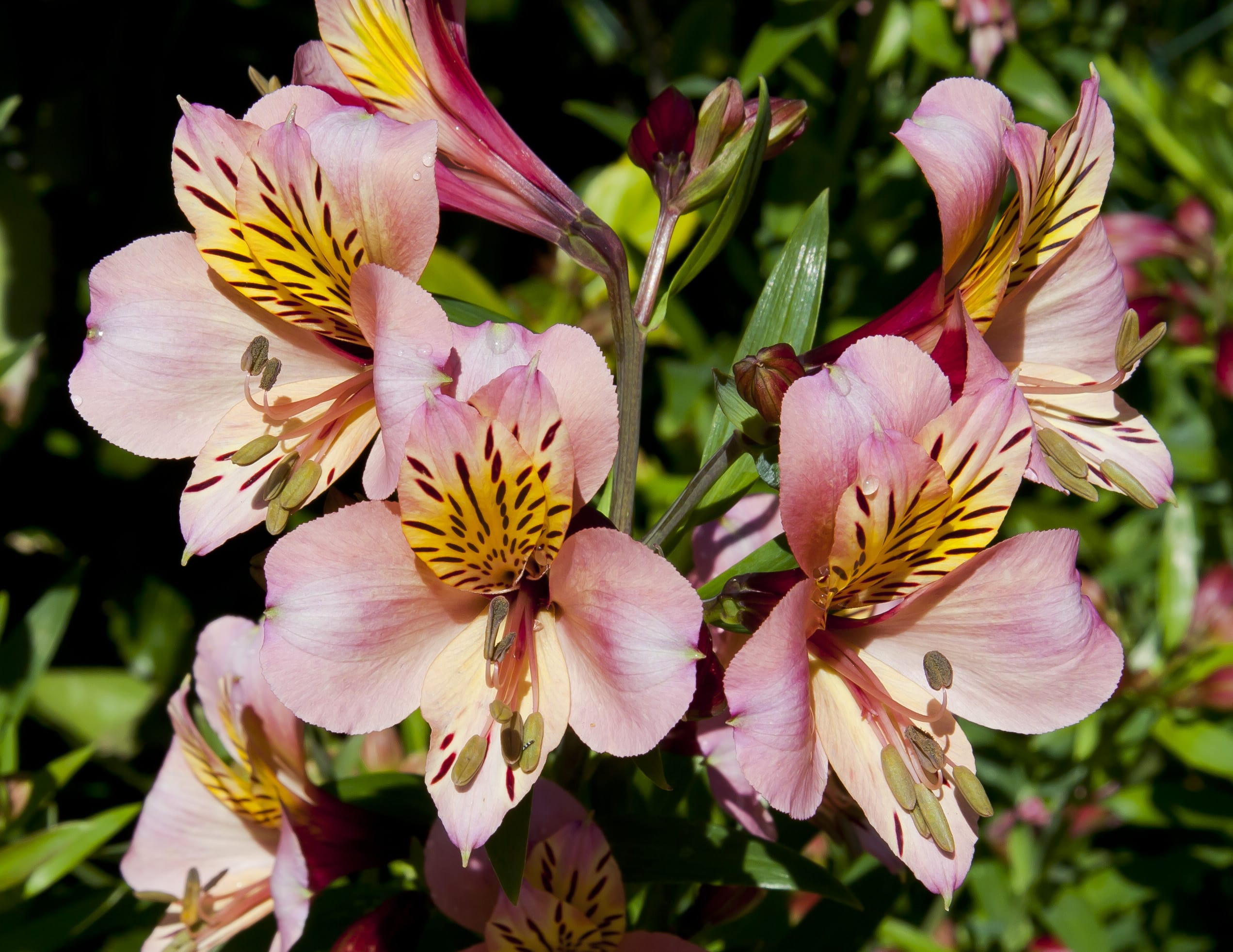
The Alstroemeria aurantiaca It is one of the rhizomatous plants that produce flowers during the summer. In addition, it is able to withstand moderate frosts without any problem, which is undoubtedly very, very interesting since it means that we can keep it outdoors all year round; we will only have to protect it if the winter temperatures are extreme.
As if that were not enough, we are talking about a very grateful species; In other words: it is quite easy to maintain. But we will need to know when it is planted, when is the best time to fertilize it, and much more. So If you want to grow one in your terrace or in the garden, take note of what I am about to tell you.
What is the origin and characteristics of the Alstroemeria aurantiaca?
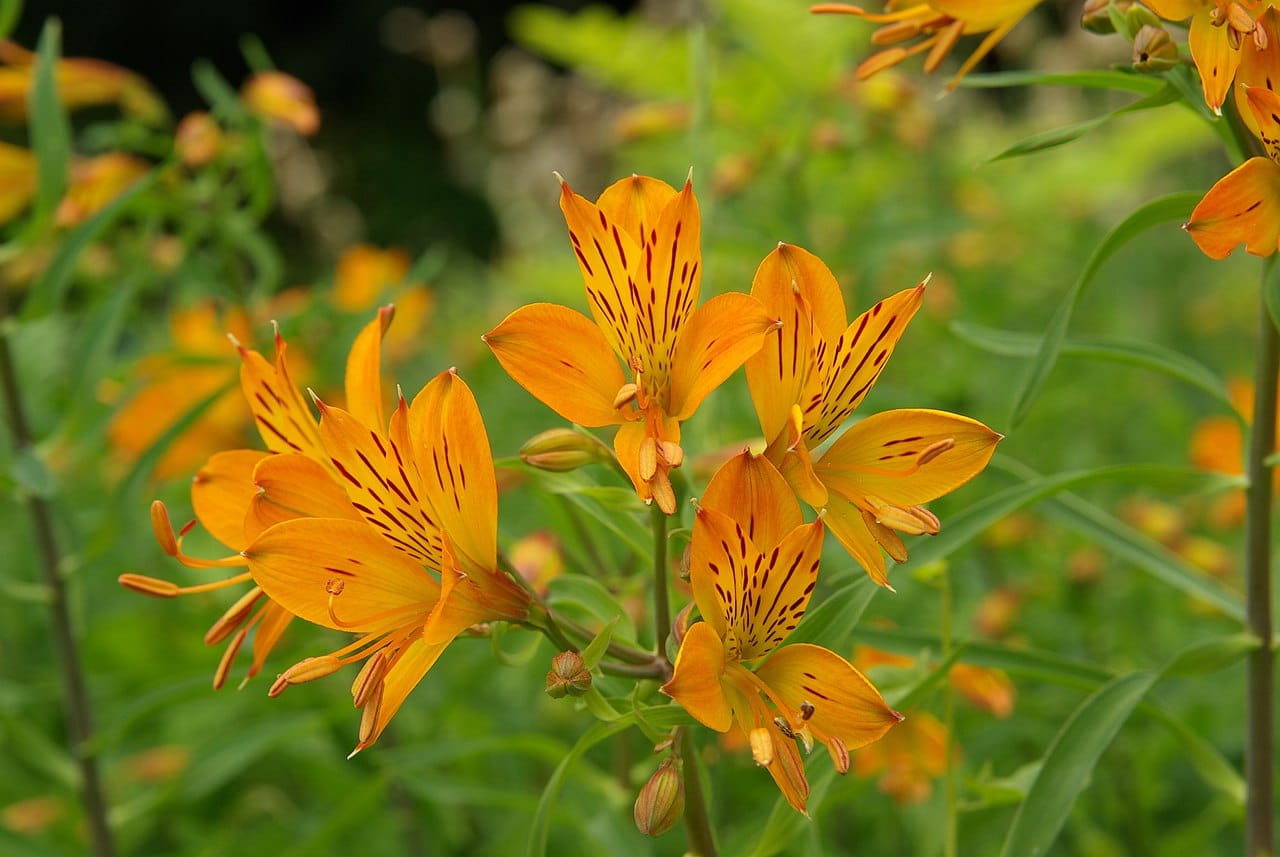
Image – Wikimedia/10mpx cg
Known as the Peruvian lily, Peruvian lily, golden amancay, or simply alstromelia, it is a rhizomatous plant that belongs to the genus Alstroemeria. It is one of 120 species of this genus, like the Alstroemeria haemantha vague Alstroemeria psittacina. But before continuing, know that its current scientific name is Alstroemeria aureaso that from Alstroemeria aurantiaca has become synonymous with it.
But in any case, what has not changed are its characteristics. And it is that It is a rhizomatous plant that develops stems that can reach between 0.50 centimeter and one meter in height.. These stems are erect, so it will not be very difficult to choose the place where it is going to be placed.
The leaves are elongated and green. During the summer, it produces flowers in groups, which can be orange or yellowish with reddish spots. As for the fruit, it is an ellipse-shaped capsule, which contains small seeds. Out of curiosity, tell yourself that she is a hermaphrodite; that is, the flowers have both female and male parts, so that a single specimen is capable of producing fruit with seeds.
What are the care Alstroemeria aurantiaca?
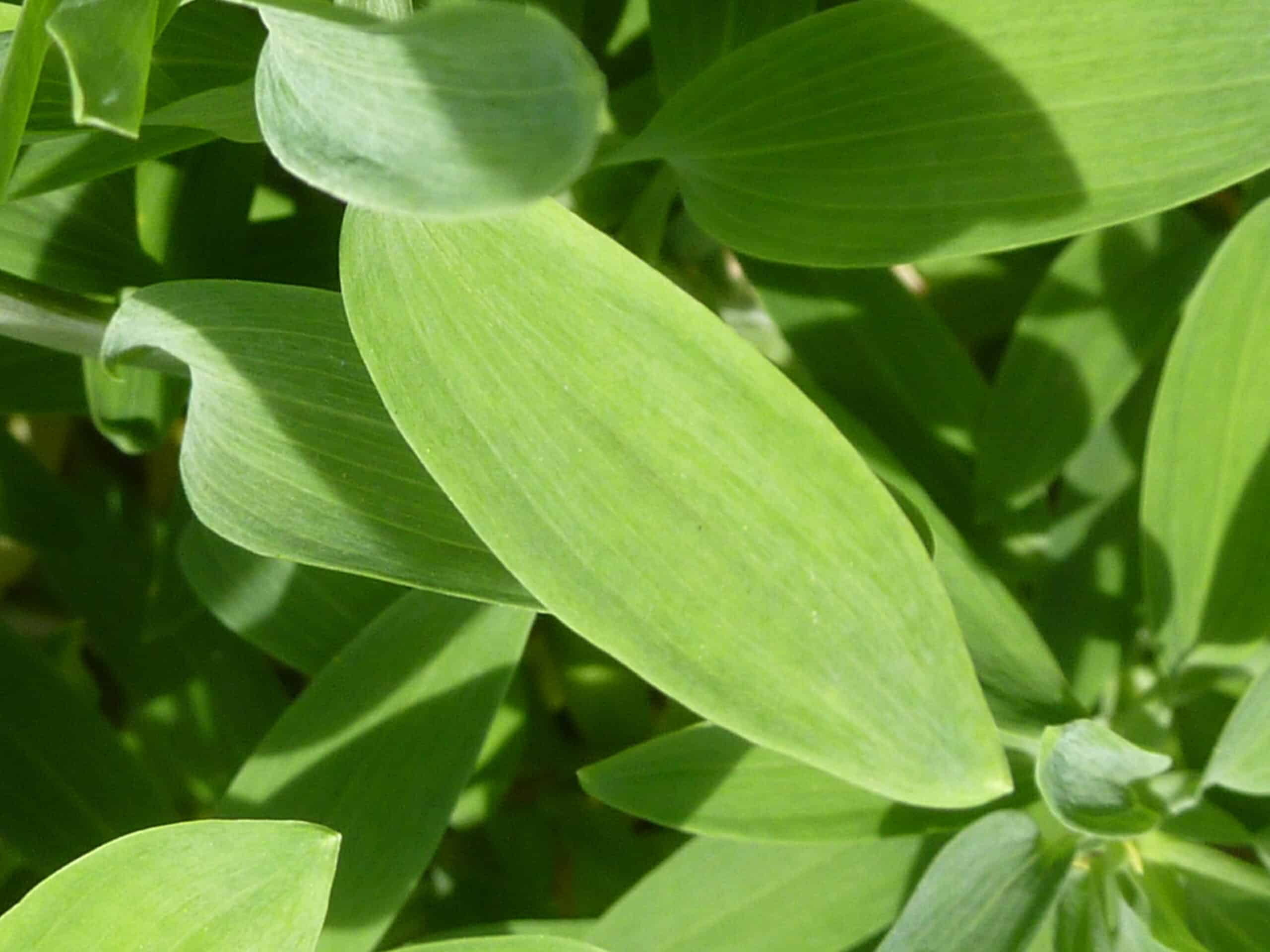
Image – Wikimedia/Magnus Manske
Now let’s talk about caring for this precious plant. And it is that, as I like to repeat, when you acquire one, It is at least advisable to learn a little about him and his needs. In this way, one can have a good chance of being able to maintain it for a long, very long time (years).
Where to place the astromelia?
Outside, inside the house; in the sun, in the shade… There can be a lot of doubts about that. The Alstroemeria aurantiaca It is a plant that needs a lot of light, better if it is direct but it can also be indirect as long as it is in an area where there is light. For this reason, it is strongly recommended to have it outdoors from the first moment, either in direct sunlight or in partial shade.
Can it be grown indoors? If there is a room in your house with a window through which a lot of outside light enters, yes. But if you have a window with a sill or a balcony, it is best that you place your alstroemeria there.
In a pot or in the ground?
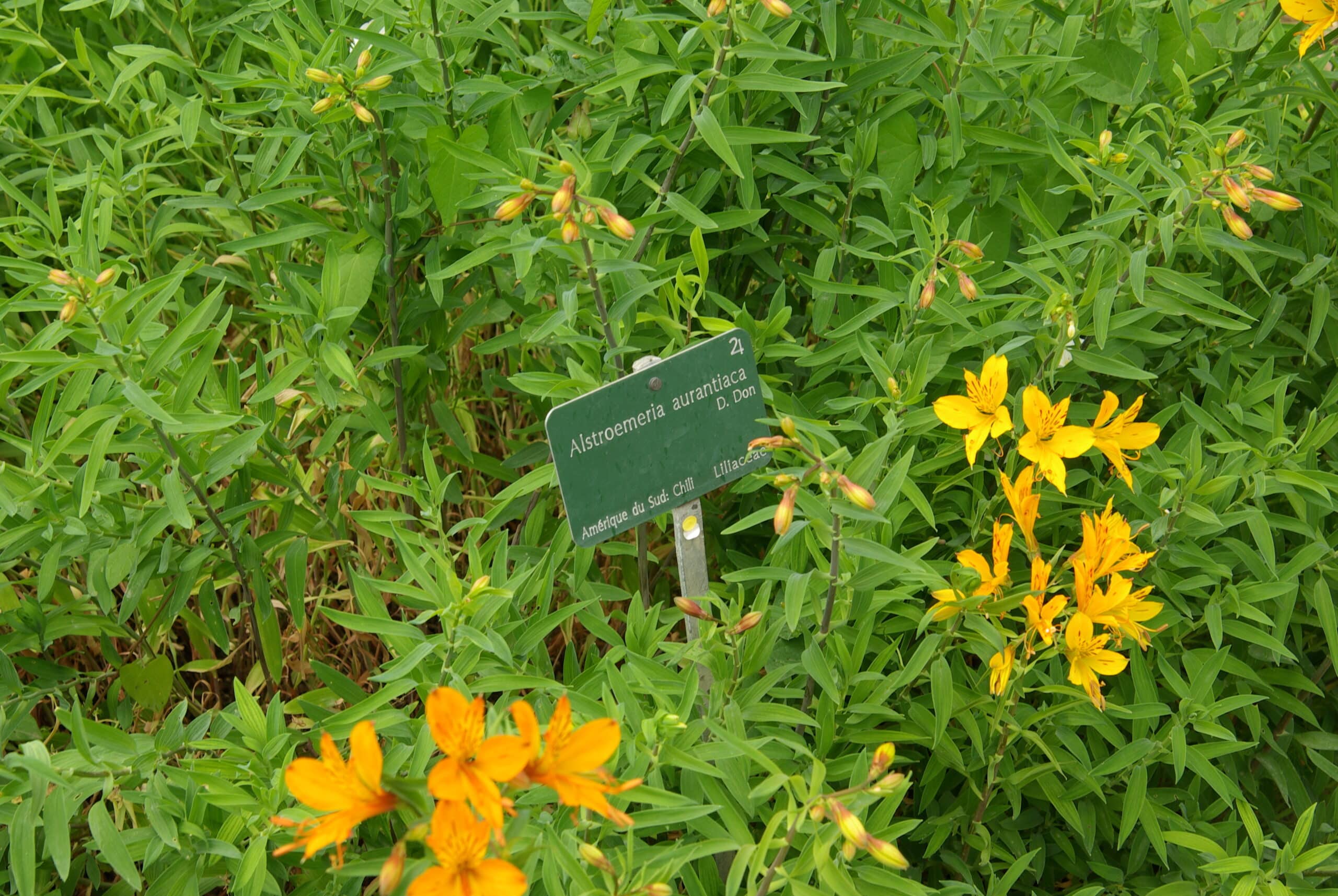
Image – Wikimedia/10mpx cg
It will mostly depend on you and where you want to plant your Peruvian lily of the valley. I will only tell you that since the rhizome resists frost, it will not be necessary to have it in a pot if you do not want it. Also, if he’s in the ground, he’ll have a better chance of getting bigger and better.
Now well, If you want to plant it in a pot, it is very important that it has drainage holes at its base. otherwise the roots could drown because of this water which remains inside the container.
What soil or substrate do you need?
Whether you are going to plant it in your garden or in a pot, the soil or substrate must be light and fertile, like that. As for its pH, you should not worry too much about it: it tolerates both clay and acid soils (yes, its pH must be equal to or greater than 5).
For example, if you or your area have azaleas, Japanese maples, camellias, gardenias, or other acid plants growing in the ground, it might be a good idea to plant some. Alstroemeria auriantiaca in areas where there is no shade.
When is it watered?
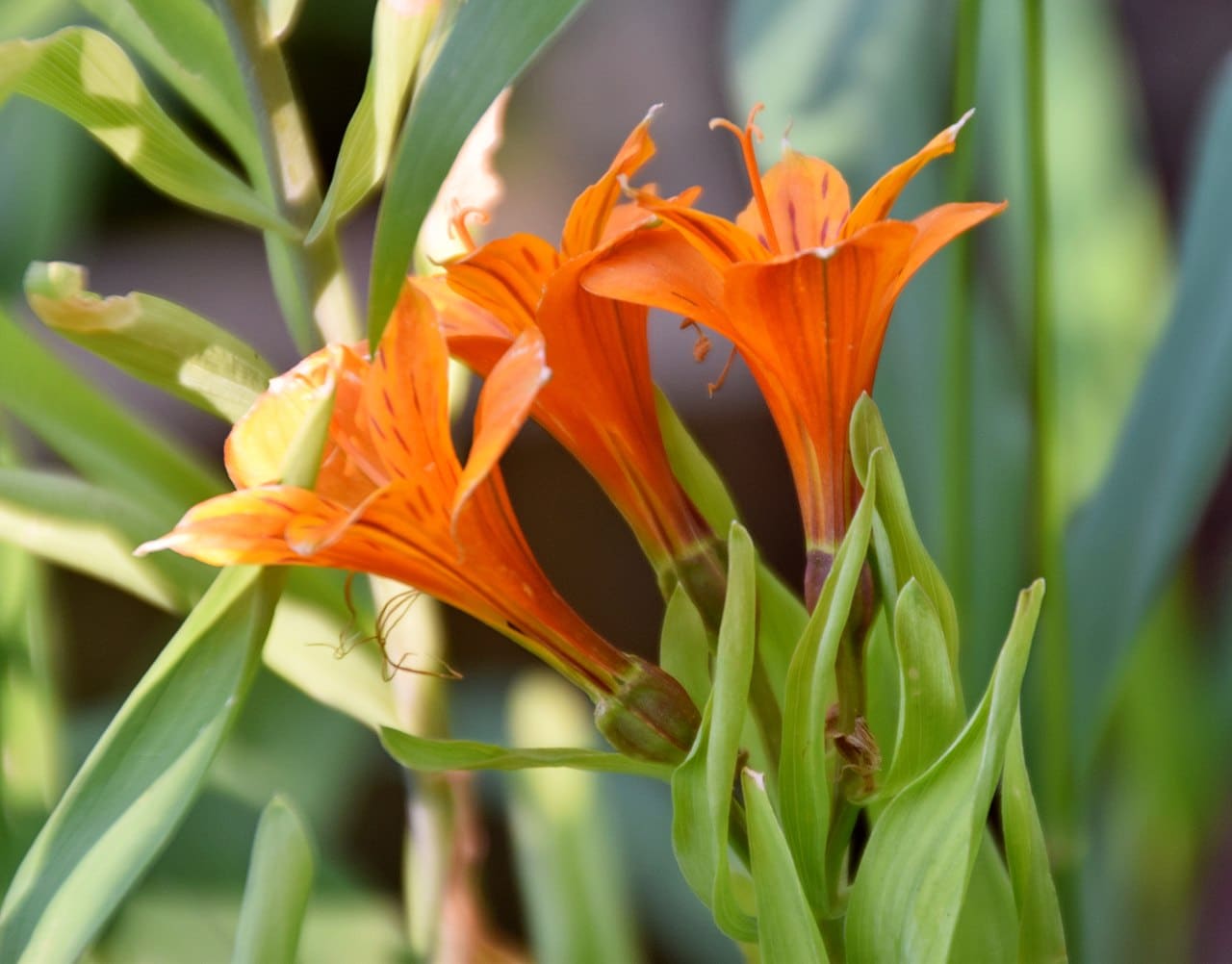
Image – Wikimedia/Krzysztof Golik
Alstroemeria watering should be moderate. If there is anything it does not tolerate is excess water in its roots, so it is important that it is watered from time to time. Generally, It will be done when the soil, or if the substrate is in a pot, is almost completely dry.. But of course, how can you know that? Checking the humidity, of course.
And for that nothing like a wooden or plastic stick. It should be, as I said, thin, but also long, about 35-40 centimeters long. Because? Because the deeper layers of the earth take longer to dry out, and these are the ones that should matter to us to know when to water and when notbecause that’s where the roots are.
Therefore, if after inserting the stick, we carefully remove it and find that it is wet, we will not have to water. But if, on the contrary, it is dry, then yes.
Another important thing to know about irrigation is that it must be irrigated with rainwater, or at least with water suitable for human consumption.
When is it paid?
It is a plant that remains active from spring to after flowering in autumn. For this reason, it is very interesting to fertilize it during all these months with a fertilizer for flowering plants like this one. But remember to follow directions, as overdosing could burn your roots.
What are the pests and diseases of Alstroemeria aurantiaca?
Although it is generally quite durable, it can have a few issues. About pestsif the environment is very hot and dry, it is common for spider mites, thrips and aphids to appear, which treat well with diatomaceous earth (available here). It is a natural product that is not at all toxic to humans and leaves no residue. Here is a video in which I talk about him:
As for diseases, with excessive watering or when the soil remains wet for a long time, fungi such as Rhizoctonia or the oomycetes Phytophthora and Pythium may appear. These infect the roots and can lead to the death of the plant. For this reason, it is important to avoid planting it in heavy soils and watering it too often. If you suspect you’ve overwatered, it’s best to apply an antifungal product like Aliette (available here) or another systemic fungicide like this.
Can you have other problems?
Yes. In very alkaline soils, with a pH of 7 or more, it is common for its leaves to show iron chlorosis. for lack of iron. If your altroemeria suffers from this, you will see that the leaves turn yellow, leaving the veins green. To solve it, you will have to fertilize it with a fertilizer for green plants like this or with one for acid plants like this.
How does it multiply?
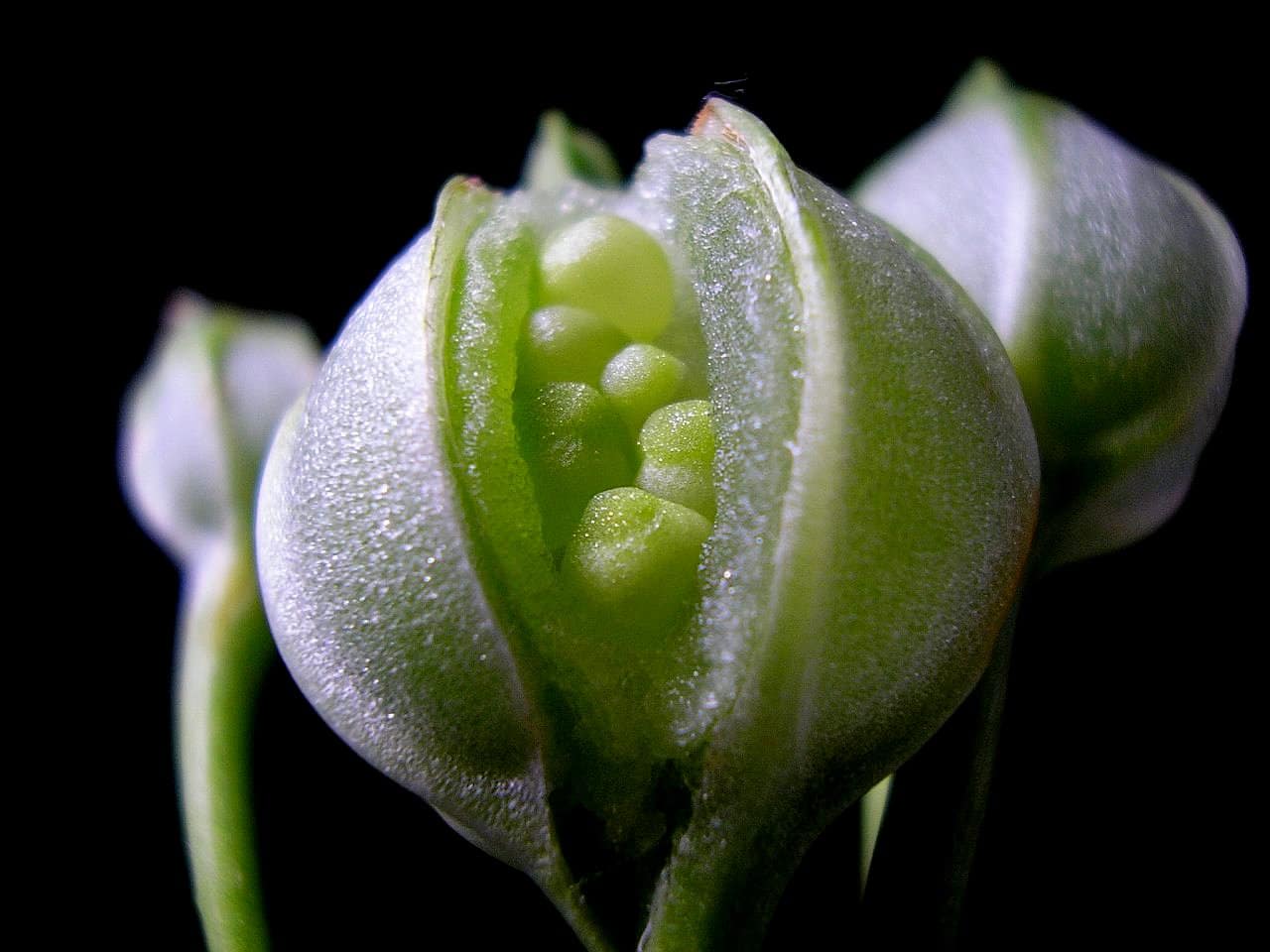
Image – Wikimedia/Flickr.com user “tanakawho”
The Alstroemeria aurantiaca propagates by seeds, but also by rhizomes. The first are sown in the spring, while the rhizomes are obtained in the fall, when the mother plant has stopped flowering and has already come to rest. In both cases it must be grown in a pot, with nursery substrate like this or with coconut fiber (on sale here).
What is your resistance to cold?
The rhizome withstands frosts up to -12ºC. But the plant grows best if the temperatures are kept a little high, above 10°C.
Why do we use it?
The alstromelia plant is mainly used as cut flower. The flowers last for several days, as long as they are placed in vases with clean water and aspirin. Now it’s as splendid as ornamental plantcan have it in a pot or in the garden.
Where to buy astromelia bulbs?
These plants are beginning to be marketed in spring in garden centers and in nurseries. It is also possible to find some in some supermarkets, such as Aldi or Lidl. Now, if you want, you can buy seeds from here.