

If you like cacti, it is possible that at some point you have met the Polaskia chickipe. It is a highly branched cactus that can attract a lot of attention. Wait, you don’t know him?
So this file that we have prepared for you can help you to know the characteristics of the chichie Polaskia cactus as well as the care it will need to keep it always healthy. Shall we start?
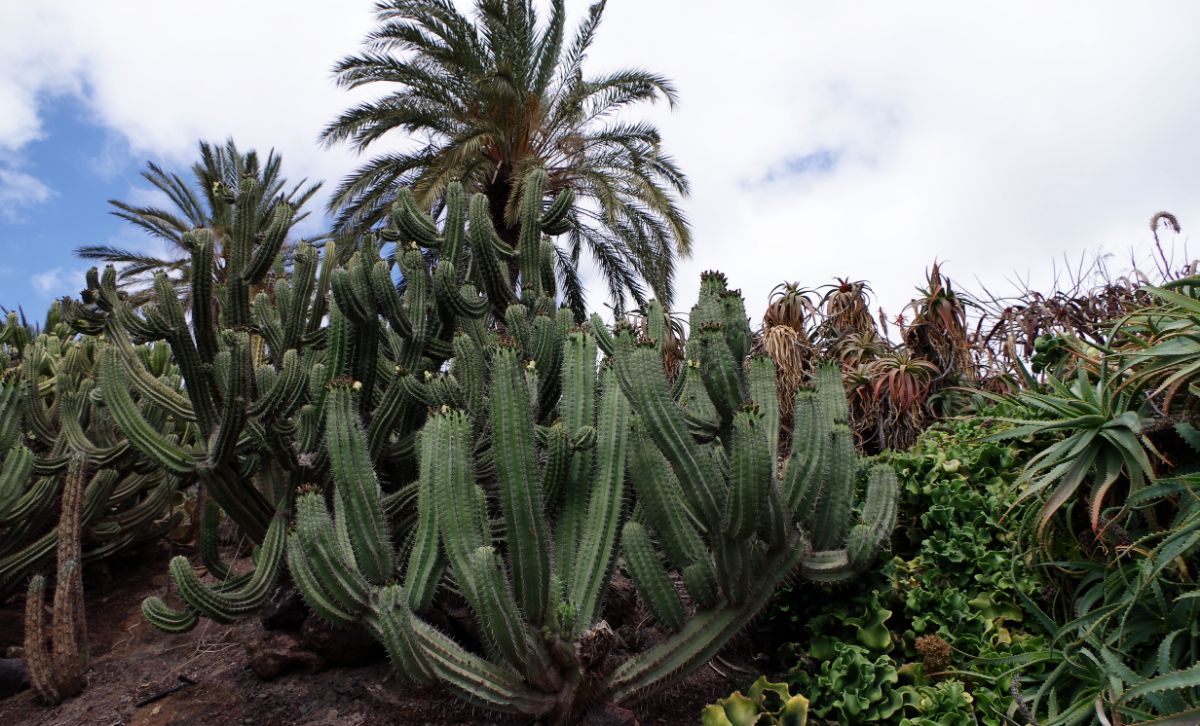
How is the Polaskia chicipe cactus

The Polaskia chicipe is also known by other names, such as Cereus chicipe, Cereus mixtecencis, Myrtillocactus chicipe or Lemaireocereus chicipe. Although as a common name it is usually referred to as chichituna, chichitún, chichibe or chicipe.
It is native to Mexico, particularly in the region of Puebla and Oaxaca, and normally its natural habitat is at an altitude of 2,000 m.
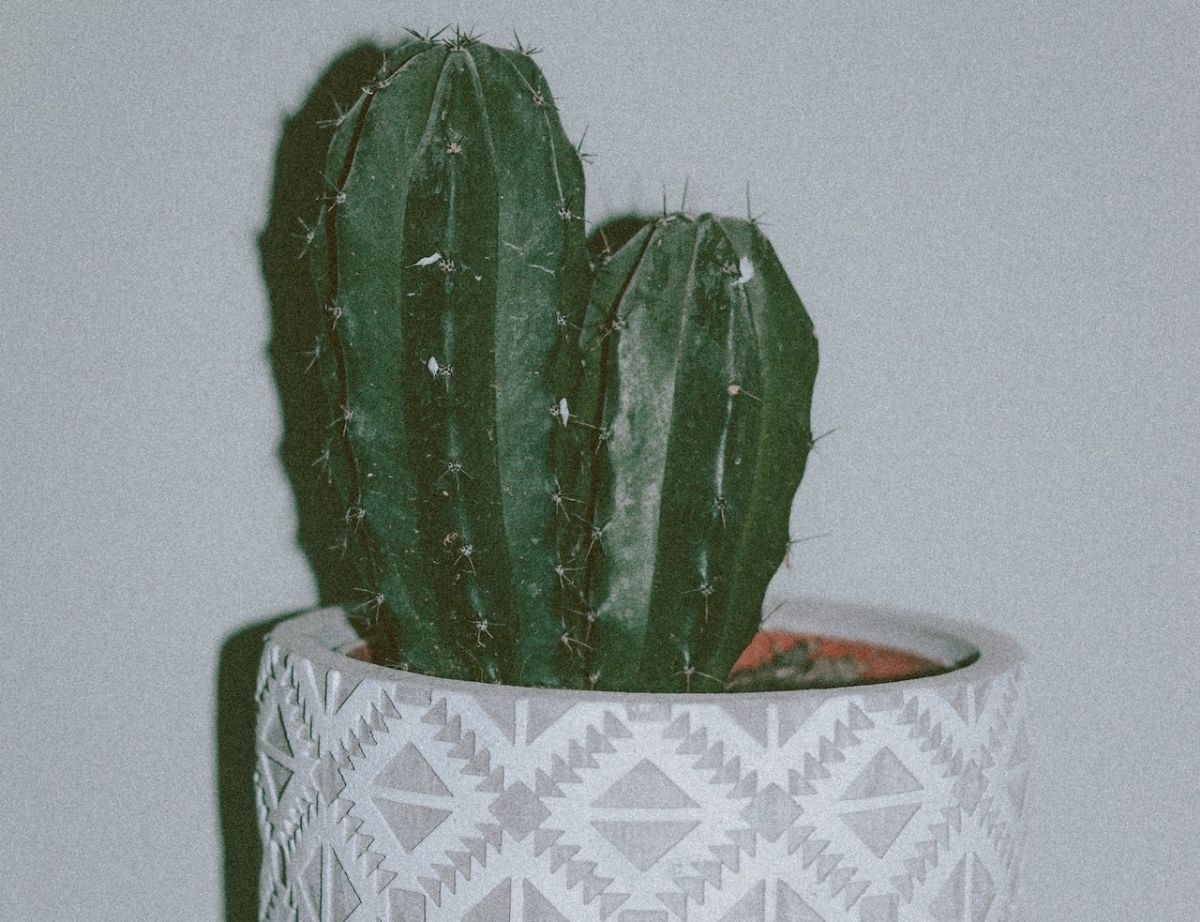
Physically we are talking about a columnar cactus that branches out into different branches as it grows, always at the top. It can easily reach five meters in height and has between 9 and 12 ribs from which emerge gray areoles and radial spines. but the tip of these is generally black.
In due time, that is, when the cactus is already an adult, it will blossom. This will be done from mid-spring until summer arrives. The flowers are white although sometimes they can be cream or even yellow. But perhaps the most beautiful of these flowers is not so much this color but the red stripe that stands outwhich makes them stand out even more.
After flowering, and only if the cactus is ready and has been pollinated, it will bear fruit. They have a globular shape and will measure little, about 2-3 centimeters.
Polaskia chichie cactus care
You now know a little more about the chichie Polaskia cactus. AND finding it in garden centers is not difficult. Indeed, it is easily found on the Internet and is not too expensive. So if you like this type of plants, you might just buy one for your collection.
But what care do you need? We want to tell you about it next so you don’t have any problems.
location and temperature
A cactus needs sun. A lot of sun. This implies that the best location to have it will be outdoors. It can be planted in the garden or in a pot. But what it will need is to have at least 6 hours of direct sunlight for it to be fed. Now, when bought from the store, they don’t put them in direct sunlight (unless they are large nurseries and they are outdoors) but rather they keep them in full sun. For this reason, when you bring it home, you must adapt it to the sun, putting it in the shade, then in partial shade and finally in full sun. You shouldn’t take too long to do this, but don’t go too fast either.
As for temperature, cacti need a warm temperature to survive. For that They are ideal in southern Spain or places with mild winters and hot summers. As for the cold, they can tolerate it, even if the frosts are continuous, we advise you to watch the plant and even protect it (either by putting it in a greenhouse (be careful with the humidity) or by protecting it with wire netting). .
Substrate
The ideal substrate for the Polaskia chickipe is a soil combination. It is true that you could simply use cactus soil, but if instead you make a mixture with normal soil and sand (all at 50%) much better.
Now, if you can’t do that, we can offer the cactus soil but mixed with another drainage so the soil doesn’t clump too much.
Irrigation
Regarding irrigation, the truth is that there are many publications that recommend watering it once a week, once a month… It will really depend on the weather, where you water it. placed and needs of the plant. Our recommendation is that it is better to miss it than to pass with it, because if you water it too much at the end the roots will rot and you will lose it.
For that, Check the soil daily and water when you see it dry for at least the first two inches. Of course, don’t pour the water next to the base of the cactus. It is better to throw it away and not touch the cactus to avoid the appearance of fungus or dampness.
This way you will see how often he needs irrigation. But in a cactus we do not recommend watering daily, at most every 10 days.
Now well, do not water it in winter. With the humidity of the environment, this should be enough for it to be fed. It is better to leave it without irrigation than to do it and the soil stays wet for too long and harms its health.
Subscriber
The Polaskia chicipe cactus is not a plant that needs a subscriber. But he won’t say either. For this reason, and as a help, especially if it has already been planted in the ground for some time, is that you give it at least twice during spring and summer, a little fertilizer.
You can add it to irrigation water to give it the nutrients it needs.
Plagues and diseases
The chichie Polaskia cactus has enemies. Aphids, scale insects and molluscs are among the most common pests. The first two attack it to feed on the sap (flowers and leaves respectively), while the latter eat the whole plant.
Therefore, it is better to have certain products on hand to prevent them. The best may be potassium soap, diatomaceous earth or neem oil.
Multiplication
Eventually, Reproduction of the Polaskia chicipe cactus is usually done by grafting. However, you may also have luck with stem cuttings.
Now, to get them going, you have to be aware of them because they are a bit tricky. And, of course, always have gloves handy to handle them.
As you can see, the Polaskia chicipe cactus can be a great addition to your plant collection. Do you dare to have it?