

Plants can add life and beauty to any space, including interior patios. Apart from being a decorative element, they also have many other benefits, such as improving air quality and reducing stress. There is a wide variety of plants for an interior terrace, from palms and yuccas to ficus and bamboo.
In this article we will talk about the characteristics and care of these plants to help you choose the right ones for your space. It should be noted that plants are a long-term investment and it is important to know their needs to keep them healthy. From the right amount of light and water to frequency of fertilization and pruning, each species is unique and requires a specific approach. By taking the time to research and learn about these vegetables, we can enjoy their beauty and benefit from all the benefits they offer.
What plants to put in an indoor terrace?

Before listing some examples of indoor patio plants, we will first highlight what makes us grow these vegetables in places like this. These types of plants have in common that they tolerate lack of direct sunlight and hot, dry environments, making them suitable for growing in an indoor patio. For their development, we must provide them with the specific care required by each species.
Then we will talk about The 7 most common indoor patio plants and how to care for them. If you have a space like this, you can decorate it with them, selecting the ones you like best.
1. Palm trees (family Arecaceae)
The palms, or palm trees, they are exotic plants that add a tropical flair to any space. To take care of it in an indoor terrace, it is important to follow these tips:
- Light: They need bright indirect light, but no direct sunlight.
- Irrigation: They tolerate moderate drought between waterings. It is advisable to water them once a week in summer and every two weeks in winter.
- Temperature: They prefer warm temperatures, between 18 and 30 degrees Celsius.
- Humidity: Their preferred environments have moderate to high humidity.
- Fertilization: They can be fertilized once a month in the summer and once every two months in the winter with a liquid houseplant fertilizer.
- Cut: It is important to cut off dry or damaged leaves to maintain a healthy and attractive appearance.

Related article:
Indoor palm trees: care
By following these tips, one will be able to enjoy palm trees in an indoor patio for many years. Some of the types of vegetables belonging to this family are more common indoors. This is due to their high tolerance for lack of direct sunlight and hot, dry environments, making them suitable for growing in indoor patios. Let’s see which are the most common palms:
- indoor palm (chamaedorea)
- areca palm
- Kentia Palm (Howea forsteriana)
- Phoenix Palm (Phoenix roebelenii)
- Palm Lounge (Chamaedorea elegans)
- bamboo palm (Chamaedorea seifrizii)
- Palm tree Rabo de Gato (Chamaedorea cataractarum)
- manaca palm (Manicaria saccifera)
2. Bamboo
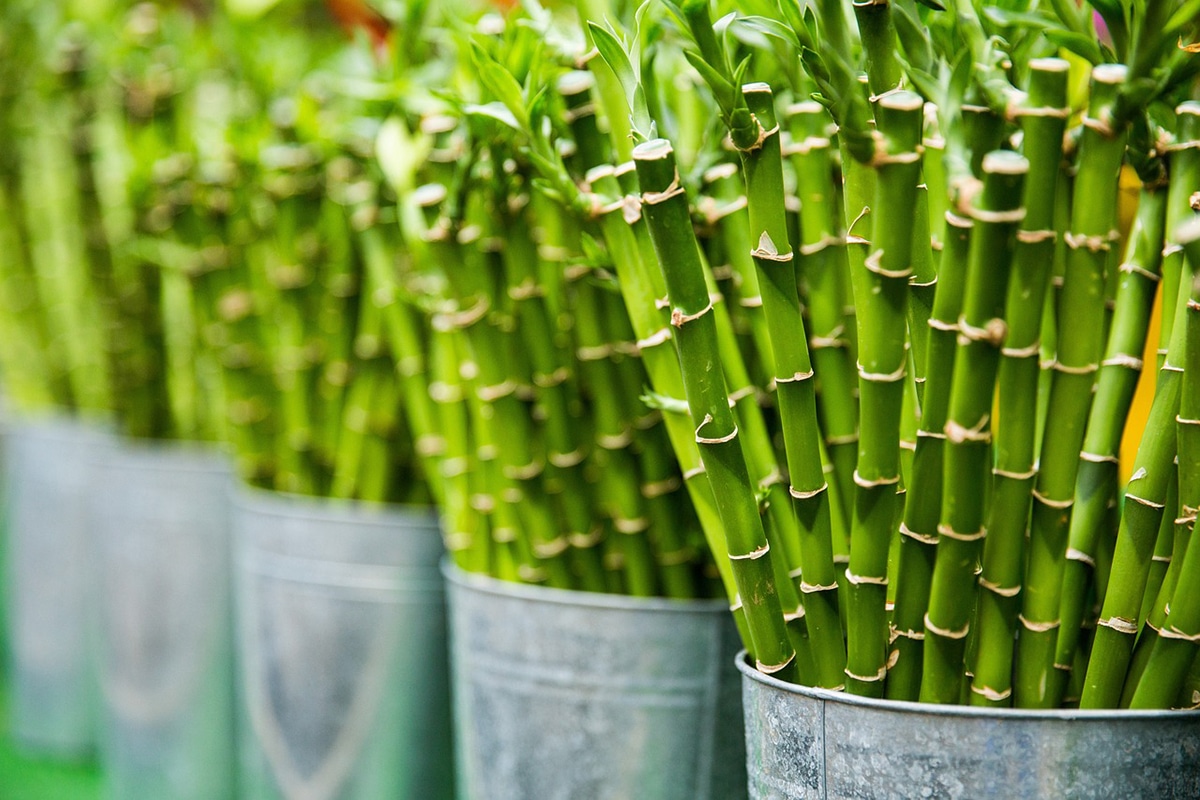
Bamboo is a vibrant and versatile green plant that can be grown both indoors and outdoors. There are more than a thousand species belonging to this plant, each with different characteristics in terms of size, shape and growth. It must be said that it is a resistant plant that tolerates the lack of light and a dry environment, which makes it a good option for interior patios. In some cultures, bamboo is considered a symbol of luck, strength and perseverance.
In case we choose to grow this plant in our indoor patio, We must provide the following care:
- Light: Requires indirect sunlight.
- Irrigation: It is best to water it regularly to keep the soil moist, but not waterlogged.
- Temperature: The ideal temperature for bamboo is between 15 and 25 degrees Celsius.
- Humidity: It prefers environments with moderate humidity.
- Fertilization: Regarding fertilization, this task can be carried out with a liquid fertilizer for indoor plants every two months in summer and once a month in winter.
- Cut: To maintain a healthy appearance, it is important to prune dry or damaged leaves.
3. Yucca
Another of the most popular indoor patio plants is the yucca. It is an indoor vegetable that can reach a height and width of up to two meters. During flowering, this plant can produce large, attractive flowers at the tops of the stems. Without a doubt, The yucca is an excellent option to decorate our interior patio. Let’s see what care it requires:
- Light: It needs strong indirect light or direct sun, but always protected from the strongest hours of sunshine.
- Irrigation: Yucca should be watered sparingly, allowing the soil to dry out between waterings.
- Temperature: It prefers temperatures between 15 and 25 degrees Celsius.
- Fertilization: It can be fertilized with a liquid fertilizer for indoor plants every two months in summer and once a month in winter.
- Cut: As in the previous cases, it is better to remove dry or damaged leaves.
4. Jade
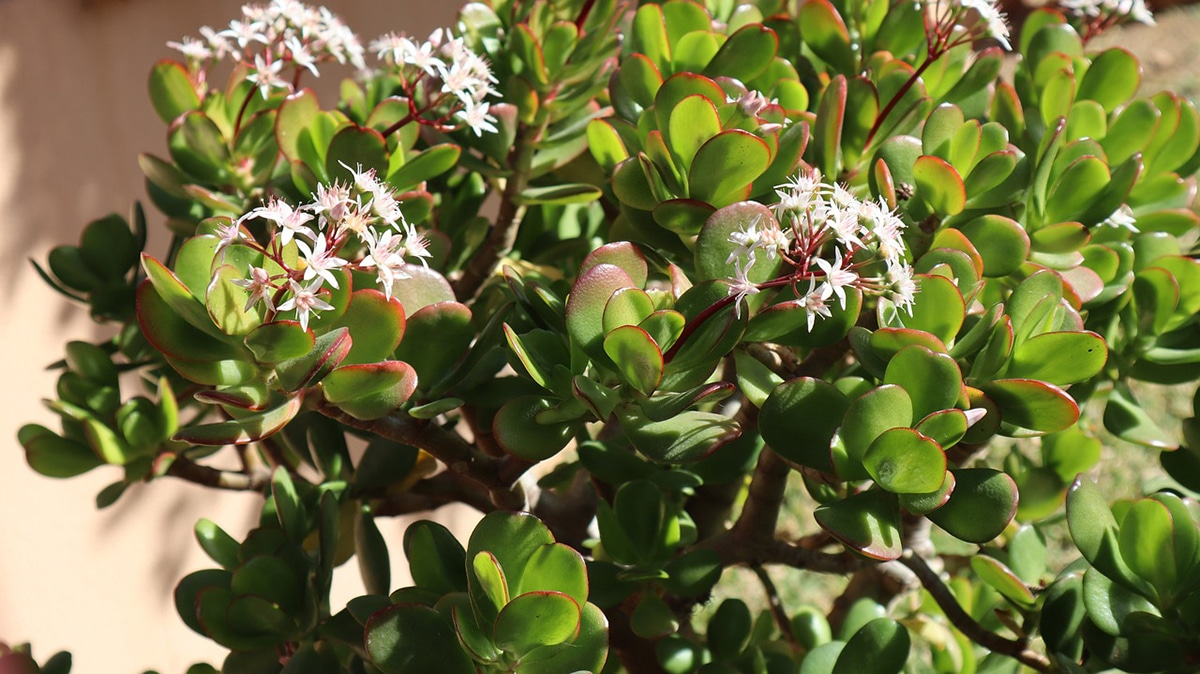
Jade is a popular indoor patio plant that can grow up to 2 feet tall. Its leaves are characterized by being soft, arched and heart-shaped Some varieties of jade can produce small white or pink flowers. If we choose to grow this plant in our interior patio, we must follow the following tips for it to grow properly:
- Light: Ideally, it should receive strong indirect light, but never direct sunlight.
- Irrigation: Jade should be watered sparingly, allowing the soil to dry out a bit before watering again.
- Temperature: It prefers temperatures between 18 and 25 degrees Celsius.
- Humidity: Generally, this plant needs a humid environment, so it is important to maintain an adequate level of humidity in the air.
- Fertilization: It can be fertilized with a liquid houseplant fertilizer once a month in the summer and once every two months in the winter.
- Cut: As always, it is best to remove damaged or dried leaves regularly.
5. Ficus
We continue with other favourites: The ficus. It is a popular plant for interior patios due to its attractive appearance. This vegetable can reach up to three meters in height and has large, shiny green leaves. When caring for a ficus, It is important to keep in mind that he does not like sudden changes at all, be it temperature, light or humidity. This can cause you a lot of stress, which will visibly affect your health. As for the care you need, they are as follows:

Related article:
Indoor ficus care
- Light: It should be located out of direct sunlight, but in a place where it receives light indirectly.
- Irrigation: It is important to water this plant sparingly, allowing the soil to dry out a little between waterings.
- Temperature: The ideal temperature for the ficus is between 18 and 25 degrees Celsius.
- Fertilization: A liquid houseplant fertilizer can be used every two months in the summer and once a month in the winter.
- Cut: In order to maintain a healthy appearance of the ficus, damaged and dry leaves should be pruned.
6. Lavender
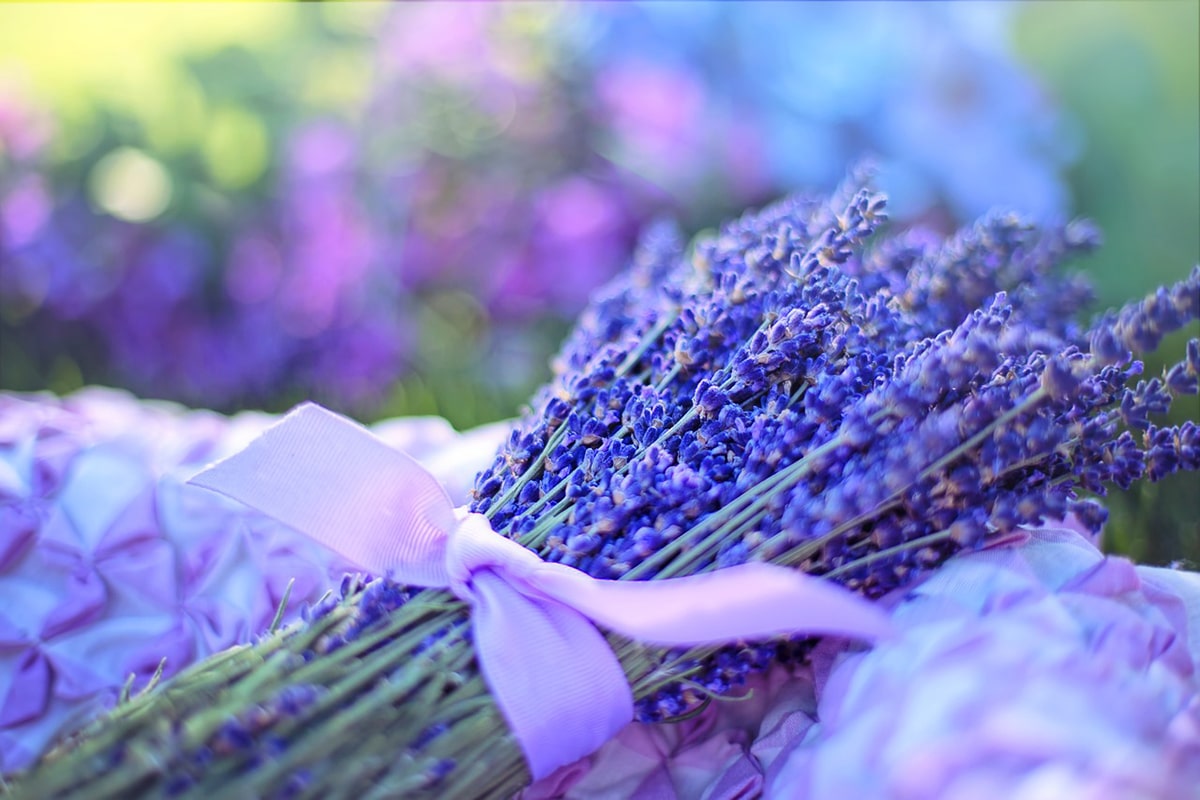
Lavender is also a fantastic option for interior patios. this beautiful flower It will delight us not only with its beautiful appearance, but also with the incredible fragrance it gives off. Moreover, we can use this vegetable to make essential oils, personal care products, natural insect repellent and home remedies. Its aroma is extremely relaxing and helps relieve stress, so it is perfect if we want to rest and relax a little in our interior patio. Let’s see what care it requires:
- Light: It requires plenty of light, but no direct sunlight.
- Irrigation: It is essential to water lavender regularly, allowing the soil to dry out between waterings.
- Temperature: It prefers cool, dry temperatures, between 10 and 25 degrees Celsius.
- Humidity: Lavender’s preferred environment is dry, so it’s important not to overwater it. It must be said that this plant is very susceptible to fungal diseases if it is kept too humid.
- Fertilization: It can be fertilized with liquid houseplant fertilizer once a month.
- Cut: To maintain a healthy appearance of the vegetable, it is important to regularly remove dry or damaged leaves.
7. Eucalyptus
Finally, we must highlight the eucalyptus. It is a tree native to Australia with aromatic leaves and trumpet-shaped flowers. It grows rapidly and vigorously and its flower clusters are usually white or cream in color. It is important to pay attention to eucalyptus can be toxic to some pets, it is therefore important to be careful if we have pets at home. Regarding the care he needs, they are as follows:
- Light: It needs direct sunlight for at least 4 hours a day.
- Irrigation: Keep the soil moist, but not waterlogged.
- Temperature: It prefers warm temperatures, but can tolerate moderate temperatures.
- Cut: It can be pruned to control its size and shape.
- Fertilizer: We can use a balanced fertilizer in spring and summer.
I hope this article has been useful for you to decorate your interior terrace with plants and thus beautify your environment!