
Did you know that in the plant kingdom we have a whole natural pharmacy to cure many diseases and health problems that we have? Well yes, the problem is to know which plants are anti-inflammatory, which serve to lower blood pressure, or which ones cleanse the body and allow us to have better health.
In this case, we want to focus on anti-inflammatory herbs. Could you tell us? If not, don’t worry because we leave you a list of them so you can find more information and even try them.
Turmeric
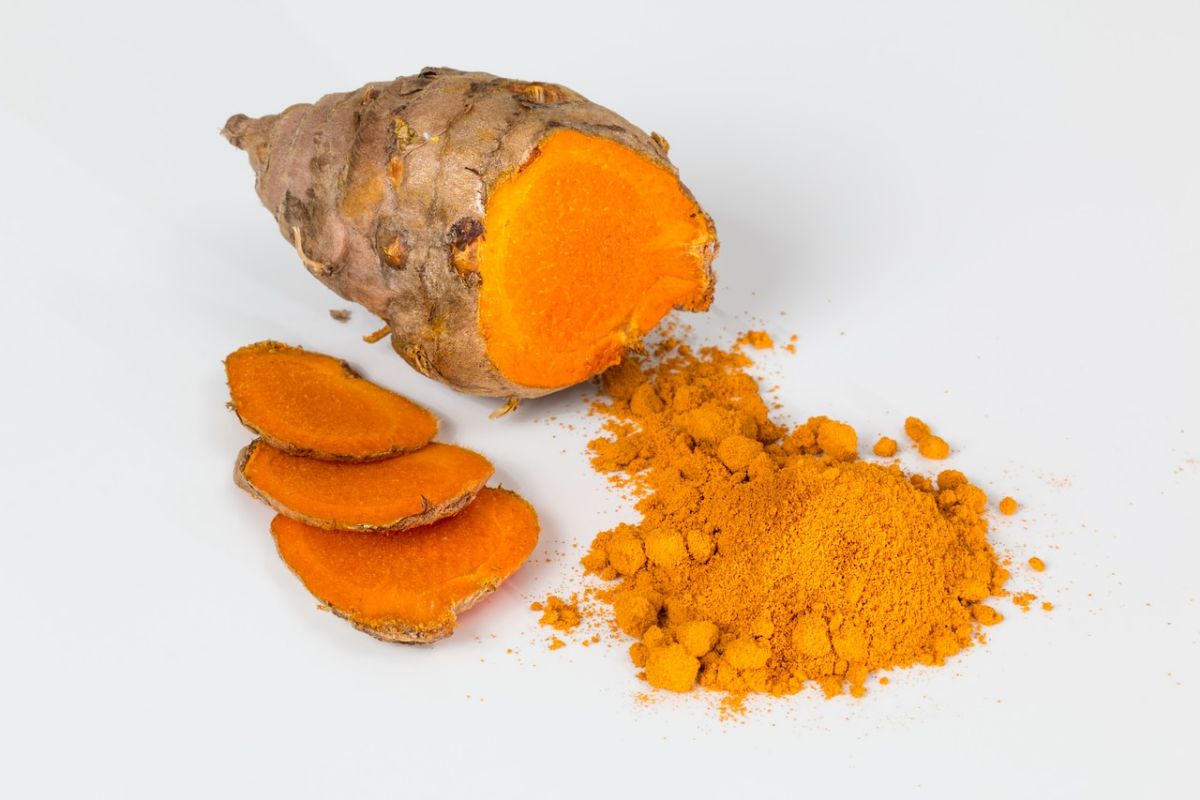
Turmeric is a spice widely used in cooking. But what you might not know is that it can relieve pain caused by osteoarthritis, knee pain, or inflammatory problems in the digestive system.
Native to Asia, It has been used for over 4,000 years, not only for its anti-inflammatory properties, but also because it is antioxidant and antibacterial.
When consuming it, we advise you to accompany it with an infusion, and if possible, to mix it with other plants that have the same effect to soften the flavor (it is quite strong) and at the same time enhance the effects.
willow
Another of the anti-inflammatory plants is this one. Actually, It is ideal for rheumatic diseases such as osteoarthritis or rheumatoid arthritis. These are the most common and also the ones that affect people the most.
Of the willow, what is most used to alleviate these problems is the bark. In fact, it not only serves as an antirheumatic, but you can also use it for colds and flu or headaches.
aloe vera
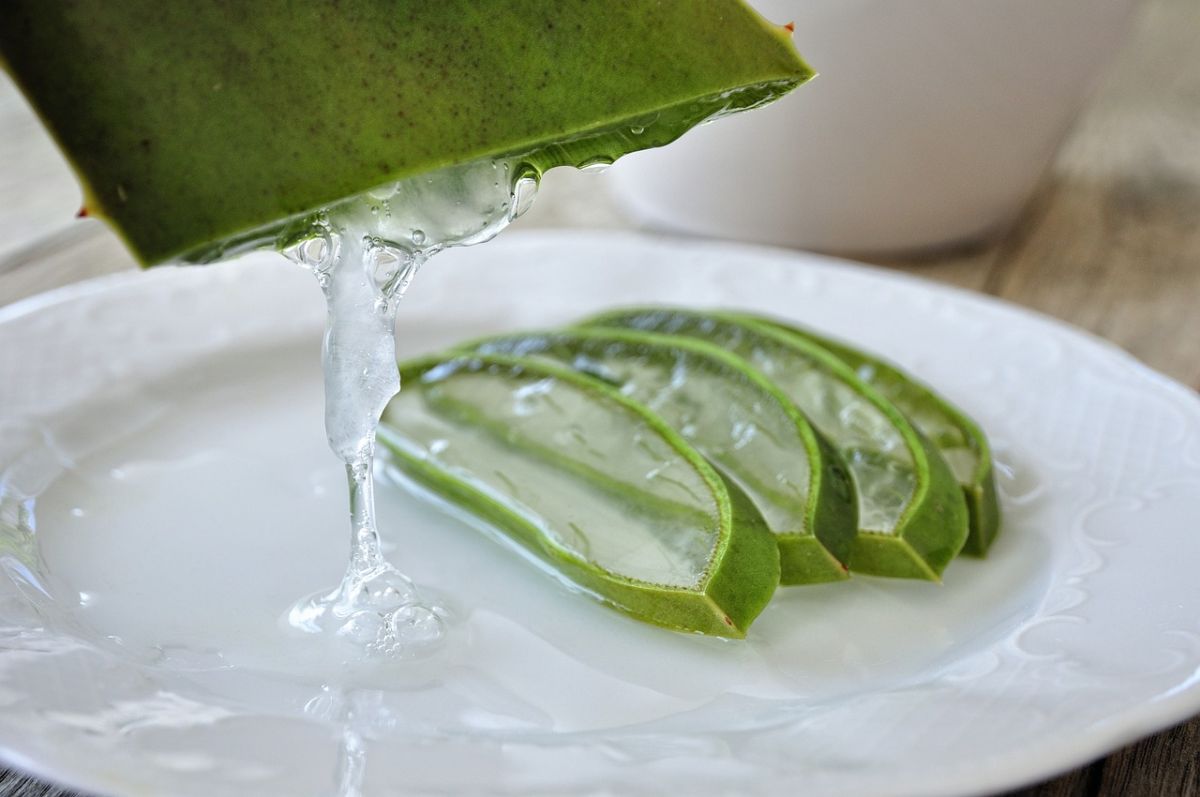
Aloe vera is one of the plants present in many “natural cures”. It helps you create a moisturizer, for burns, for scars… And yes, it also has anti-inflammatory effects. Specifically, it is able to relieve joint and muscle pain that you have in the body, calm the situation and improve the condition of the person.
Aloe vera can be consumed in many ways, including as a drink.
Arnica
Another anti-inflammatory herb is Arnica. It is a plant capable of relieving discomfort and inflammation when you take a hit, you have a sprain or a sprain, you have muscle pain, dental pain, burns, pharyngitis or even insect bites.
The best way to take it is through an infusion, but not to drink it (that too), but to soak compresses in it and apply them to the area where the inflammation is suffered.
Even in nature, many can use it in the form of plaster.
Devil’s claw
Also known as Harpagofito, it is a slightly stronger herb than the previous ones, as it takes care of moderate pain (a cut above mild). Like all others, it has anti-inflammatory properties, about the same or even stronger than non-NSAID drugs.
It can be used for inflation in general: osteoarthritis, digestive or stomach problems…
Of course you have to be careful because if you are taking other medications it can interact with them and cause problems.
Verbena
This anti-inflammatory plant is ideal for problems related to bones, or for sore throats or headaches (although the latter take longer to work).
It is also taken as an infusion with other medicinal plants.
Lavender
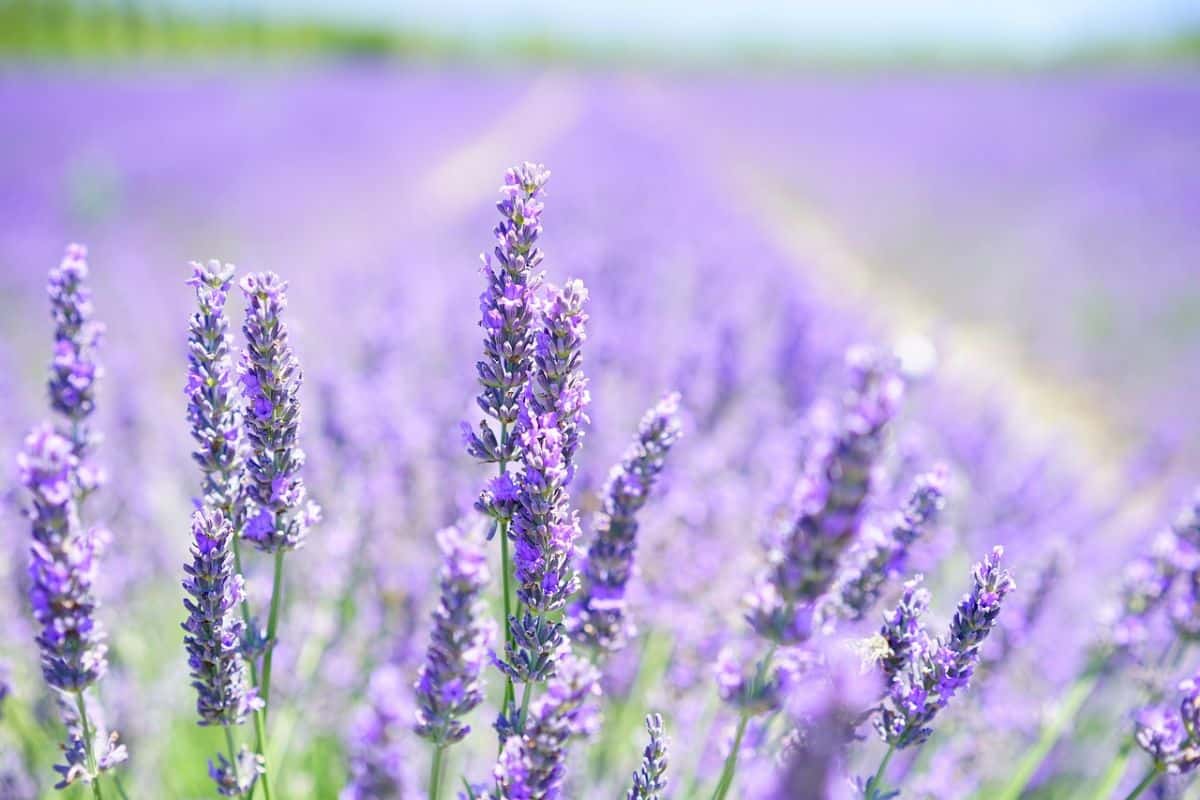
Lavender is beautiful as a plant. But what you didn’t know is that it also has anti-inflammatory and analgesic properties, to the point of being able to calm skin inflammations such as burns, redness, eczema…
This already gives you an idea that it is not really taken as an infusion, but rather to soak some compresses in it and apply them to the part of the skin that is affected to relieve the irritation and, at the same time, heal in case of injuries.
guaiac
The lifestyle we currently lead has us spending a lot of time sitting or in one position. And this has consequences: the dreaded muscle contractures.
If you suffer from it yourself, you can now go get guaiac. This tree, of which we use the sapwood of the trunk and the resin, is native to South America and the West Indies. And it’s great for relieving muscle pain and inflammation.
It is used in infusion (taking three cups a day) as well as by applying wet compresses in this infusion.
San Juan grass
Another of the names by which you can find it is Hypericum. And not only does it have anti-inflammatory properties, but it’s also a pretty effective antidepressant.
You can find this herb in creams. But the best is to apply it in the form of oil to the places where you feel the inflation or which hurt you like the ankles, the back, the shoulders…
Herbalists usually have it, but you can also look online to see if there are other options or if they are cheaper.
Ginger
Ginger is almost an all-purpose herb. But, focusing on the anti-inflammatory properties it has, it is quite effective. Actually, It is recommended to take 10 grams of ginger per day, especially if you have muscle problems very often.
It can be taken as an infusion, but be careful, because it is quite strong and stings the throat, so mix it with a little honey or other medicinal plants to soften the flavor.
Ponytail
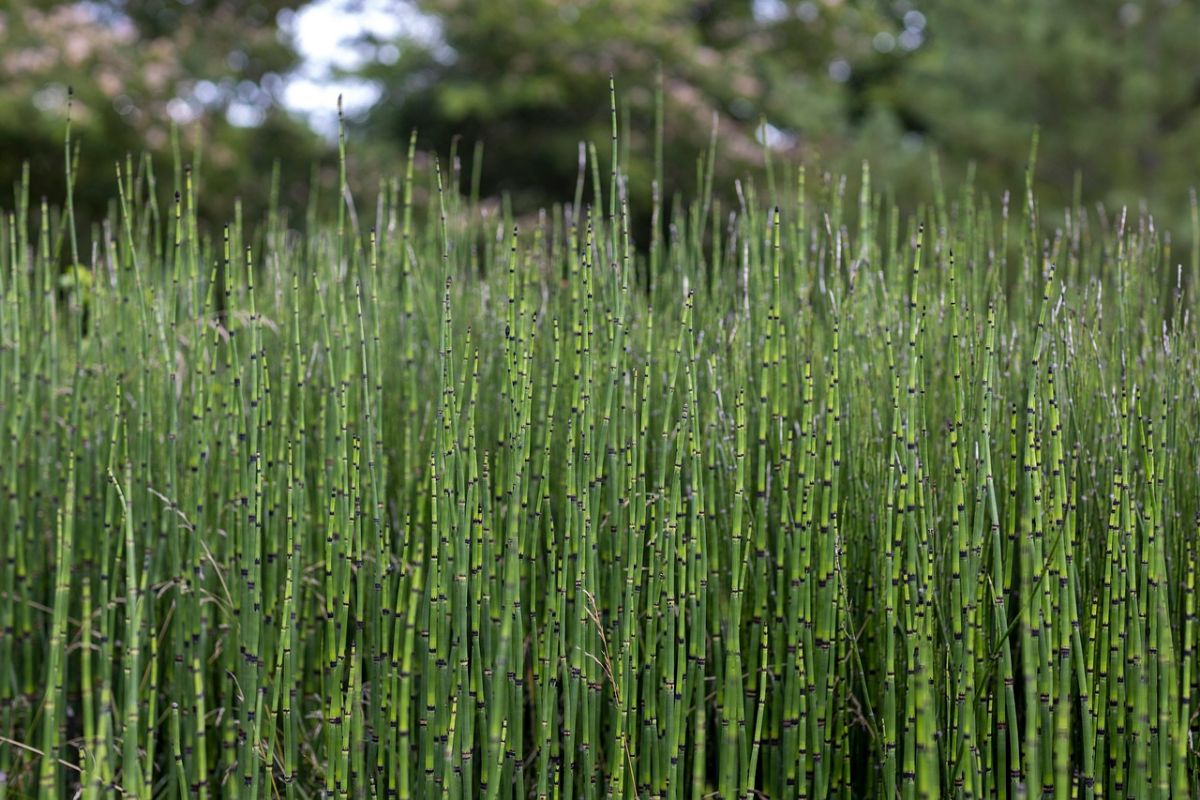
Have you ever thought about horsetail beyond fat burning? Well yes actually in ancient Greece they used this plant not as a fat burner, but to ease the pain of broken bones, for arthritis, rheumatism or urinary tract infections. So it wouldn’t hurt to try.
In this case, it is taken in the form of an infusion, although it must be mixed with other herbs because its flavor (the original) is particularly strong.
cat claw
Let’s move on to another option in terms of anti-inflammatory herbs. Cat’s Claw is one of the herbs you can use to treat osteoarthritis, the general chronic pain that causes inflammation; infections, flus and colds.
As you can see, there are many anti-inflammatory herbs in the plant kingdom that sometimes can achieve a stronger effect than drugs without causing more harm to the body. Have you ever tried eating them?