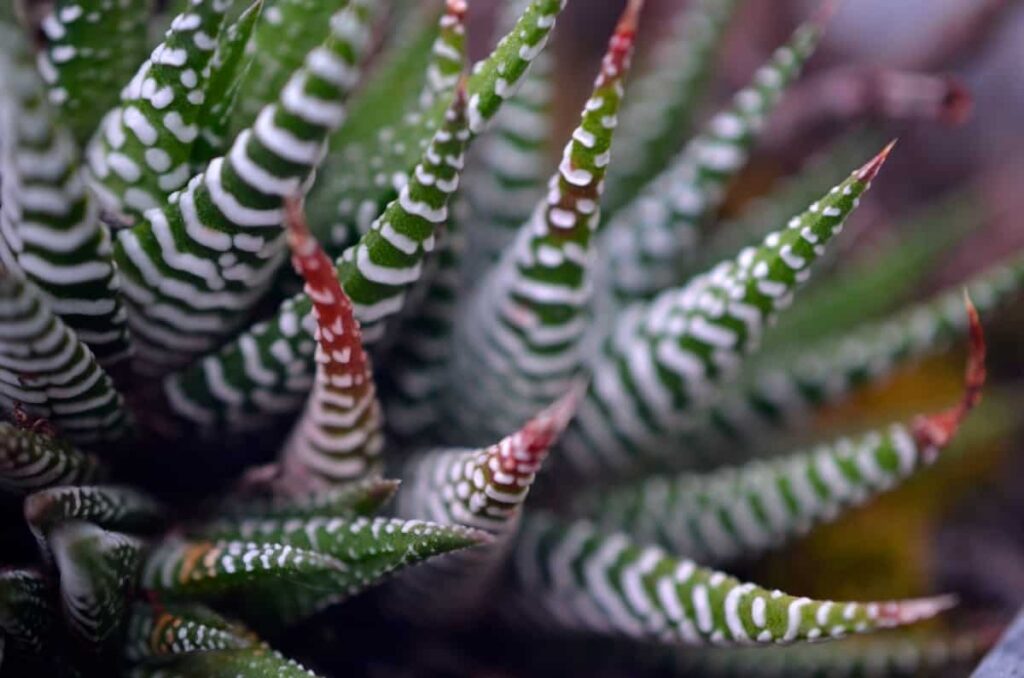
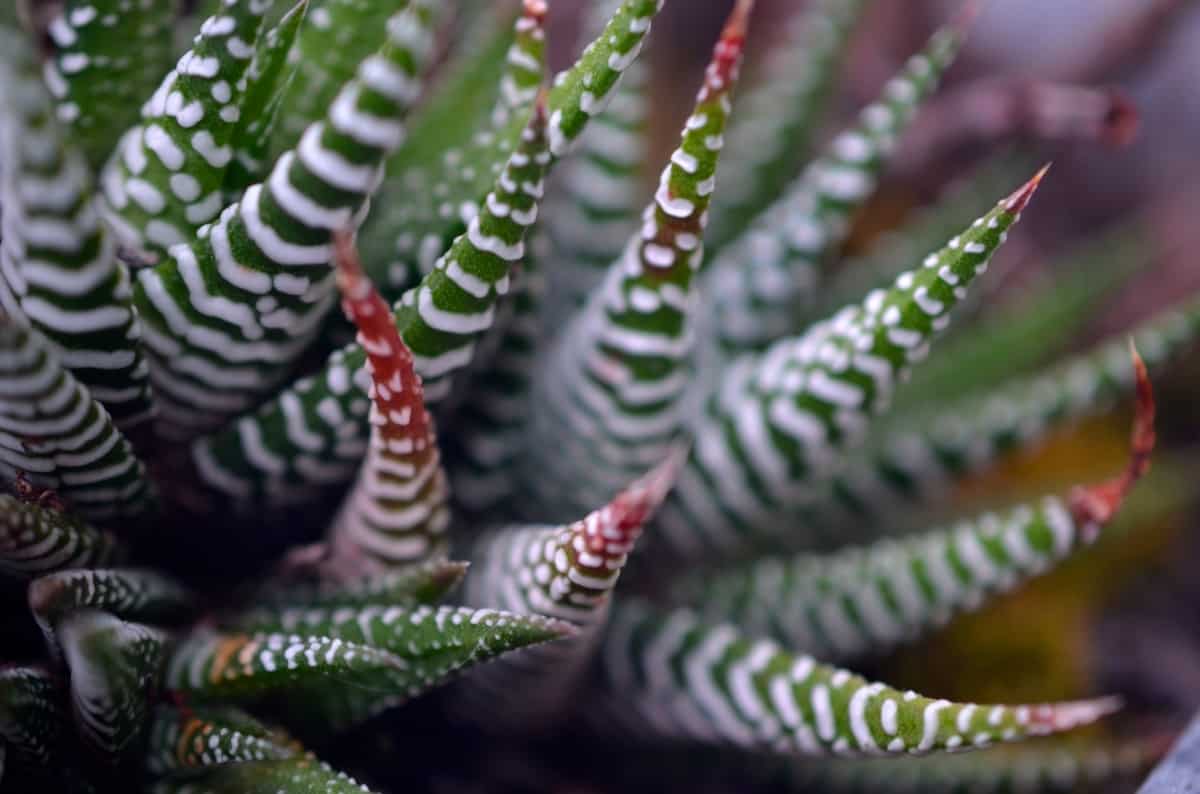
Image – Flickr/Ernest McGray, Jr.
The Haworthia attenuata It is a small plant, which can be grown in wide and low pots. Produced many offspring from an early age, genetically identical to her, and that they can also be separated and planted in other places. In fact, it is one of the easiest species to breed, provided you do it at the right time of course. But it is also one of those that require the least care.
But it is important to keep in mind that it is a succulent plant, that is, a plant that stores water in its body -in the leaves, to be more exact- , and that if overwatered, it will rot. For him, We want to explain the care of the Haworthia attenuata.
Related article:
haworthia
How to take care of the zebra succulent? It is a plant that, since it can be found in any nursery or plant store, and is also very beautiful, you have surely encouraged yourself to acquire it at some point. You may even have it now, but don’t know where to put it or how often to water it. Alright, so we’re going to talk about all that and more to keep your grime looking good:
When to water Haworthia attenuata?
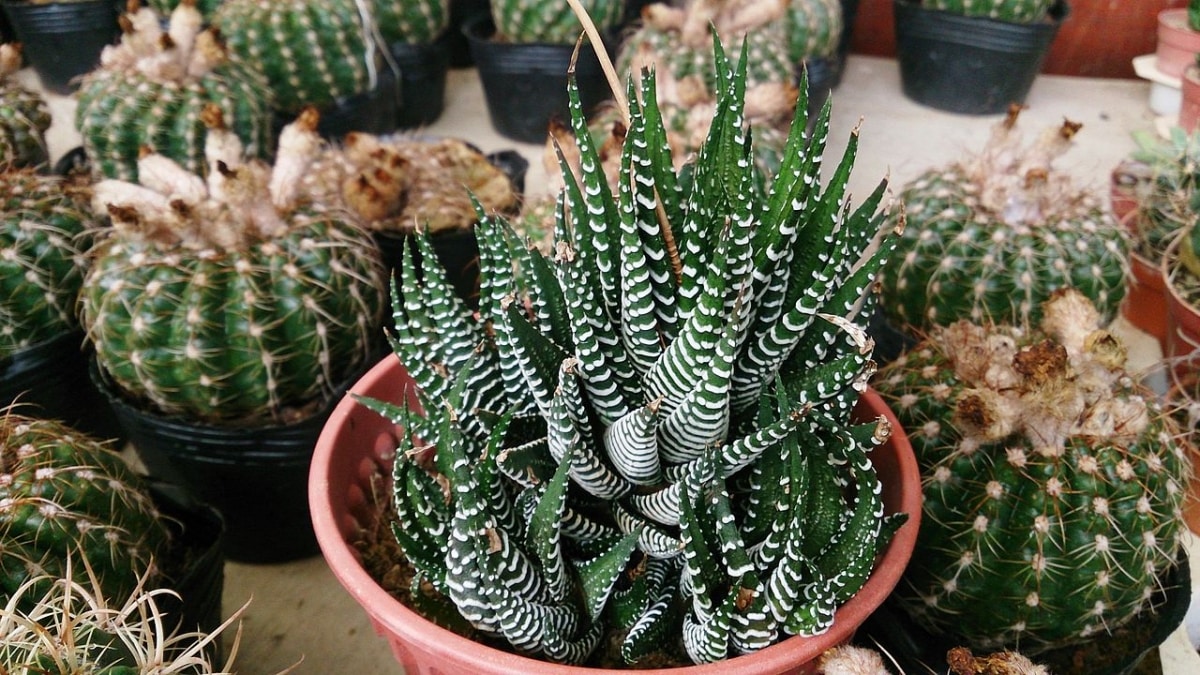
image – Wikimedia/Mokkie
It is often said that cacti and succulents are drought tolerant plants, so they don’t need frequent watering, but is that true? I met a biologist who has devoted a large part of his life to the production of this type of plants, who once told me that they need almost as much water as any other ornamental plant , like geraniums, for example.
This has its explanation: for a plant to withstand short periods of drought, it must have water reserves inside. And of course, for that, either it has to rain from time to time, or it has to be watered. But you have to be careful with this and not think that you have to pour water on them daily, because if we do, we will kill the Haworthia attenuata and any other succulent we have.
Based on this, how often should you water? If the weather is hot and/or dry, the soil will not stay wet for very long; On the other hand, if it is cold and/or humid, the soil or substrate in which it grows will quickly lose its humidity. For this reason, You need to water more in summer than in winter.. How many times per week? Much will depend on the weather in the area and how quickly the land dries out. For the avoidance of doubt, it is best to do this when the soil is completely dry.
When can it be transplanted?
As it is a species of subtropical origin, It is important that the changes of pots and planting in the garden are carried out as soon as the temperatures remain above 15ºC. If, for example, you know from other years that there are usually frosts in March, then it is best not to handle your plant until April when temperatures have returned.
How should it be done? Very simple: the first thing is to wait for it to root properly, that is, until the roots come out of the holes in the pot. Later, if you want to have it in the garden, you just have to dig a hole of about 30 x 30 centimeters, and fill it with soil for succulents like this; Yes if what interests you most is to have it in a larger pot, choose one about 5 centimeters in diameter larger and higher than the current oneand also plant a specific substrate for these plants.
In any case, it is important that it remains centered, and at a suitable height (neither too high nor too low).
When do you have to pay?
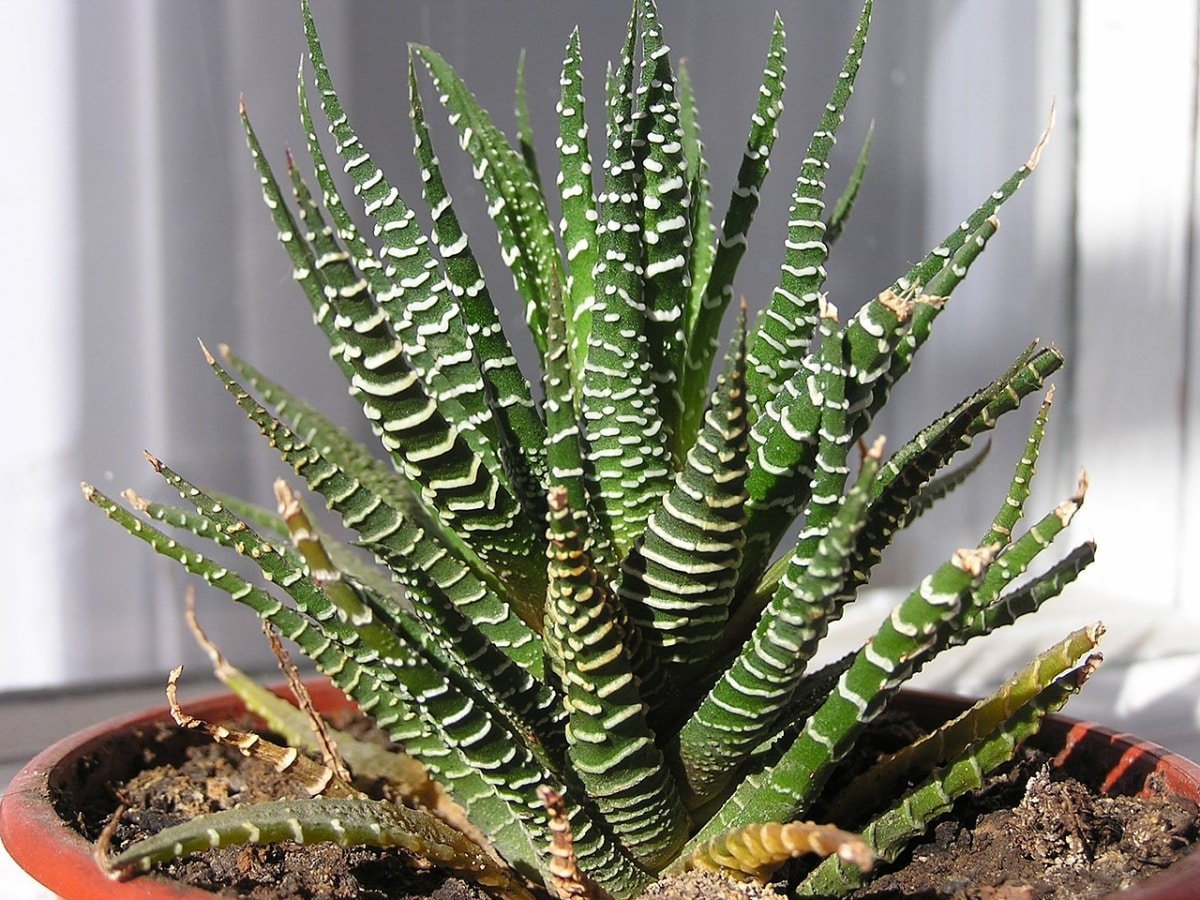
Image – Wikimedia/Mokkie
It is strongly recommended to pay the Haworthia attenuata. We are interested because in this way you can grow up with a better state of health. For him, we will fertilize it with a specific fertilizer for succulents, liquid (like this one) throughout the spring and summer. If we follow the instructions specified on the package, we will make our plant very beautiful.
However, we recommend fertilizing late in the afternoon, especially if it is summer, because that way the plant will have more time to enjoy it.
Do you need protection against the cold?
By experiment, it is a plant that tolerates cool temperatures well, but frosts do damage. So, yes, she can be grown outdoors all year round in frost-free locations, but otherwise not.
If there are any in your area, you will need to keep it indoors, especially in a room with plenty of natural light and where there are no drafts.
The Haworthia attenuata It’s a rudeness you don’t have to deal with, don’t you think? That is why it is ideal for beginners.