
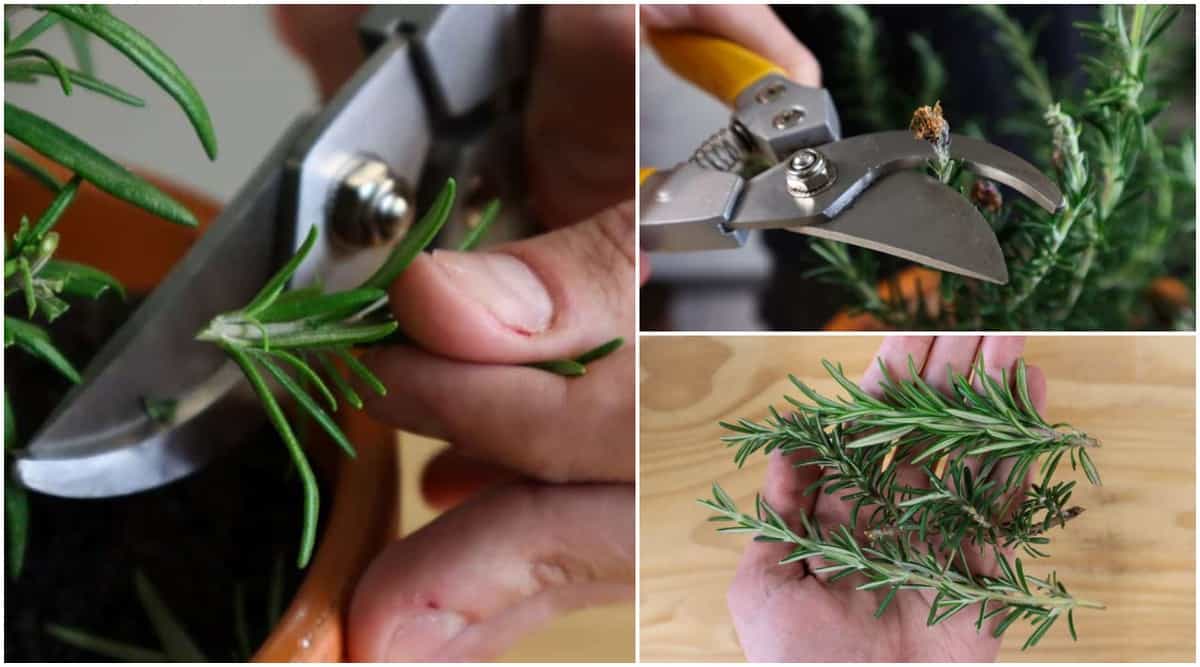
Rosemary is a staple in the herb garden. This dependable plant grows incredibly well in a wide variety of conditions and can be a little neglected, unlike other tough grasses.
Plus, they have many uses in the kitchen, from garnishing a variety of dishes to lightly flavoring your afternoon gin and tonic.
Although an incredibly carefree plant, rosemary will benefit from the occasional pruning.
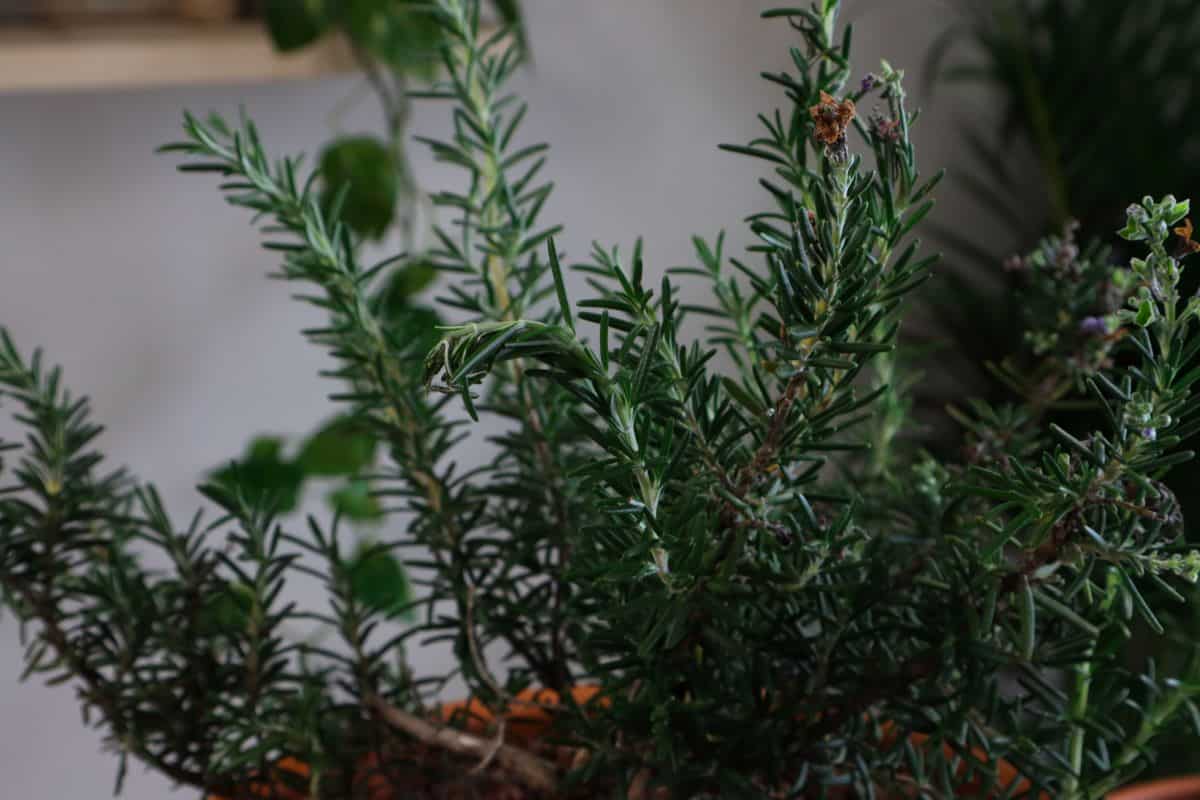
Related reading: How to Plant a Rosemary Hedge and 10 Reasons Why You Should
There are many reasons for pruning rosemary, from simple harvesting to extensive late-season pruning, each requiring slightly different techniques.
Follow these steps for a thriving rosemary bush that gets better year after year.
When to prune rosemary
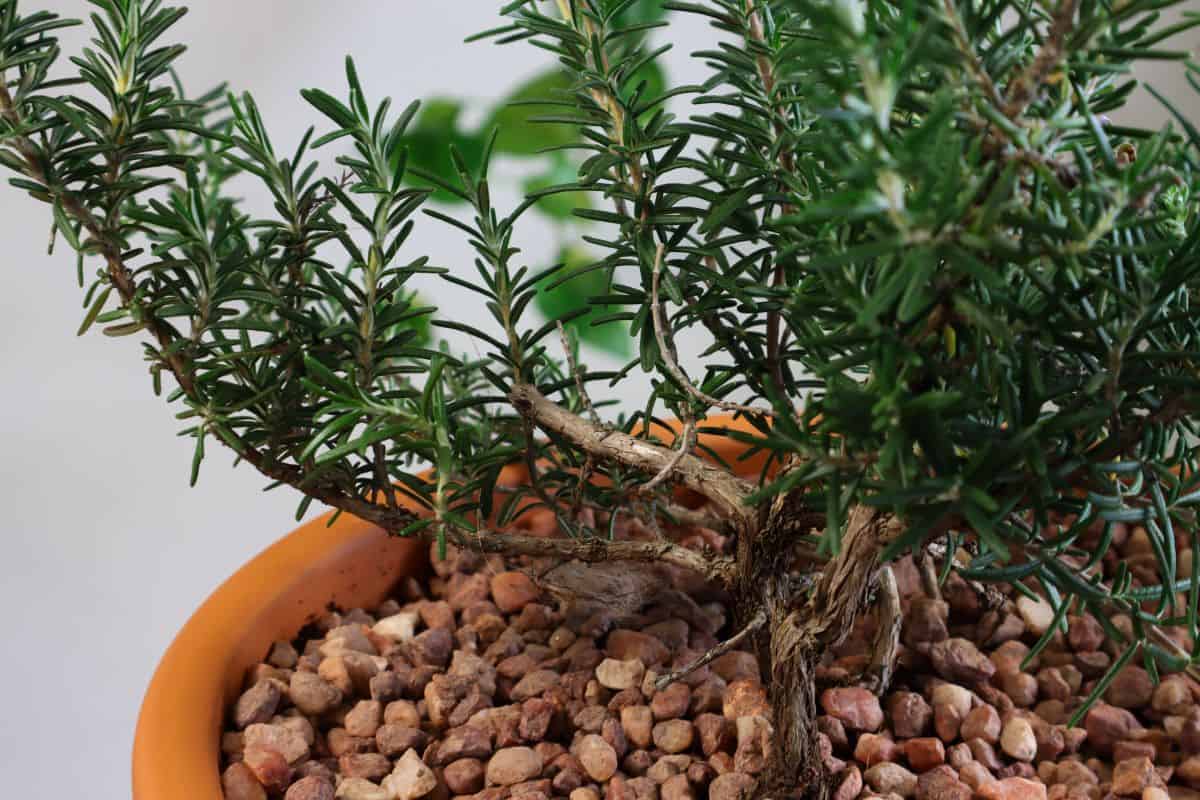
Before you begin, make sure you are pruning in the correct season. Pruning the wrong way at the wrong time can cause growth problems that can affect the plant in the long run.
Light pruning, when harvesting or pruning branches for bushier growth, is best in early spring.
Heavy pruning, when trimming tall hedges or shrubs to control size, is best done in the fall. Give the plant at least a month to adjust before frost hits to avoid damaging the delicate growth.
Before you start
Always start with clean, sharp secateurs. For taller hedges with thicker branches, you may need larger pruners to make the process easier. Dull scissors can damage existing growth and make it more difficult for new growth to emerge. Make sure they are clean by washing them with soap and water to prevent the transmission of bacteria or diseases that can inhibit growth.

Prune rosemary for bushier growth
If you’re looking for bushier, denser growth on a sparse plant, pruning is the way to go. It is best to do this when the plant is young and the branches are only a few centimeters long. By pruning early, you can encourage branches to divide, creating more branches as the plant grows.
To encourage branching of young plants, choose branches about 2 inches long and cut them back an inch or two. On new plants, the branches should still be relatively soft and not too woody, so cutting that much won’t impede new growth. If your plant is a bit older, don’t prune it down to the woody stems, as this can cause problems with foliage appearing in the wrong season.
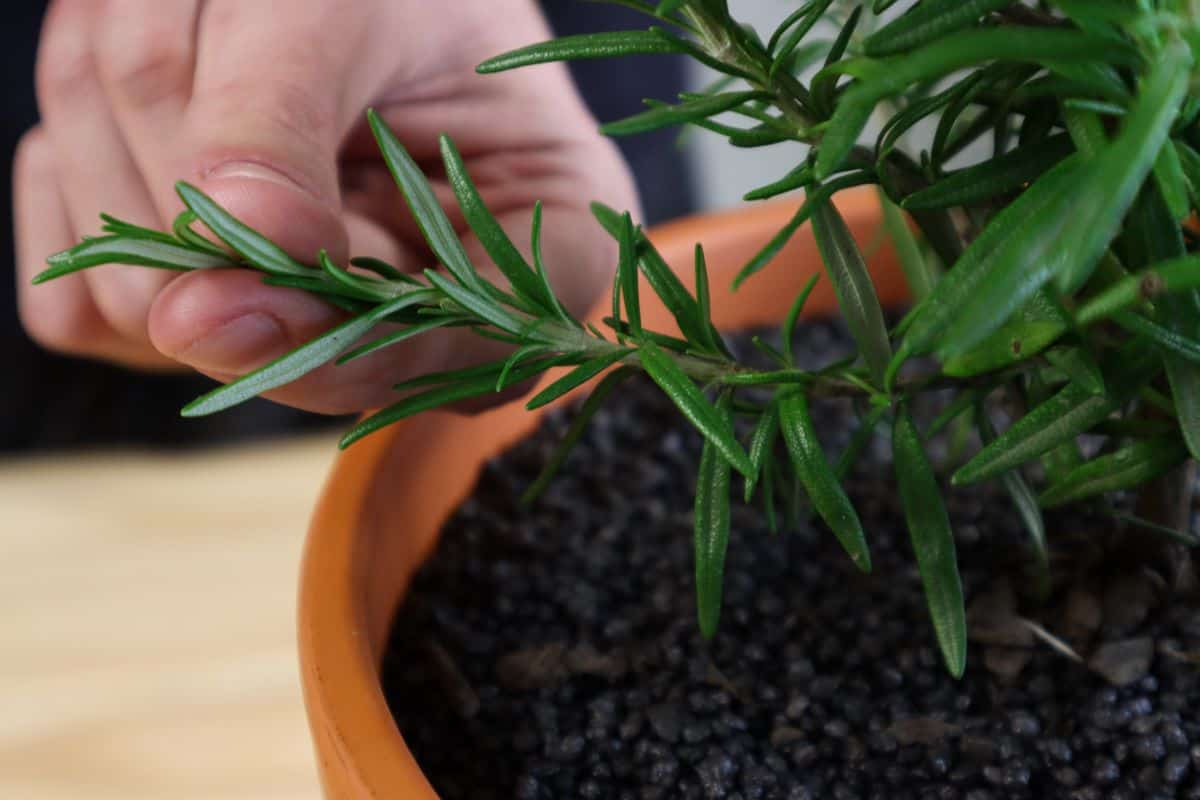

Prune the oldest outer stems first, as they are the most established. Cut each branch slightly at an angle and save the cuttings for use in the kitchen. With regular pruning in spring or summer, young branches often split into two branches, allowing for bushier growth.
Prune rosemary before harvest
Trimming plant parts for harvesting is one of the most common activities you will do; after all, that’s why we grow rosemary.
Rosemary can be harvested at any time of the year and is especially welcome in warm winter dishes, but care must be taken not to stunt its growth during harvest.
The best time to harvest for culinary use is just before a branch is about to flower. This is when the rosemary sprig is at its best. Remove the part of the branch just above the end of the woody growth to make sure it regrows quickly.
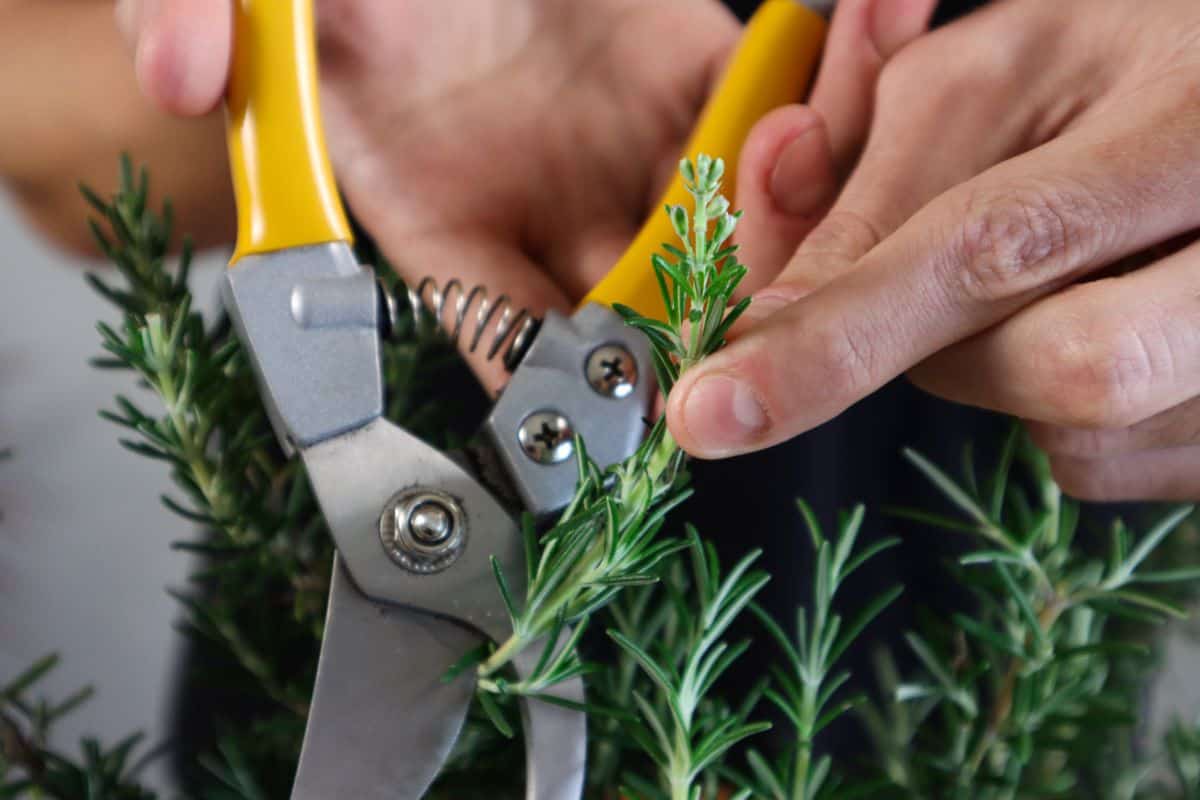
Start at the edges and work inward. This will keep the plant clean and prevent uneven growth in the center that can become difficult to control.
Never remove more than a quarter of the whole plant at a time. Removing too much foliage can cause shock, preventing the plant from coming back stronger.
If you are harvesting in the fall or winter, only remove what is absolutely necessary and use as little as possible, as it will only start to get stronger in the spring.
Size of rosemary to order
Not all sizes are for growing or cooking. A plum can also make your plant more aesthetically pleasing, matching the rest of your manicured garden.
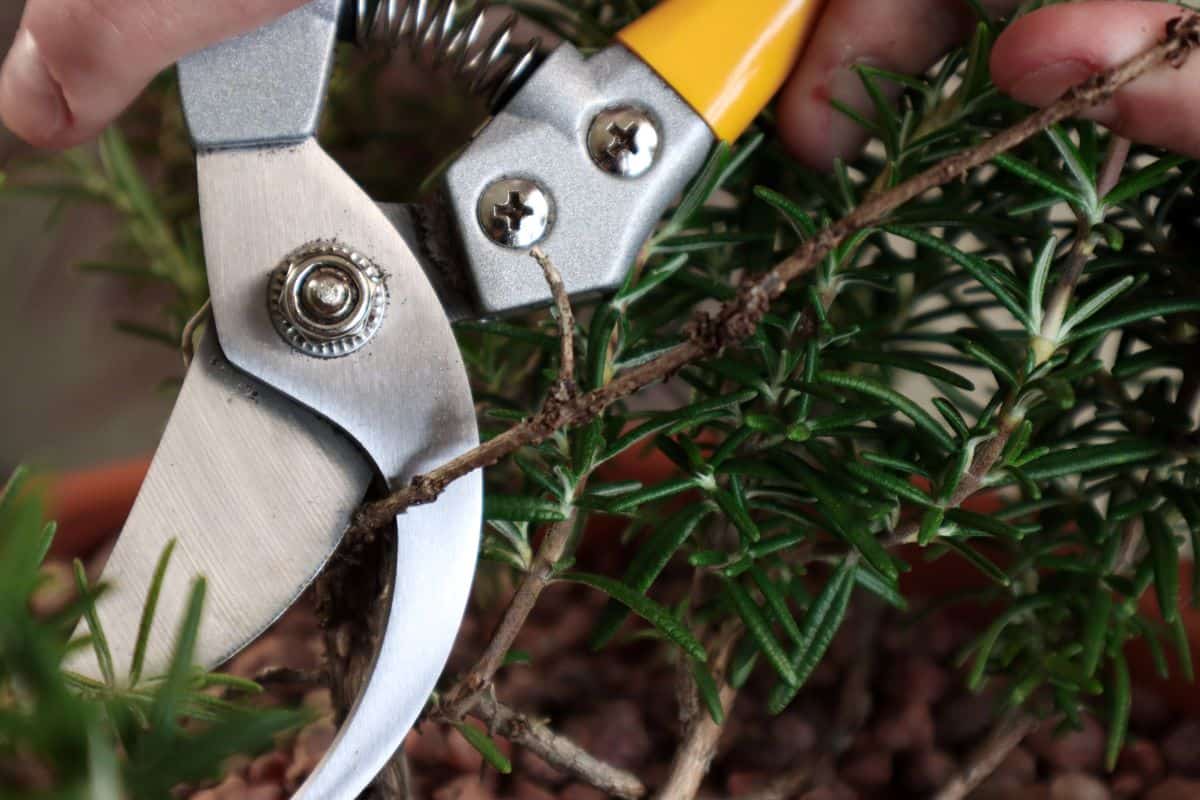
When pruning to store the plant, remove any low-yielding or dying branches at the base. Here too, parts of the plant that have died due to frost or disease must be pruned. Trim branches that overhang surrounding branches to maintain a neat shape.
Remove faded flowers at the same time to encourage the plant to focus on producing new shoots.
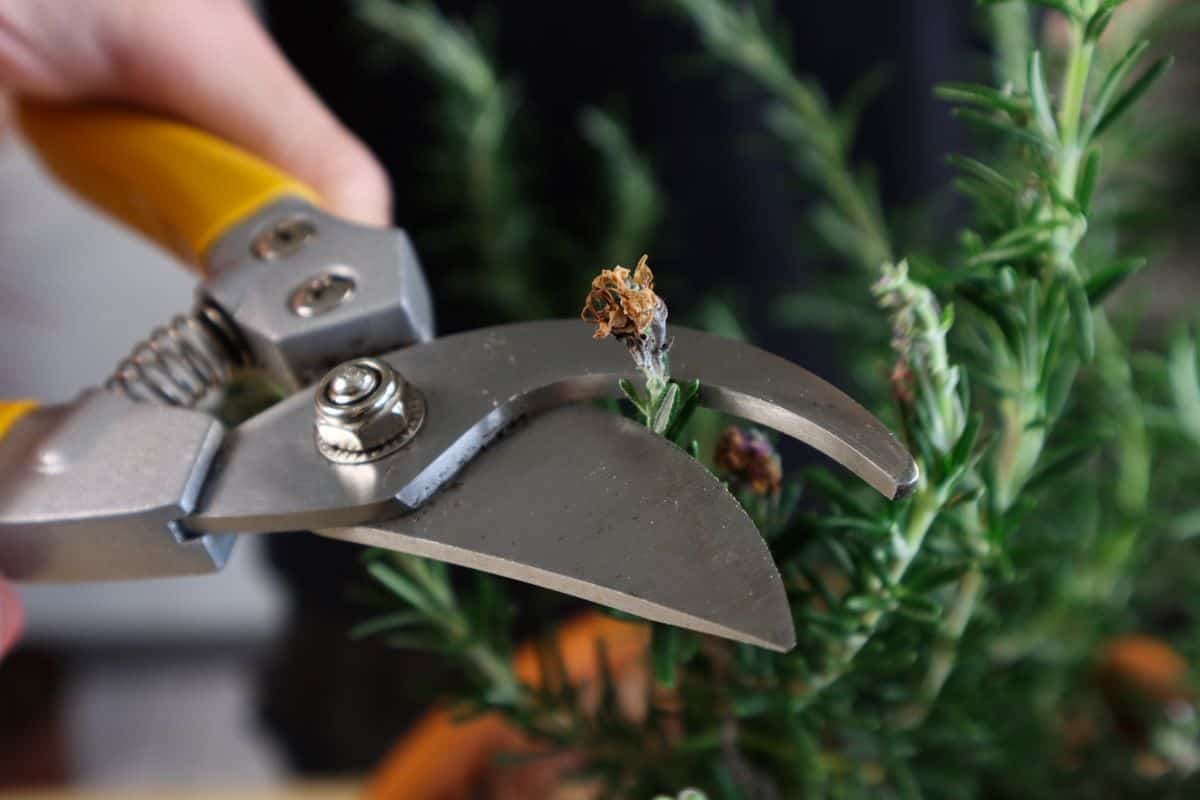
Cut the rosemary to shape it
When pruning your rosemary bush, take the opportunity to prune the plant into a neater, more attractive shape. Older rosemary bushes can grow incredibly dense and full and respond well to any shape you want.
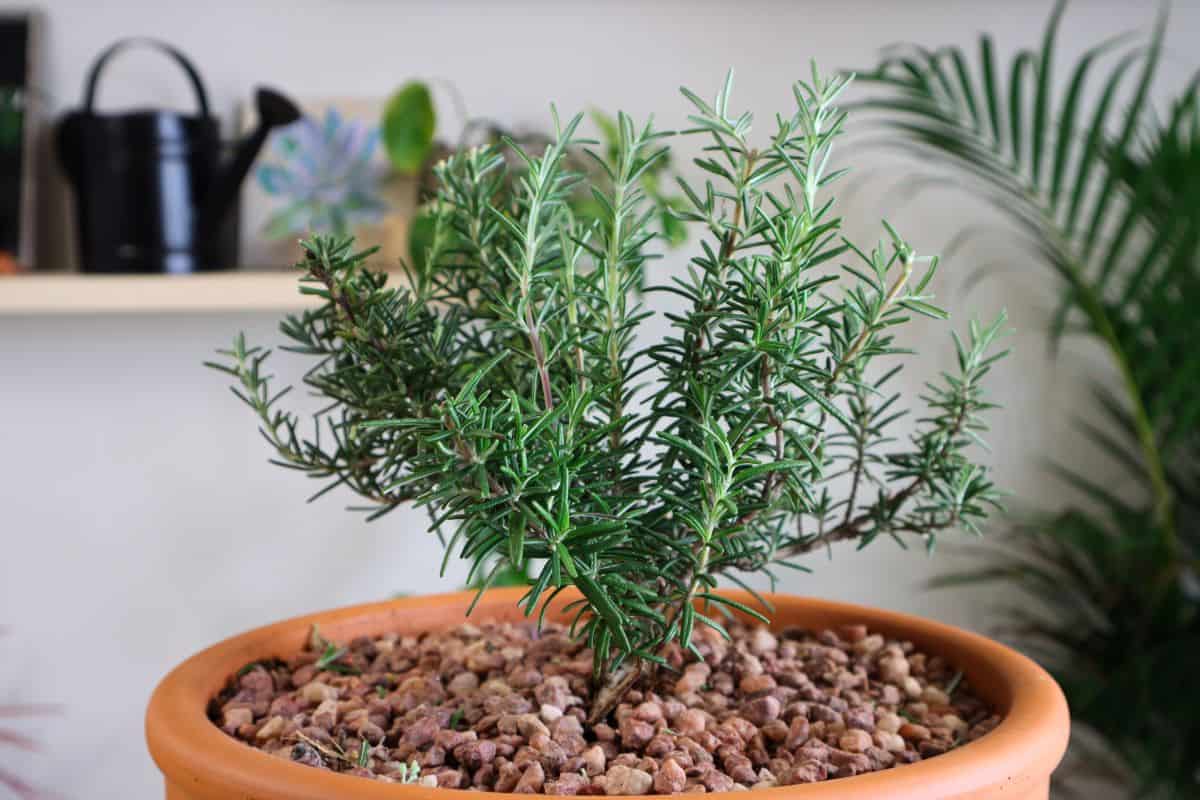
To shape the plant, start with the branches at the edges and progress to carefully trimming each branch to the same size as those around it. For a spherical shape, cut the outer edges closer to the woody growth and keep the tallest branches in the center. Try to keep the angle of the cuts even to maintain cleanliness.
Remove any spreading or drooping branches that are difficult to control. These can be cut at the base, leaving the growth strong and upright.

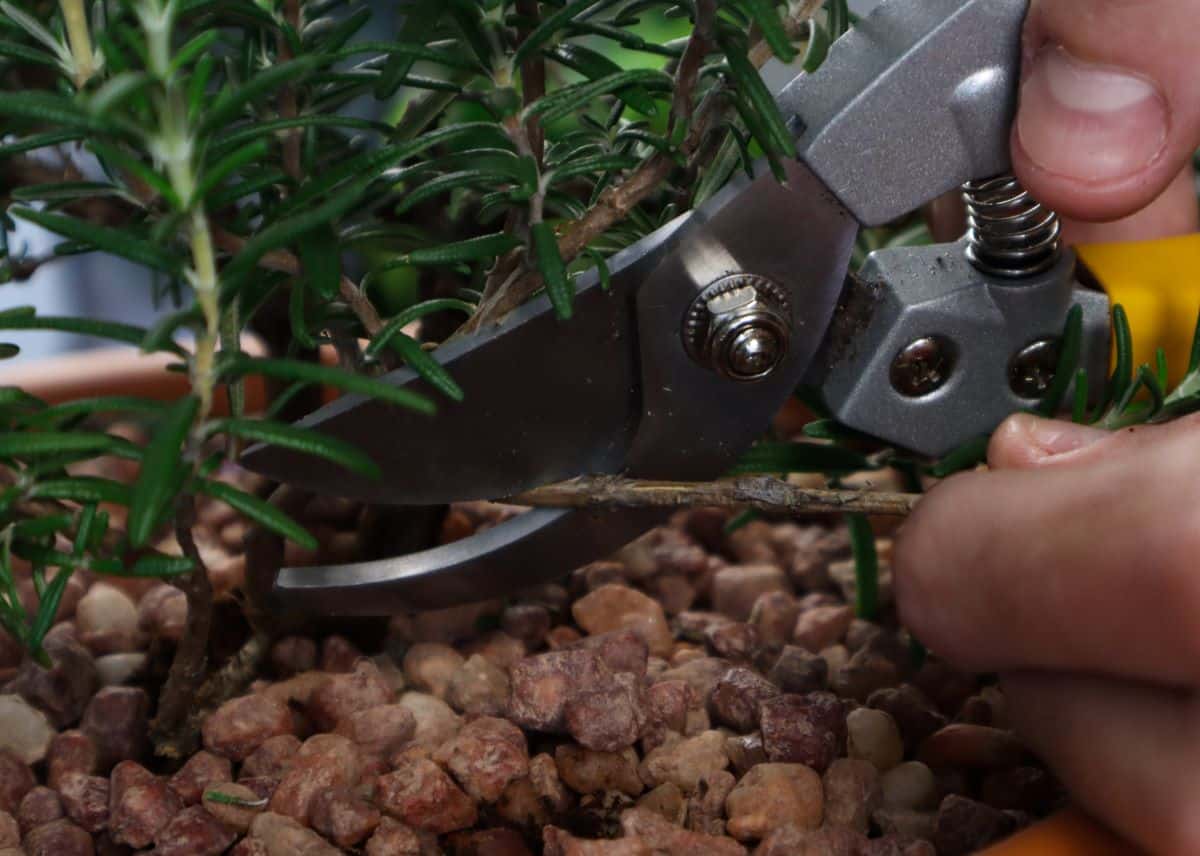
rosemary pruning for pruning
When growing rosemary as a hedge or border plant, pruning can help control its size so it doesn’t overpower surrounding plants. It is best to prune large areas of the plant in the fall so that new growth does not develop before the first frost, which will ruin pruning progress.
To prune a taller plant to control size, simply remove the longest stems at the desired size. Don’t over-prune the shrub or the next season’s growth will remain woody and unsightly with little foliage.
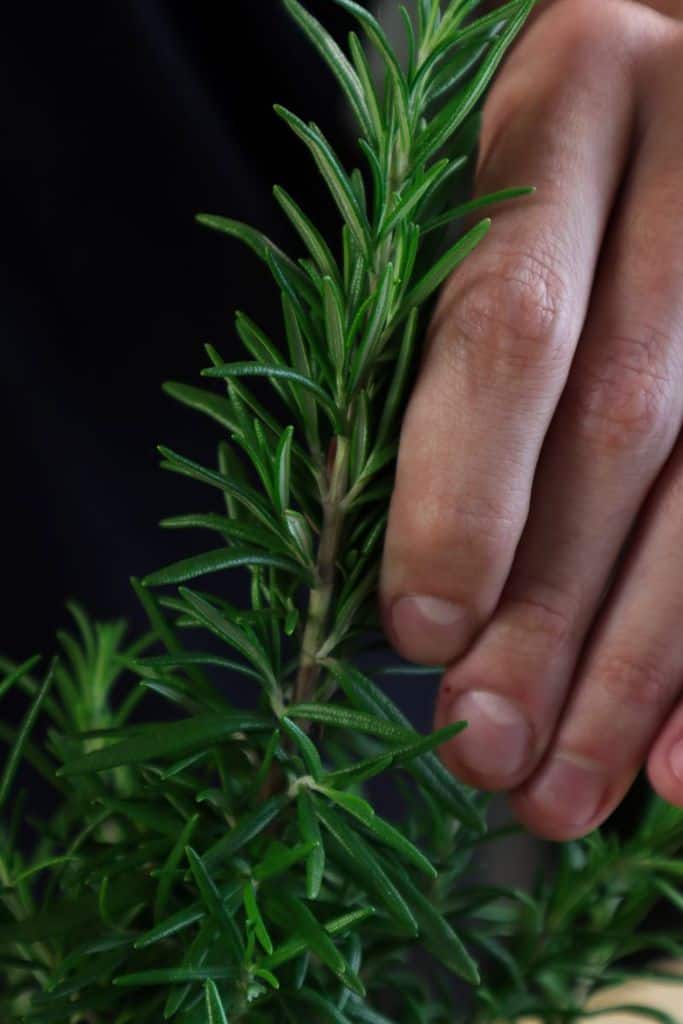
Cutting a few inches with pruners should be enough to control pruning without stunting growth the following season. As a general rule, you should never remove more than 30% of the growth to ensure that enough productive growth remains.

If you missed a pruning session and need to remove more than a third of your plant, you can prune in stages. Start by pruning the top of the plant. Wait about two months for the plant to recover before pruning. Repeat this process as needed, making sure to leave plenty of time between toppings to avoid pulling.
Prune rosemary for healthier growth
Annual pruning is not only beneficial for keeping the plant tidy, but can also promote growth. Older growth or damaged and dying stems drain energy from the plant which can be used for productive new growth. A denser plant will also give you more leaves to harvest in the long run.

To encourage growth, prune lightly every few weeks in spring and summer. Regular pruning of your crop should be enough to encourage additional growth. Then, prune the branches significantly in early fall to prepare them for new growth the following spring. At the same time, remove unproductive branches and remove any crossing branches to improve air circulation.

Your rosemary will have several weeks to harden and recover before frost hits. Brittle growth after pruning will suffer severe damage when exposed to cold. If pruned at the right time, growth should resume next spring, hopefully stronger than the previous year.
Enjoy your rosemary cuttings

When pruning your rosemary, make sure that the parts of the plant you remove don’t get lost. Leftovers can be used in cooking to flavor various dishes. Due to its low moisture content, rosemary is also an excellent candidate herb for drying, greatly extending the shelf life of the savory leaf.
If you don’t have direct uses in the kitchen, you can always root healthy cuttings to make even more rosemary plants. Soft new growth can root in water, but is more likely to root in soilless medium, such as coir and perlite or sand.
Our step-by-step guide to propagating lavender cuttings can also be applied to your rosemary plant.
Remove the leaf from the lower half of the cutting and dip it in rooting hormone powder to stimulate growth. Place the cuttings in a pot filled with rooting medium, cover with a plastic bag to generate humidity, and place them in a warm, bright place out of direct sunlight. Keep the soil moist and the cuttings should root within a few weeks.