
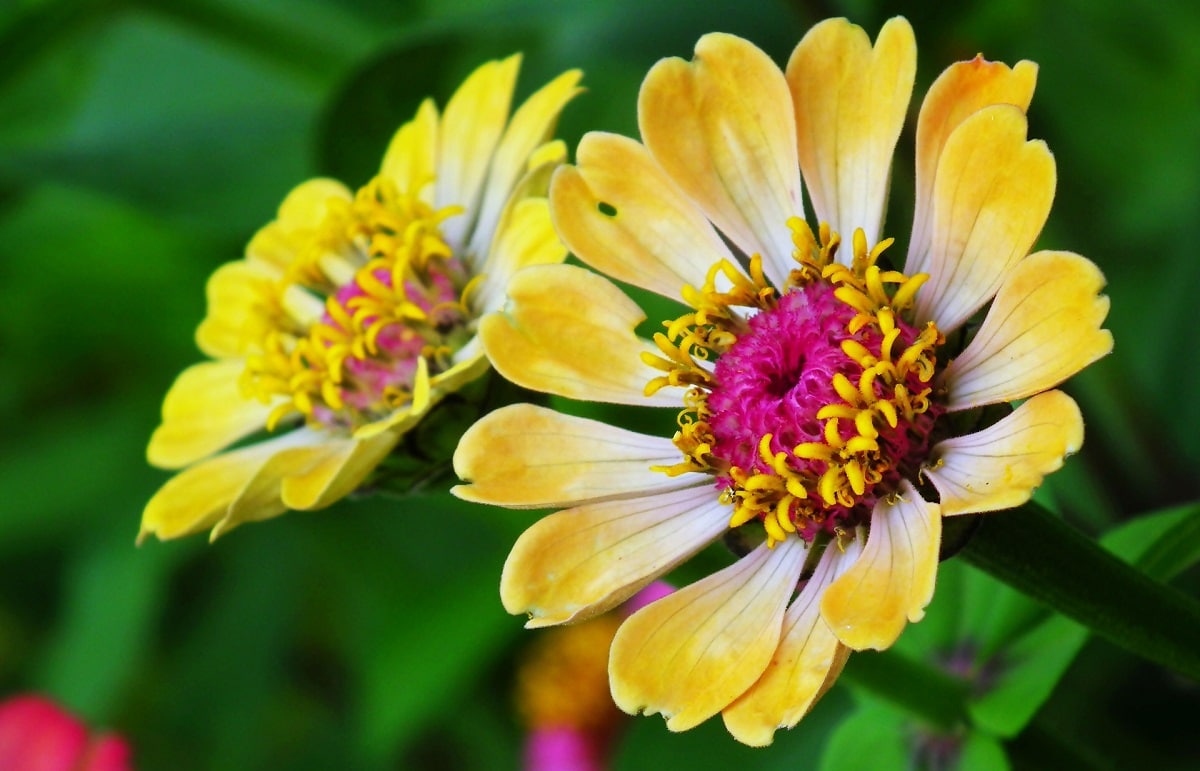
Zinnias, or paper flowers, are one of the most popular and easiest-to-grow annuals. Its small, cheerful, dahlia-like flowers are perfect for growing in containers and in the garden. Many people wonder if the care of the potted zinnia change relative to the ground.
For this reason, we are going to dedicate this article to telling you about the maintenance of potted zinnias and the aspects you must take into account so that they grow correctly.
Potted Zinnia Care
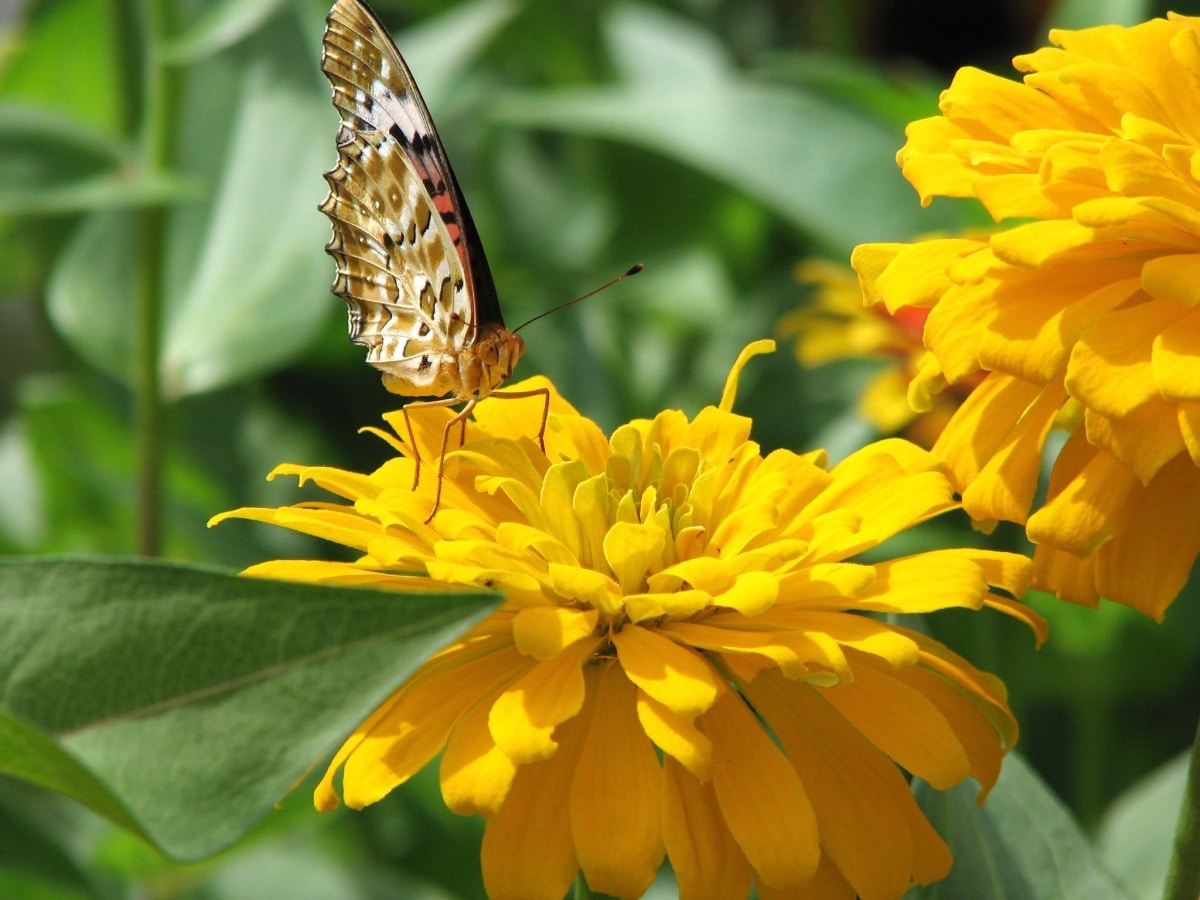
First of all, the most interesting thing about zinnias are their flowers, so you should know that they bloom in the spring until the start of the colder months. So, zinnias are the best plants for warm environments. You should look for bright areas of the garden that are sheltered from the wind. Of course, although they require a lot of light, they should not be exposed directly.
As for the substrate, a universal one can be used, but a specific one for flowering plants is recommended. Also use a fertilizer made specifically for flowering plants to help with flowering.
A key aspect of its cultivation is exposure to the sun. It is a plant that likes light and warm temperatures. The ideal temperature range for zinnias is between 15°C and 25°C. Although it tolerates partial shade, it must be exposed to direct sunlight for at least 6 to 8 hours.
Irrigation and fertilization

As for the soil, they need a light substrate. Irrigation will vary depending on whether it is in pots, which it must be continuous every 2-3 days, or on the ground, which can be more spaced out in time. A sign that may indicate that a plant needs more water is that it is starting to shed its leaves.
If the weather is very hot, it will appreciate some extra watering, but not too much. If the pot is submerged, it can cause root rot and lead to the death of the plant. The proper way to water a zinnia is to avoid wetting its leaves and flowers, as this can cause them to wilt prematurely. When they start to do so, they will need to be removed.
During the flowering season, it should be applied a special fertilizer for flowering plants every 15 days.
Zinnias are easy to propagate by seed in the spring. Seeds are harvested once the flowers begin to rot, wait until the petals are completely dry before removing the seeds. You will see how they acquire a darkened tone. You can keep them for 2 years in the dark and without humidity.
Growing zinnias in pots
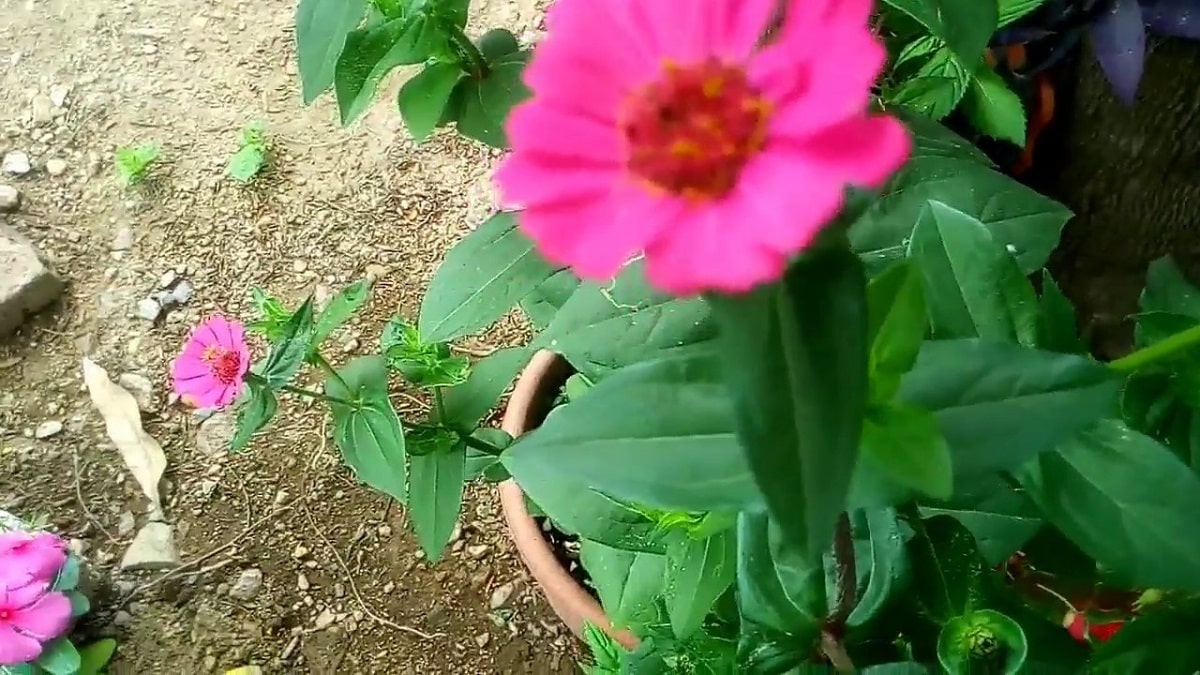
If you want to plant zinnias, you should do it in early spring. For that, Moisten the seedbed substrate and sprinkle the seeds over it. Then you cover with more substrate and water. These will germinate in about 8 to 12 days, depending on the room temperature. This will be the ideal time to transplant them to their final location, whether in pots, pots or in the garden.
Zinnias don’t need very large pots, although this will vary depending on the variety chosen. Growing dwarf varieties is not the same as growing California giant zinnias.
The first thing to do when planting zinnias is to prepare the pots and cover the holes with a few broken tiles to avoid soil loss. In this way we will also ensure that the substrate that we put in the pot drains well. You can grow different varieties together to create very colorful compositions.
Plagues and diseases
Zinnias are susceptible to various fungal diseases and, once they occur, there is no cure for the infected plant. Well-drained soil in which the plants grow is the best preventative measure. Also, don’t plant them close together, but leave some space between them so that air can circulate freely through the foliage. Never water the zinnias by wetting the aerial parts, if possible use a dripper, and if not, water so that the water falls directly on the base of the plant.
If you have to remove a diseased plant, don’t even think about throwing it in the composter. Composting diseased plants can spread disease. Diseased specimens should be discarded.
Zinnias are not immune to certain insect attacks: some of them are leaf miners, aphids, mites or beetles.
Features and aspects to consider
They are one of the most colorful and beautiful species. They can be grown in the garden or even indoors in well-lit areas. It is a plant native to Mexico, and although it is usually grown as an annual, the truth is that it is a perennial that can last for several seasons in frost-free climates. Our protagonist has other names depending on location, you may have heard her like Paper Flower or Mysterious Rose.
The plants are not very tall, and even in the best circumstances it is normal that they do not reach 90 cm in height. The leaves are oval, dark green in color and rough to the touch. But even as a dwarf plant, its beautiful flowers make it a favorite of many gardeners. Especially since they are so colorful that they bring joy to the garden from late summer to fall.
Zinnias bloom from spring to fall. Meanwhile, they are ubiquitous on nursery counters and attract attention for its intense shades of yellow, red, pink and even white. If you need a plant to decorate your home interior for a special occasion, zinnias are a perfect choice. Don’t forget to move it outside after a few days because it’s actually better there.
In the garden you have many possibilities. If you don’t have enough space, a single sample will be the center of attention in the fall. But if you have more space, you can plant a large group in a flower bed.
You can buy your first zinnias from a nursery, then harvest the seeds and save them for another season, as they are easy to propagate from seed. They are generally low maintenance plants, although they are susceptible to certain diseases and pest problems, as discussed above.
Zinnias grow and thrive in full sun. and they thrive in many soil types as long as they drain well. If the soil is clayey, heavy and wet, the roots will rot easily. If you sow zinnia seeds, do so in loamy, sandy soil when frost is no longer likely.
In warmer regions such as the Mediterranean, where frost is not a problem, zinnia seeds are sown once they night temperatures exceed 10°C. Another option is to sow zinnia seeds indoors for extra protection against accidents in case it gets cold or freezing one night.
Hopefully, with this information, you can learn more about potted zinnia care and their needs.