
If you purchase an item through links on this page, we may earn a commission. Our editorial content is not influenced by commissions. Read full disclosure.
Head lice are one of those tricky parts of being a parent. Children play with other children, and one day they may creep up on you. Even adults can get head lice.
It’s hard to know how many people get head lice each year, but the most common age ranges are between 3 and 11 years old. Studies show that girls are more likely to get head lice than boys because they often play with each other’s hair and come into closer contact.
To prevent the spread of head lice among family members, it is essential to learn about the signs and how to get rid of these itchy parasites. Here’s how:
Diagnose and identify head lice

Your scalp can become itchy and dry from the sun, hot showers, or cold temperatures. This is why you need to understand the difference between a normal itchy scalp and head lice (Pediculus humanus capitis).
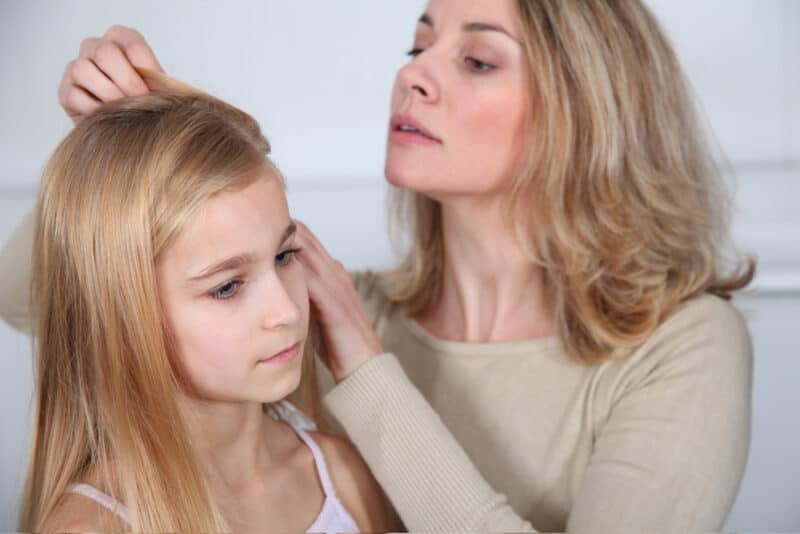
If you suspect head lice, the first step is to grab a hairbrush and comb the person’s hair. You will need to sit somewhere with bright light to see the little pests with an unobstructed view.
The best way to comb hair is to use a fine or nit comb with dark teeth. The color will allow you to see the light lice against the dark background. Here are some tips for combing hair properly when trying to identify head lice:
- Wet hair before combing
- Find a seat near a bright light in your bathroom or outside
- Put on gloves to reduce the risk of transferring lice
- Divide hair into sections
Most people suggest wetting the hair before you start combing it. This gives you a chance to see the head lice and makes it harder for them to escape. However, you can identify lice without getting the hair wet.
Use bright light and divide the hair into sections. This will increase the chances of not missing any lice or eggs (nits).
Remember that lice found far from the scalp may be dead. This could mean that you or the individual had an infestation in the past, but the lice are dead now. Looking for live lice on the scalp.
What do head lice look like?
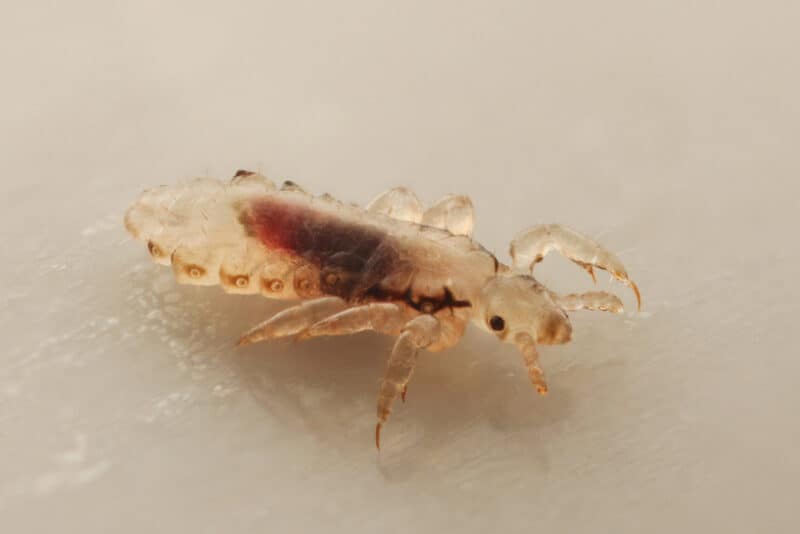
Knowing what lice look like when you comb your hair will save you a lot of time and frustration. Search for photos or videos online to see what they look like. Next, look for adult lice and their nits, which are the eggs.
Nits are easier to spot because they are often in the same position and do not move. Lice are tricky because they will try to run away when you start combing your hair. That’s why it’s essential to comb slowly and carefully, making sure to check the ears and neck.
Adult lice are light brown and look like seeds. Remember that they can move quickly, so you have to be vigilant when trying to find them. Their nits are yellow or brown and will be deposited between the strands of hair on the scalp.
Remember that your head can collect a lot of dirt and debris from your daily tasks. Children are exposed to sand, dirt and other things that might look like nits or lice at first.
Make sure you don’t overlook head lice when cleaning your hair. If the nits are not removed, they will continue to hatch and start new generations.
home remedies for head lice
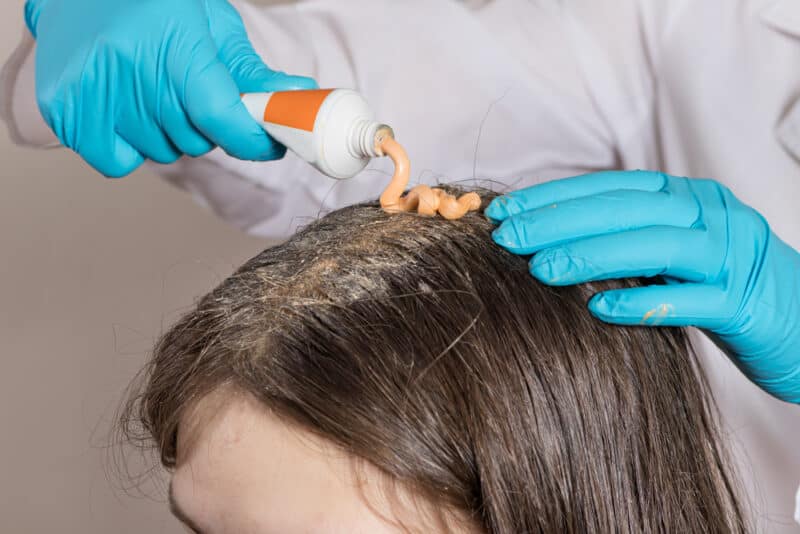
When you discover head lice, you can start with traditional methods of elimination. For example, use lukewarm water and head lice shampoo to treat your or your child’s scalp.
You should not use these shampoos in the shower or bath unless you clean the tub immediately afterwards. These treatments are full of chemicals that are only meant to be applied to your skin for a short time. Follow label directions for using small amounts on the scalp.
After the shampoo is applied, you can wait 8-12 hours to determine if the treatment was successful. Your local pharmacy will sell these products, but you can also ask your doctor if you can’t find them online or in a store.
Essential oils
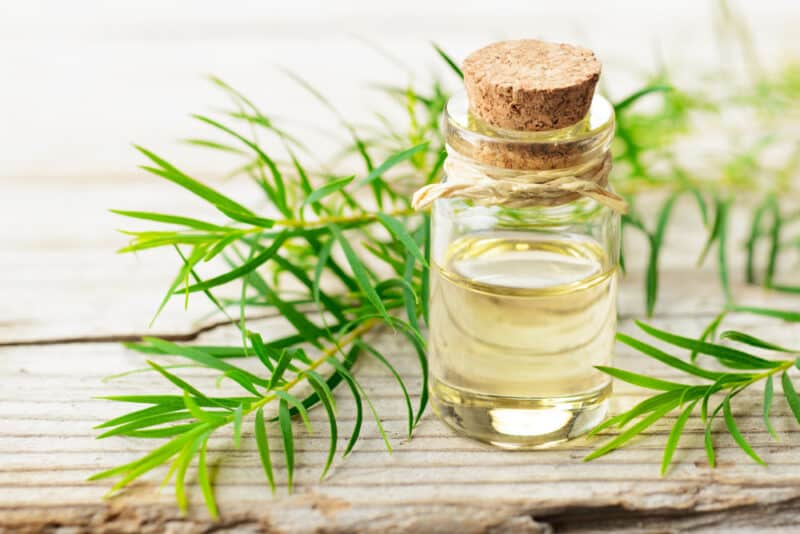
If you prefer using natural remedies and want to limit the use of chemicals, try a herbal remedy. You should always test your reaction to an essential oil before using it.
Apply a drop of essential oil to the skin and wait a few minutes to see if there is a reaction. Wait a few hours before acting. Then you can safely apply the essential oil to the scalp.
Eucalyptus (Eucalyptus spp.), as well as tea tree oil (Leptospermum petersonii) has been shown to be more effective in trials than some of the common commercial treatments.
Anise, peppermint, nutmeg, and lavender oil have not been shown to be effective, but many people believe they should be used anyway. It could just be that the oil suffocates the lice, regardless of the type of oil.
Prepare the mixture by combining essential oils with olive oil. Add about two ounces of olive oil and at least 15 drops of essential oil. Be careful not to burn your skin with too much oil.
Leave the mixture on your scalp overnight and comb out adults and eggs in the morning. You may have to repeat this process several times before it starts to work, but it’s worth a try if you want to avoid using a chemical.
Use a comb
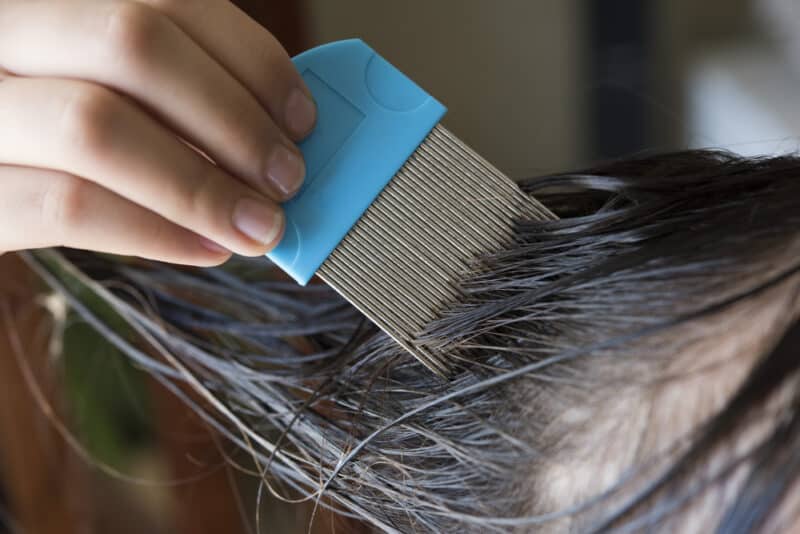
A lice comb is the most effective natural method. You can buy lice combs designed to remove these parasites. This method takes longer, but it does not involve any chemicals and is proven to work.
Some schools require your child to be “nit-free” when attending class, so it’s worth investing in finding the comb that works. This way you can already have a reliable product in your bathroom cabinet for any unexpected nit infestations in the future.
Nobody wants to shave their hair, so a good comb is a perfect solution.
It is important that you check on everyone in your home environment at least once a day for two weeks. If you don’t check, the lice could come back after the treatment is over and you’ll have to start all over again.
Next, clean your house thoroughly. This includes washing hats, scarves, bath towels, and anything that has come into contact with the infected scalp.
Since head lice like to travel from head to head, you should check everyone in your household. The last thing you want is to rid your child of an infestation and find your head is full of lice.
Avoid head lice

Even if you treat head lice, there’s no guarantee they won’t come back. All you can do is take a few safety precautions to limit the risk of head lice growing and infecting your home. Keep all head items separate from each other and the rest of the house.
For example, your child may have a cute hat that he wears in the winter and your other child wants to borrow it. While sharing is a great trait, it can lead to sharing head lice, which isn’t so great.
Instead of sharing hats and other head accessories, try to make sure everyone has their own little collection of headwear. You don’t want arguments to break out when someone doesn’t have their favorite hat. Stock up on a few to please everyone and keep head lice from spreading.
Adults with head lice should also avoid sharing head coverings and limit head-to-head contact. If you’re buying used hats, take a quick look to make sure there aren’t any nits tucking into them.
Was this article helpful?
Yes No ×
We appreciate your helpful feedback!
Your response will be used to improve our content. The more feedback you give us, the better our pages will be.
Facebook pinterest