
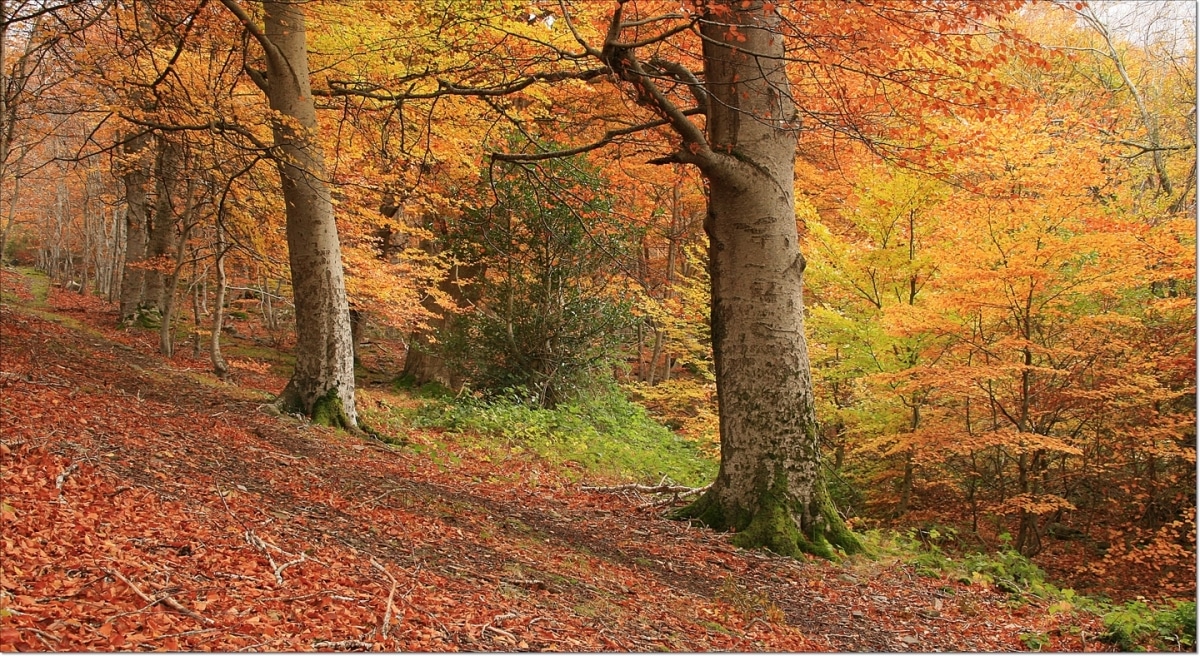
The oceanic climate, also called maritime climate, brings together certain conditions that cause many plants to form beautiful forests and jungles. The rains are abundant throughout the year, and although the temperatures are rather cool, this allows countries like Spain to enjoy incredible vegetation.
Beech, oak, ash and many other trees are the owners of these landscapes. But, Where is ocean climate vegetation found?
What are the characteristics of the ocean climate?
First of all, it is always good to remember what you learned at school and/or institute about this climate, as this will also allow us to better understand how plants live. Well, of the oceanic climate it must be said that, as the name suggests, is strongly influenced by the sea. What this does is regulate the temperatures, thus preventing them from being extreme.
For him, although it can be cool, even cold in winter, it is not cold. In fact, it is usual for there to be no more than 10ºC difference between the coldest and the hottest temperature. In addition, it is also important to add that the humidity is very high, also due to the proximity to the ocean.
Where do we have it?

Image – Wikimedia/Beck, HE, Zimmermann, NE, McVicar, TR, Vergopolan, N., Berg, A., & Wood, E.F
It is a type of climate It is found in countries like the UK, Germany, France, northern Spain, eastern Australia, and different parts of the South American coast..
In any case, it is important to specify that there are two types of oceanic climate: the typical, the humid mountain, the oceanic Mediterranean and the subpolar oceanic climate. Let’s see how they are:
- Typical ocean climate: It is located between 40 and 60º of latitude, and it is a climate in which the rains are abundant during the year, except in summer when it usually rains less. Even so, about 1000 mm of precipitation can fall per year. The average annual temperature is between 7 and 14 ºC.
- humid mountain climate: it has the same characteristics as the typical, but with the difference that it comes from the mountains.
- Mediterranean ocean climate: it is a type of oceanic climate characterized by rather dry and hot summers.
- subpolar oceanic climate: It is located relatively close to the poles, for which the winters are quite cold, with an average temperature of up to -3ºC.
How is the ocean climate vegetation? examples
And now that we know the characteristics of this type of climate, we can talk about the plants that have adapted to live in these conditions. There are several types of forests: deciduous, mountain and laurel. Therefore, there is a wide variety of species that require cool but not extreme temperatures and precipitation throughout the year, such as the following:
Birch (Betula)

Birch is a deciduous tree native to Europe and North America. It is a plant native to humid temperate forests, where can reach heights between 10 and 30 meters. In addition, it has the particularity of having a whitish bark, since it is very ornamental.
Maples (Acer)
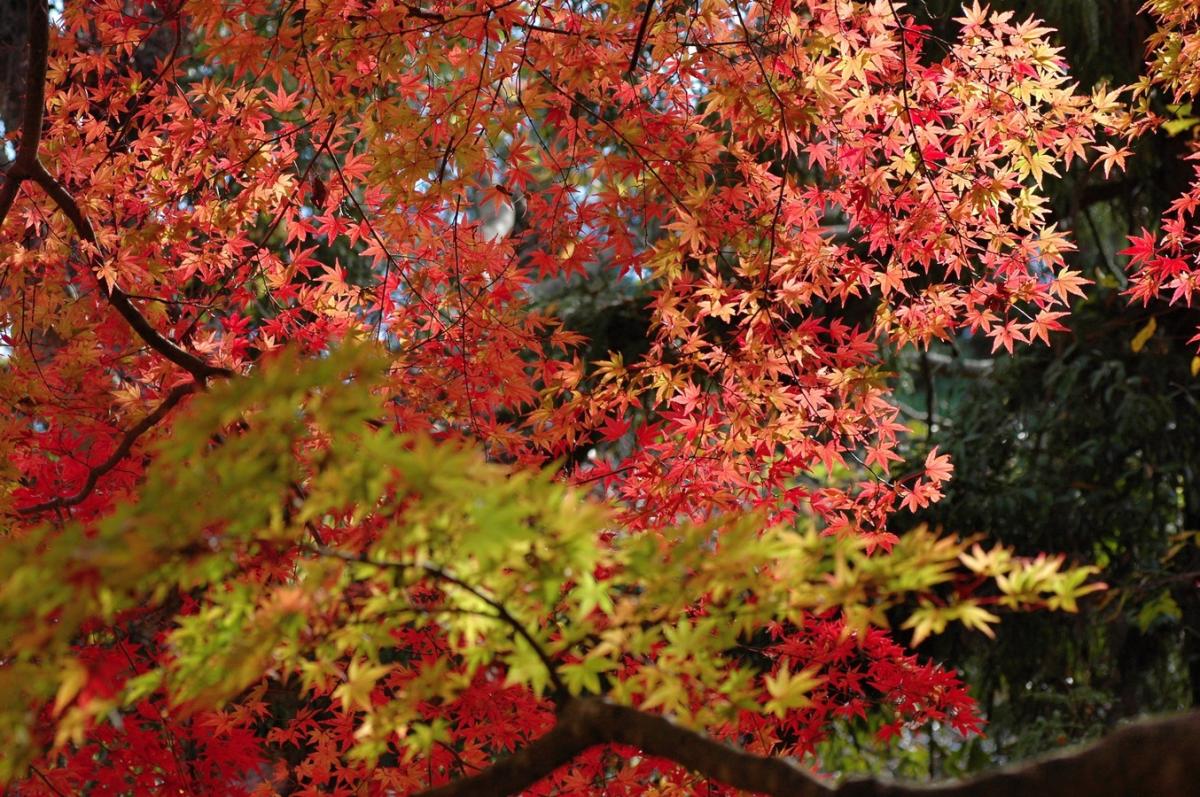
Maples are a group of trees and shrubs that live in temperate regions of the world. Although not all of them live in areas with an oceanic climate, most species do, such as the Acer pseudoplatanusthe acer opalusthe Acer palmatumor the Acer platanoides. All of them have deciduous leaves that fall in autumn-winter.
Poplar (Populus)
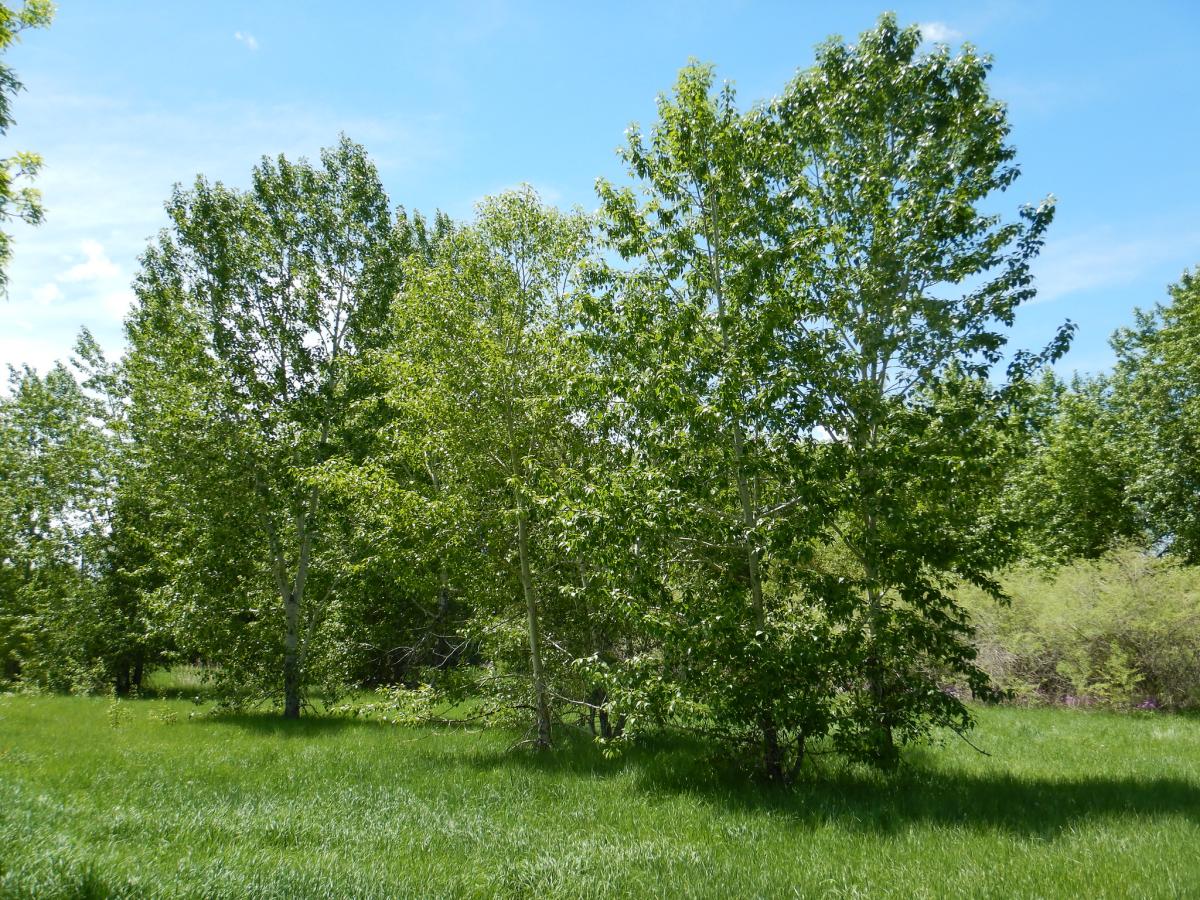
Image – Flickr/Matt Lavin
Poplar, or cottonwood, is a deciduous tree native to the northern hemisphere that reaches a maximum height of 30 meters. It develops a more or less straight trunk, which usually branches a short distance from the ground.
hazelnut (Corylus avellana)
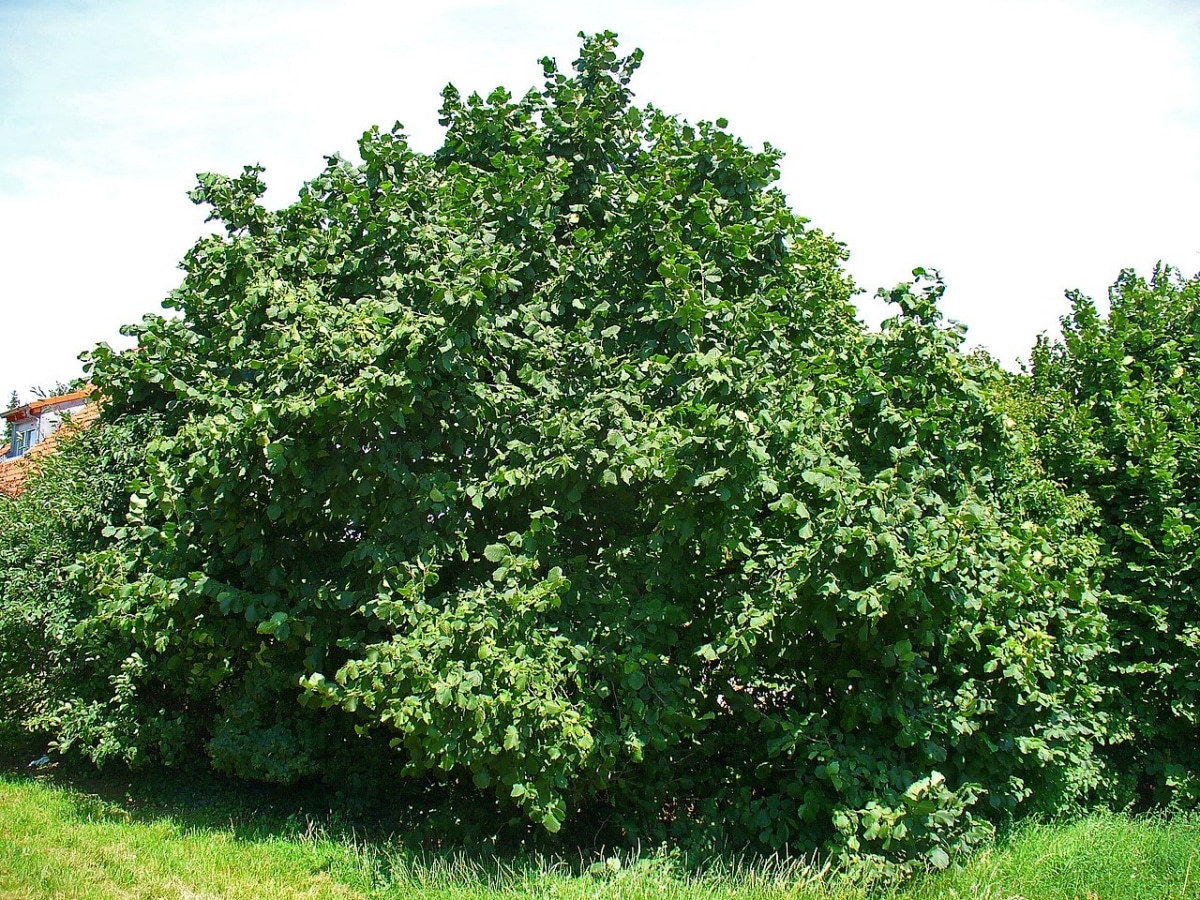
Image – Wikimedia/H. Zelle
The hazel is a tree, also deciduous, native to temperate and humid forests. It can measure up to 15 meters high, and has an irregular crown. The fruit is the hazelnut, which finishes ripening in autumn.
Dark blond (Castanea sativa)
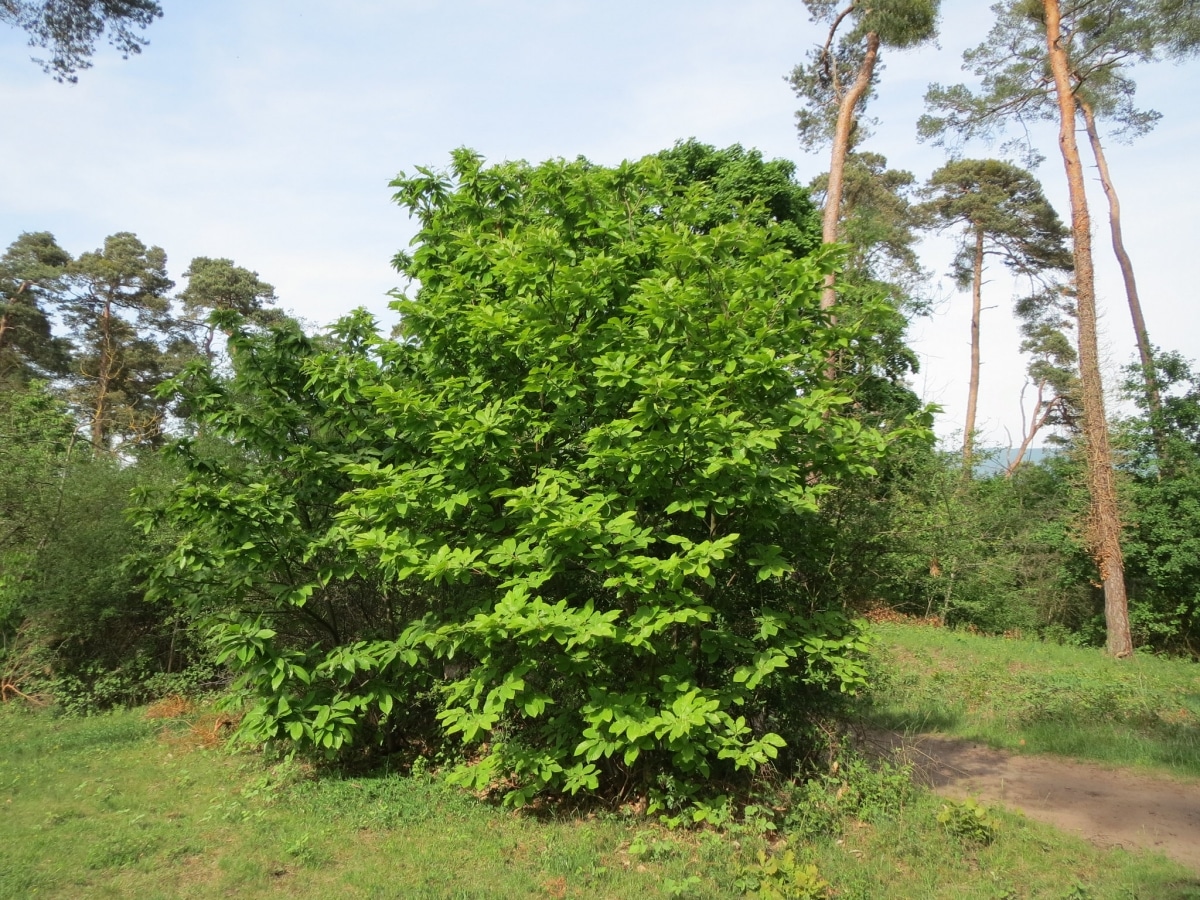
Image – Flickr/Andreas Rockstein
The chestnut is a deciduous tree native to the northern hemisphere, where it lives in temperate regions. It reaches a maximum height of 35 metersand it is a plant that produces edible fruits: the chestnut tree.
Indian brown (Aesculus hippocastanum)
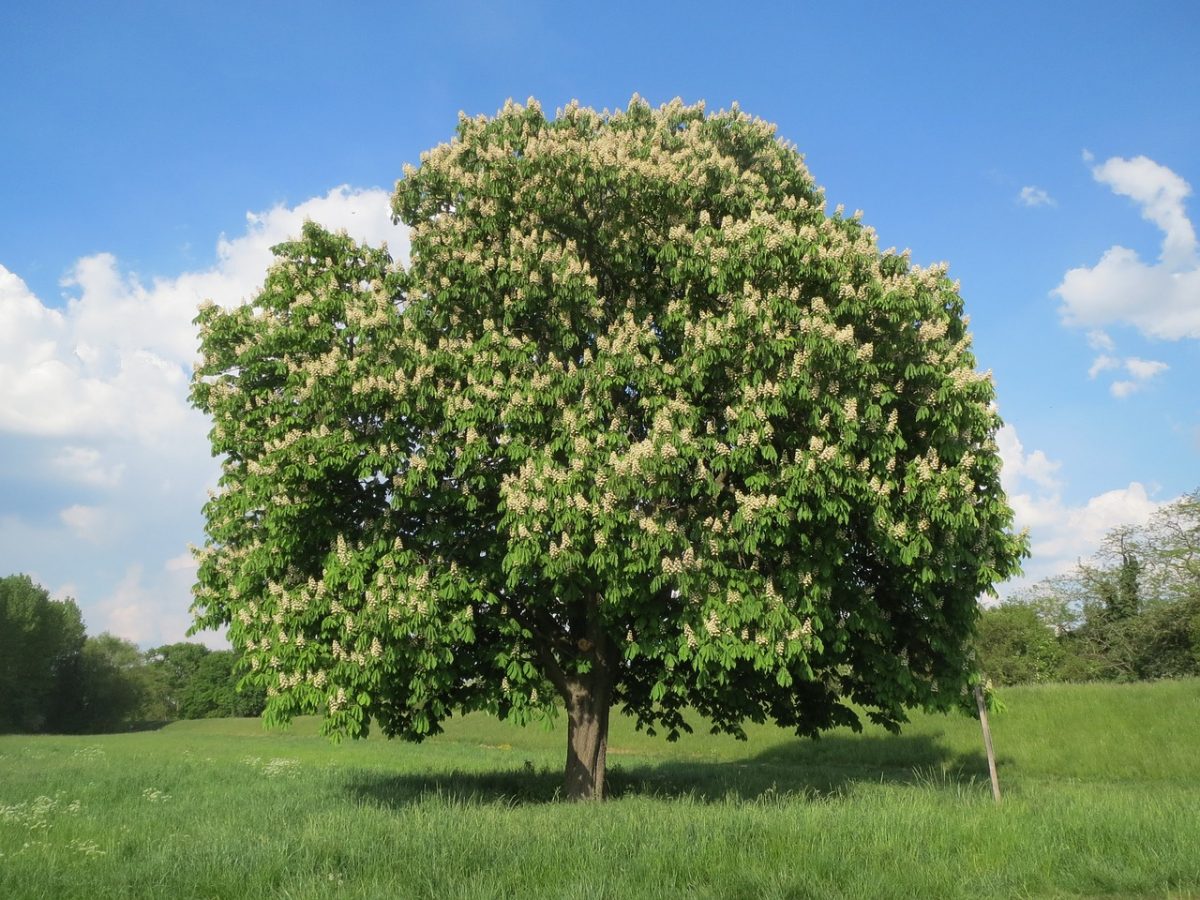
The horse chestnut tree or false chestnut tree is a large tree, which can be 30 meters tall and a width of 5-6 meters. Its leaves are also large, since they can be about 30 centimeters wide. It is native to the forests of the Balkans.
Dicksonia (Balantium antarcticum)
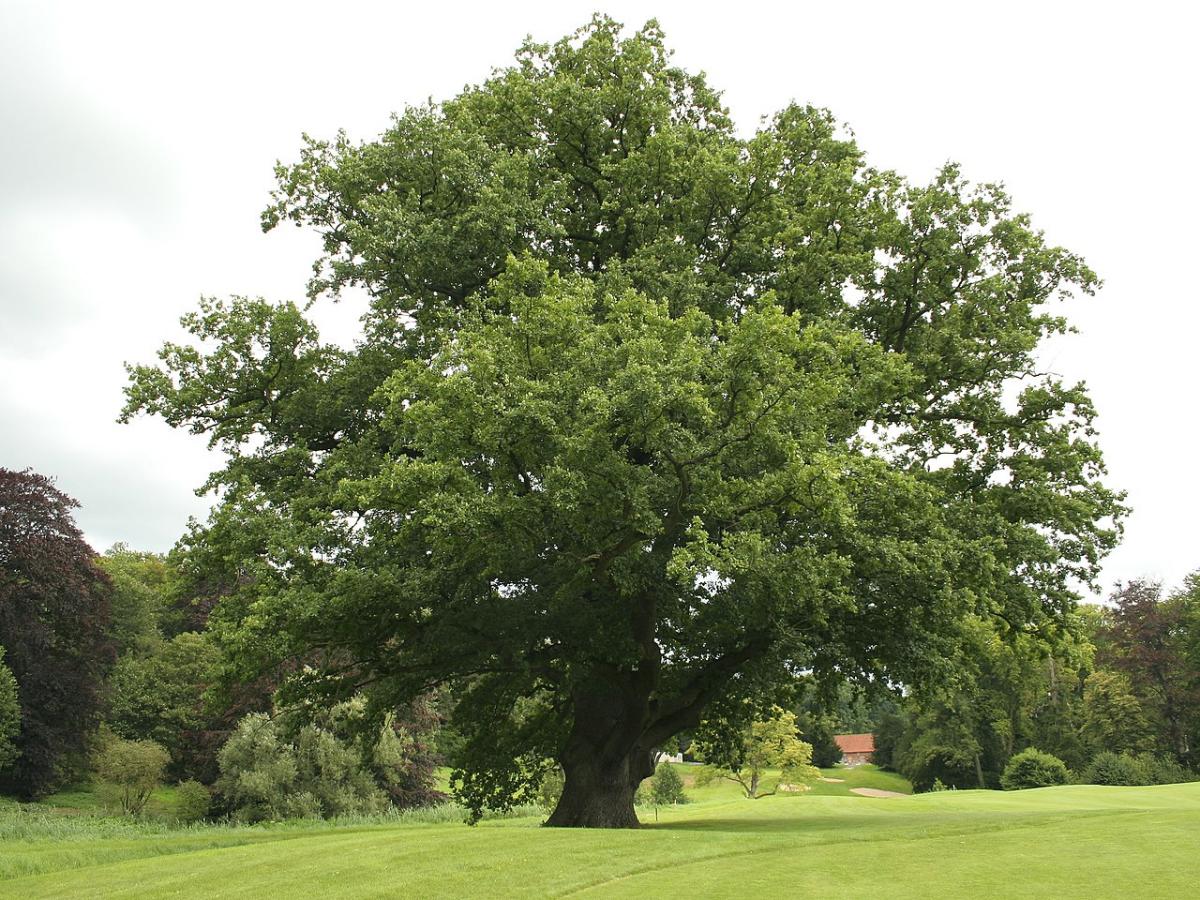
Image – Flickr/Jungle Rebel
Dicksonia is a tree fern native to the humid temperate rainforests of Australia. Reaches 15 meters in height, and develop leaves -called fronds- up to 3-4 meters long. These are green and hardy, although they die back over time.
East (fagus sylvatica)
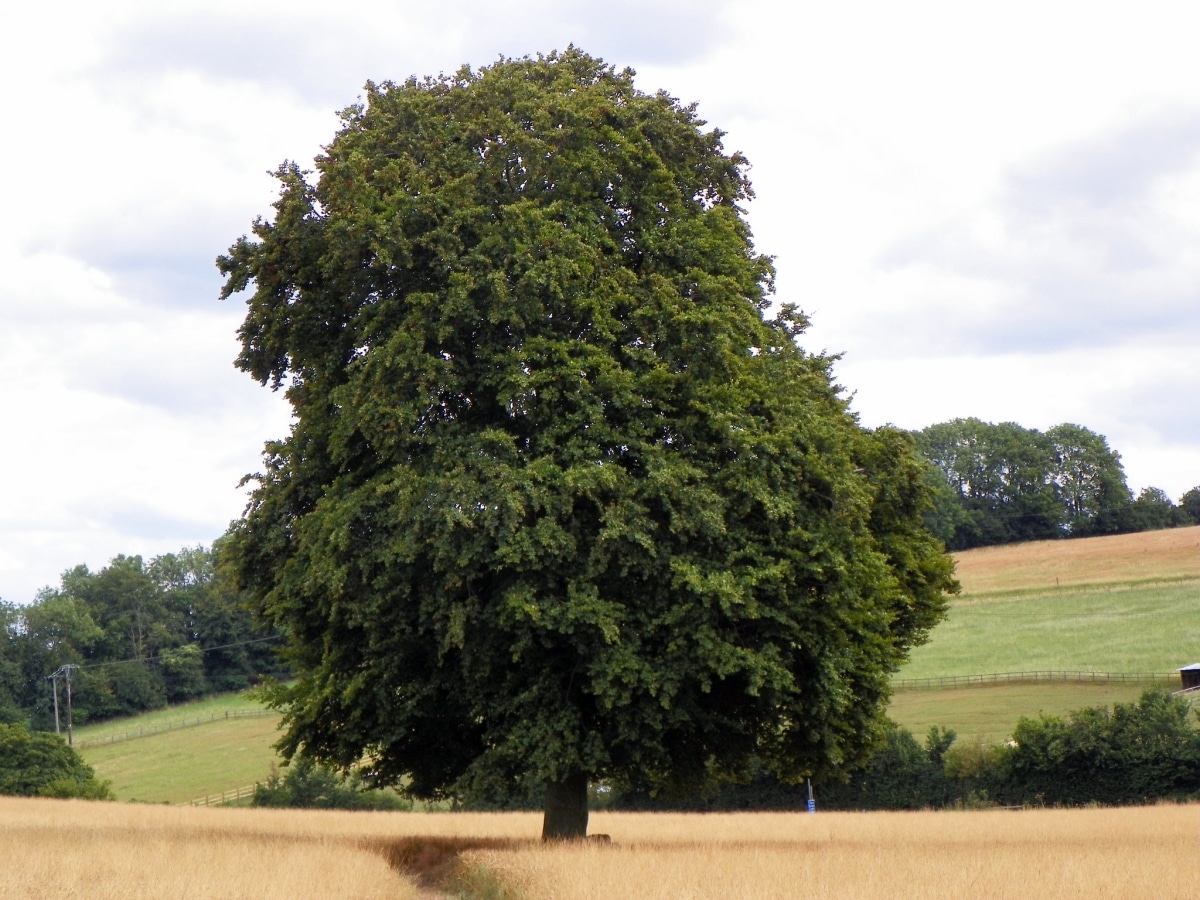
Image – Flickr/Peter O’Connor aka anemoneprojectors
Beech is a deciduous tree that grows forming forests called beech forests or beech forests in northern Iberia and other parts of Europe as well as southern England. Its growth is very slow, but can reach 30 meters in height or more. Moreover, it has a life expectancy of 250 years.
Oak (Quercus robur)
Image – Wikimedia/Jean-Pol GRANDMONT
Although there are many oak trees that live in places with an oceanic climate, we have listed the Quercus robur because it is one of the most common. It is found in the north of the Iberian Peninsula and in much of Europe and the United Kingdom. It reaches 40 meters in height and has green leaves that fall in winter. It generally shares its habitat with beeches.
Linden (Tilia)
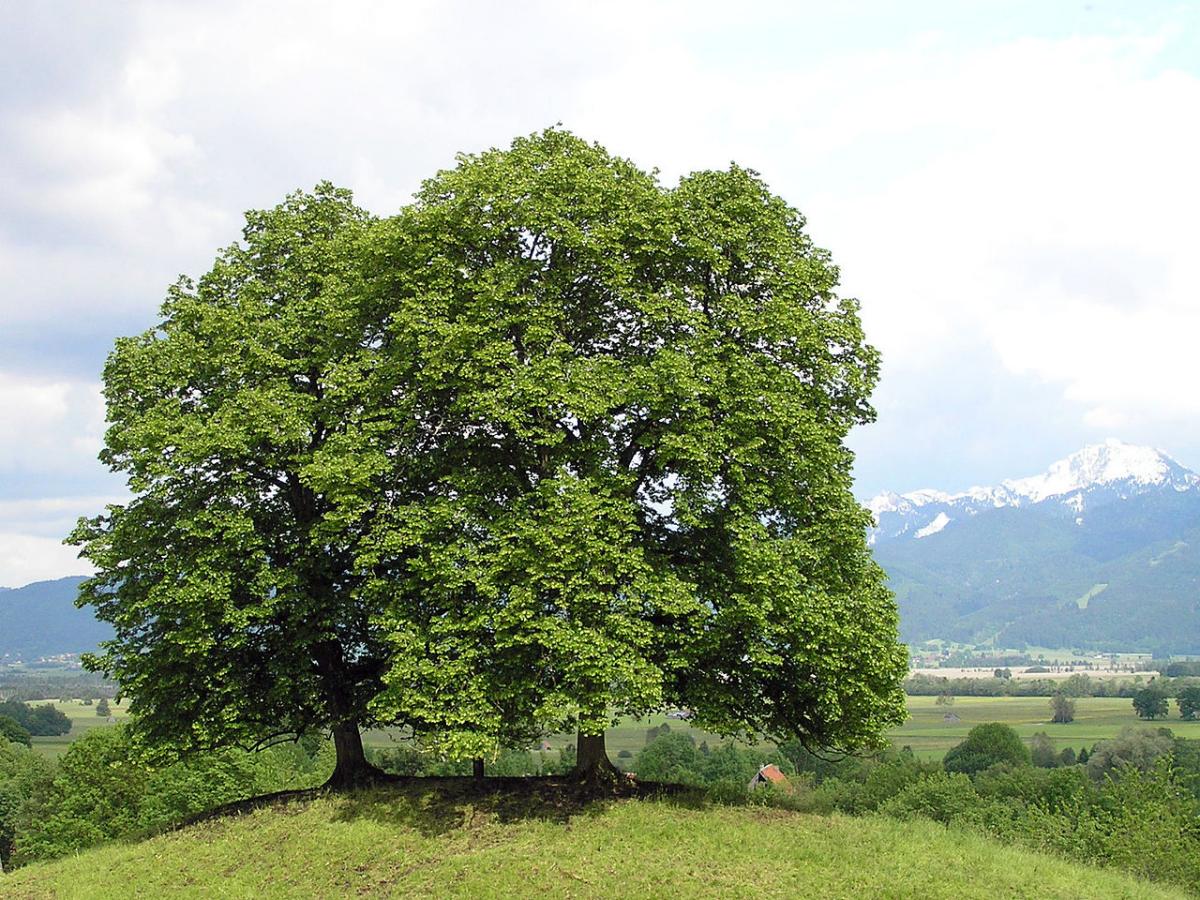
Image – Wikimedia/Waugsberg
Linden trees are deciduous trees typical of the northern hemisphere. They reach a maximum height of 40 meters, and can live for several centuries (some have reached 900 years). Its growth rate is slow.
The vegetation of the oceanic climate is very diverse.