
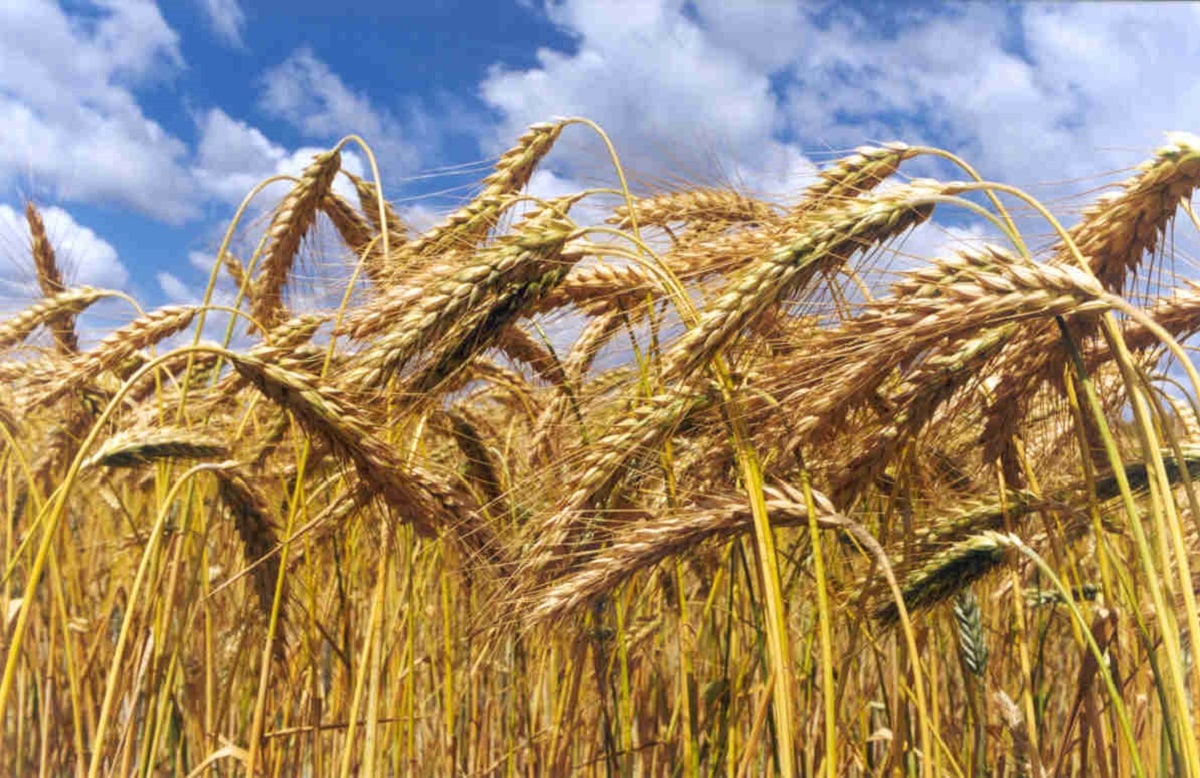
All that the cultivation of wheat offers is interesting because it is used to produce flour, pasta, etc., all foods frequently used in our kitchens. Wheat is yellow and, along with rice and corn, is one of the most widely grown cereals in the world. At present, it can be seen that the farmland is full of wheat, and according to some statistics, it is estimated that millions of tons are sown every year. However, many people wonder how wheat is harvested.
For this reason, we are going to dedicate this article to tell you what are the main steps to learn how wheat is harvested, the characteristics of its cultivation and its curiosities.
Main requirements

Wheat is a plant that prefers temperatures between 10 and 25°C, although it is not recommended, it can tolerate a minimum temperature of 3°C and maximum of 30 to 35°C. The best date to start sowing depends largely on the variety to be sown, since some varieties of wheat are sown in winter, while others are sown in spring.
Winter wheat plants are characterized by their growth in winter and their full cycle in summer. Variety characterized by a relative humidity requirement of between 50% and 60% relative humidity from the beginning of the ear until harvest, with a dry climate at maturity.
Spring varieties, on the other hand, do not require low temperature growth, which means they can be sown in the spring, but they are less nutritious than other varieties. Wheat is a crop that needs sun to grow and ideally you need 8 hours of sun per day, Whichever variety you choose.
Wheat does not require much irrigation, can grow as long as it receives 300 or 400 mm of rain, but should be rich in winter and spring. If you want to enjoy a good production, you should water two or three times a year, although a lot depends on the humidity of the soil. Usually the first abundant watering is carried out. Again, irrigation should be done during the rigging phase, which is when the appearance of the rod begins to be appreciated.
Later, during the heaving period, it is necessary to water the soil again, since the plants are fully active and quickly consume water. Ultimately, when the ears are ripe, a final watering should be done. You will notice this stage as the lower leaves will dry out while the rest of the plant and the top three leaves will turn green.
Preparing the land for growing wheat

The best soil to use is clay with sufficient lime content. If you are using soil with little organic matter, you will need to pre-fertilize or plant plants to use as green manure. In addition, the soil must be able to drain easily, be very deep and have a pH between 6.0 and 7.5.
The first step in growing wheat is preparing the soil. This is done by plowing the soil to a depth of 15 cm to remove weeds and plant stems that occupy the land. Then rake to level the ground and repeat the process again. The ground must be very even. If you are using winter crops, you should sow the seeds 7 weeks after soil preparation, which is a factor to consider when preparing the soil. Spring varieties, on the other hand, can be sown once the soil is ready.
In rich soils a formula of 4% nitrogen, 4% potassium and 12% phosphoric acid should be used. Similarly, manure, slag and phosphates can be used to fertilize land where wheat is grown.
How to sow wheat step by step
Planting wheat seeds begins with fertilizing the soil with a small amount of compost to improve soil quality before planting. Although you will notice that the soil is dark brown and moist, but not necessary, use compost, but it is advisable to consult a professional agronomist on the conditions of the soil used.
Furrows should be formed in the ground at a distance of 15-20 cm. Depending on the variety used, seeds should be sown at a depth of 3-6 cm. Although in very loose soil, it can be sown to a depth of 7.5 cm.
After the seeds are sown, they should be watered to allow moisture in the soil for the wheat to develop. If it hasn’t rained for more than a week, you should water your plants.
How wheat is harvested

Generally, six months after planting, the harvest can begin. You’ll know it’s the right time when the leaves are dry and the beans have a good consistency. Note that if the wheat stays too long in the field, it can be destroyed by wind and storms.
If you have a small farm, you can harvest with a sickle. On wider ground, use a header, a machine designed to mow horizontally. The stems are cut about 30 cm from the ground. Mechanical harvesting should be done in full sun and without dew, because combines work best in these conditions.
Then place the wheat plants in a dry, well-ventilated place where they will be hilled up to prevent them from getting lost and allow them to reach a certain degree of maturity after 10 to 15 days. Finally, he is threshed and his harvest is ready for the market.
some care
In addition to planting time and wheat growing season, weed growth can be caused by not doing the proper tillage. In many places certain herbicides should be used, especially if winter wheat is used. Otherwise, you need to control weeds early due to their rapid growth. For perennial weeds, you can use synthetic phytohormones.
Hopefully with this information you can learn more about how wheat is harvested and some of its key characteristics.