

Garlic is valued in the kitchen for its ability to add intense flavor to a variety of dishes. Garlic has a delicious pungent flavor and wonderful aroma, and it’s also very easy to grow. It’s also good to have your own supply of bulbs for winter storage. A question that arises from very common is when is garlic harvested.
For this reason, we are going to dedicate this article to telling you when garlic is harvested, its characteristics and its cultivation.
When do we harvest garlic?
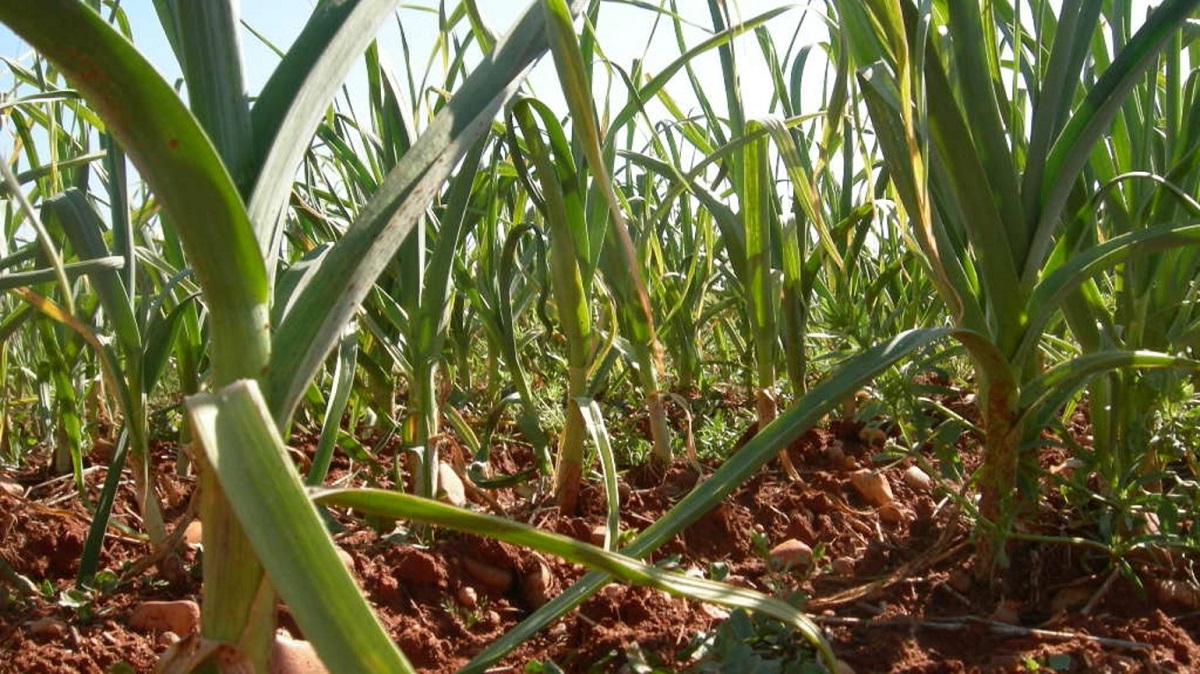
As they are underground bulbs, there can be some understandable confusion as to when the garlic is collected. We do not know when they reached their perfect maturity. If dug too early, the bulbs will be small, barely larger than a tooth.. But if you wait too long, the bulb may break in the ground. So how do you know when your garlic is ready to harvest?
The answer is in the leaves. To harvest your garlic crop at the best time, you need to become an expert at reading the leaves, as the correct ratio of brown to green leaves is the best way to predict when to pick ripe bulbs.
Garlic grows in warm climates and is usually harvested in early summer, depending on the region and variety grown. However, in areas with mild winters, harvesting may begin in mid-spring. The calendar gives general guidelines, but maturity depends more on location and weather conditions.
Variations in bud appearance in the spring and temperature and humidity levels in the summer play a role in garlic ripening, and harvest times can vary by one to two weeks each year. Additionally, the type of variety planted can affect harvest time, as some varieties take longer to mature than others.
How to learn to interpret the state of leaves
Knowing when to harvest garlic is as simple as watch the leaves die, first yellow then light brown. It is desirable to wait three to four weeks after removal of the pods, with brown and green leaves in a ratio of half and half, or two-thirds to one-third. But don’t let more than two-thirds of the leaves turn yellow and brown. In effect, each leaf is a potential layer of a layer of paper around the bulb.
It is only when the tunic is intact that the flavor and aroma are preserved. In addition, they resist pests and diseases, retain moisture and improve the storage capacity of the bulbs by extending their shelf life. However, as the leaves darken and die, so do the corresponding paper layers.
If all the leaves are dead, the tunic will be thin and ragged. This can cause the teeth to open up, exposing them to moisture loss, parasites, and a shorter lifespan.. Garlic is best harvested when the leaves have fallen and half to three quarters of the leaves have turned yellow. But again, the savvy grower starts before all the leaves die back.
How to Harvest Garlic

Water the plants deeply and evenly until most of the crop has matured, or when the lower leaves are half brown and the soft neck has fallen off.
When the plant approaches the right combination of green and brown leaves, stop watering for about a week before pulling out the bulbs. This starts the hardening process in the soil, which helps prevent rot. In addition, it is easier to lift the bulbs when the soil is dry and brittle than when it is heavy and wet.
To lift them, use a garden pitchfork or hand trowel to loosen the soil around and under the roots. Be careful not to damage the bulb or the tunic. Any nicks or cuts can negatively affect crop longevity.
After loosening the soil, gently hold each plant by the neck near the bulb and gently pull it out of the soil. If the bulb is solid, avoid pulling too hard on the leaves. Instead, run your fingers under the base of the bulb and lift firmly but carefully to loosen the roots.
Carefully remove the soil, but leave the paper dresses intact. Dirt adhering to the topcoat dries and is easily removed after curing. Cut the roots near the base of the bulb for drying and storage.
Do not wash the bulb. This can trap moisture in the fur, which can lead to fungal infection or rotting. Once dried, use the smaller ones for cooking, but save the larger and better ones for future garlic plantings.
ripening and storage
After harvest, garlic must be ripened for a period of time before being stored. Salting removes excess moisture and also helps the flavors stabilize and mature.
Some can keep for up to seven months if kept at temperatures a few degrees above freezing. But it needs a naturally cool place, in an unheated garage or shed, not a fridge because it’s too humid to store properly.
Freshly harvested bulbs can be used immediately, but their smell and taste can be strong.. Drying is a process that occurs immediately after harvest. The goal is to remove excess moisture to extend its life. During this time the flavor will also improve, blend and mellow.
To pickle garlic, place it on a tray or rack, leaving the leaves, roots, and stems intact so they can focus their energy into the drying bulb. Place the tray in a warm, dry place, out of direct sunlight and with good air circulation.
Rotate the bulbs once a day for three to six weeks, depending on the amount of moisture present in the plant tissues. Once all the green leaves are completely brown and the stem is no longer elastic, the bulb is considered hardened and ready for storage.
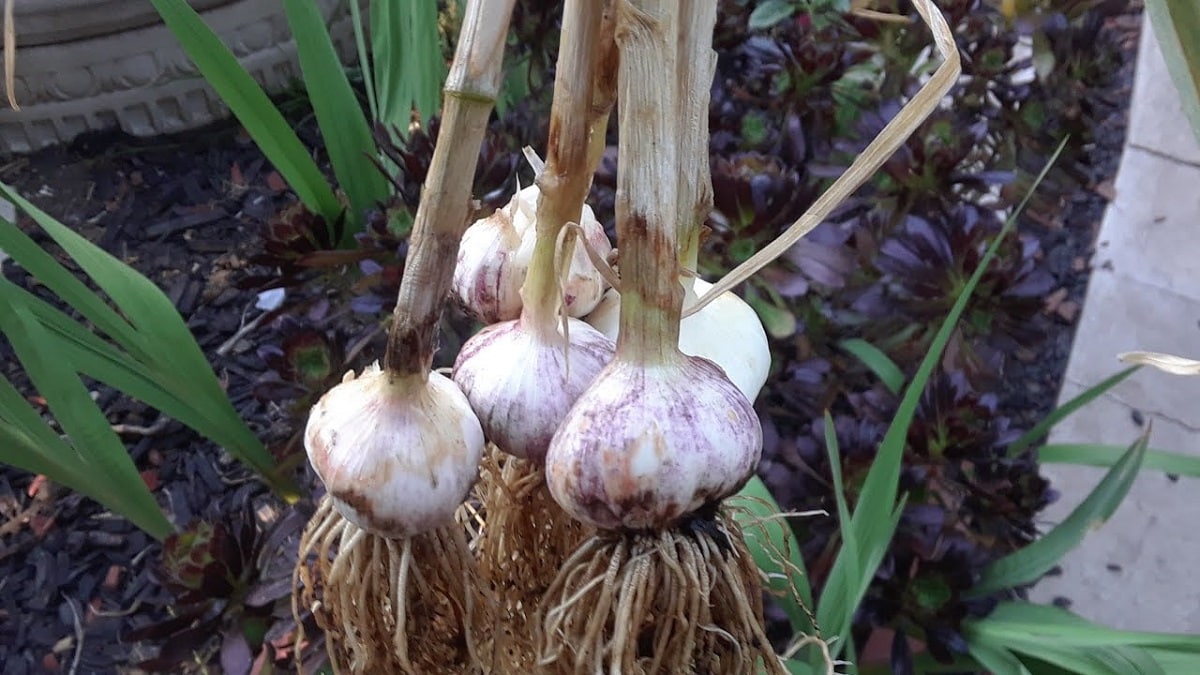
Another way to cure them is to hang them on a hanger or rope, you can make bunches or braids with several bulbs and hang them together, but be careful where they touch so fungus doesn’t form.
Hopefully with this information you can learn more about when garlic is recognized and how to grow it.