Ornela Garelli, a responsible consumption specialist with the organization Greenpeace Mexico, warned that the pollution generated by plastics disposable It affects more than 100,000 marine animals and causes the death of a million birds a year, in addition to harming human health as well.
What are disposable cutlery? Types of cutlery in plastic disposable The cutlery plastic offers many options: from the typical white forks, knives and spoons, to those in fluorinated colors, to metallic silver or gold. Cutlery high-end plastic. Cutlery cheap plastic.
How are plastic cutlery made? The resins most used in the manufacture of disposable utensils are polystyrene (PS) and polypropylene (PP), materials that I know They are combined with different additives and as they come into contact with food and saliva, they must comply with local regulations.
How do cutlery contaminate? – Air pollution Some people sometimes resort to burning plastic waste cutlery, which end up releasing many toxins into the atmosphere. These toxins mix with the same air that living organisms, plants and animals absorb.
What types of plastics are used for kitchen utensils? The best cooking tools are: glass, clay, iron, vitrified ceramic, polypropylene (as the only Plastic stable), silicone and wood. On the contrary, no I know use: Teflon-lined containers, non-anodized aluminum pans, copper pans and the plastics that are not polypropylene.
How much do plastic cutlery pollute? – Related issues
What type of polymer is a spoon?
#1 Polyethylene Terephthalate (PET)
What is the material of the disposable plates called?
The tray is a very practical utensil characteristic of the hospitality sector, such as restaurants, cafeterias and bars.
How long does it take for cutlery to decompose?
These utensils, whose use is widespread, they take up to hundreds of years degrade. The cutlery plastic 400 years old and glasses between 65 and 75 years old.
Which disposable products are prohibited?
East standard includes the following products disposable:
- Plates.
- Cups.
- Tapas.
- straws.
- Forks, spoons and knives.
- Mixing sticks.
- Food trays.
- Coffee capsules.
How to avoid PET?

Tips for reducing plastic consumption
- Do not use plastic water bottles. …
- Replace plastic straws with metal straws. …
- Do your shopping with reusable bags. …
- Avoid buying products wrapped in plastic. …
- Eliminate gum. …
- Choose products packaged with cardboard or glass.
What consequences does the presence of Microplastics in the environment have on human health?
May involve ingestion and/or inhalation of particles of microplastic and hundreds of toxic substances; The microplastics enter directly into the body Humanand generate a series of impacts about health (inflammation, genotoxicity, oxidative stress, apoptosis and necrosis), linked to results…
How dangerous are plastic utensils?
Scientific studies consider What they are responsible for the increase in certain types of cancer, obesity, diabetes, thyroid problems and childhood asthma.
What are the consequences of using disposable products?

Plastic in the environment breaks down into smaller and smaller pieces. What they attract and accumulate toxic substances. The presence of toxins in animal life, flora and nature reserves What end up being consumed by human beings, it’s more What obvious.
What causes stainless steel in the human body?
With regard to chromium, which is part of the stainless steelexcessive exposure to this metal can cause dermatitis, bronchial asthma and ulcers.
What are toxic plastics?

All the plastics they are toxicthe difference between one and the other is What the temperature is starting to be a problem for our health….It’s just your coding.
- Polyethylene terephthalate (PET). …
- High density polyethylene (HDPE) …
- Polyvinyl chloride (PVC) …
- Low density polyethylene (LDPE) …
- Polypropylene (PP)
What does the number 5 mean in plastics?
polypropylene (recycling number 5 / resin identification code 5) polypropylene (polypropylene) it’s a Plastic a little stiff, but less brittle than the others plastics. It can be translucent, opaque or a different color when it is made.
What is the best cutlery material?
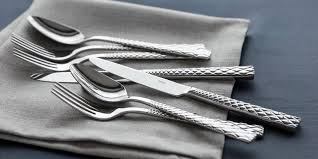
18/10 East chrome-nickel stainless steel Material is considered the better for The cutlery, since it is totally resistant to oxidation. With a percentage of 18% chromium and 10% nickel, these cutlery They meet all the requirements and the wear and tear of use in gastronomy.
What metal is used in cutlery?
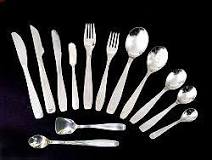
The materials most used in the production of western cutlery are stainless steel, silver (considered the material par excellence of cutlery), nickel silver and plastic.
What metals have cutlery?
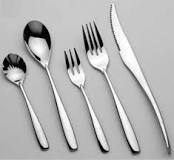
The cutlery they consist of forks, spoons and knives are made of steel, the main ingredient of which is iron with a strong mixture of two or more elements. During their manufacture, the iron structure facilitates bending. Atoms are arranged in planes that can easily slip if squeezed.
Which is better porcelain or glass?
Porcelain: it is fine and delicate, it is generally used for special occasions. Glass tempered: it is resistant and light, ideal for homes with children, as it resists shocks, chips and falls. Downside: it is sober, white and without decorative details. One or two colors: reflects a young and bold style.
What are the ecological dishes?
The plates biodegradable or ecological are part of a new generation of utensils used in the kitchen, who they are an excellent option to generate less waste and therefore toxic waste that damages the planet in the long term.
Who invented the disposable plate?
In the 19th century, we got our hands on the first disposable plates; their creator was Hermann Henschel in Luckenwalde, these were produced based on the need for medical studies, to find the most hygienic way to pack food.
What takes the longest to break down?
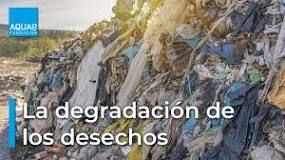
glass bottles are waste What more they take disappear, about 4,000 years, approximately. Glass is 100% recyclable, so we have to put it in the right container. batteries they take in degrade between 500 and 1000 years. Mercury What contain can contaminate up to 6,000 liters of water.
Which materials degrade the fastest?
1. Paper. East Materialbeing practically composed of cellulose, tends to break down more quickly.
How long does it take for a disposable plate to disintegrate?
Disposable it is used 20 minutes and difficult to degrade over 150 years.
What are plastic spoons?
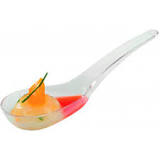
The plastic spoon They are made with high quality materials, hygienic and suitable for food use. The strength of the material What the spoons disposables have high durability and can be used repeatedly.
What type of plastic are disposable plates?
These disposable plastic plates are made from a material Plastic derived from polystyrene, known What expanded polystyrene (EPS).
How do disposable products pollute?
pollute soil and water. A large amount of microplastics has been demonstrated in the digestive systems of various species of marine animals. They clog waterways and intensify natural disasters. They clog sewer systems.
What are biodegradable utensils?
When a product or material is said to be biodegradable this means that it has the ability to naturally and environmentally decompose in a relatively short time. In this way, it does not pollute the environment or even turn into fertilizer for the land.