
Butterfly peas are incredibly popular right now. From gorgeous purple gins to butterfly pea smoothies, these stunning edible flowers are finding their rightful place in the vegetable patch.
Butterfly pea is native to India and Southeast Asia, but can be grown as an annual throughout North America.
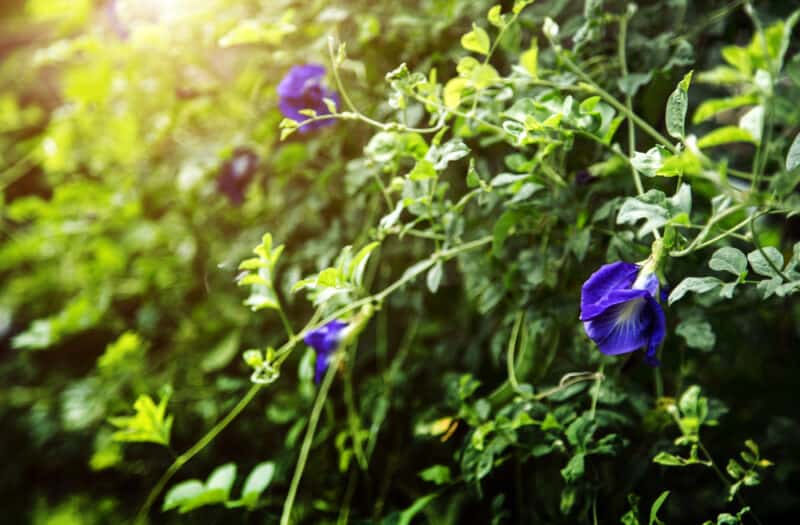
This exotic-looking creeping vine adds fairytale flavor to the average vegetable garden. Its brilliant blue-purple flowers look magical against their soft green leaves. Let’s learn all about growing butterfly peas.
Introduction to butterfly peas

Dull clitoris is a fast growing tropical legume that is an amazing member of the garden. Butterfly pea plants can reach six to ten feet tall and spread slightly over three feet wide.
After a few months of growth, butterfly pea plants explode into a multitude of beautiful flowers. Depending on the cultivar, these flowers can measure between one inch and three inches in diameter.
Full sun allows the plants to produce the most flowers, but butterfly peas can also thrive in full sun. Perennials in USDA growing zones 9-11, butterfly peas do best in temperatures above 60°F.
That said, they can grow as an annual in any climate where temperatures won’t drop below 60°F for at least four months of the year.
The flowers resemble a butterfly or (as indicated in the botanical name Clitoria) female genitalia. The flowers are odorless and slightly fragrant and bloom in the morning.
The flowers can be dried as a soothing, nervine tea or added to clear liqueurs to produce a gorgeous purple, floral drink. The purple liqueur turns bright pink when citrus or tonic water is added.
Popular Cultivars
Since butterfly peas became popular recently, many amazing cultivars are popping up in North America.
blue queen
This lush, flower-laden cultivar produces double, deep blue flowers. It can grow up to 6 feet tall – thick with cascading vines and richly colored flowers. Blue Queen is an ideal cultivar for gardeners who want to harvest lots of flowers.
lavender queen
Easier to grow in northern climates, Lavender Queen produces soft, lavender-colored flowers that lend a softer color to drinks and food. It is just as edible and medicinal as the brighter blue flowers, but with a calmer tone.
white queen
This pale flower is a pure, white version of the butterfly pea flower. Although it does not color anything, White Queen is beautiful and edible. The large, white, double-petalled blooms look beautiful on the vine and in your teacup.
Plant butterfly peas
While Dull clitoris grows quickly and easily, it has the reputation of being a capricious germinator. The seeds have a thick, waxy outer coating that can make germination difficult. When starting butterfly pea seeds, cut each seed once with a knife and soak the seeds in warm water for 24 hours before planting.
If you live in zones 8 through 11, you can start these seeds outdoors as soon as the soil is warm enough. In colder zones, start these seeds indoors. Seeds should germinate 3-6 days after planting. However, if the soil is cool, germination can take up to two weeks.
When starting indoors, use a heat mat to start the seeds. The butterfly pea is a tropical plant. It germinates best in warm weather. Soil temperatures between 80-86°F produce the best and most consistent germination.
When the seedlings are fully established and about 15cm tall, transplant them outdoors after hardening them off.
Do not attempt to move your butterfly pea plants outside until all danger of frost has passed and the soil is warm. Harden off the seedlings before transplanting by allowing them to spend the days outdoors and bringing them indoors at night.
Soil preparation
Whether you start seeds indoors or outdoors, butterfly peas appreciate well-prepared soil. They prefer rich, sandy soil with a neutral to slightly alkaline pH. But you don’t need to amend the soil with nutrients.
Like many legumes, butterfly peas improve the soil themselves. These peas draw nitrogen from the atmosphere and accumulate nutrients in the soil.
In fact, you can use butterfly peas as a cover crop, similar to clover, and rotate them in the garden to increase soil nutrients and improve the soil as a whole.
Grow butterfly peas

Before you plant or transplant your butterfly peas, give them the best chance of success by planting them in moist, well-drained soil. Mix a little into the soil if you have compost or manure.
Plant in full sun if possible. Butterfly peas can thrive in full sun and part sun as long as the soil is sunny and warm.
Spacing
Leave about 8 to 10 inches between butterfly pea plants. Although they can be left lying on the ground, butterfly peas do best with something to climb on.
Unlike many climbing plants, butterfly peas are not aggressive towards their neighbors. They will climb eagerly, but they rarely smother their neighbors. Combine this plant with basil, lemongrass or rosemary.
Water
When the butterfly peas are young and newly established, keep the soil moist. Do not overwater this plant. But water regularly to prevent the soil from drying out completely. When the plant is established in the garden, it is drought resistant, so only water when young or during arid weather.
Make sure the soil drains well and don’t overwater the plants. Butterfly peas can tolerate almost anything except waterlogged soil.
Growing season
Butterfly peas need about 90 days from germination to flowering. Once flowering begins, it is abundant and long lasting. Butterfly peas are perennial in their native region and can be grown as perennials in tropical and subtropical areas (zones 10-11). In cooler growing regions, your butterfly peas are a superb annual.
Common pests and diseases

Butterfly pea plants can suffer from mites and aphids. If you notice signs of mites or aphids on your plants, treat the leaves with neem oil once every two weeks until the pests are gone.
Overwatering can cause the roots of your butterfly pea plant to rot. Overwatering can also cause problems with caterpillars and grasshoppers, which will attack your plant for being weak and unhealthy.
Harvesting butterfly pea flowers and pods
Once the flowers bloom, they can be harvested for a day or two before they begin to wilt. Leave a few flowers on the vine if you want to save pea pods and seeds. Once the flowers are harvested, they are easy to dry on a sieve.
Let them sit in a dry place, away from the sun, until they are dry. It usually takes about one to two weeks. Then store them in an airtight jar.
Young pea pods are also edible. Pick the pods while they are small and tender, then cook them before eating them. They are most often cooked in curries or tempered and fried. The pods aren’t very tasty, however. They taste best when incorporated into savory dishes from India and Southeast Asia.
Butterfly pea flowers, like daylily flowers or squash flowers, can also be breaded and fried. Lemon juice can add nuance to the light, floral flavor of the flowers.

Medicinal Uses of Butterfly Pea
While butterfly pea flowers have been used for centuries in traditional Chinese and Ayurvedic medicines, they have only recently come to the attention of Western herbalists.
Butterfly pea flower is primarily used as a calming nervine herb, but it has also been linked to healthy blood sugar levels, weight loss, and skincare.
Because butterfly peas have a relaxing effect on the nerves, they can be used successfully to calm mental stress, as well as physical tension and tightness.
Butterfly pea flowers can lower blood sugar and help increase insulin sensitivity. While studies on how and why butterfly pea flower works to balance blood sugar are still in their infancy, they are very promising.
Drinking a cup of tea a day can slowly and steadily balance blood sugar and reduce your risk of developing diabetes.
In addition to helping your body maintain healthy blood sugar levels, butterfly pea flowers may help with weight loss, according to a recent study.
Sure, maintaining healthy blood sugar levels can help with weight loss, but butterfly pea flowers contain ternatin, which can also slow the formation of fat cells. So that daily cup of tea could be doing double duty in your body.
Butterfly pea flower in skin care has been shown to increase skin hydration levels by approximately 70%. In addition to hydration, butterfly pea flowers are rich in antioxidants. Serums and creams containing butterfly pea flowers are fantastic for mature or weather-damaged skin.
Side effects
Start using butterfly pea flowers slowly and cautiously. Some people report nausea, stomach pain, and diarrhea after consuming butterfly pea flowers. These problems may stem from an allergic reaction. They are not common; most people consume butterfly pea flowers and pods without any side effects.
Was this article helpful?
Yes No ×
We appreciate your helpful feedback!
Your response will be used to improve our content. The more feedback you give us, the better our pages will be.
Facebook pinterest