The laurel (Laurus nobilis) is native to the Mediterranean. The leaves of the plant, although not eaten, are added to soups, stews and sauces to add flavor and depth. Laurel is easy to care for and grows well both indoors and outdoors. In this article, we will focus on how to grow bay laurel indoors and all of its care.

Basic Information About Laurel
The laurel plant has several stems with large oval leaves. The evergreen foliage is dark green, glossy and leathery in texture.
The plant reaches a height of between 1.2 and 2 meters when grown indoors, it grows slowly, only a few centimeters per year.
In spring, it blooms in small yellow flowers. If the flowers are pollinated, they will develop into dark purple berries on the female plants.
How to Propagate Bay Laurel

Unlike many other herbs, bay leaves take a long time to grow from seed. It is recommended that you purchase a small plant from a local nursery or garden center, or if you have access to an existing tree, you can propagate a new tree using cuttings.
In spring or summer, cut a 15 cm stem from a soft green branch. Plant the cutting in a pot with a mixture of equal parts garden soil and sand.
Lightly cover the pot with plastic to retain moisture and place it in a warm place but out of direct sunlight.
Keep the soil moist at all times, but be careful not to over-soak it. In a month or two the roots will be established, you will notice new leaves starting to grow.
At this point, remove the plastic and transplant the cutting into a pot with normal soil and if you can add some compost.
Read also : How to propagate bay laurel by cuttings (stems) and its care
choice of pot

To help maintain the balance between adequate soil moisture and too little or too much, look for a container made of plastic or fiberglass instead of terracotta or ceramic. These will keep the soil moist longer.
Make sure there are drainage holes in the bottom or add your own to allow excess water to drain away.
The ideal pot size for growing laurel indoors is 20 litres, this will give the space needed for the roots to grow and the plant to reach a height of over 1 meter, but if you don’t want to have a very large laurel, you can use a 10 liter pot.
Laurel care inside
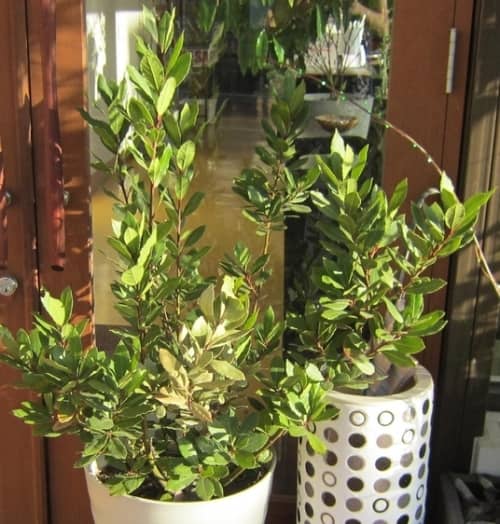
Light
The laurel prefers a sunny location, especially during the winter months when sunlight is limited. Adequate sunlight improves the flavor of the leaves.
To get the laurel’s lush foliage, be sure to place it in a sunny or partial shade spot. When growing Laurel indoors, it is best exposed to an oriented window that receives at least 6 hours of sunlight.
If you see signs of lack of light, you can supplement it with a grow light or even expose it to supplemental fluorescent lighting.
Irrigation
Plants like their growing medium to be slightly moist at all times without waterlogging.
Water regularly during the warmer months, being careful not to let the roots dry out completely. In summer, it is recommended to water every other day.
During the cold season, you can slightly reduce watering, allowing the top 5 centimeters of soil to dry out before watering again.
Remember to keep the soil moist, but don’t overwater it, as this can cause root rot.
Humidity
Due to its Mediterranean origin, laurel prefers high humidity levels. Humidity levels inside most homes tend to be very dry.
To combat this, periodically mist the plant when growing it indoors or place it in an area of the house with high humidity, such as the bathroom.
soil and compost
Provide your bay plant with well-drained soil. The type of soil is not important, as long as it does not retain excess water.
To provide your plant with nutrients, add an organic mulch to the surface of the soil or feed it with a slow-release fertilizer from spring through fall. Don’t feed her in the winter when growth slows.
Temperature
Average home temperatures are usually adequate. Avoid temperatures below 10°C, as well as cold drafts and heating vents.
Transplant
Every 2 or 3 years, move the plant to a larger pot if desired and renew the soil. Laurel plants tolerate somewhat tight roots, so they don’t need to be repotted every year, as is the case with other houseplants.
Cut

Bay laurel is slow growing, so regular pruning is not necessary, but it can be done. As with other plants, pruning will promote more vigorous growth and bushier trees.
When growing bay laurel indoors, it is important that the height of the plant is manageable. Keep the branches trimmed to look like a small tree, no more than 5 to 7 feet tall.
Common pests and diseases
In general, bay leaves have few disease or pest problems. Keep the soil from getting soggy to prevent root rot, and keep a close eye on the appearance of aphids and scale insects.
Treat infestations quickly to minimize long-term damage. If you do not have a product for this purpose, you can make a simple preparation with water and soap, put a teaspoon of liquid soap or detergent in a liter of water, mix and wet the whole affected area, repeat daily until you no longer see more parasites. .
harvest bay leaves
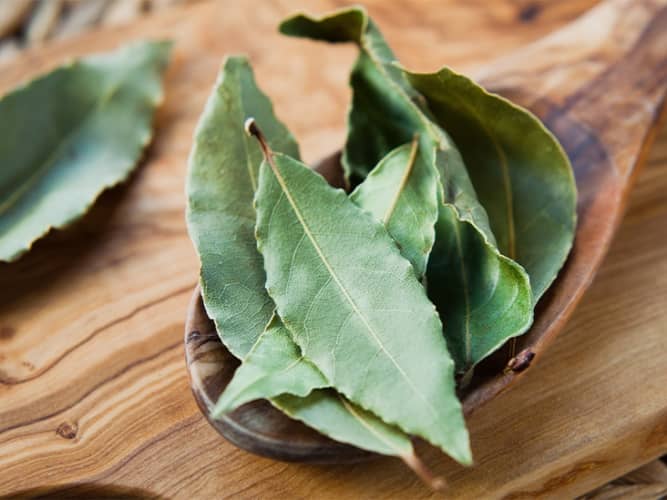
This is the biggest difference between a laurel plant and other “ordinary” herbs: wait to harvest the leaves until the tree is at least two years old. Then use sharp scissors to remove the foliage you want.
After harvest, place the fresh leaves on a paper-lined tray and allow them to dry for a few weeks in a warm, shady, dry room in your home.
Then, store the dried whole bay leaves in an airtight container or crush them for future use.
As you’ve seen, growing bay leaves indoors is easy and produces flavorful leaves that enhance many popular dishes.
Share it on the networks: