
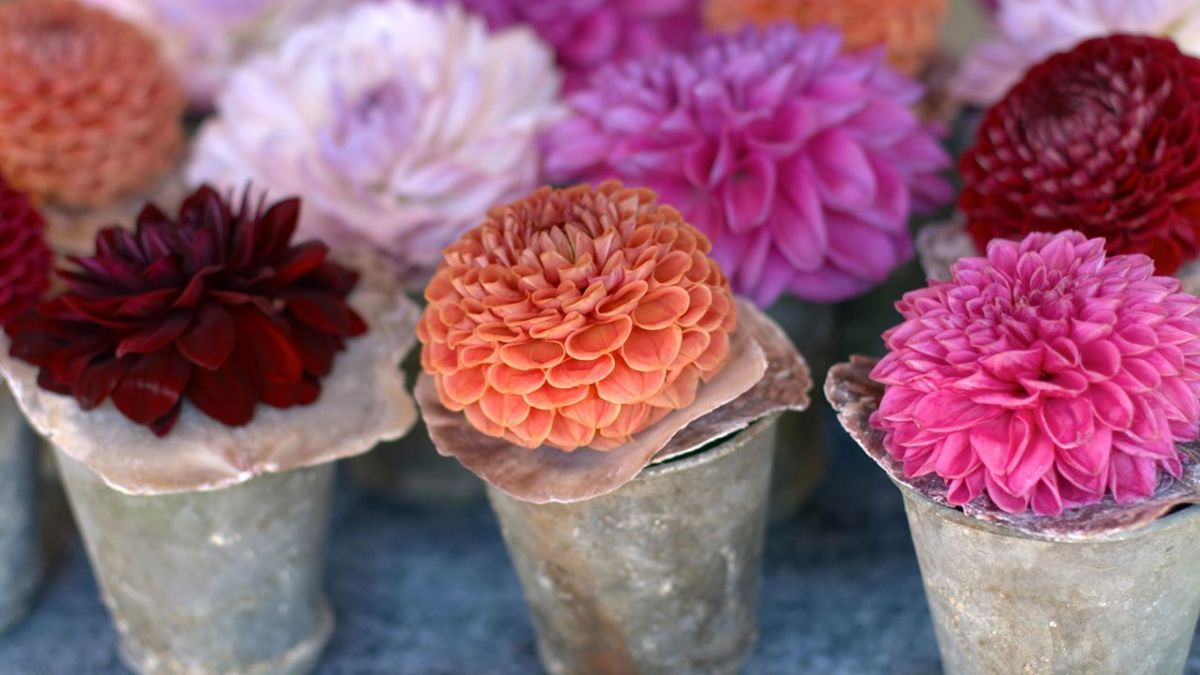
Dwarf dahlia image source: Hogarmania
One of the plants that undoubtedly brightens up any corner of a home is the dwarf dahlia. It does not take up much space and blooms for a fairly long season, which allows you to enjoy its flowers for a long time.
But how to take care of it so that it is always healthy? What should you pay attention to? Here we leave you a maintenance guide for the dwarf dahlia so that you do not have any problems with it. Keep reading and you will see.
dwarf dahlia care
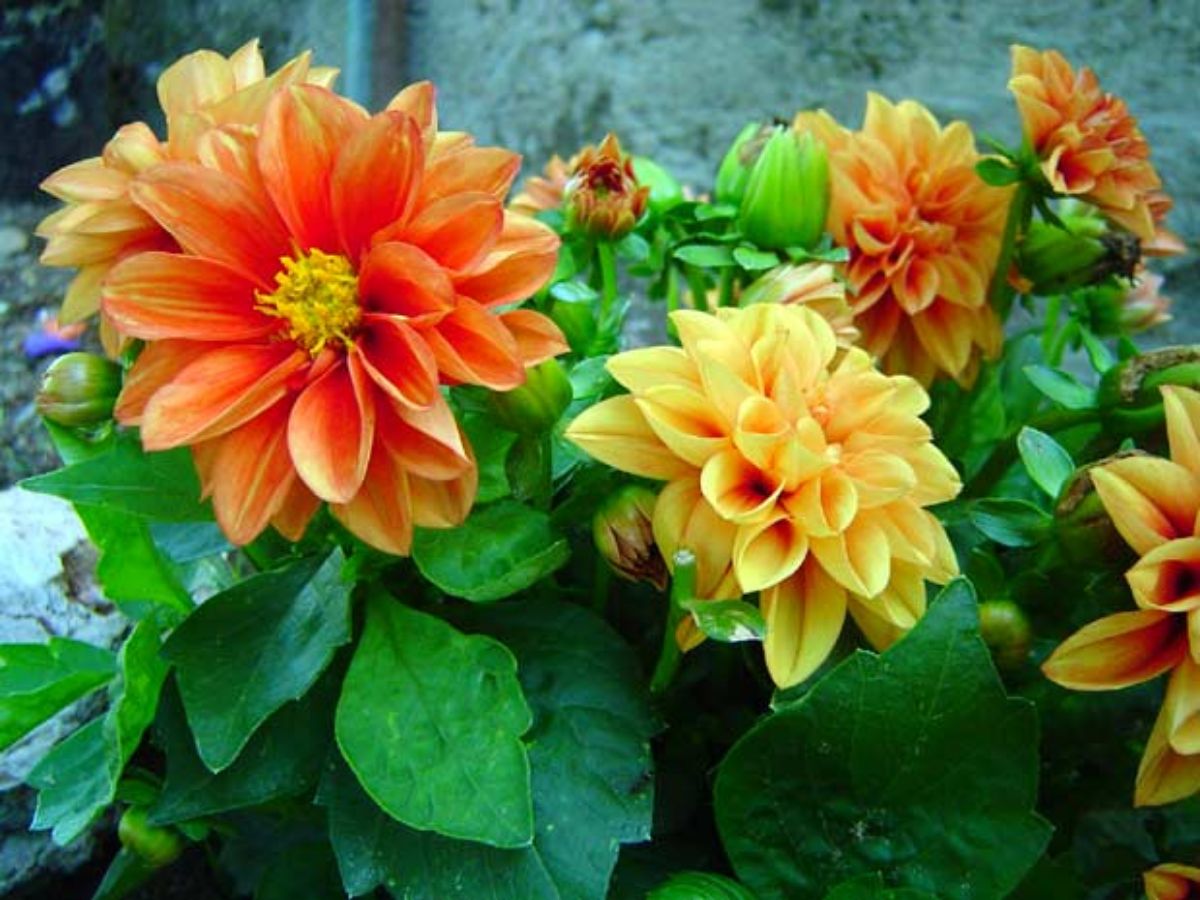
Source: Facebook Still Alive
Whether you received a dwarf dahlia as a gift, bought it yourself, or saw it and are thinking of buying it, here you will find a guide with everything this plant needs to satisfy. its needs.
Lightning
Generally, the best location for a dwarf dahlia is a place where it has enough light. It does not tolerate the sun very well, but if it reaches it in the morning or in the afternoon it is not bad, quite the contrary.
If you are going to put it outside, we recommend that you put it in partial shade so that the hours of intense sun do not affect it.
In case you want it indoors, it’s best to place it near a window so it gets plenty of light. If there is too much sun, you can place a curtain so that it acts as a filter and does not burn the leaves or damage the plant itself.
Temperature
The ideal temperature for a dwarf dahlia is between a minimum of 18 degrees and a maximum of 24°C.
The cold does not support it well at all, even less the frost. Therefore, it must be protected if you have it in the garden. As for the heat, it is better that it does not exceed this temperature, but it is able to tolerate it much better than the cold.
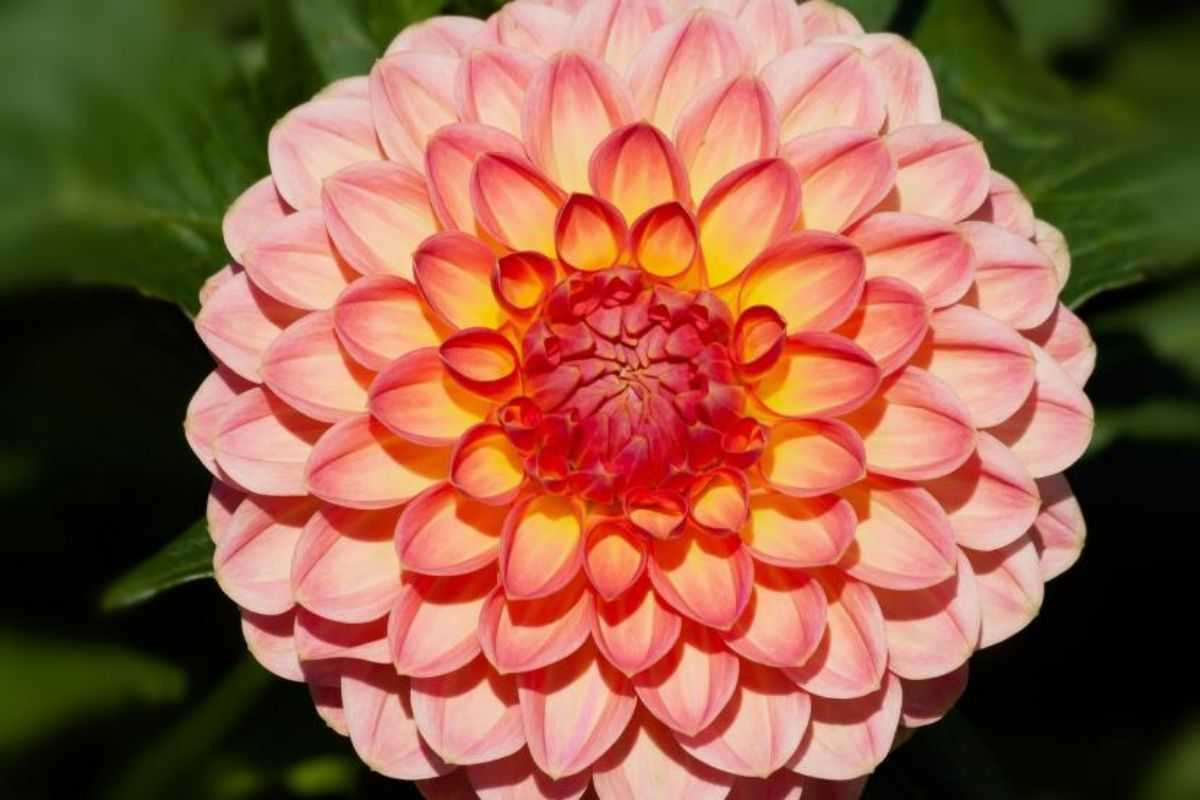
Source: Facebook Still Alive
Substrate
The soil for the dwarf dahlia should be very loose. You need to have a very nutrient-rich soil mix, like peat, mixed with drainage, like perlite.
This way, you will create a rich but non-caking soil. The roots of the plant will thank you.
And you must also take this into account because it is recommended to add substrate as the plant grows. You should always leave only 2 centimeters between the edge of the pot and the substrate.
If you see the roots starting to come out of the drainage holes, you will need to transplant them. It is better to give it enough space in the pot, so we do not recommend placing it in the one where it is very tight.
At some point you will need to include a stake to support the stem of the plant so that it does not break or bend under the weight of the leaves and flowers.
Irrigation
Dahlias need to be watered very often, as they need water. In general, you will need to water them two to three times a week in the summer. While in winter you can water it once or twice a week (or every two weeks if there is a lot of humidity).
Of course, when watering, it’s important not to splash the flowers or leaves because if you do, you could cause disease.
It is also not good to overdo it with watering, or let it remain stagnant, because you will only rot the roots (and in a short time they could die).
Along with irrigation, another important dwarf dahlia care is humidity. In its natural habitat, it has an ambient humidity of at least 75%. Therefore, wherever you have it, try to make it very humid. Not being able to add water to the leaves and flowers limits you a lot when it comes to spraying it, so the only way to give it more humidity might be to use a humidifier that maintains that value high.
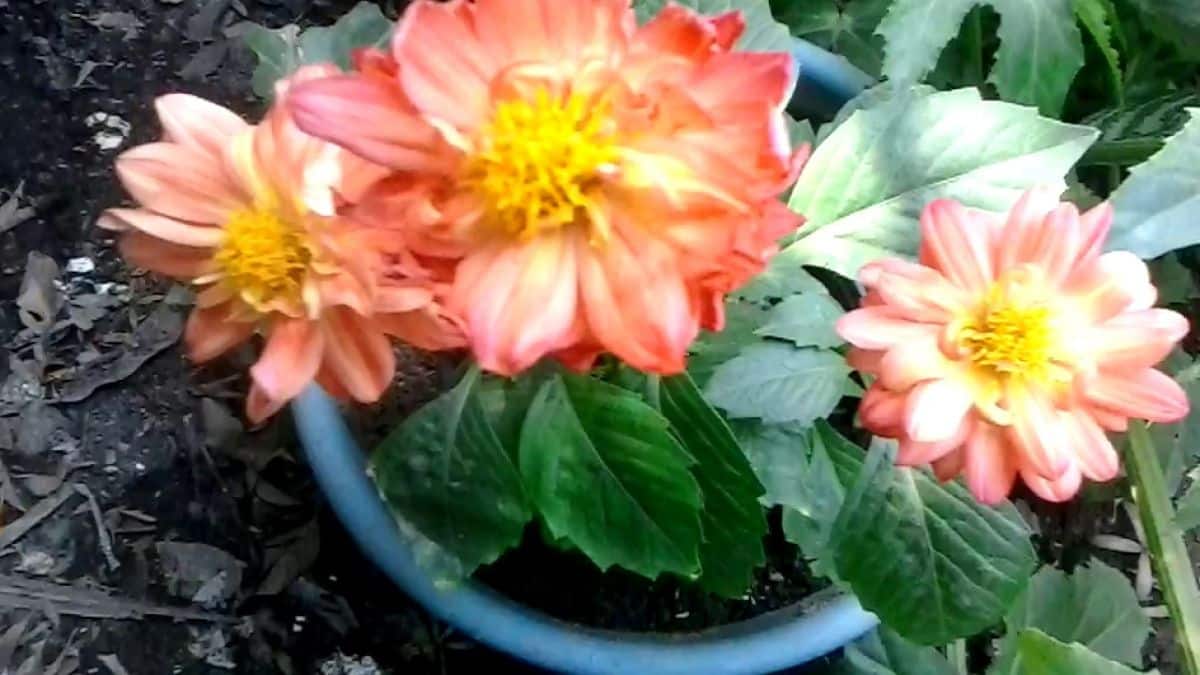
Source: Youtube Happy Garden The beautiful beauties of Mexico
Pass
The dwarf dahlia needs almost constant fertilizer. Apply it every 15 days, always with irrigation water. Why so much? Because the flowering of this plant consumes a lot of energy from the plant and also maintains it for a long time, this means that you have to replenish nutrients more often than with other plants.
During the winter, you don’t need to fertilize it, as it can go into hibernation, although if the weather is warm or hot, once a month or every two months wouldn’t be a bad idea, as maintenance. .
Size
Although dwarf, the dahlia will need a good pruning from time to time. In general, you should always focus on the parts that have withered to remove them from the plant as quickly as possible.
Besides making it ugly, it can be a source of disease or attract pests that you don’t want on your plant.
Plagues and diseases
Most dwarf dahlias, like dahlias, have problems when subjected to high temperatures, high or low humidity, and watering (under or over watering). One of the main diseases that can kill the plant is root rot, especially in summer.
Other issues you will face are:
- Powdery mildew, or powdery mildew, which appears at high temperatures and high humidity.
- Gray fungus, or brotite, which will appear on the flowers, causing them to rot.
- Mosaic disease.
- wither…
As far as pests go, red mites and spider mites are the most likely to attack dwarf dahlias. In severe cases, this could stunt its growth and drop its leaves and flowers.
the reproduction
Finally, we will tell you about the propagation of the dwarf dahlia. This can be done in two different ways:
On the one hand, thanks to seeds that can be harvested from the flowers and planted the following spring. Of course, they will take time to grow and flourish.
By division of the tubers. The best thing is that you do it when transplanting it, that is, when you remove almost all the soil it has to fill it with new substrate. If at this time you see new tubers, you can divide them and plant them separately. At first they will stop, but after a while they will activate and grow like their mother plant.
Keep in mind that dahlias grow from bulbs and the plant dries out in late fall. There are some that leave the bulb inside the pot and protect the soil from frost or cold temperatures so that it can reappear in the spring. However, others think it is best to remove it and store it in a dry, dark space to replant in the spring.
Both options are good, but you should know that it can only be done for a few years (it doesn’t last forever).
Do you have questions about caring for a dwarf dahlia?