
Some of the links in the post are affiliate links and I receive a commission for purchases made through some of the links in the post.
Looking for a guide to growing, caring for, and making natural fertilizer for your hydrangeas? Then you have come to the right place.
hydrangeas these are stunning flower bulbs that look absolutely stunning in your own garden or anywhere.
Their appearance makes them seem high-maintenance, but if you give them the proper care they need, you’ll be growing beautiful hydrangeas in no time!
Hydrangeas bloom in summer and spring and are considered shrubs. There are four types of hydrangeas:
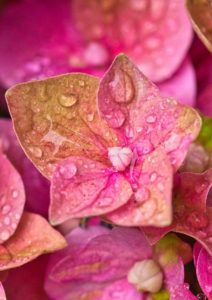
Bigleaf hydrangea: This type of hydrangea changes color depending on the pH of the soil. The large flowers typically grow in shades of pink, lavender, and blue.
Panic Hydrangea: It is a type of hydrangea tree and it is difficult to grow!
Oakleaf hydrangea: You should plant this type of hydrangea in the shade. Begins to bloom in mid to late spring.
Climbing hydrangea: This type of hydrangea is also shade-grown and blooms from late spring to mid-summer.
What do hydrangeas need?
 It would be best if you were careful when caring for hydrangeas. We have listed some simple steps you can follow if you want greener leaves.
Although these are simple and easy steps, you must follow them to have a healthier and fresher hydrangea.
- For greener leaves, give your hydrangea a boost of nitrogen. You can make nitrogen tea or use aquarium water.
- After planting your hydrangea, make sure that: Water them at the rate of 1 inch per week. If the soil is too dry, leaves may wilt and flower growth may also be affected.
- You do not need fertilizer if your soil is fertilized; However, be sure to give your hydrangea light fertilization during the blooming season.
- Try to cover your plants by at least 18 inches in winter. Since this plant blooms in summer and spring, covering it with maple leaves can smother it, so try using snow screens instead.
If you like this article, check out our article on Why are my hydrangea leaves curling?
How to make natural fertilizer for hydrangeas?
If you’re looking for ways to fertilize your hydrangeas naturally, read on as we’ve created a step-by-step guide to better understand how to make a natural fertilizer.
1) Flower growth
Hydrangeas need magnesium, iron and calcium to grow. Add a teaspoon of vinegar to a liter of water to stimulate flower growth.
You can also use animal manure underground as a fertilizer for better flower growth.
2) Better color
Slightly acidic soil is a good option for your hydrangeas to bloom with color.
If you’re looking for pink-tinged blooms, you can add a little wood ash to the soil to enhance the color of your hydrangeas.
3) Greener leaves
You can make nitrogen tea for greener leaves. To make this type of tea, grass clippings are steeped in a bucket filled with water.
Leave to stand for three days, strain and pour the liquid over it. domain of your hydrangea bush. This tea will definitely make your hydrangea leaves greener.
4) General health
Compost and manure are generally good nutrients for plants.
You can add compost tea by putting water in a bucket and let it steep for a few days and stir daily.
Then filter this water and pour it directly under your hydrangea.
Some other natural fertilizers you can make at home are listed below! Read on to learn more about how to keep your hydrangeas happy and healthy when they start to look sad!
sodium carbonate
give you water hydrangea with this baking soda Water them to keep them healthy!
- Mix a teaspoon of baking soda in a liter of water.
- Use this water to water the plants.
Since hydrangeas thrive in alkali, this trick will make your flowers look beautiful and help them grow!
peel the bananas
There are several ways to use banana peels in your garden. Banana peels are a good source of potassium which promotes flower growth and is good for growing hydrangeas.
Here’s how to use a banana peel for hydrangeas:
- Dry the banana peel for two to three days.
- Dry them until they are crispy.
- Now grind the banana peels and make sure the pieces are smaller than one centimeter.
- Sprinkle these shredded banana peels evenly over your hydrangea.
This will act as a slow fertilizer for the plant, slowly releasing nutrients into the soil.
Another way to use banana peels is to make compost. Here’s how:
- Cut the banana peels with scissors.
- The size should not exceed half an inch.
- Add green foliage from trees or shrubs to your garden and add it to the compost.
This way your hydrangea will grow better and stay healthy for a long time!
If you’ve grown your own bananas for your hydrangeas, read our article on: Why are my banana leaves turning yellow? you may be interested
coffee beans
 We all have coffee grounds in our kitchen after we finish making our coffee! It is best used as compost or used directly on your plants.
Coffee and plant lovers will love this hack! It’s best to sprinkle ground coffee grounds on your hydrangeas.
The carbon factors of ground coffee make it very beneficial for the growth of your plants.
You can also use a ground coffee based liquid dispenser. Here’s how:
- Take a handful of coffee and put it in a bucket of water.
- Let sit for a day or two.
- This creates a perfect liquid to feed your plants!
Coffee grounds also help keep these insects away from your precious plants. Sprinkle them around your plants to keep pests out of your plants.
How often should you fertilize your hydrangea?
Knowing how often to fertilize hydrangeas is essential. Manure burn can occur if hydrangeas are over-fertilized.
They should be fertilized with a fast-acting fertilizer between March and July. The first sign that you see too much fertilizer is burnt leaves. To prevent the hydrangea leaf from burning, see our article here.
Be sure to pour the hydrangea around the branches and not just at the base.
Proper watering is also essential for hydrangeas. But excessive watering can have negative effects on plants. We have an article on How Much Water Do Hydrangeas Need?
Harmful fertilizers for hydrangeas.
Fertilizing hydrangeas is essential for them, but some fertilizers can be harmful to your plant.
Be sure to use a fast-acting fertilizer several times a year. Usually between spring and early fall. It’s also not necessary to keep your hydrangeas fertilized all the time.
They can flower very well if you fertilize them a little less than you would. Yellow the leaves in the center mean that your plant now needs a quick fertilizer.
For blue and purple flowers, use a low sulfate fertilizer. Try to avoid using Epsom salt on your hydrangeas.
While some say it’s good for their plants, many people don’t recommend using it on their hydrangeas because it could be the culprit. wither.
It may not help your hydrangeas grow healthily, so it’s best not to use it!
General Hydrangea Tips
1) Plant your hydrangea at the correct width and length. Dig a hole a little deeper than the root ball, preferably 2-3 times wider than the root ball. Give them plenty of room to spread out!
2) Plant your hydrangeas where they receive direct morning and afternoon sun. Hydrangeas love the morning sun!
3) It would be better if you gave your hydrangeas good soil to grow! The hydrangeas are doing well Usually ISo be sure to mix some organic matter into your soil before planting the hydrangea.
4) Try not to crowd your hydrangeas. Hydrangeas love their space and may not thrive if given less space. Be sure to plant them at least 3 feet apart so they don’t damage each other.
5) Pruning is also a good way to prevent your hydrangea from blooming. Cut off old, damaged stems and let the flowers thin out for fall!
6) Try using natural repellents to ward off snails and insects. Try keeping a snail trap around your plant, or you can also place egg shells around your plant to keep it away from snails and insects.
When to plant your hydrangeas?
Although there is no simple answer to this question, it is best to plant your hydrangeas from April to September.
Planting at 80 degrees is too hot for hydrangeas and below 40 degrees is too cold for them.
It is therefore best to plant your hydrangeas when it is neither too hot nor too cold!
Final thoughts: How to make a natural fertilizer for hydrangeas?
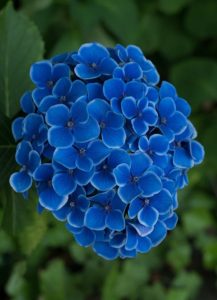 It was everyone’s favorite plant, hydrangeas! Hydrangeas certainly add to the beauty of your garden!
Even if you are not a gardening professional or just a beginner, you can start with hydrangeas as this plant is easy to care for and will look absolutely stunning in your garden, whether on the inside or outside!
A natural fertilizer will help your hydrangeas grow, but be sure to give them the right boost at the right time!
Lots of plants!
Before you go, here are some more related articles that I encourage you to read below to solve more of your gardening problems:
Common Problems With Potted Hydrangeas
How to landscape with hydrangeas
Why does my hydrangea have small flowers?
Hydrangeas versus lilacs
Hydrangea tree vs bush
Hydrangeas vs. Rhododendrons
Snowball shrub against hydrangea
Does a hydrangea attract bees?