
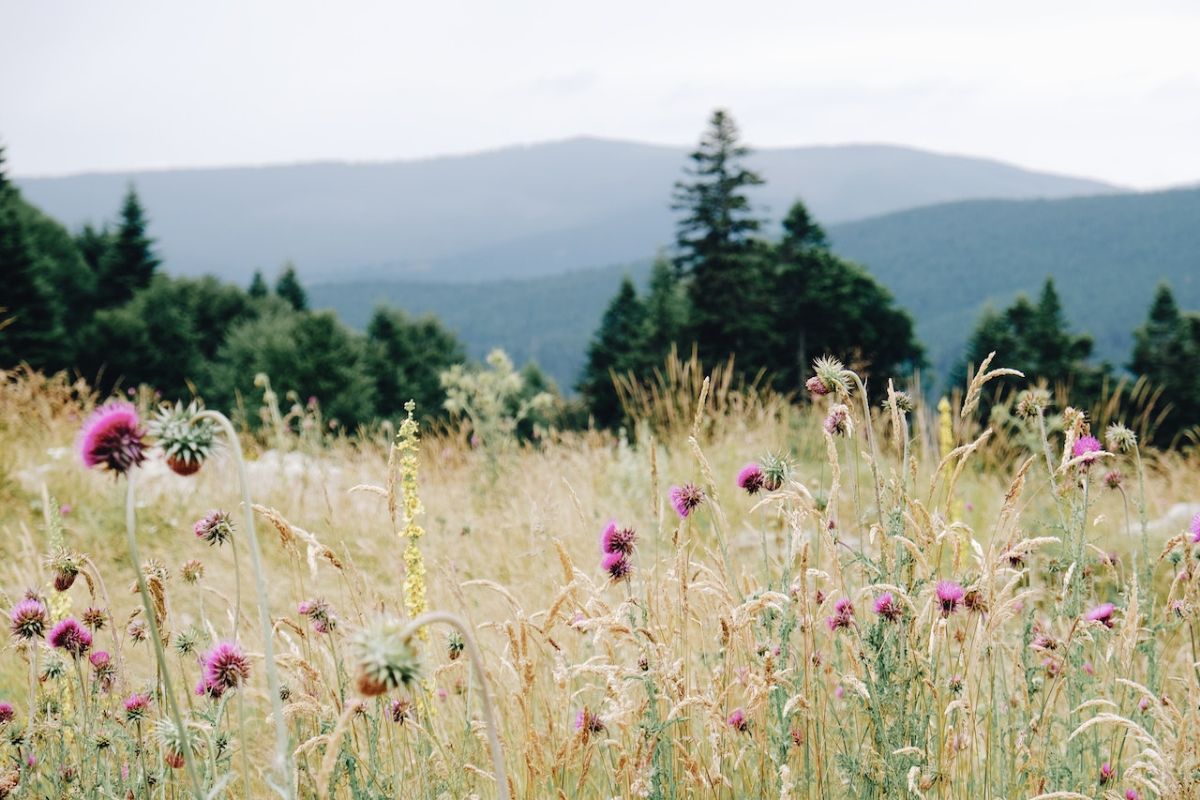
Within the plant kingdom, there are many families and plants that are classified into groups because they are similar. Some are better known than others, but sometimes you still need to look for more information about them, especially if they are related to an allergy. These are usually called grasses, but which plants are grasses?
If you’ve been diagnosed with an allergy, or have had it before and need to take a look at which plants you shouldn’t go near, take a look at what we have prepared for you.
What are grasses
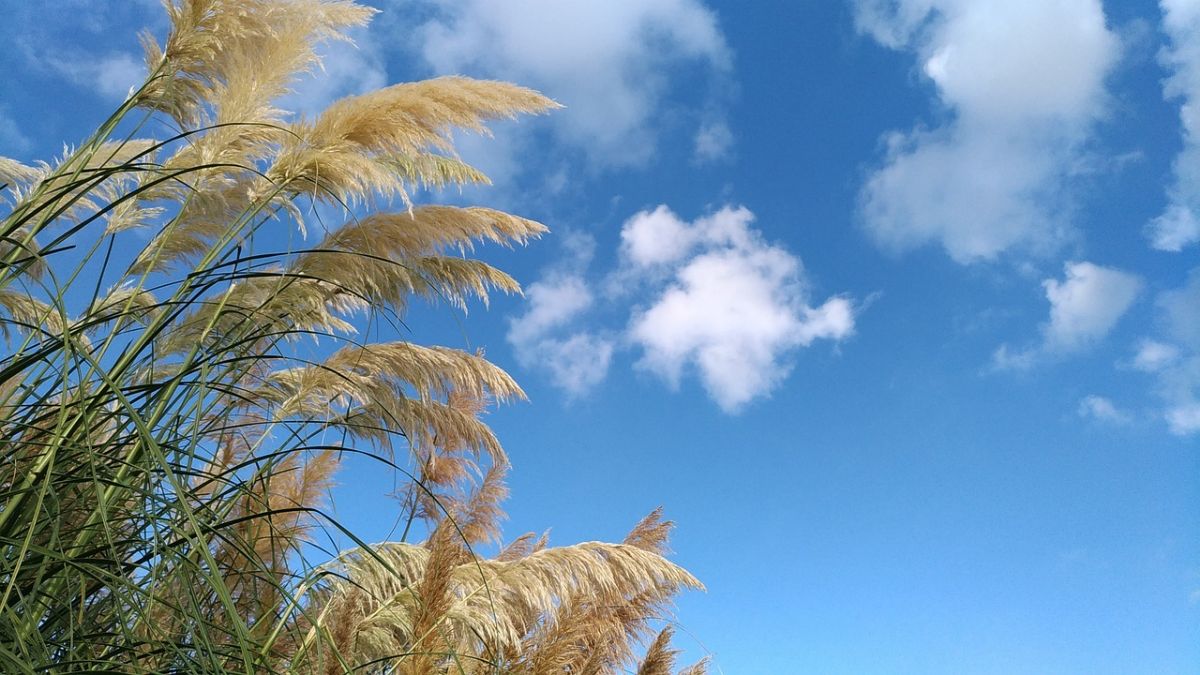
The first thing you need to know about grasses is that they are herbaceous plants in most cases. These have an annual or perennial cycle, that is, they can only live for a few months a year, or 12 months.
In total, there are about 12,000 different species, or 20% of the vegetation we have on earth.
Their scientific name is Poaceae, but they are not as widely known as grasses.
Visually, the vast majority of grasses are herbaceous, as we have told you, but some may be rhizomatous or even woody (although we already tell you that this is not usual).. The stems of these plants are called canes. (because they are cylindrical and hollow) and these can be aerial (either because they are floating, creeping or ascending) or underground (in the case of pseudobulbs or rhizomes).
Regarding the leaves, most have sheaths, blades and ligules. Sometimes these “leaves” are much more beautiful than the flowering the plant may have. And speaking of her, when it enters this phase it produces spikelets laden with flowers and these with pollen, which is why many people should stay away from them (due to the allergy they cause). In fact, in Spain it is one of the most allergenic.
types of grass
Now that you know which plants are grasses and what their characteristics are, Could you think that there are several types? Among its 12,000 species, there are surely many different classifications. However, we understand that there would be two major groups:
consuming herbs
It is these plants that are used for human food. That is to say, they are consumed in a person’s diet, such as flours, oils, cereals…
But also in this large group we could include the so-called fodder grasses, which are those used to feed birds and livestock with the purpose of feeding them, so that they grow and then cut them down to feed people.
So, one way or another, these plants reach the human being, therefore, many learn whether or not they are allergic by eating certain foods (and later with the relevant tests).
ornamental grasses
The second major group within these plants are the ornamental grasses. That is, those that are used in gardens and terraces to decorate them. The objective is that these, by their herbaceous habit, give a little movement, as well as different textures and atmospheres, to the whole garden.
In addition, not only do they have this utility, but the vast majority of grasses help give gardens a more natural touch and make their maintenance more sustainable and easier.
Of course, When using them, you need to be very careful in case the person living in the house is allergic to the pollen of these plants., since, if so, it would not be recommended to have it. But to give you an idea, one of the most ornamental (and also used) is the grass itself.
What plants are grasses
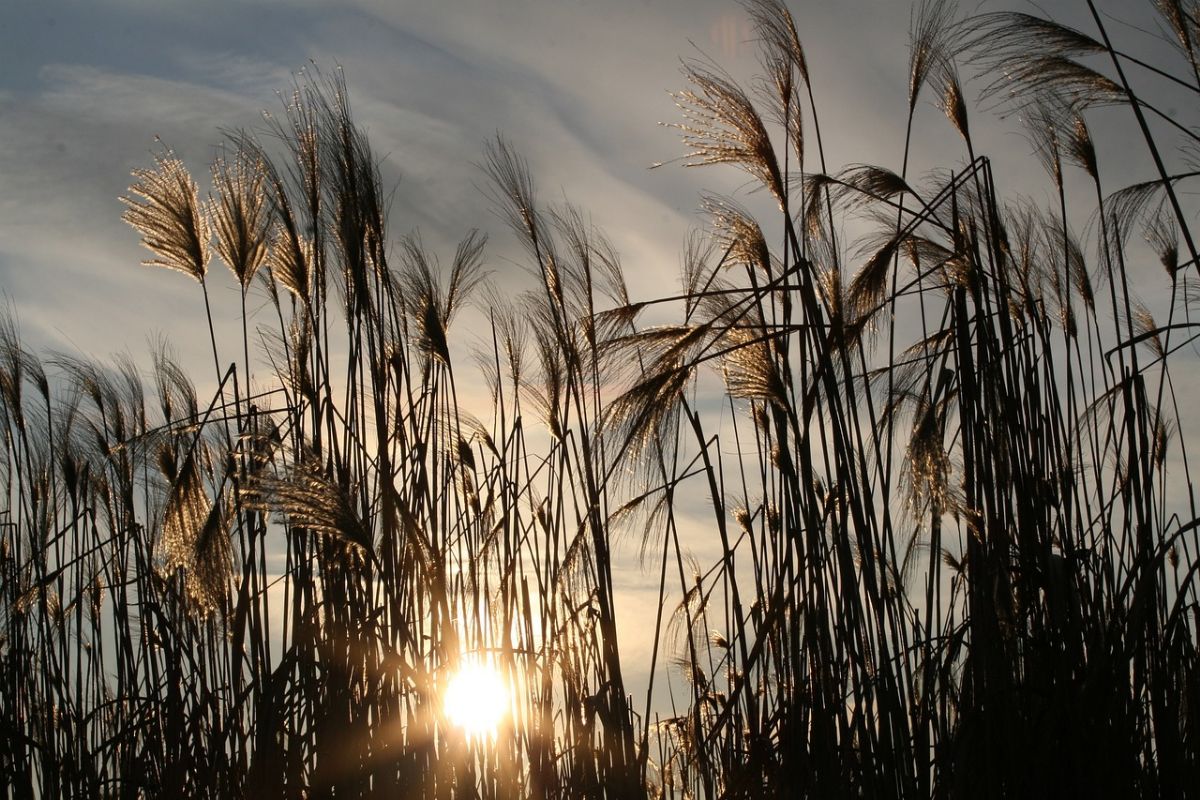
Finally, we would like to tell you about some of the plants that are grasses. And it is that it is common to know those intended for consumption (human or animal), but not so many other types of grasses such as ornamental grasses (which you might have in your garden).
muhlenbergia capillaris
This plant can reach a height and a width of one meter, with spikes that will bloom in autumn and give it a curious touch, since they emit very small pink flowers that will color the plant.
Imperata Cylindrical “Red Baron”
About the cylindrical imperata that we told you about on another occasion, a grass characterized by the fact that the tips of the “leaves” are red while the rest are green.
It doesn’t grow much, just about 45 centimeters, but it allows to have a curious soil thanks to the bicolor of its leaves.
Miscanthus sinensis zebrinus
Another of the plants that are ornamental grasses is this one, striking when you see it since its “leaves” are green and yellow, as if it were a zebra.
As for the flowers, they will appear on the ears in summer, and they will be white. (which will make the plant stand out more).
Cyperus papirus
This plant needs an aquatic environment to be able to develop properly. And it is that when it does, it can grow with a long stem from which the leaves will emerge in a curious way: in umbrellas, covering it completely and emerald green.
In its flowering season, the spikes will be brown.
cortaderia senoalla
Better known as Pampa Grass, Carrizo de la Pampa, is one of the most popular grasses. It grows up to one and a half meters high but the most beautiful are its spikeswhich will be feathery and that is why it attracts so much attention.
consuming herbs
As we don’t want to leave you without examples from this group, Here is a list of some of the most common:
- Rice.
- Groats.
- Bamboo.
- Barley.
- Sugar cane.
- Rye.
- Wheat.
- But.
- Dear.
It is not usual to plant them in the garden, but you can find fields growing these plants.
As you can see, there are many plants that are grasses. What you need to keep in mind is that many can become invasive if planted where they shouldn’t (or be banned). Did you know this family of plants?
Now that you know which plants are grasses and which can cause allergies, Would you dare to put ornamental plants in your garden?