

Among the most common deficiencies that we can observe when taking care of our plants, there is that of yellowed leaves. If we pay attention to this, over time we can observe how what used to be healthy green leaves turn pale and yellow. This deficiency that causes them to lose their color is usually due to a lack of iron (iron). One of the solutions that people find is to add chelates, and for this reason in this article we will talk about how to get homemade iron chelate.
While it’s possible to buy any industrial chelate at any garden store, knowing how to make it at home can still save the headaches. Homemade iron chelate is easy to get, just water, sulfur and traces of iron that we have, like nails or screws. In this article, you will learn how to develop it easily, as well as the importance of iron as an essential nutrient.
What is iron chelate?
A chelate is an organic molecule that surrounds and binds to a metal ion, protecting it and preventing its hydrolysis and precipitation. In the case of the iron chelate, the metal ion to which it adheres is iron. It is therefore a fertilizer which prevents and cures iron deficiency. It also treats the most common manifestations such as ferric chlorosis, which we will discuss below, both in horticultural crops, trees and ornamental plants.
What is iron chlorosis?
iron chlorosis manifests itself as a yellowish color which is progressively growing in the leaves and interveinal tissue of plants. If the plant is unable to absorb enough iron from the soil, metabolic imbalances begin to occur. One of them is the inability to synthesize chlorophyllwhich gives plants their green color, and is the main key pigment in the process of photosynthesis.
If the deficiency worsens and becomes widespread and long-lasting, the leaves will become increasingly yellowish and/or white. When the iron chlorosis is severe, accompanied by necrosis, dry leaves and finally leaf fall. To prevent this from happening, and if you may be experiencing this problem, making homemade iron chelate will address these nutritional deficiencies.

Image source – seipasa.com
How to produce homemade iron chelate?
A great natural and homemade way is to make your own homemade iron chelate, saving you from having to go to the store and spend money on something that can be made in the garden or at home. Depending on your needs, you will want to produce more or less. There are many ways to prepare them, but the most standard would be this. I list the steps.
- Container or drum. If you have a garden or similar, something with an extension, you will be interested in having more quantity than someone who has a few plants at home. For this, a canister or canister of about 30 or 40 liters will suffice.
- Faucet (optional). At the bottom of the container we can add a tap. If we want to irrigate specific areas with our homemade iron chelate, it is possible that filling one bottle will be enough for what we want to cover. Having a tap in the container will be a good option to dose the quantities we want.
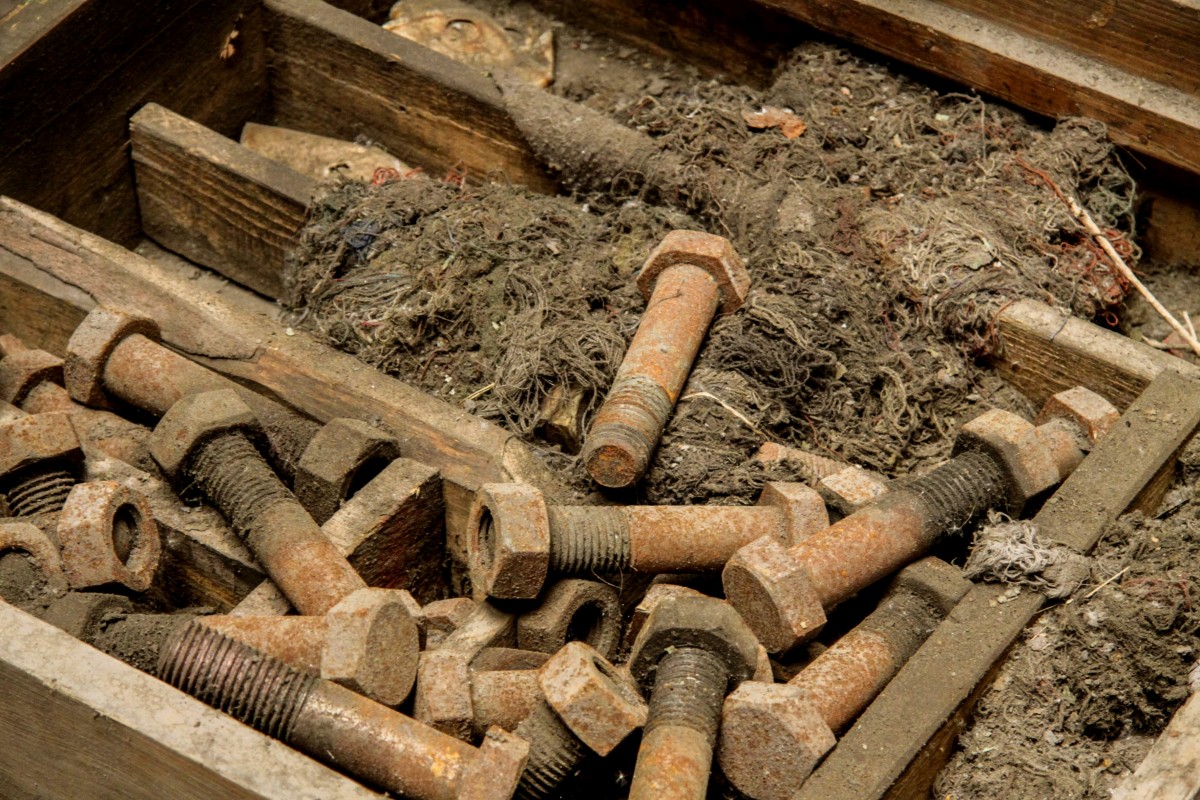
- Irons. Take the irons you want and let them into the container. Nails, screws or small debris are often used. The important thing is that the irons are pristine, that is, they have no paint, varnish, oil or anything else. Irons as is.
- Water. With the irons inside the container, we fill it with water. The process can take a long time, days. You will observe how little by little the iron will rust, giving this brown color to the water, and that the rust will corrode the iron. This brown and black color is normal. Well, that’s the process we’re looking for, that the iron oxidizes and mixes with the water.
- oxygenation. Iron is important that it is oxygenated. For this, if you have a small water pump that would be great. Otherwise, you can stir the water with a cane every day, this way the iron will be oxygenated.
- Sulfur. Inside the drum, two teaspoons of sulfur can be added. Sulfur plays an important role for the good development of the plant. Its function serves as both fertilizer and fertilizer, as well as fungicide and acaricide. To pour it, you can use a normal 1.5 liter plastic bottle and pour the sulfur inside with the iron water. After shaking and diluting it, it can be put back into the drum.

Related article:
Does Iron Oxide Help Plants?
Homemade iron chelate is not only used to eliminate iron chlorosis, it can also be used to prepare the soil for later planting. For example, when you want to prepare it for sowing in the spring. While we are removing it, it can be “watered” a little with iron chelate so that the soil gradually absorbs the nutrients. Hope this helped you!