
Adding plants to your kitchen is an easy way to infuse your space with personality. Plus, a bright and colorful kitchen makes dinner prep more fun and less of a chore. If you’re looking for kitchen plants, these houseplants are a good place to start. Discover 12 kitchen plants that grow easily and require little maintenance.
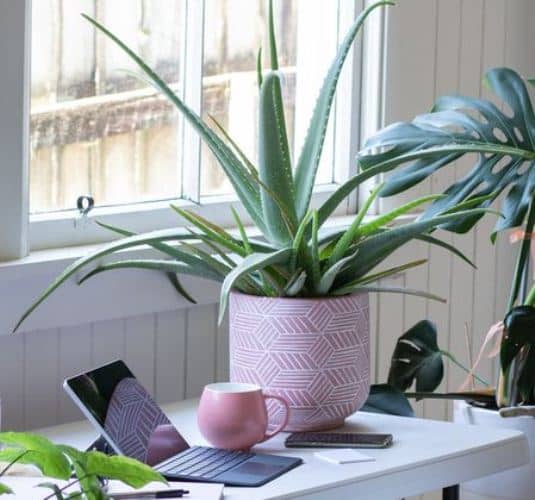
Aloe is not just a kitchen herb, but its healing properties are ideal for when you accidentally burn yourself while cooking dinner. Just break off a stem and use the gel to heal yourself.
The compounds contained in the leaves have anti-inflammatory properties which accelerate the healing of skin tissue.
Aloe vera likes bright light, so you will need a window for this plant. Let it dry out between waterings, as it does not like to be soaked.
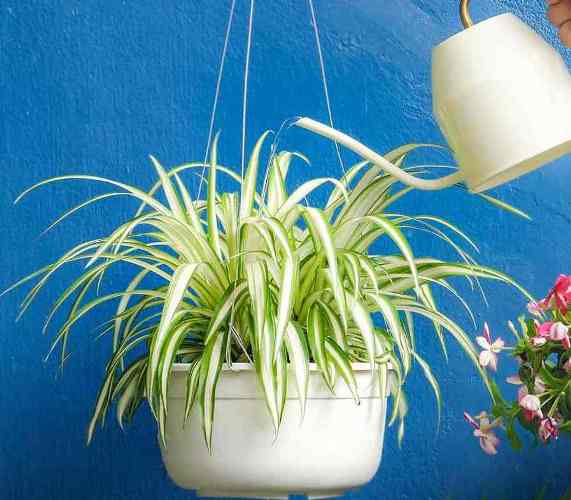
A low maintenance old favorite, Cinta does best in hanging containers.
The pretty seedlings that form on long arching stems can be cut and planted out to make new plants.
Keep it moist in spring and summer, but let it dry out between waterings in fall and winter.
They thrive in bright light, but also in low light conditions, so no matter what your kitchen looks like (even different humidity and temperature levels!), these plants will thrive. Hang them or place them above kitchen cabinets to save valuable counter space.

Also called tillandsia, the air plant is an epiphyte, meaning it grows without soil and in lots of light.
It’s honestly the closest thing to a maintenance-free plant, so it’s a good choice if you’re a novice and want an easy kitchen plant.
Hang these little ones in terrariums or other holders anywhere you want to add some style to your kitchen, and you can rest easy knowing they’re a snap to maintain. You can even put them on magnets on your fridge!
It is usually sold in hanging pots, glass globes, or mounted on a piece of wood. Water it by sprinkling it occasionally or rinsing it once a week, then let it dry.

Ivy is another great vine option if you’re looking for a bold look or a plant that can live above kitchen cabinets and is also easy to maintain.
They grow well in humid environments, but a bright kitchen with a good amount of natural light is best, bright to medium light is fine, but low light? Not that much.
It has cascading stems with rounded leaves, making it a pretty choice for large pots or hanging baskets.
It is not a demanding plant, and there is also a variegated one. It prefers moderately light and slightly moist soils.
5. Aromatic herbs

It goes without saying that fresh herbs are a counter staple. But some herbs do better in lower light levels than others.
If you have a sunny window, small pots of basil, rosemary and oregano will thrive easily. But if your cooking is on the dark side, stick with less demanding herbs like parsley, mint, and chives, unless you’re providing extra light.
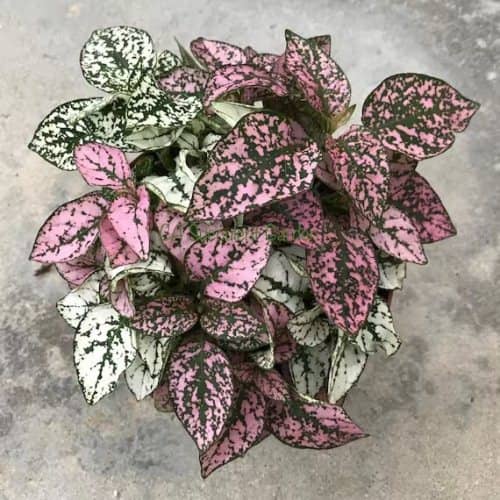
Need a touch of adorable polka dots to put a smile on your face? With its bright pink or red speckled leaves, it makes a lovely addition to kitchen windowsills.
Not a long-lived plant and only lasting about two years at its best, but cheap to replace, this plant makes a dream kitchen ornament. Does best in partial shade to indirect full sun.
Prevent the soil from drying out, as these plants prefer a little moisture at all times. They also like humid conditions, which you can achieve by misting them.
7. Peace lily or Moses’ cradle – spathiphyllum
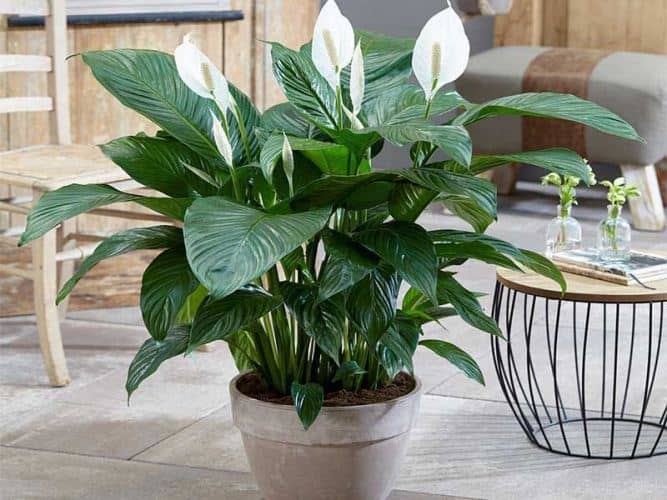
The peace lily has glossy green leaves and spoon-shaped white flowers. Tolerant of low light, but only blooms in bright light. In general, it is a careless plant that you (almost) cannot kill, as long as you keep the soil slightly moist.
Peace lilies are not only a beautiful addition to any kitchen, they are also great for purifying the air around you.
They like high humidity and can tolerate short periods underwater. It’s best to keep them in a sunny window, so they’re in a bright, well-lit spot, but they can avoid direct midday and afternoon sunlight, especially in the summer.

The ZZ plant tolerates low to bright light (but not direct sunlight) as well as any level of humidity.
In addition, it is a plant that prefers less water, staying on the drier side. So no matter what your kitchen environment is or how often you forget to water your plants, one of these will do just fine.
The ZZ plant has spectacular upright waxy leaves that tolerate the darkest corners. Water only when the top centimeters of soil are dry; stick your finger to check it.
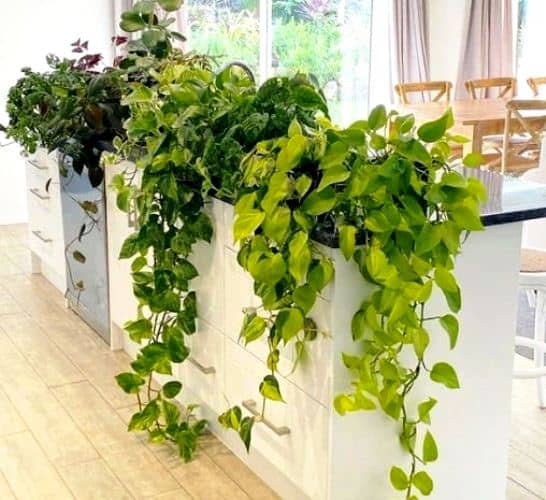
If you want a virtually unkillable vine to add some drama to your kitchen, the ever-reliable pothos is your best bet.
It can handle varying levels of light and humidity, but likes moderate light and is also good for low light.
Let it dry out between waterings, you don’t need to overwater it, it will tell you when it is neglected or overwatered and will recover as soon as you take care of it.
This climbing plant with glossy green leaves is a good choice for the kitchen because it works in hanging baskets, without taking up valuable counter space.
10. Sansevieria or Saint George’s Sword – Dracaena trifasciata

Always a classic, Sword of Saint George plants are another great plant for the kitchen, whether you have counter space to spare or want a taller ground plant to liven things up.
These plants love bright light but can tolerate low light, and since they don’t require frequent watering, they’re also easy to care for.

Of course, a succulent could not be missing, in fact most of these species grow well in a bright kitchen, but in this case we will talk about the everlasting succulent,
Looking for a plant that will tolerate almost any indoor condition? Immortelle is a good option for cooking.
It has green leaves with a silver sheen. This low-maintenance plant can thrive in a wide range of light settings and watering frequencies, you can’t go wrong!
It doesn’t mind low light, but keep the floor moist (not wet) at all times.

Venus flytraps are carnivorous plants that, as their name suggests, attract flies (and other insects) and eat them.
A Venus Flytrap plant won’t completely rid your kitchen of pests, but it can certainly help.
Grow it in full sun if possible, but it will also tolerate indirect light. Water it every two or three days in summer and in winter once a week is enough.
Share it on the networks: