

Sansevieria, also known as mother-in-law’s tongue, is one of the easiest plants to care for. But that doesn’t mean you can’t have problems. In fact, you may find a sansevieria with excess water that will eventually cause it to rot.
Do you want to know your sansevieria? Know if you have excess water that can make you sick? Then you have come to the right place because we are going to tell you about this problem which, in the case of sansevieria, can end the life of your plant if you do not remedy it. We help you?
How often is sansevieria watered
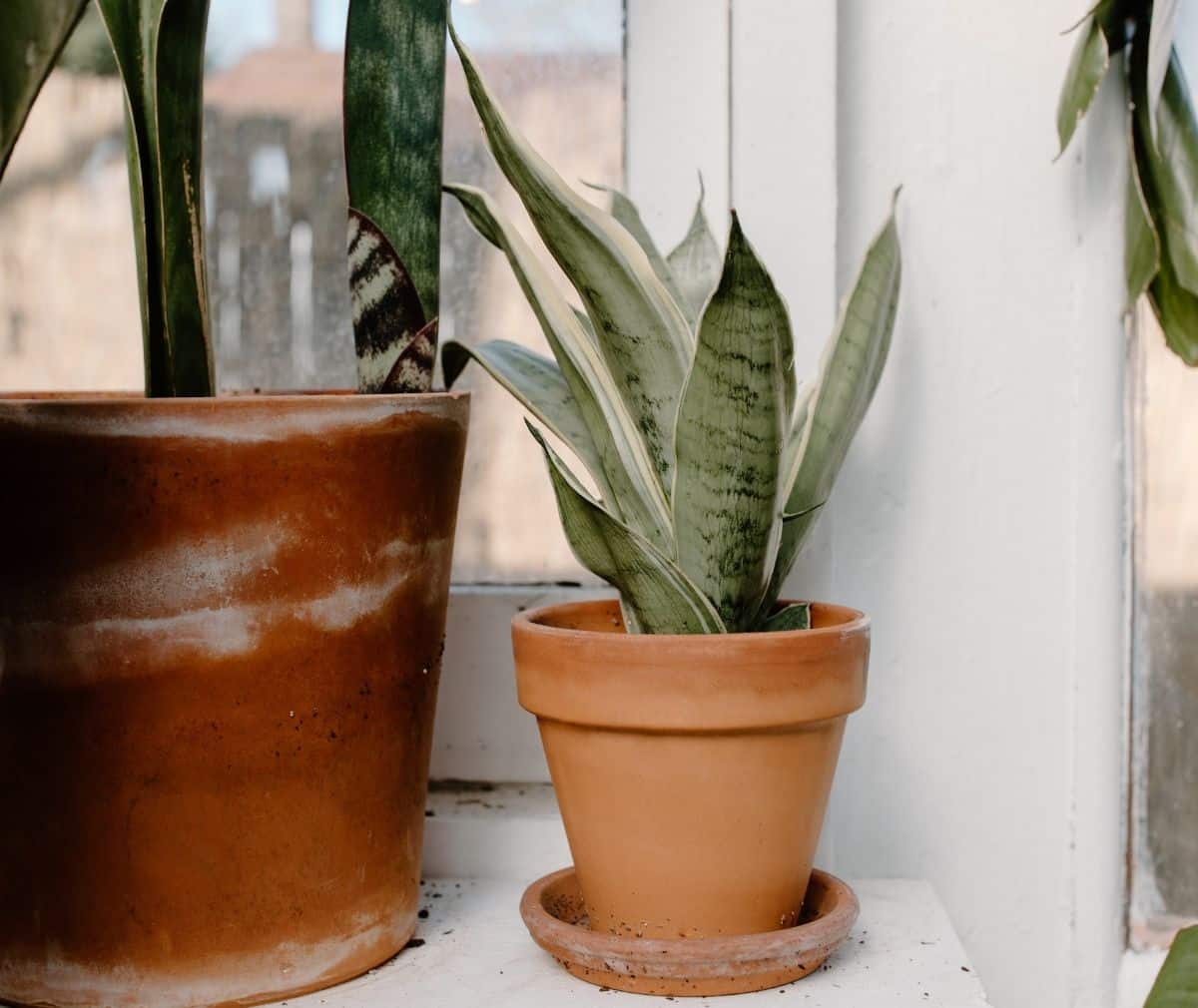
The sansevieria is characterized by being a plant that requires little care to stay healthy. And that involves irrigation. It is not a plant that needs a lot of water, and less humidity. The problem is that sometimes you don’t realize it, or you think you have to water it a certain way, or every x days.
In general, irrigating the sanseviera so that it does not have excess water will depend on the climate you have. But to give you an idea:
- in autumn and winter, with monthly watering is more than enough. In fact, if there is humidity in the environment and it is high, you can even save it.
- in spring and summer it is preferable that you only water fortnightly. Even when the days are very hot, mother-in-law’s tongue is not a plant that needs water to survive, it already has some in its leaves and can draw on these reserves to feed itself.
However, we want to make a few remarks:
- The first concerns humidity. It is just as dangerous as excess water. And it is that if you keep the sanseviera in a space with high enough humidity, it will end up rotting, even without having watered it. For example, in a greenhouse you have everything closed to maintain temperature and humidity.
- The second has to do with the timing of irrigation. If you have it in the shade, you can water it at any time. But if it is in the sun, it is better to do it in the morning, when the rays are not yet hot enough to produce a “mirror” effect which can burn the leaves of the plant.
- And the third, don’t overdo it with irrigation. Before, we gave you a regular irrigation schedule for sansevieria. But often what makes you think is that when you have to water it, you have to do it “generously” and the truth is that it is not like that. It is not necessary to wet the entire substrate when watering. Just moisten it. To give you an idea; you don’t need to water and water until you see a lot of water coming out of the drainage holes. Just use enough water to wet the floor and you’re done. It’s better if you keep it short rather than going too far because even then you could cause excess water and it will go away.
How do I know if my Sansevieria has excess water?

You were just asked the question, does your sansevieria have excess water? Don’t worry, it’s normal to worry about your plant. And there are many signs that can indicate this problem:
- falling leaves. Do you notice your sanseviera starting to drop leaves? This is not common in this type of plant and can be a sign of excess water, but also of pests or disease.
- Yellow leaves. Another sign, but it can also indicate nutrient, soil or pest problems.
- Flaccidity. Let’s explain. Remember that the leaves of sansevieria are usually erect and hard. Now imagine that your plant suddenly finds it with a limp leaf down. This is not normal for them, and if you pick it up and it looks like it doesn’t have the strength to stand up there, you may have a clear sign that the roots are rotting from the excess. of water.
Obviously, and as you will have verified, there are many symptoms that are related to other problems. But in general, when this happens in the sansevieria and there have not been other types of signs, it can indicate that it is due to excessive watering.
How to Save a Mother-in-Law’s Tongue From Overwatering

You have already identified the problem: you have a sansevieria with excess water. And now the hardest part: saving her.
If you caught them in time, you have a high chance of getting it. But if the rot is already very advanced, it’s probably hopeless and you should think about what you did wrong so you don’t repeat it if you buy another sansevieria.
Now, don’t give up so soon. There are a few things you can do to try and save it.. Which is it? The following:
- Do you have a plate under the pot? Often we tend to place a plate (or similar, below) to prevent the pot from leaving traces on the ground (or the water from flowing), but it could be that this one is full of water and that the roots are in permanent contact with water, which is very negative.
- take it out of the jar. The next step you need to do is remove the pot it has and the soil. But, unlike others who tell you to replant it in another pot and dry soil, here you are not going to do that.
- Let the roots of the plant air out. It’s like that. You will need to remove as much soil as possible and expose the roots. Taking care not to break them, or further damage the plant, they must be given time to react, and they do this by allowing them to air dry.
- After some time (which may take a few hours or maybe a few days) check the roots, there may be black roots that are no longer useful, so you can use sharp, disinfected scissors to remove them. Do the same with all the dead leaves. (You can remove them by pulling them but if you see that they resist, use a knife or scissors).
- Once you have “disinfected” it, you must plant it in a new pot with a new (and dry) substrate. We can’t tell you that you saved her, because the truth is that you may or may not. But at least you gave this one a chance to resurrect and return to what it was before.
Have you ever had an over-watered sansevieria?