Pothos makes an excellent houseplant and is tropical in nature. They need regular watering and sometimes people overwater them thinking they need more water.
However, overwatered pothos and submerged pothos have similar effects.
Make sure your plant has well-drained soil, and if the soil is moist, be careful not to let it get too soggy.
If pothos receives too much water, it is more susceptible to root rot, so you should always try to avoid overwatering your pothos.
One of the main causes of sickness or even death of your pothos is overwatering the plant.
Therefore, it is important to ensure that your plant does not stay in water for too long and although this plant is very easy to maintain, there are still a few points to pay attention to so that your plant does not fall in the water. harm!
The original name of pothos is Epipremnum aureum and it is also called “devil’s eye”. So if you’re looking for ways to save your over-watered pothos, you’ve come to the right place. Let’s see how to save him!
American Pothos submarine with excess water
 Overwatering your pothos is one of the main causes of your plant’s discoloration and the effect it has on its health.
This will affect your plant and put pressure on your plant’s roots and may cause root rot if water is allowed to stand. An overwatered pothos will turn yellow and then the leaves will discolor. brown.
You will also see that the leaves of the plant have become soft and mushy and you may also see water spots or blisters on the foliage.
Another sign of an overwatered pothos is that if there is too much water at the root of your plant, you will notice a strong odor.
This is because too much water chokes the roots of the plant and causes root rot, which in turn causes the stench.
While a flooded plant and an overwatered plant will have the same signs, you will usually see your flooded plant’s leaves turn brown and begin to wilt.
The leaves will be dry and crisp and may appear wrinkled. If your plant has been without water for a long time, you will see that your plant starts to look smaller.
This is because if you give them too little water, the leaves of the plant will absorb too much water from the soil and overwork themselves.
Because plants lose water through their leaves through evaporation, your plant will dry out if left in the sun for a long time.
If you like this article, check out our article on how to do a pothos climb
What are the common signs of an overloaded Pothos?
An overwatered pothos will usually start to show signs that it is not a happy plant.
You can see your plant’s leaves change YELLOW then turn brown in most cases, but another thing to watch out for with a plant that has been overwatered is that it can start to curl inwards and also look shrunken.
Another major sign of an overwatered pothos is root rot. You will notice that there is root rot on your plant, as there may be a bad smell or odor emanating from your plant.
This is because the minerals do not reach the roots properly due to excess standing water.
How to save a Pothos with excess water?
Now that we know the signs of overwatered pothos, we can now see how to save them.
Check that your Pothos has the right amount of water
To first check the problem with your plant, make sure you know how much excess water you have.
If you see that the water has stopped, the main cause of pothos and overwatering is due to drainage.
If you have a vinyl or plastic pot, you can easily drill holes in it, but if you have a ceramic pot, you’ll need to purchase a larger pot to avoid drainage issues.
It’s also best to stop if you feel your plant is getting too much water. fertilization your plant and it will cause more damage to your plant.
Removing the Pothos plant from its pot
You can also take the plant out of the pot and check that it is not damaged.
This will help you assess the damage and see if your plant can be saved or not.
Remove the soil from the roots of the Pothos
Once you have removed the plant from the pot, now try to get as much out of it as possible floor around your plant.
If you see that the soil is still very wet, it can affect your plant’s roots.
Also, you don’t need to reuse this soil as it can harm other plants as well, so your best bet is to get rid of this soil to avoid further damage to your plants.
Cut rotten roots
A healthy root of a plant looks firm and if you cut from the center you will see a white color in the center.
However, if the root of your plant receives too much water, it will become soggy and the cutting will be black or brown from the inside.
For this reason, you should cut off the rotten roots with a sharp knife to prevent the rot from spreading to other parts of the plant.
Use a fungicide on your Pothos
Another thing you can do to protect your plant is to use a fungicide. This will keep your plant healthy and safe from root rot. Also remove dead leaves from your plant.
Transplant your Pothos plant
The last thing to do is replant your plant Use a new pot to put your plant in and place stones or gravel at the bottom.
Make sure your pot has good drainage and don’t water your plant for a week after putting it in the new pot.
Also, once you water your plant, be sure to follow a good watering routine so that your plant doesn’t get overwatered again.
How to dry a Pothos with excess water?
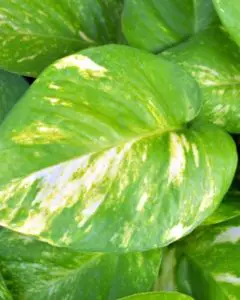
It’s not hard to dry out an overwatered pothos if you catch the problem early. However, if the water sits in the pot for too long, it may be difficult to dry out the plant.
The first thing to do is to check the amount. water is in the pan If there isn’t a lot of water, it’s a good sign, since you can keep your potos watered.
However, when considering the extent of damage to your plant, plan your next step accordingly.
Pour off excess water and check that the drainage holes in the pot are working properly. The next thing to do is to stop watering your plant for several weeks after draining all the excess water.
It is even better if you expose the plant to the sun so that it dries quickly. Another thing you can do is dig and turn the soil.
This will ensure that your plant’s roots are getting enough oxygen and the slope will also expose the wet area to the outside, increasing the chances of the soil drying out.
Now look for damaged leaves and cut them off. Yellow or brown leaves should be cut off as they die back, so it’s best to cut them off first.
However, keep the healthy leaves intact! Another good thing you can do to save your pothos is to transplant the plant.
Remove the plant from the pot and place it in another pot to save your plant. Repot it in a new pot with fresh soil for healthy growth of your plant.
If you like this article, check out our article on Can a pothos live outside?
How do you set up a good watering schedule?
We all agree on one point: pothos like water, but not too much! It’s always best to set up a watering schedule that ensures your plant is getting just the right amount of nutrients without overwatering it.
Even if you water them more at some point, don’t worry because most of that will happen if your plant loses a few leaves, but it will also recover quickly.
A good benchmark to tell if your pothos needs water or not is to put your finger in the soil and if the soil is dry that means it needs water. You can also use a moisture meter to check soil moisture.
Pothos also tend to hang down a bit when they need water and this can be a good reminder that your pothos need water. So do you have to follow a strict watering schedule when it comes to your plant?
Well no, in my opinion it’s always better not to stick to a watering schedule and instead follow your plant’s instructions to tell you if it needs water or not.
Therefore, since a number of factors can affect your watering schedule, it is best not to follow any of them. Some factors include seasonal changes, as plants need less water in winter than in summer.
Another factor that affects your plant’s watering schedule is the light it receives. If the sun is shining brightly, it may be time to increase your plant’s water intake.
temperature and humidity they also play an important role in how your plant needs water. Because your plant needs more water at high temperatures than in more temperate and humid conditions.
If you consider all the factors and then decide to set up a watering schedule for your plant, watering once every 1-2 weeks is ideal.
final thoughts
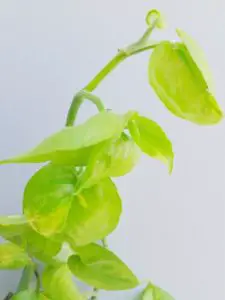 Pothos are extremely easy to care for and are the star of indoor plants. It doesn’t take too much effort, but it’s still a great plant to put around the house and for decoration.
These plants enjoy a wide variety of environments and do well in bright light and indirect sunlight. Although they like rich, nutritious soil, they will do just as well in poor soil.
You can keep this plant around your desk or wherever there is less sun, as it likes less sun and thrives there too.
They are also a favorite of many people because this plant can be grown in both water and dry soil. You can take a cutting from a mother plant and root it in water to keep as a houseplant.
Pothos are ideal for indoor and outdoor use. outdoors and because they don’t require too much maintenance, even if you’re new to gardening.
Overwatering or underwatering both won’t be very good for your plant and so even if you can’t follow a strict watering regimen for your plant, you should at least make sure your plant gets enough water to be happy and take care of her. struggle and prosper!
Before you go, here are some other related articles that I encourage you to read below to solve more of your gardening problems:
Pothos versus scindapsus
Pothos vs. Monstera
Hawaiian Pothos vs. Golden Pothos
Pothos N Joy vs Pearls and Jade
How fast is Pothos growing?
Why do pothos leaves drip water?