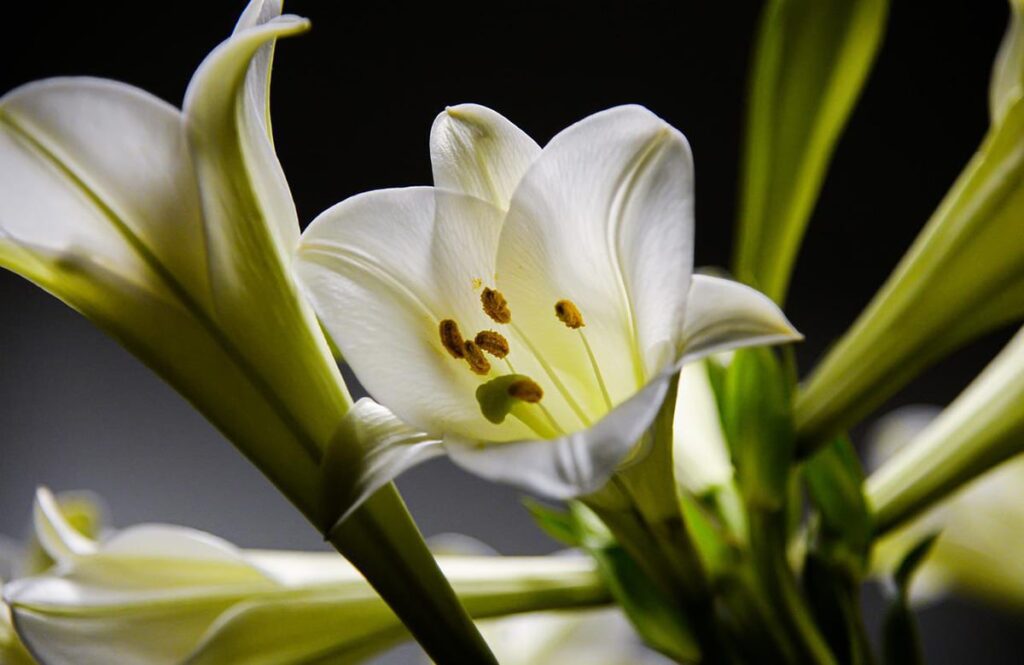

Among the most popular ornamental plants in the world are lilies, also called irises, lilies or lilies. This is mainly due to its large, trumpet-shaped flowers and their extremely striking different colors. Moreover, some varieties of this vegetable even exude a very pleasant aroma. If you want to have one of these beautiful flowers in your home, there is one thing you need to learn first: How to care for a lily.
No doubt you will appreciate having these plants in your home, as they are a gift for the eyes. For you to grow them properly, We will explain all the needs of lilies and we will comment a little on the most common pests and diseases. of these vegetables and how to prevent them.
How to care for lily plants?

Lilies are actually a genus belonging to the family Liliaceae and include over a hundred different varieties. Each of them has its characteristics and needs, but we can give general care guidelines for each of them. Then we will tell you how to take care of a lily and thus be able to enjoy these beautiful flowers in our garden.
Location and irrigation
The first thing we need to know is where to place our lilies. It must be said that these flowerss have an impressive adaptability. So much so that we can place them almost anywhere. Another peculiarity they have is that they can be grown both indoors and outdoors, but we must take into account some aspects:
- Lily outside: Although they are flowers that adapt very well, the ideal is to place them in a semi-shaded place where the soil can remain cool.
- Indoor lily: In the case of having these flowers as houseplants in a pot, it is best to find a well-lit place for them.

Related article:
Is the Lilium plant indoor or outdoor?
Speaking of location, it is also important to mention the temperature. For lilies, it is better not to go below ten degrees, at least during their flowering. The ideal temperature for these vegetables is between 22°C and 26°C. However, an adult specimen can withstand higher temperatures in summer without problems.
As for irrigation, it is undoubtedly one of the most important factors for any plant. In the case of lilies, they need some level of light but also cool soil. For the bulb of these vegetables to grow and develop properly, It needs a constant humidity level. Of course, we must never flood the earth, because we could rot the roots of the plant.
To avoid congestion, It is best to water sparingly but frequently. The most advisable is to do it in summer every two days maximum, depending on the type of soil and the climate in which you find yourself. During the cold months, watering once or twice a week is sufficient.
Soil and compost
As we have already mentioned before, lilies need the soil to be able to stay cool, that is, to have the ability to retain moisture. For this reason, it is one of the few plants that They prefer light clay soils. However, we must prevent it from becoming waterlogged. As for the pH of the soil, the ideal is that it oscillates between the values of 6 and 7.5. In the event that the water in our region contains a lot of limestone, therefore altering the pH, it is best to leave it to stand for 24 hours, before using it to water the water lilies.
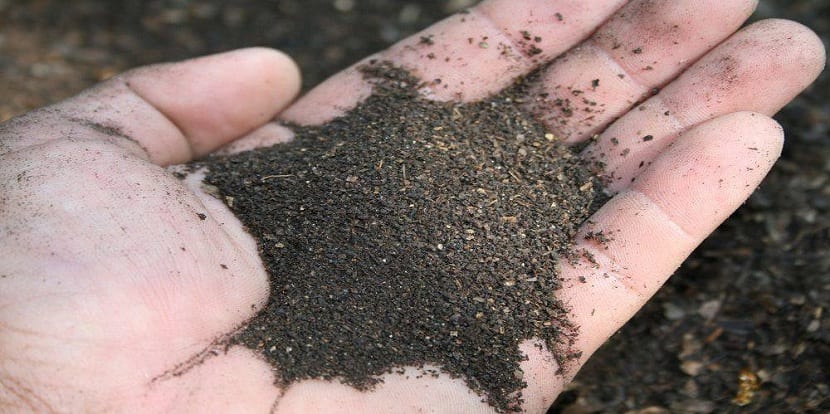
When creating an ideal substrate for these vegetables, a good option is mix earthworm humus with peat in equal parts. We can use this mixture both in a pot and in garden soil, if it does not already have the right conditions. Compost and earthworm humus will provide the soil with the right aeration and moisture conditions that lilies need. In addition, thanks to them we add many nutrients that vegetables will appreciate.
Related article:
Tips for making homemade hummus
As for the fertilizer, it should be brought regularly to the lilies during the hottest period of the year. It is better to use organic fertilizers, such as compost or earthworm humus. Thanks to this organic pot we will be able to provide the nutrients necessary for the maintenance of these flowers. We should only use chemical fertilizers if the lilies show very clear signs of lack of nutrients.
How to Care for a Lily: Pests and Diseases

Knowing how to care for a lily is not always enough, as certain pests and diseases commonly affect these flowers. Generally, most plant pathologies are caused by various fungi. To prevent their appearance, it is of the utmost importance to keep the plants clean, that is, to remove all the remains of dead plants and to prevent their accumulation in the soil. In addition, fungi thrive especially when there is high humidity. It is therefore necessary to avoid flooding the ground during watering. Outraged, There are products that can be applied both to prevent and treat fungal diseases.
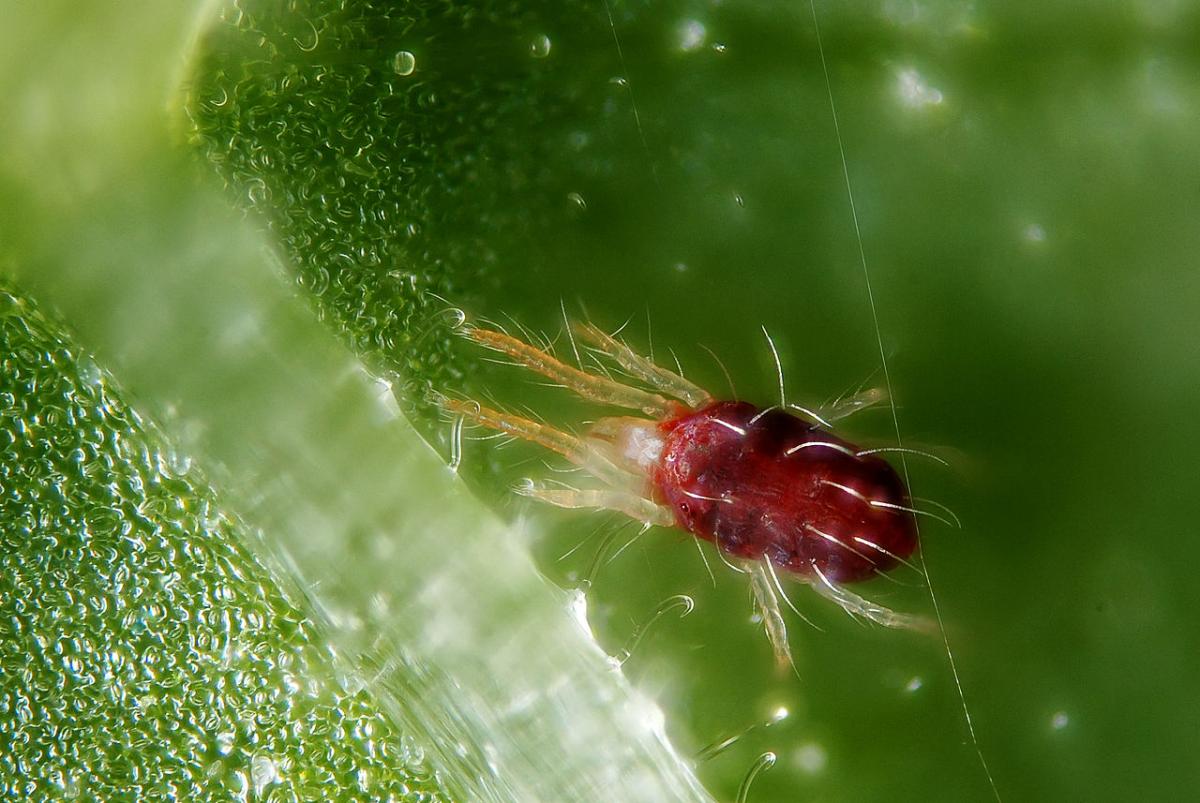
Lilies can also be affected by certain pests, the most common being mites and aphids. They are difficult to prevent and once they appear, you have to look at the symptoms the plant is showing to identify them, since the mites are mostly almost impossible to see. Aphids can be seen, but usually when the plant is already infested. There are various home remedies for aphids and other insects.
Related article:
How to control mites on plants
It is vitally important for plants to detect and treat any disease or pest as soon as possible. It is best to always use organic remedies. However, they don’t always end up working at all. In these cases we can try chemicals, always following the instructions on the container and handling them with great care. Remember that insecticides are very toxic to us and to animals in the environment, such as pets, birds, etc.
You already know everything you need to care for a lily. By following these instructions, you will be able to enjoy these beautiful flowers in your home without any problem. I assure you that your lilies will not go unnoticed!