

Cacti are succulent plants that live mainly in arid and semi-arid regions of the Americas. Although they usually start their life protected by other much larger plants that give them some shade, they eventually get exposed to the sun as it is something they need to continue to thrive. develop normally.
We must keep this in mind if we are looking for indoor cacti that need little light, since they are plants that can be very demanding indoors. I don’t mean with that that it’s not viable to have them, because there are cacti that can adapt to living in these conditionsBut it’s not easy.
Are there indoor cacti?
I will begin by answering this question because it is important. There is no indoor plant, none. But if, for example, we are in a city where the temperatures drop below zero degrees and we have a cactus that cannot withstand frost, if we want it to survive we will have to protect it either indoors of the house or inside a greenhouse.
Only then can it have the chance to get ahead and reach spring to continue growing. For this reason, whenever we see them in stores or nurseries, or when the person in charge of them tells us that they are “indoor plants”, we must think that They are cold-sensitive plants that will need protection during the winter.
Which Indoor Cacti Need Low Light?
Cacti, or any plant, can be found in a dark room. They need -natural- light to carry out photosynthesis and grow. For this reason, what we are going to do is place them in a window in which there is at least one window through which the light from the outside enters. Likewise, it should be remembered that there are species that are more tolerant than others to low light, such as the following:
Peruvian cereus (computer cactus)
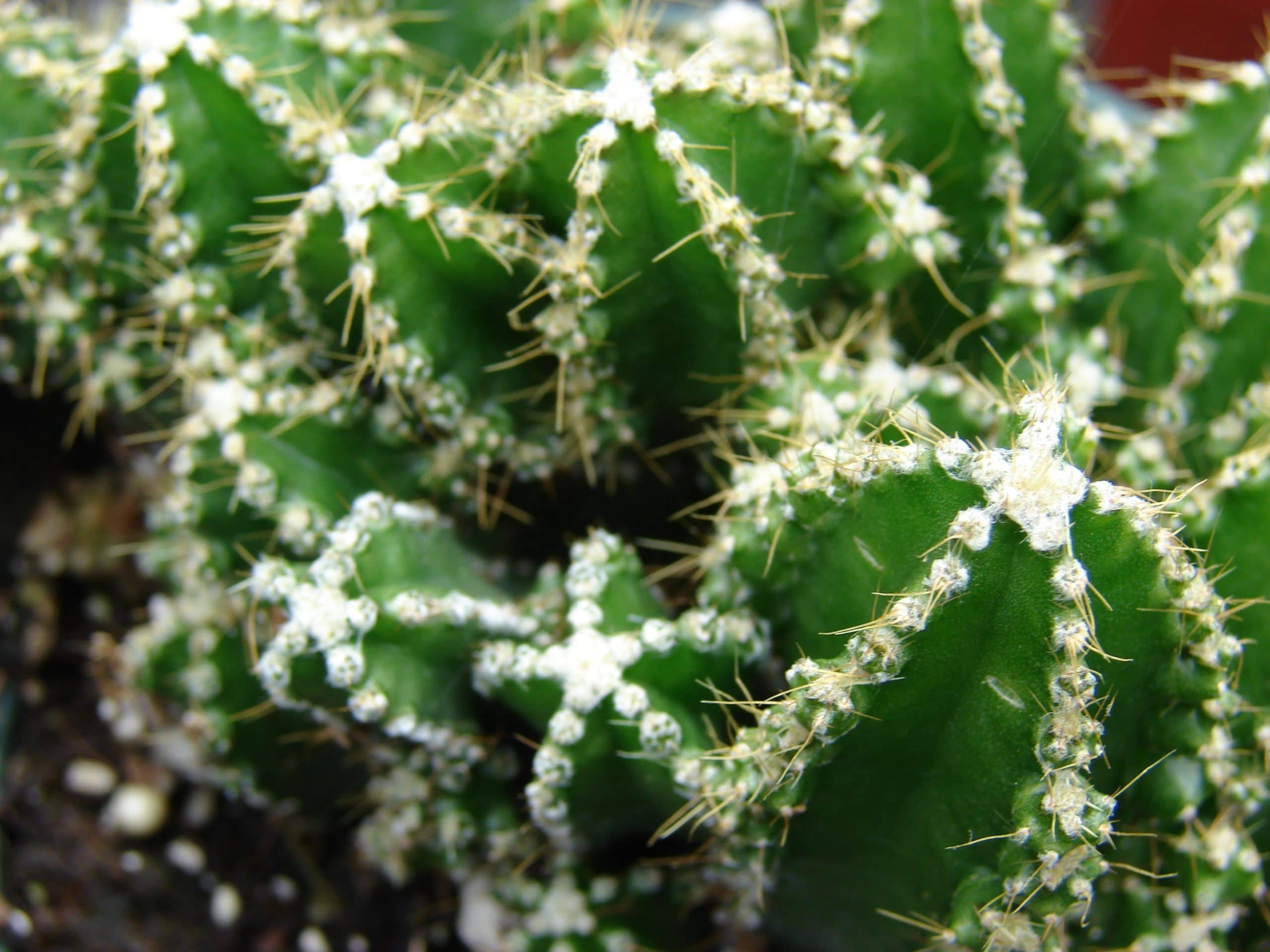
The Peruvian cereus It is a columnar cactus that is usually kept in offices as it is believed to absorb computer radiation, but although it may be there, It is important that there is light in this room so that it can grow. It is a slow-growing thorny plant that can be kept for a long time in a pot.
Echinopsis oxygone

Image – Wikimedia/Alan Levine // Echinopsis oxygona
The Echinopsis oxygone It is a more or less globose type of cactus, although it tends to grow vertically covered in short spines. It is a small succulent, which It can be grown in pots and indoors provided you place it in a room where there is plenty of light.. Its flowers are large and pink or white.
Epiphyllum (all species)
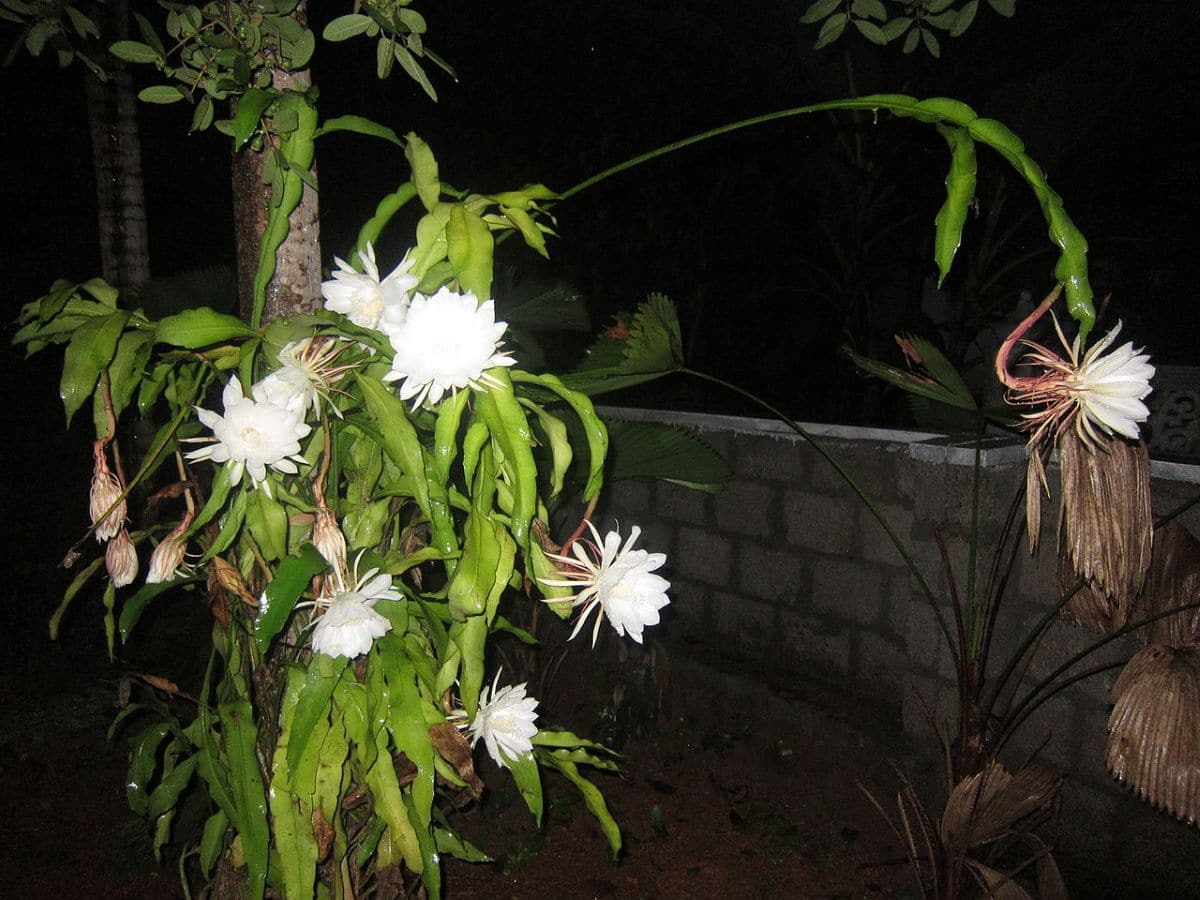
Image – Wikimedia/കാക്കര
Epiphyllum are epiphytic cacti of tropical origin which are known as orchid cacti or queen of the night, since their flowers are a real beauty, just like those of the aforesaid. Large size, its petals can be white, pink, orange, red, and also have the particularity of opening at sunset. Not liking the cold at all, they are very interesting to have indoors.
Gymnocalycium (all species)
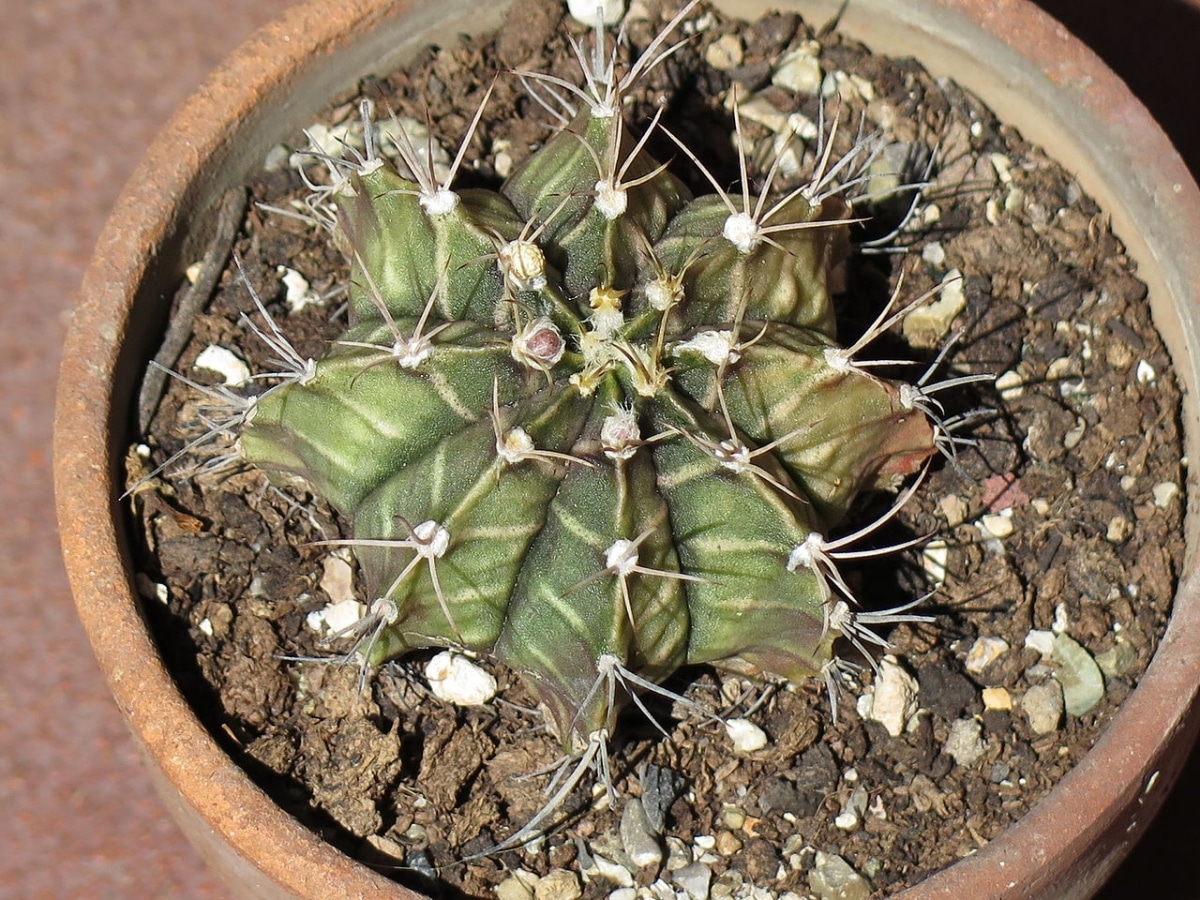
Image – Wikimedia/Petar43
Gymocalyciums, called chin cacti, are low-rise, globose plants. They protect themselves with thorns, which can be short or long. It must be said of these that They produce flowers of very beautiful colors, such as roses, lilacs or oranges. Additionally, they need relatively little irrigation, as they cannot tolerate excess water in their roots.
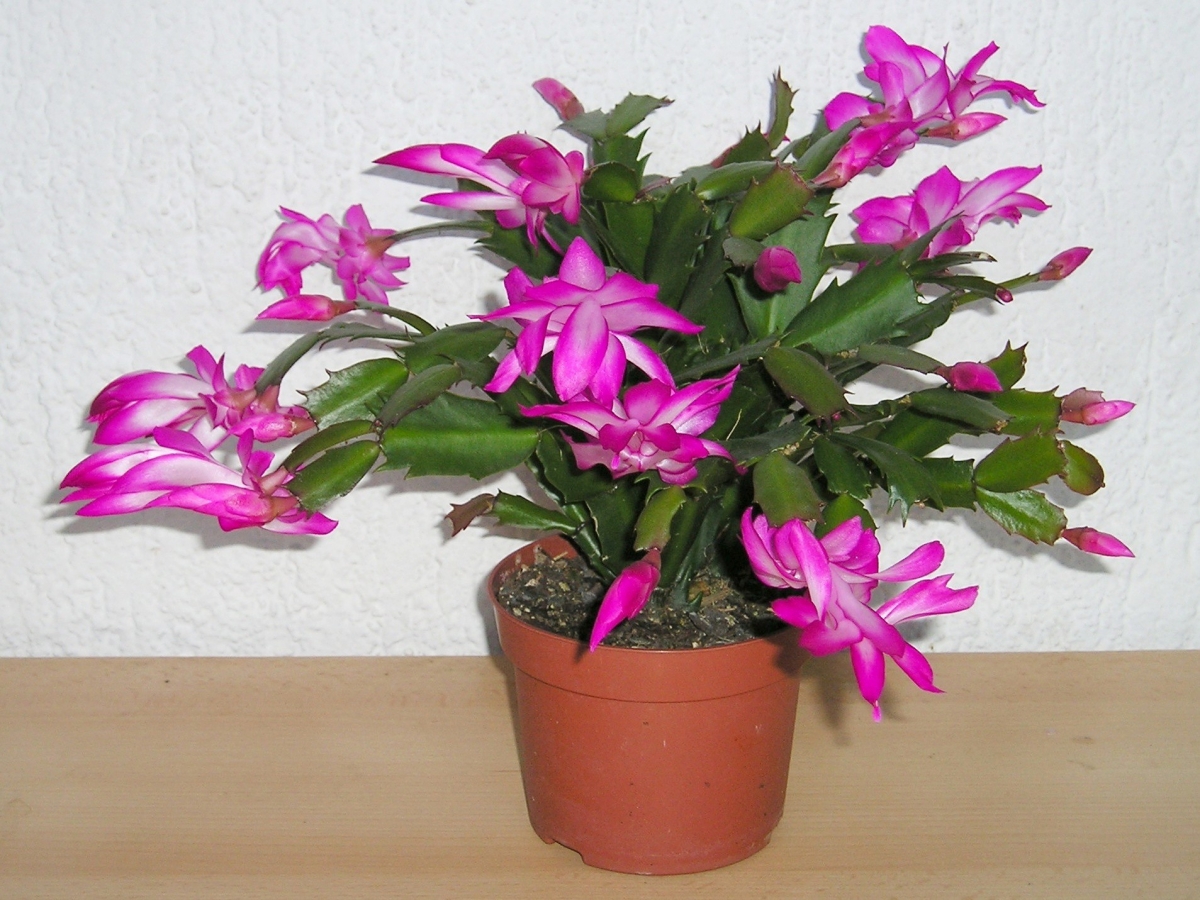
Image – Flickr/Maja Dumat
christmas cactus It is a succulent with drooping stems that flowers during the winter., either before, during or shortly after Christmas (it will all depend on the temperatures of the region and your state of health). That’s why it’s one of the favorites to have indoors, especially during those very important dates. Its flowers are magnificent, which can be white, pink, orange or red.
How should cactus cacti be indoors?
Finally, I want you to know how to take care of these cacti, because then you can make them survive. Yes The first and most important thing you need to do is plant them in a pot with holes with a specific substrate for these plants. (on sale here). That is to say, it is not worth putting them in a pot without holes, nor in a pot that does not have one, because if we do, the roots will rot due to the water that will remain stagnant there.
continue with water they must be watered when said substrate is dry. The roots do not like to be constantly or permanently wet, so it is necessary that the soil dries out completely before watering it again. Also, you have to think that during the winter the risks will be much lower, since it takes longer to dry.
When spring and summer arrive, consider fertilizing them with a liquid cactus fertilizer (for sale here), following the instructions on the packaging. And if you see that their roots protrude from the pot, do not hesitate to plant them in a larger pot.
Do you dare to have cacti indoors?