
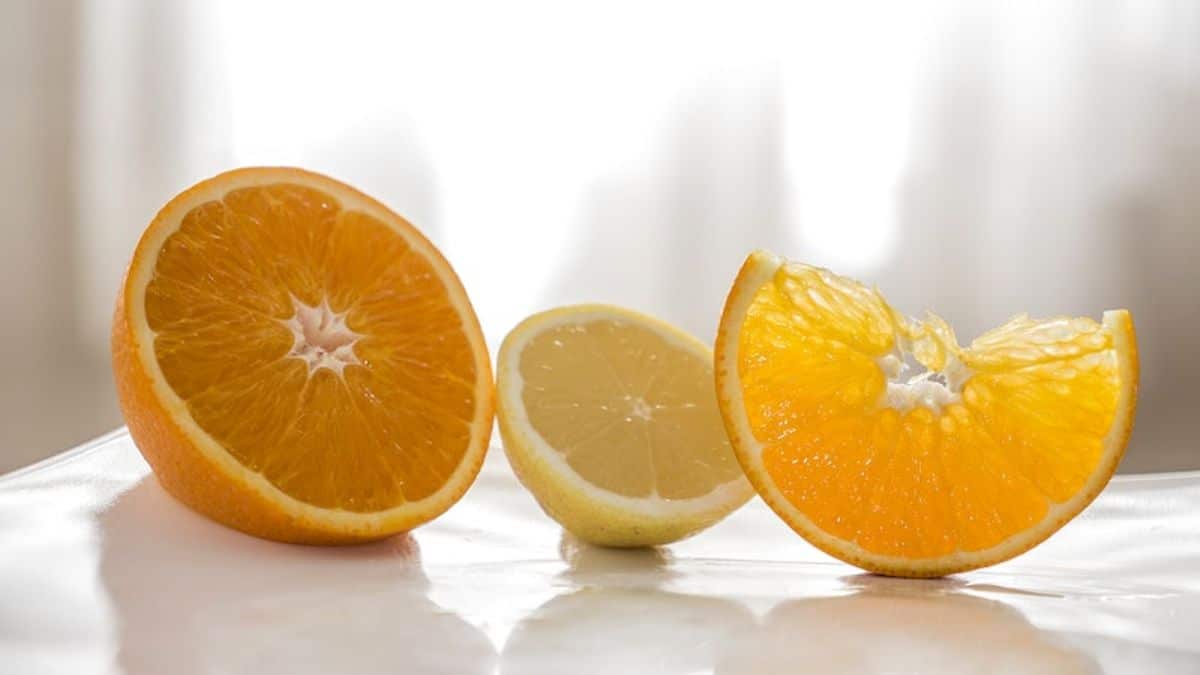
As you know, among the varieties of orange trees there are many, and it is almost impossible to know them all. However, some stand out from the others, such as the Orange Navelina, one of those that you can plant in cold regions and with not very good soils.
Want to know more about this plant? So keep reading because we have prepared a guide with which you can discover the characteristics and care that this plant needs to move forward. Go for it?

To know a little more about the navelina orange variety we have to go to 1900, approximately, and more precisely in the United States. Apparently, this species appeared there. However, it was not widely grown in the country, and in 1993 it was brought to Spain. Contrary to its country of origin, it is rather well received on Spanish soil, both for the quality of the fruit it bears and for its productivity and earliness (it takes little time to bear fruit). That is why, even today, it is one of the most cultivated varieties of oranges.
This, yes, it won’t be the same to eat an orange from the tree as one from a department store (or sites dedicated to it). Apparently, a navelina orange tree in the home garden will yield oranges that are nothing like the ones you can buy in stores. And that’s because, because they ripen so quickly, treatments are used to avoid it, which means the flavor they have isn’t what it should really have.
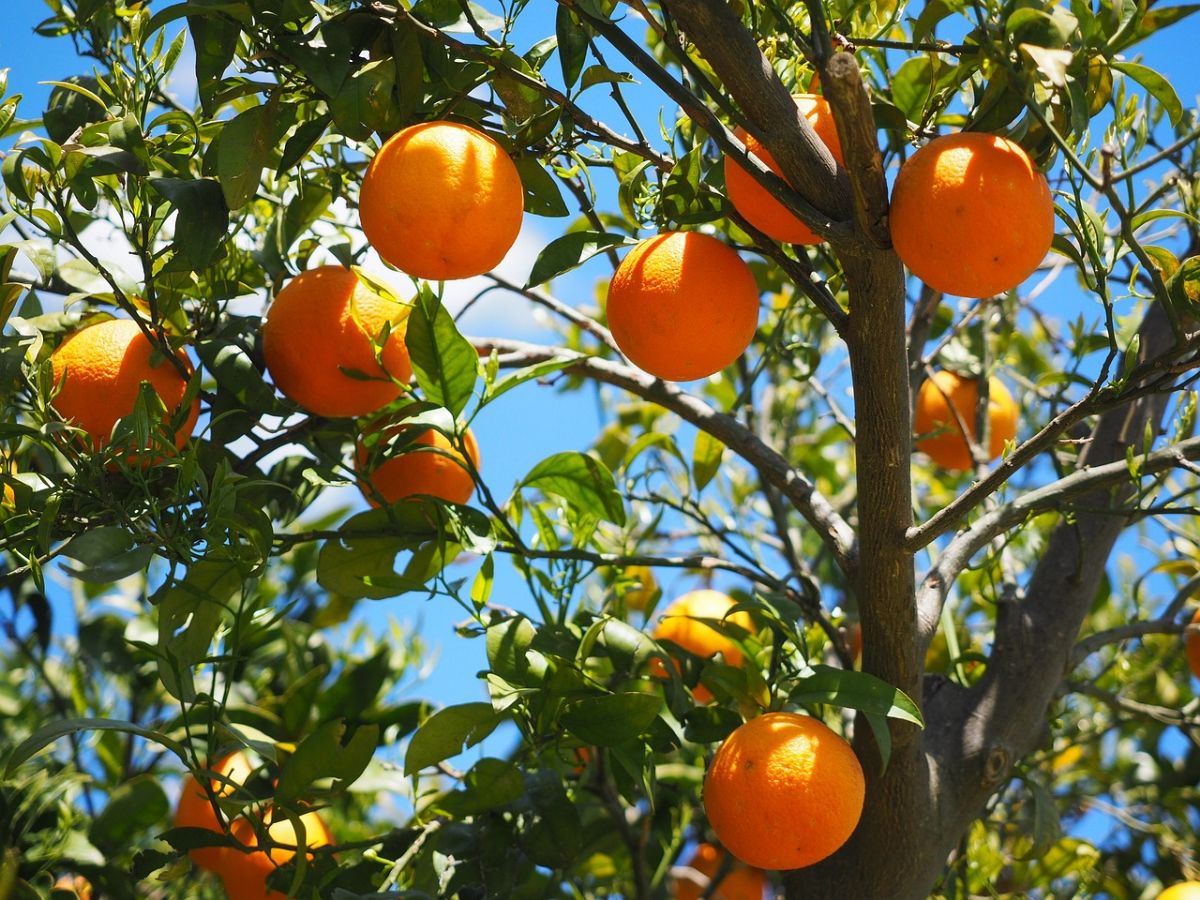
This orange tree can easily reach ten meters in height, although now it is common to prune it and keep it two or three yards away.
The leaves are dark green which contrasts strongly with the fruit it gives us. By the way, this can be obtained from the two years of the tree’s life, always from the middle or end of October to February.
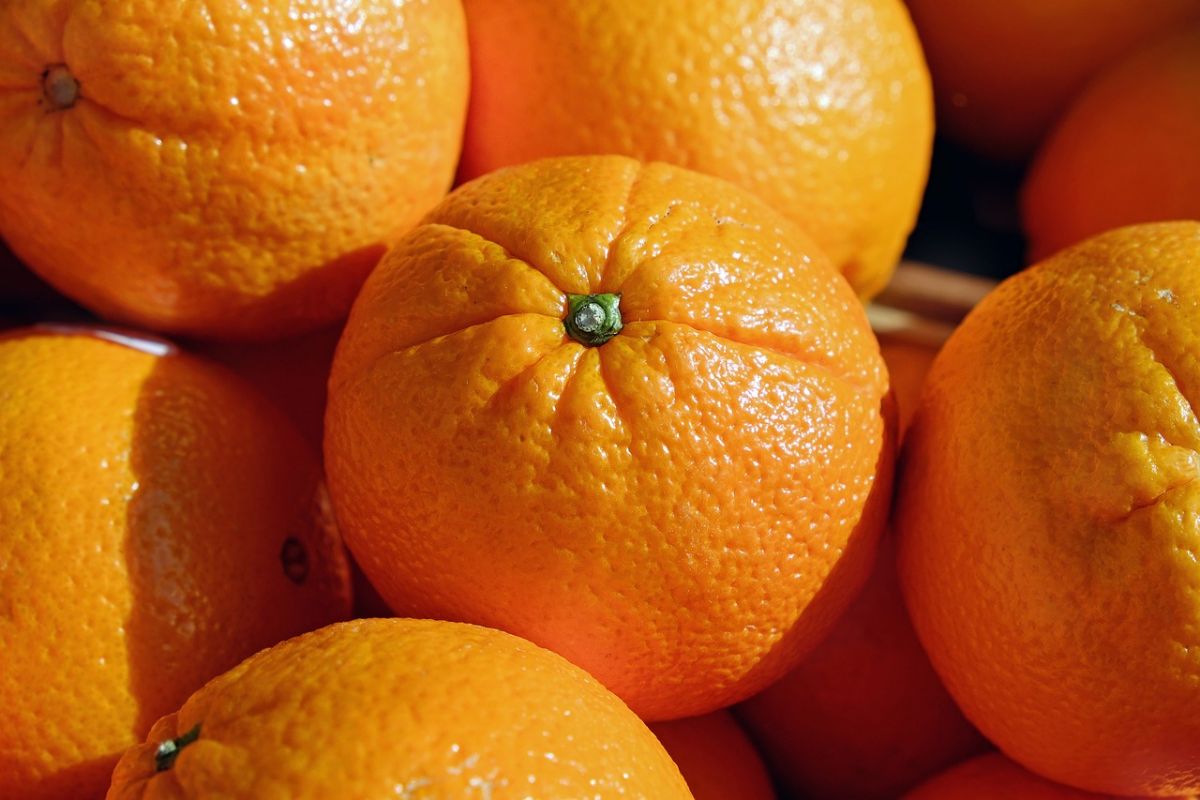
Regarding the Navel oranges, as they are called, are large and globose in shape. When peeling them, the skin is usually very easy from the pulp and they are of a very intense orange color.
Now that you know the navelina orange a little better, what if we told you about its care? As one of the fruit trees that can be planted at home, and thus enjoy oranges in autumn and winter, it can be interesting to have it at home. On the one hand, it will decorate you, and on the other hand, it will save you money in the basket (because unless you are many or eat a lot, you will have oranges from the tree to the table directly ) .
It is not a very complex plant to maintain, but it has specific needs that you should be aware of. Specifically the following:
location and temperature
The first thing you need to know about the navelina orange tree is that it needs a outdoor location. Even when you have it as a bonsai, it is best to place it in a window, on the terrace, in the garden… but always where it has full sun.
Now well, The sun in northern Spain is not the same as in the south, the latter is a little stronger and might require more of a semi-shaded location than a direct sun location. Unless you can be very aware of him and watch him.
As for the temperature, it is not a very delicate tree. It supports high temperatures well, but also low ones. (around -5°C). Below you will have a problem because the fruits will freeze. For this reason, in areas where the temperature drops a lot, it would be practical to protect it with a thermal mesh (both the tree itself and the roots).
Substrate
In the case of soil, Navelina orange can tolerate calcareous soils (although it is best if it has a pH between 6 and 6.6). But you have to make sure you have good soil, fertile and above all with good drainage because it does not tolerate flooding of the roots and it is better to monitor it (so that fungi or significant diseases do not appear).
A good mix can be a universal substrate with earthworm humus and perlite or more drainage.
Irrigation
Although you may think that orange trees are plants that require a lot of water, the truth is that is not the case. They must of course be watered, but not flooded; it is better to water less but more times than to pass with it.
It is also one of the trees that they would work much better with drip irrigationsince it can help you control the amount of water it receives and it doesn’t dry out too much from the heat.
If this works for you, one of the general irrigation guidelines is:
- If you have it in a jar, it is watered in the summer months about three times a week, while in autumn and winter 1-2 times a week is enough. In the spring, these risks are increased with the onset of heat.
- If you are on the ground, It is best to water it as we told you, with drip irrigation.
Subscriber
For navelina orange subscribers, the best is to use an organic or natural, as manure or with other plants (for example, the water used to cook tomatoes for fried tomatoes is a very rich source for these fruit trees).
This should be added in early spring, but you can also combine it with a citrus fertilizer.
Size
Pruning is usually done in late winter or early summer. remove branches that appear dry, diseased or crossed and prevent good aeration of the tree.
During the summer you may need to cut it again, but only for maintenance so that it does not lose its shape.
Plagues and diseases
Among the pests that the navelina orange tree can suffer are the leaf miners, red spiders, mealybugs, whiteflies… This is why it is necessary to keep an eye on it to treat it at the first symptoms. In prevention you can use Neem oil, paraffin…
In the case of illnesses, you have a fungal or viral infection.
Multiplication
The way to propagate the navelina orange tree is through the seeds. These are picked up in the fall and left to dry for planting in the spring.
We already tell you that the navelina orange tree is one of the most resistant plants there is, in addition to having a fruit that is generally seedless and with a very good flavor, while being quite productive. Do you dare to have some in your garden?