
Some of the links in the post are affiliate links and I receive a commission for purchases made through some of the links in the post.
Hydrangea is a small tree or tree-like plant. This plant is widespread in the eastern and north-central United States. The underground stems, roots and rhizomes are used to make medicine.
Despite popular belief, there is no scientific evidence to support the use of hydrangea to treat various conditions including bladder and prostate infections, enlarged prostate, kidney stones , etc.
The hydrangea can pose a health hazard if consumed in large quantities. This shrub is not only a beautiful addition to the garden, but is also used in traditional medicine to keep the kidneys healthy.
Hydrangea roots serve both as a food source for the plant and as a medicinal herb.
A hydrangea does not have deep roots. The roots of a hydrangea are shallow and tend to stay within the top 6 inches of soil.
Hydrangeas cannot be buried in pipes or foundations because their thin, fibrous roots are too weak to withstand seasonal swelling.
What type of roots does a hydrangea have?
Hydrangeas (Hydrangea spp.) are shrubs that grow 3 to 12 feet tall and have clustered flowers that change color depending on the acidity of the soil.
Strong roots are essential for these deciduous plants, which thrive in USDA plant hardiness zones 3 through 9, to nourish and hydrate their lush foliage.
The environment has a great influence on the root growth and spread of the hydrangea.
Type of hydrangea root
 Rhizomes are the main structure of the hydrangea root. According to Montessori Materials, these roots, also called subterranean stems, slowly expand underground as shoots grow at the shoot sites.
A new hydrangea stem, leaf, or flower is formed when the shoots eventually break through the soil and into the root zone.
The rhizomes also develop fine, fibrous roots that grow downward in search of water, nutrition, and other needs.
The rhizomes tend to clump together as the hydrangea grows. Digging the pool and dividing it are also options.
You will get two hydrangeas capable of continuing rapid root and leaf growth by planting separate groups.
spread among plants
Depending on the variety, you will need a distance of three to three meters between your hydrangeas. The roots often extend a little beyond the drip line of the plant.
If you want to move a hydrangea from a container to the garden, secure some roots around the perimeter of the container to free the roots.
Shear stress increases root growth, pushing the plant out of its limited developmental stage. They must be able to adapt quickly to their new environment and develop new roots to survive.
Hydrangea Leaf Report
Your hydrangea needs to have a large root extension to compensate for the water lost through leaf transpiration.
According to the Clemson Cooperative Extension, hydrangeas like full sun with only a few hours of dappled shade at the end of the day.
During the day, water vapor seeps through the many pores of the vast surface.
Healthy plants benefit from a greater surface area for water absorption if they have an extensive root system. Toxic moisture can cause hydrangeas to die.
How deep are the roots of the hydrangea?
It is common to think that the sturdy stems of Hydrangea are accompanied by a deep and resistant root system below the surface. Hydrangeas have shallow roots.
Like rhododendrons and shrubs, they do not have a central taproot. Instead, a rootball is loose and spreads out a mass of fibers in its natural growing state.
- Most of a hydrangea’s roots are in the top six centimeters of soil. However, they tend to spread quite horizontally. Much to their dismay, many gardeners have discovered this when wandering hydrangea stems have begun to encroach on their paths or stems have grown away from the mass of plants.
- Hydrangeas (Hydrangea spp.) are shrubs that grow 3 to 12 feet tall and have clustered flowers that change color depending on the acidity of the soil. Strong roots are essential for these deciduous plants, which thrive in USDA Plant Hardiness Zones 3 to 9, to nourish and hydrate its lush foliage. The environment has a great influence on the root growth and spread of the hydrangea.
Hydrangeas cannot be buried in pipes or foundations because their thin, fibrous roots are too weak to withstand seasonal swelling.
The only danger is if you already have a leaky pipe, in which case the roots of your hydrangea can seep into it and clog it.
Allow plenty of space for air circulation when growing hydrangeas close to the house. Placing them against the boards will not help them. For foundation plantings, it is generally best to avoid using taller cultivars like PeeGees.
How deep should the soil be for hydrangeas?
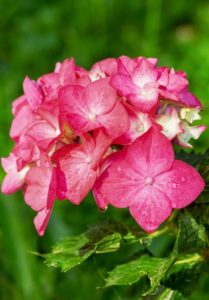 Hydrangeas can thrive in full sun if the soil is well-drained and mulched regularly to retain water. Hydrangea paniculata cultivars are designed to thrive whole light and create a stunning floral decoration.
Plant hydrangeas by digging two feet wider than the root ball. Make sure the hole you dig matches the size of the root ball and that your plant is no more than an inch or two above the surrounding soil when you’re done.
By forming a mound at the base of the plant, water drainage is facilitated.
Moisture-retaining substrate for hydrangeas in full sun
- Hydrangeas thrive in full sun and clay soil, so if you’re lucky enough to have one, this is the one. Usually I medium.
- As for hydrangeas, if you have sandy soil or no mulch, forming a small mound near the base of the plant helps with water drainage. Or drain quickly enough to support the growth of these plants.
- In most sunny gardens, it is recommended to amend the soil before planting hydrangeas so that the soil retains its ideal water balance and is loose enough to allow deep roots to develop, making the hydrangea hardier. to drought.
- To keep your soil moist enough to grow hydrangeas, use the following organic materials:
The ability of each of these three organic compounds to absorb large amounts of Water It is noticeable
Despite this, its construction is friable (loose) enough that excess water will not collect around the roots of your hydrangea, causing root rot. Wet soil is not the same as wet soil;
therefore, if you have heavy clay in your garden, you should take precautions to prevent the soil from becoming soggy for an extended period after rainfall. Moist soil with good drainage is essential.
When it comes to worrying about damage to your home, the shallow roots of your hydrangeas aren’t necessarily an advantage.
Many trees cause problems because their roots don’t reach very deep; Instead of seeking water deep underground, they spread through leaky basements, foundations, or plumbing systems.
However, the term “shallow root” has a different meaning for a tree. Most of your main pipes will be buried at least a foot below the surface if you live in a cooler area. The roots of hydrangeas are rarely that deep.
Hydrangea root intrusion is more likely due to a sanitation problem than a landscaping problem. The roots of any plant will be attracted to a steady supply of water, which is why a leaky pipe is so attractive.
If you plan to plant a hydrangea near a shallow pipe, determine if the pipe is clay, concrete or PVC.
The last two are better options. Infiltration will be more difficult to do with more modern materials. It is not uncommon for hydrangea roots to damage firm soil, but they are not as strong as tree roots.
Larger trees with deep, heavy roots pose a greater threat in this regard. The roots of these plants can stretch and contract in response to changes in humidity or temperature, causing pipes to burst or foundation blocks to crack.
Hydrangeas should not be planted too close to the house for a number of reasons, the most important of which is safety. It is best to leave at least one meter between these bushes and other plants or barriers.
Little Lime, a taller variety, may require up to 10 feet. Flowers start bright green and turn crimson fall, making it a miniature version of the popular Limelight variety.
Difficult things for the little man. This smaller Lacecap hydrangea produces small purple flowers surrounded by larger ones.
little penny Flowers that change color depending on the acidity of the soil make it a popular mop head. Glowing embers.
Medium-sized bushes that bloom in brilliant shades of pink and scarlet are possible with this plant.
Rio city line. Blue flowers with green and purple centers are what this dwarf Bigleaf produces, one of the more compact alternatives on the market.
Regardless of its type, you should assume that it will grow to the specified maximum size. As a general rule, you should plant your hydrangea at a distance of one and a half times the widest projecting part of the plant.
As usual, be aware of the dangers of sun exposure. Even in cooler climates, hydrangeas like it extra light in the morning and evening; however, this preference may vary.
 Hydrangea roots reach about 6 inches below the surface and need 3 to 5 feet of space to reach their full potential.
They can grow up to 15 feet tall, depending on the type of hydrangea. Hydrangeas often have short root systems that are not invasive.
The bottom of the pot should have enough drainage holes to allow excess water to drain away and prevent root rot.
In addition, good drainage is essential. Drainage can also be improved by adding a layer of rocks to the bottom.